
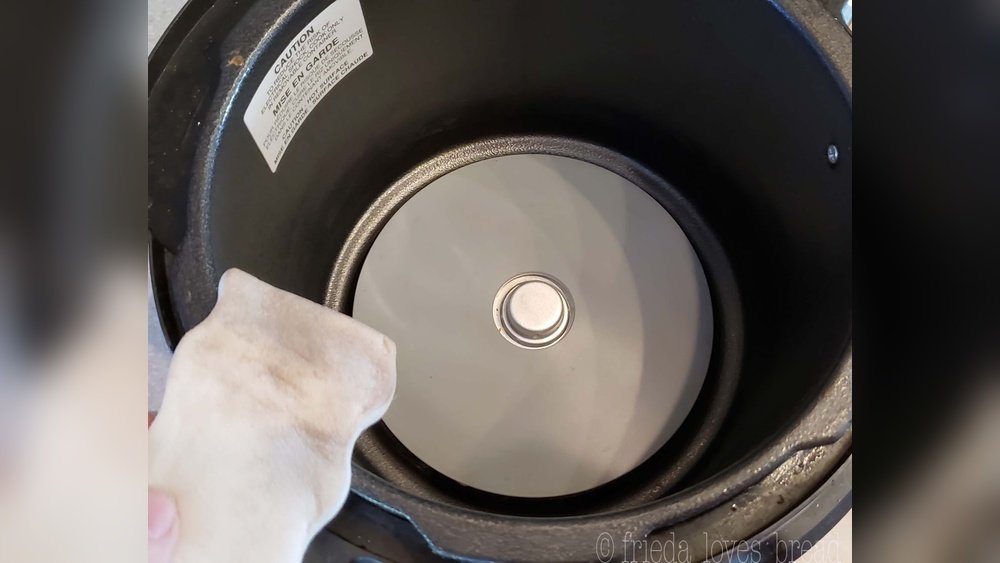
Cleaning your Instant Pot heating element is something many users forget, but it is essential for keeping your electric pressure cooker working safely and efficiently. Over time, spills, food residue, and mineral deposits can build up on the heating element, causing odors, uneven heating, or even long-term damage. If you have noticed your Instant Pot taking longer to heat, producing odd smells, or displaying error codes, it might be time to check and clean the heating element. Many people worry this is a complicated process, but with the right steps and precautions, you can do it safely at home in less than 30 minutes.
In this article, you’ll find simple, detailed instructions for cleaning your Instant Pot heating element. You’ll learn what tools and products to use, which mistakes to avoid, and how to prevent future problems. Whether you’re a new Instant Pot owner or someone who has used theirs for years, this guide will help you keep your cooker running like new.
Along the way, you’ll get practical tips, real examples, and answers to common questions that often confuse beginners.
Understanding Your Instant Pot Heating Element
The heating element is the metal coil or plate at the bottom of your Instant Pot’s base unit. It is not inside the removable inner pot but below it, directly connected to the electrical system of the cooker. The heating element is responsible for generating the heat that cooks your food. When dirt, grease, or minerals build up on this part, several problems can happen:
- Slower heating times
- Error codes (like C6 or C5)
- Burnt smells during use
- Reduced lifespan of the appliance
Unlike the stainless steel inner pot, the heating element is not dishwasher safe and should never be submerged in water. It needs special care because any water inside the base can damage the electronics or even cause electric shock.
Why Regular Cleaning Is Important
Many Instant Pot owners clean the inner pot and lid after every use but forget about the heating element. Here’s why regular cleaning is necessary:
- Safety: Food and liquid spills can burn onto the heating element, creating smoke or even fire hazards over time.
- Performance: A clean heating element heats food evenly, helping recipes turn out as expected.
- Odor control: Old food or spilled liquids can rot or create strong odors if left on the element.
- Error prevention: Many error codes are linked to overheating or uneven heating, often caused by debris or mineral buildup.
A recent survey from the Instant Pot Community showed that more than 40% of users had never cleaned their heating element, and 15% reported performance issues that could be linked to poor maintenance.
Tools And Supplies You’ll Need
Before you start, gather the right tools. Using the wrong items can damage your Instant Pot or make the job harder.
| Tool/Supply | Purpose | Notes |
|---|---|---|
| Soft, dry cloth | Wiping dust and loose debris | Microfiber is best |
| Small brush or toothbrush | Scrubbing tight areas | Unused, with soft bristles |
| Cotton swabs | Cleaning corners/edges | Optional but useful |
| Mild dish soap | Removing grease | Avoid harsh chemicals |
| White vinegar | Mineral deposit removal | Mix with water (1:1) |
| Baking soda | Stubborn stains | Use as a paste |
| Small bowl | Mixing solutions | Any non-metal bowl |
| Dry towel | Final drying step | Lint-free is best |
| Compressed air (optional) | Blowing out dust | For advanced cleaning |
Safety Precautions Before Cleaning
Never ignore safety when cleaning any electrical appliance. Here are steps you must follow before touching your Instant Pot’s heating element:
- Unplug the Instant Pot from the power outlet and let it cool completely.
- Remove the inner pot and lid so you can see the heating element clearly.
- Place the base on a flat, stable surface. Make sure there is no water or wet cloth nearby.
- Never pour water or cleaning solutions directly into the base unit.
- Keep the base unit away from children or pets during the cleaning process.
One mistake many beginners make is cleaning the element while the cooker is still warm or plugged in. This can lead to burns or electric shock. Always wait until everything is cool and unplugged.
Step-by-step Guide: How To Clean Instant Pot Heating Element
Cleaning the heating element is easier than you might think. Follow these steps for a safe and effective cleaning:
1. Dry Dust Removal
Start by removing any loose dust or crumbs.
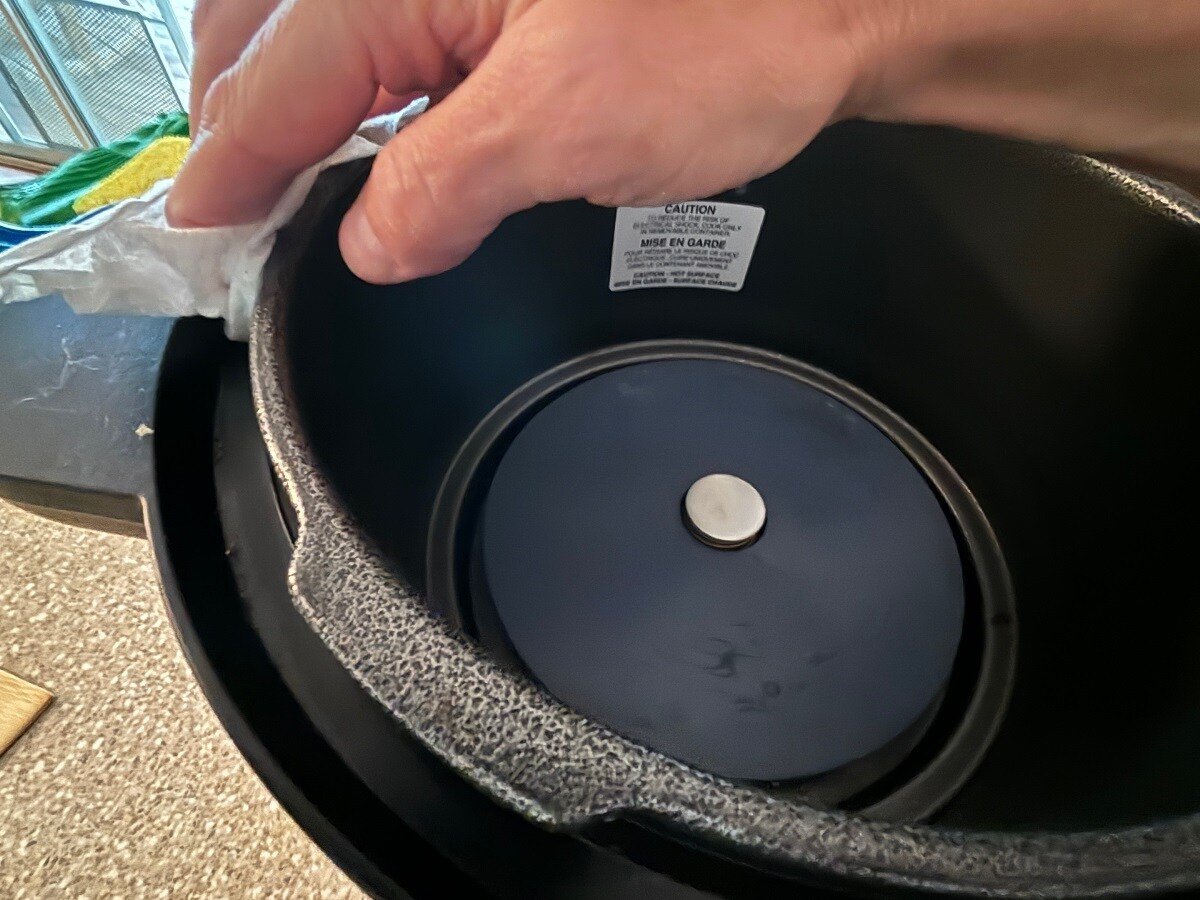
- Use a dry microfiber cloth to gently wipe the heating element and surrounding area.
- For hard-to-reach spots, use a soft brush or a clean, dry toothbrush.
- Never use a wet cloth at this stage.
This step helps you see any stuck-on residue that needs more attention.
2. Surface Cleaning For Food Residue
If you see dried food, grease, or spills:
- Dampen your cloth slightly with warm water and a small drop of mild dish soap.
- Wring out the cloth well so it is just barely damp, not wet.
- Gently wipe the heating element and the metal surface around it.
- Use a cotton swab for corners or edges.
For sticky or greasy spots, hold the damp cloth on the stain for 1-2 minutes, then wipe. Never scrub too hard, as this can damage the finish.
3. Dealing With Mineral Deposits
If you notice white or chalky spots, these are likely mineral deposits (especially common if you use tap water in your Instant Pot):
- Mix a solution of equal parts white vinegar and water in a small bowl.
- Dip a cloth or cotton swab in the solution and gently rub the stained area.
- Let the vinegar solution sit on tough deposits for up to 5 minutes, then wipe clean with a dry cloth.
Do not allow liquid to drip into the base or electronics.
4. Removing Stubborn Stains
For burnt-on food or stubborn stains:
- Make a paste of baking soda and water (about 2: 1 ratio).
- Apply the paste to the stain and let it sit for 10-15 minutes.
- Use a soft brush or cloth to gently scrub the area.
- Wipe away all paste with a dry or slightly damp cloth.
Be patient. For very old stains, you may need to repeat this process.
5. Drying The Heating Element
Moisture is the enemy of any electrical appliance. After cleaning:
- Wipe the heating element and base thoroughly with a dry, lint-free towel.
- Let the Instant Pot air dry for at least 1 hour before plugging it back in.
- If you have compressed air, use it to blow out any remaining dust or moisture.
Never put the base unit near a direct heat source (like a hairdryer or oven) to speed up drying.
Cleaning Frequency: How Often Should You Clean?
How often you clean the heating element depends on your cooking habits.
| Usage Frequency | Recommended Cleaning Interval | Notes |
|---|---|---|
| Daily use | Every 2 weeks | Check for spills after every use |
| Weekly use | Every month | Wipe after messy dishes (rice, soups) |
| Rare use | Every 2-3 months | Clean before long storage |
If you cook foods that tend to boil over (like oatmeal or pasta), check and clean the heating element more often. Even a small spill can burn and create a lasting smell.
Common Mistakes To Avoid
Even careful users sometimes make errors when cleaning their Instant Pot’s heating element. Here are the most important mistakes to avoid:
- Using too much water: Water inside the base can ruin the electronics.
- Scrubbing with abrasive tools: Steel wool or rough sponges can scratch or damage the heating element.
- Forgetting to unplug: Always disconnect from power before cleaning.
- Not drying completely: Even a little leftover moisture can cause rust or electrical problems.
- Ignoring burnt smells: Persistent odors after cleaning can mean residue is still present.
- Neglecting the area around the element: Spills can dry on the metal ring or inner walls, affecting performance.
- Cleaning with harsh chemicals: Bleach, oven cleaner, or ammonia can corrode the metal or damage parts.
One non-obvious tip: even a small amount of cooking oil left on the element can attract dust and create sticky residue. Always wipe thoroughly after any spill.
Advanced Cleaning Tips For Stubborn Problems
Most users will only need the basic cleaning steps, but sometimes you’ll face tougher problems:
Sticky, Burnt-on Food
If you spilled thick sauces, syrup, or sugar-based foods, they can become caramelized and hard to remove.
- Try heating the base for 1-2 minutes (unplug afterward, let cool until warm, not hot).
- The gentle warmth can soften the residue.
- Use a baking soda paste, let it sit, and gently scrub with a soft brush.
Persistent Odors
If you notice bad smells even after cleaning:
- Place a small bowl of baking soda in the unplugged, empty base overnight.
- Close the lid (without locking) to let the baking soda absorb odors.
- Remove and wipe out any baking soda dust before using again.
Mineral Buildup In Hard Water Areas
In places with hard water, mineral deposits are common.
- Use distilled water for cooking to reduce buildup.
- Clean with vinegar solution more often.
- Occasionally wipe the element with a cloth dipped in lemon juice for extra freshness.
Credit: www.orchestradipugliaebasilicata.it
What About Instant Pot Error Codes And Heating Element Issues?
Certain error codes (like C5, C6, or “burn” messages) are often linked to heating element problems. If you see these errors:
- Unplug the device and check for food or residue on the heating element.
- Clean thoroughly as described above.
- If the error persists, inspect the element for cracks, burns, or dark spots—these may mean the element is damaged and needs repair.
You can find more details on Instant Pot error codes from the official Instant Pot troubleshooting guide.
Preventing Future Messes And Damage
The best way to deal with a dirty heating element is to prevent problems before they start.
Use The Right Accessories
- Always use the removable inner pot for cooking. Never put food or water directly into the base.
- Consider using a splatter guard or silicone lid when cooking foods that boil vigorously.
- Clean up spills immediately after they happen.
Avoid Overfilling
- Do not fill the inner pot past the “MAX” line. Overfilled pots are more likely to spill onto the heating element.
- When making foamy foods (like beans, rice, pasta), use the natural release method to reduce splatter.
Regular Inspections
- Take a quick look at the heating element after each use, especially if you cooked something messy.
- Wipe away small spills before they get baked on.
Store Properly
- Make sure the base unit is completely dry before storing.
- Store with the lid off or upside down to prevent moisture buildup inside.
When To Seek Professional Help
If you notice any of these signs, do not try to fix the heating element yourself:
- Cracks or breaks in the metal coil
- Black or burnt marks that will not clean off
- Electrical burning smell even after cleaning
- Error codes that do not clear after cleaning
Contact the manufacturer or a qualified appliance repair technician. Never open the base or try to replace the heating element yourself, as this can be dangerous and void your warranty.
Comparing Cleaning Methods: Manual Vs. Professional
You might wonder if it’s better to clean your Instant Pot heating element yourself or to use a professional service. Here’s a comparison to help you decide:
| Method | Cost | Time Required | Effectiveness | Risks |
|---|---|---|---|---|
| Manual Cleaning | Low (household supplies) | 15-30 minutes | High for most messes | Minimal if instructions followed |
| Professional Service | High ($50-100+) | Several days (shipping/repair time) | Best for serious damage | Possible delays, cost, risk of voiding warranty |
For regular cleaning, manual is almost always enough. Professional service should be your last resort for major damage or electrical problems.

Credit: www.reddit.com
Real User Experiences: What People Wish They Knew
Many Instant Pot owners make the same mistakes when it comes to cleaning the heating element. Here are some real insights:
- “I didn’t know you could get a burn error just from a little rice water that boiled over. Cleaning the element fixed it right away.”
- “My Instant Pot started smelling like burnt popcorn. Wiping the heating element with vinegar solved the problem.”
- “I used too much water while cleaning and the cooker wouldn’t turn on. I had to let it air dry for two days before it worked again.”
A non-obvious tip: even if you don’t see visible dirt, wiping the heating element every few weeks will prevent buildup that you can’t see but might smell or taste in your food.
Frequently Asked Questions
How Do I Know If My Instant Pot Heating Element Needs Cleaning?
If you see stains, white spots, burnt food, or smell odd odors after cooking, it’s time to clean the heating element. Also, if you get error codes or your Instant Pot heats slowly, check the element for residue.
Can I Use Commercial Cleaning Sprays On The Heating Element?
No, it’s best to use mild dish soap, white vinegar, or baking soda. Commercial sprays may contain harsh chemicals that can damage the metal or leave harmful residues.
What Happens If Water Gets Inside The Base Unit?
If water enters the base, unplug the Instant Pot immediately and let it dry upside down for at least 48 hours. Do not plug it back in until you are sure it is completely dry. Water inside the base can cause electric shock or permanent damage.
Is It Safe To Clean The Heating Element With A Metal Brush Or Abrasive Pad?
No, always use soft brushes or cloths. Metal brushes or abrasive pads can scratch and weaken the heating element, leading to rust or failure.
Can A Dirty Heating Element Affect The Taste Of Food?
Yes, old spills or burnt residue can create strange smells or flavors in your food, especially with sensitive dishes like rice or yogurt.
Cleaning your Instant Pot heating element is a small task that makes a big difference. With the right approach, you can keep your cooker safe, efficient, and smelling fresh for years. Regular maintenance also protects your investment and ensures perfect results every time you cook. Take a few minutes today to check your heating element—you might be surprised at what you find. If you want more details on troubleshooting or repairs, visit the official Instant Pot troubleshooting guide.
Credit: www.reddit.com