
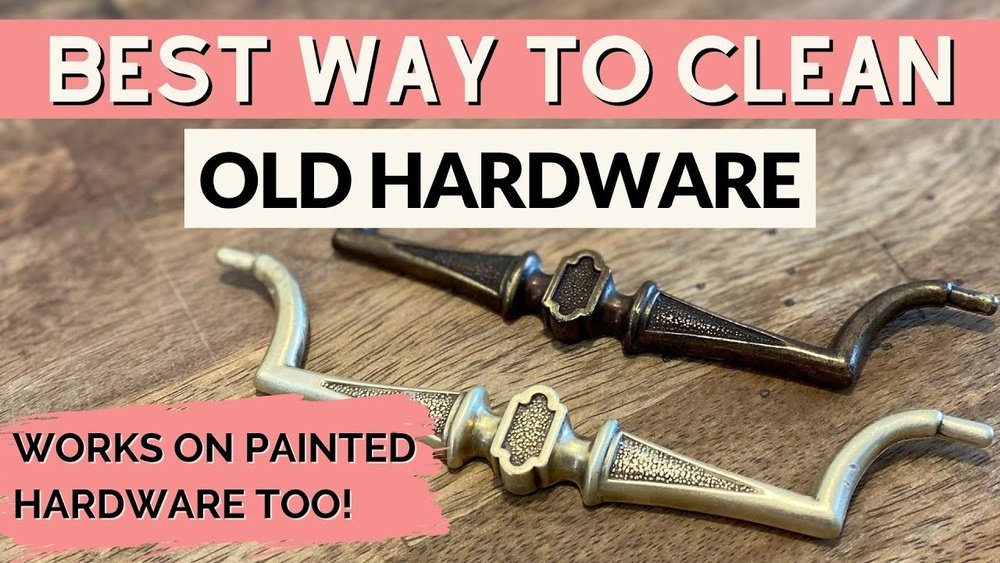
Cleaning the hardware on your cabinets might sound like a small job, but it can make a big difference in your kitchen or bathroom. Shiny, clean knobs and pulls add style and make your cabinets feel fresh. Dirty or sticky hardware, on the other hand, makes even new cabinets look old.
Many people try to wipe hardware quickly but miss hidden dirt or cause damage. If you want your cabinet hardware to last longer and look its best, you need the right cleaning approach for each type.
In this guide, you’ll learn how to clean all kinds of cabinet hardware—knobs, pulls, hinges, and handles—without causing damage. You’ll discover what tools and cleaners to use, how to deal with tough stains, and how to keep your hardware looking good for years.
Whether your hardware is brass, chrome, stainless steel, or painted, you’ll find clear steps for each material. You’ll also see how to avoid common mistakes that can ruin finishes or cause rust. Let’s get started and bring back the shine to your cabinets.
Why Clean Cabinet Hardware?
Cabinet hardware is touched every day, often with dirty or greasy hands. Over time, dust, grime, oil, and food splatters build up on these surfaces. If not removed, this buildup can cause several problems:
- Sticky residue that attracts more dirt
- Corrosion or rust, especially on metal hardware
- Dull finishes that make hardware look old
- Bacteria growth, especially in kitchens and bathrooms
Regular cleaning not only keeps hardware looking nice but also protects your investment. Good care means you don’t need to replace hardware as often.
Types Of Cabinet Hardware
Before cleaning, you need to know what kind of hardware you have. Each material needs different care. Here are the most common types:
- Brass (shiny gold or antique look)
- Stainless steel (modern, silver color)
- Chrome (very shiny, mirror-like)
- Bronze or oil-rubbed bronze (dark brown, sometimes with copper highlights)
- Nickel (matte or shiny silver-gray)
- Painted metal (color coated)
- Plastic (often white or colored)
- Glass or crystal (clear or colored, often with metal bases)
- Ceramic or porcelain (smooth, often decorated)
If you’re not sure, look for labels, ask the manufacturer, or compare to pictures online.
Tools And Supplies You’ll Need
Good results start with the right tools. Here’s what you’ll need for most jobs:
- Soft microfiber cloths (won’t scratch)
- Old toothbrush or small soft brush
- Mild dish soap
- Warm water
- White vinegar (for tough spots)
- Baking soda (for stubborn stains)
- Cotton swabs (for crevices)
- Rubber gloves (protect your skin)
- Small bowl or bucket
- Dry towel
For some jobs, you may also want:
- Screwdriver (to remove hardware)
- Polishing cloth (for metal or glass)
- Metal polish (for brass, chrome, or nickel)
- WD-40 or light oil (for squeaky hinges)
Never use steel wool or harsh scrubbing pads on hardware—these scratch and damage finishes.
Preparing To Clean
A little preparation makes cleaning easier and safer for your cabinets.
- Decide if you’ll remove the hardware. Removing knobs and pulls lets you clean all sides and prevents drips on cabinet wood. For a deep clean, always remove hardware. For a quick refresh, you can clean in place, but be careful not to wet the cabinet finish.
- Gather your tools. Set up a cleaning area with all the supplies listed above. Lay a towel on the counter to protect surfaces.
- Test a small area. Before using any cleaner, test it on a hidden part of the hardware. Some finishes, like antique brass or painted metal, can be damaged by strong cleaners.
- Keep track of screws and parts. Place small pieces in a bowl so nothing gets lost.
Cleaning hardware can take 1–2 hours for a full set of cabinets. For best results, do the job when you have time to finish.
Credit: hapnyhome.com
Step-by-step Cleaning For Each Material
Not all hardware is the same. Here’s how to clean each type safely.
Brass
Brass is beautiful but tarnishes easily. Some brass is lacquered (clear-coated) and some is raw. Here’s how to clean both:
- For lacquered brass: Use only mild soap and water. Wipe with a soft cloth and dry well. Never use vinegar, ammonia, or abrasive cleaners—they strip the coating.
- For raw brass: Mix equal parts white vinegar and water. Dip a soft cloth in the mix and wipe gently. For tough spots, add a sprinkle of baking soda and rub gently with a toothbrush. Rinse with water and dry.
- Polish if needed: Use a brass polish for shine, but always read the label to make sure it’s safe for your hardware.
Non-obvious tip: If you’re unsure if hardware is lacquered, rub a tiny spot with vinegar. If color comes off, it’s raw brass.
Stainless Steel
Stainless steel is tough but shows fingerprints and water spots.
- Mix a few drops of mild dish soap in warm water.
- Dip a soft cloth in the soapy water, wring out, and wipe hardware.
- Use a toothbrush for corners and edges.
- Rinse with clean water and dry with a microfiber cloth.
- Polish with a dry cloth for extra shine.
For stubborn marks, rub gently with a paste of baking soda and water. Never use bleach or steel wool—they scratch and cause stains.
Non-obvious tip: Always wipe in the direction of the metal grain for a streak-free finish.
Chrome
Chrome is shiny but scratches easily.
- Wipe with a cloth dipped in soapy water.
- For water spots, dip a cloth in vinegar and wipe gently.
- Rinse and dry.
- Polish with a clean, dry cloth.
For extra shine, a small drop of baby oil can help, but buff well to avoid sticky residue.
Pro tip: If you see green or white spots, your chrome may be corroding. Address this quickly to prevent pitting.
Oil-rubbed Bronze
Bronze hardware develops a unique patina (dark finish) over time.
- Wipe with a soft, dry cloth.
- For sticky spots, use a little mild soap and water, but don’t soak.
- Dry fully.
Never use vinegar, lemon juice, or harsh chemicals. These strip the finish. For extra protection, apply a light coat of mineral oil and buff.
Nickel
Nickel can be brushed (matte) or polished (shiny).
- Use soapy water and a soft cloth.
- Dry with a microfiber cloth.
- For stubborn spots, use a little vinegar on a cloth, but don’t soak.
Avoid strong cleaners, which can cause pitting or yellowing.
Painted Metal
Painted hardware scratches easily.
- Wipe with a cloth dampened in soapy water.
- For corners, use a soft toothbrush.
- Dry immediately.
Never use scrubbing pads, baking soda, or vinegar.
Plastic
Plastic hardware is often used in bathrooms and children’s rooms.
- Wipe with soapy water.
- Use a toothbrush for grooves.
- Rinse and dry.
If plastic is stained, try a paste of baking soda and water, but test a small area first.
Glass Or Crystal
Glass and crystal knobs look beautiful but show fingerprints.
- Remove hardware for best results.
- Wash with warm, soapy water.
- Use a toothbrush for around metal bases.
- Rinse and dry with a lint-free cloth.
Polish with a glass cleaner if needed, but keep cleaner off any metal parts.
Ceramic Or Porcelain
These are easy to clean but can chip.
- Wipe with soapy water.
- Use a soft brush for details.
- Rinse and dry.
Avoid dropping or banging these pieces—chips are hard to fix.
How To Clean Hinges
Cabinet hinges get sticky and can squeak. Dirty hinges cause doors to stick.
- Remove the hinge if possible. If not, open the door wide.
- Wipe with a cloth dampened in soapy water.
- Use a toothbrush for crevices.
- Dry with a towel.
- For squeaks, spray a little WD-40 or a drop of cooking oil on the hinge pin. Wipe away any extra.
Do not soak hinges in water—this causes rust.
Deep Cleaning: Soaking Hardware
If hardware is very dirty or greasy (for example, in a kitchen), soaking can help.
- Remove all hardware.
- Fill a bowl with hot water and a few drops of dish soap.
- Place hardware in the bowl and let soak for 20–30 minutes.
- Scrub gently with a toothbrush.
- Rinse and dry.
Warning: Do not soak wood, painted, or antique hardware.
Removing Rust And Tough Stains
Sometimes hardware develops rust spots or stains that don’t come off with soap.
- For small rust spots on metal, make a paste of baking soda and water. Apply with a toothbrush, scrub gently, and rinse.
- For tough stains on stainless steel or chrome, use a small amount of white vinegar.
- For stubborn rust, try a commercial rust remover, but always test first and follow the directions.
If hardware is badly rusted, replacing it may be the only solution.
How Often Should You Clean Cabinet Hardware?
For best results:
- Light cleaning: Every 1–2 weeks, wipe hardware with a damp cloth.
- Deep cleaning: Every 3–6 months, remove hardware and clean all sides.
- After spills: Clean hardware right away if food or sticky substances get on it.
In high-use areas like kitchens, more frequent cleaning keeps hardware looking new.
Comparison: Cleaning Methods For Different Materials
To help you choose the right cleaning approach, see this comparison of methods for popular hardware materials:
| Material | Safe Cleaner | What to Avoid | Extra Care Needed? |
|---|---|---|---|
| Brass (lacquered) | Mild soap, water | Vinegar, ammonia, abrasives | Yes, don’t scratch coating |
| Stainless steel | Soap, baking soda, water | Bleach, steel wool | Wipe with grain |
| Chrome | Soap, vinegar | Scrubbing pads | Buff dry to avoid water spots |
| Oil-rubbed bronze | Soap, water, mineral oil | Vinegar, lemon, harsh chemicals | Buff for extra protection |
| Painted metal | Soap, water | Scrubbers, vinegar, baking soda | Gentle touch only |
Best Practices For Long-term Care
Just cleaning hardware isn’t enough. Protect your investment with these habits:
- Dry hardware after cleaning. Water left on metal can cause spots or rust.
- Avoid harsh chemicals. These can strip finishes or cause pitting.
- Polish once in a while. Use a safe polish for metal or glass hardware to maintain shine.
- Don’t overtighten screws. This can crack glass or ceramic knobs.
- Lubricate hinges. A drop of oil stops squeaks and keeps movement smooth.
- Check for loose hardware. Tighten screws gently as needed.
- Use hardware gently. Don’t hang heavy bags on knobs—this damages both hardware and cabinet doors.
Common Mistakes To Avoid
Many people damage their hardware by making these errors:
- Using abrasive pads or steel wool. These scratch and dull finishes.
- Soaking hardware with wood or delicate parts. Wood swells and cracks; delicate finishes peel.
- Cleaning with bleach or strong chemicals. These can cause rust, yellowing, or stains.
- Skipping regular cleaning. Built-up grime gets harder to remove over time.
- Not testing cleaners. Always test a new cleaner on a hidden spot to avoid surprises.
When To Replace Hardware
Sometimes cleaning can’t fix every problem. Replace hardware if:
- The finish is peeling or chipped beyond repair
- Rust has eaten through the metal
- Screws won’t stay tight (threads are stripped)
- Knobs or pulls are broken or cracked
Modern hardware is affordable, and new pieces can change the look of your cabinets quickly.
Eco-friendly Cleaning Options
If you want to clean without chemicals, try these methods:
- White vinegar mixed with water cuts through grease
- Baking soda removes stains
- Castile soap is a gentle, plant-based soap
- Microfiber cloths clean without extra cleaners
Always rinse hardware well to prevent residue.
Comparing Store-bought Vs. Homemade Cleaners
Which is better: buying a cleaner or making your own? Here’s a quick look:
| Type | Pros | Cons | Best For |
|---|---|---|---|
| Store-bought cleaner | Convenient, often stronger | Expensive, may contain harsh chemicals | Tough stains, rust |
| Homemade cleaner | Cheap, safe, eco-friendly | May need more scrubbing | Regular cleaning |
For most people, homemade cleaners (soap, vinegar, baking soda) are enough for regular cleaning. Save store-bought cleaners for special cases.
What If Hardware Won’t Come Clean?
Even with good cleaning, some stains or buildup won’t budge. Here’s what to do:
- Try a different cleaner. For example, switch from soap to vinegar or a gentle metal polish.
- Soak longer. Grease and grime may need more time to loosen.
- Consider professional help. For antique or valuable hardware, a pro can clean without damage.
- Replace if needed. Some hardware just can’t be saved.
Cleaning Cabinet Hardware In Special Situations
Antique Hardware
Older hardware may be delicate or have special finishes.
- Use only mild soap and water
- Avoid soaking
- Dry fully
- If you’re unsure, ask an antiques expert before cleaning
Painted Cabinets
If hardware is attached to painted cabinets, don’t let cleaning solution drip onto the paint. Always wring out cloths well and work carefully.
High-humidity Areas
Bathrooms or laundry rooms can cause hardware to rust faster. Clean and dry hardware more often. Consider hardware made for damp environments.
How To Clean Hardware Without Removing It
Sometimes you can’t remove hardware easily (for example, if it’s painted over). Here’s how to clean in place:
- Wipe with a damp, soapy cloth.
- Use a toothbrush or cotton swab for corners.
- Dry with a towel.
Work carefully to avoid wetting the cabinet wood or paint.
Expert tip: Wrap a cloth around a butter knife to clean under knobs and pulls without scratching.

Credit: www.youtube.com
How To Polish Hardware After Cleaning
Want extra shine? Polishing helps, but use the right product:
- Metal hardware: Use a metal polish for brass, chrome, or nickel. Follow directions and buff with a soft cloth.
- Glass or crystal: Use a glass cleaner, but avoid spraying near wood parts.
- Oil-rubbed bronze: Buff with mineral oil for a soft glow.
Never use polish on painted or plastic hardware.
How To Keep Hardware Clean Longer
A few habits keep hardware looking good:
- Wipe hardware weekly with a damp cloth
- Dry hands before using cabinets
- Clean up spills right away
- Use a dusting spray (safe for your hardware) once a month
In kitchens, grease is the biggest problem. Clean stove and nearby cabinets more often.
Quick Reference: Cleaning Steps By Hardware Type
Here’s a quick look at the cleaning steps for each type:
| Hardware Type | Main Steps |
|---|---|
| Brass | Soap & water, dry, polish if needed |
| Stainless steel | Soap & water, baking soda for stains, dry well |
| Chrome | Soap & water, vinegar for spots, buff dry |
| Bronze | Dry cloth, mild soap, mineral oil |
| Nickel | Soap & water, vinegar for spots, dry |
| Painted metal | Soap & water, gentle touch |
| Plastic | Soap & water, baking soda for stains |
| Glass/crystal | Soap & water, glass cleaner for shine |
| Ceramic/porcelain | Soap & water, soft brush |
| Hinges | Soap & water, lubricate if needed |
Frequently Asked Questions
How Do I Know What Material My Cabinet Hardware Is Made From?
Look for clues like color, weight, and finish. Brass is gold-colored and heavy. Stainless steel is silver and often brushed. Chrome is very shiny like a mirror. If unsure, remove a piece and check the back for labels or markings.
When in doubt, compare your hardware to images on trusted sites, or ask at a hardware store.
Can I Use Vinegar To Clean All Types Of Cabinet Hardware?
No. Vinegar is safe for stainless steel and chrome, but it can damage brass (if lacquered), oil-rubbed bronze, and painted or plastic hardware. Always test vinegar on a small, hidden spot first. When in doubt, stick to mild dish soap and water.
How Do I Clean Cabinet Hardware Without Removing It?
Use a damp, soapy cloth to wipe the hardware, and a toothbrush or cotton swab for corners. Be careful not to let water run onto the cabinet wood or paint. Dry the hardware immediately. For extra care, wrap a thin cloth around a butter knife to reach under knobs and pulls.
What’s The Best Way To Keep Hardware From Getting Sticky Or Greasy?
Wipe hardware often with a damp cloth, especially in the kitchen. Clean up spills right away. Use a gentle cleaner every week or two. In kitchens, wipe hardware near the stove more often, as grease builds up quickly.
Where Can I Find More Tips On Caring For Cabinet Hardware?
You can find more advice and professional guides on websites like Family Handyman, which offers detailed instructions and troubleshooting tips.
Bringing back the shine to your cabinet hardware is easier than you might think. With the right tools, a gentle touch, and a regular cleaning routine, you’ll keep your cabinets looking beautiful for years. Clean hardware is a simple way to refresh your whole kitchen or bathroom—give it a try and enjoy the results.

Credit: www.reddit.com