

Many people love their daily cup of coffee, but not everyone enjoys cleaning their coffee maker. Over time, oils, minerals, and leftover coffee grounds build up inside, making your brew taste bitter or stale. Some guides suggest using vinegar, but maybe you hate the smell, worry about taste, or have allergies. The good news: there are effective ways to clean a coffee maker without vinegar. This article will walk you through detailed, safe, and proven methods to keep your machine fresh, improve taste, and extend its life—all without using a single drop of vinegar.
Cleaning a coffee maker well is more than just running water through it. Coffee oils, mineral deposits, and even mold can hide inside. If you skip regular cleaning, your machine can break sooner and your coffee will suffer. You might even be drinking bacteria with your morning cup.
Let’s explore practical solutions that work for drip coffee makers, single-serve machines, and more. You’ll also see how these methods compare, what mistakes to avoid, and answers to common questions. Whether you’re sensitive to vinegar or just want something different, you’ll find everything you need here.
Why Clean Your Coffee Maker Regularly?
Many coffee drinkers don’t realize how fast residue builds up. According to the National Sanitation Foundation, coffee reservoirs are among the top five germiest places in the average kitchen. Mold, yeast, and bacteria can thrive in the damp, dark interior. If you use tap water, minerals like calcium and magnesium leave scale inside, which blocks water flow and affects heat. Over time, these problems change how your coffee tastes and even make your machine work harder.
If you’ve noticed a sour or burnt flavor, or your coffee maker is brewing slowly, it’s likely time for a deep clean. For those who drink coffee daily, monthly cleaning is best. If you only use your machine occasionally, every two to three months is enough.
Proper cleaning also protects your warranty—many brands require regular maintenance.
Another point many people miss: minerals and oils can build up not just inside the machine but also on removable parts like the basket and carafe. These hidden spots can breed germs and affect taste even if you clean the reservoir. Sometimes, you may see a white or brown film inside the reservoir or on the carafe, which is a sign of hard water scale. If ignored, this buildup makes your machine work less efficiently, using more energy and sometimes overheating.
It’s not just about taste or machine life. Dirty coffee makers can actually make you sick. Mold spores and bacteria can survive in moist, warm parts of the machine, especially if you leave water sitting for days. Some people get mild stomach upset or feel “off” after drinking coffee from a dirty maker and don’t realize the machine is the source.
Why Skip Vinegar?
Vinegar is popular for cleaning because it’s cheap and natural. But it has strong drawbacks:
- Lingering odor: The smell can stay for days, affecting taste.
- Acidic taste: Even after rinsing, some people notice sour coffee.
- Allergies or sensitivity: Vinegar fumes can trigger headaches or nausea.
- Not safe for all machines: Some manufacturers warn against using vinegar, especially with metal parts.
There are also less obvious reasons to avoid vinegar. For example, some machines with rubber seals or silicone tubing can break down faster with repeated vinegar use. Vinegar’s acidity, while helpful for dissolving scale, can also damage metal over time if not rinsed fully.
In hard water areas, vinegar sometimes reacts with minerals and forms new deposits instead of removing them.
If you’re preparing coffee for guests or in shared spaces, the strong scent can bother others, especially in offices or small kitchens. Using alternatives means you avoid these problems entirely.
Thankfully, you have other options. The methods below are just as effective and even safer for some machines.
Alternative Cleaning Solutions: What Works Best?
Let’s look at the most reliable vinegar-free cleaning agents, how they work, and when to use each.
| Cleaning Agent | Main Benefit | Best For |
|---|---|---|
| Baking Soda | Removes stains, neutralizes odors | General cleaning, odor control |
| Lemon Juice | Dissolves mineral deposits, fresh scent | Descaling, natural freshness |
| Commercial Descaler | Removes tough scale, fast-acting | Heavy scale, manufacturer-recommended |
| Hydrogen Peroxide | Kills bacteria, removes stains | Sanitizing, deep cleaning |
| Denture Tablets | Fizzes away buildup, easy to use | Quick clean, travel machines |
| Soapy Water | Removes grease, safe for parts | Removable items, carafes |
Each method has strengths and weaknesses. You might use one for routine cleaning and another for deep descaling. In practice, many people alternate between methods depending on what’s in the kitchen or how dirty the machine is. For example, baking soda is great for a quick weekly clean, while commercial descalers are better every few months if you notice scale or slow brewing.
Step-by-step: How To Clean A Coffee Maker Without Vinegar
Below are detailed guides for each method. Choose what fits your needs, or combine methods for best results.
Baking Soda Method
Baking soda is gentle, cheap, and leaves no strong aftertaste.
What You Need
- 1/4 cup baking soda
- 1 liter (about 4 cups) warm water
Instructions
- Mix baking soda with warm water until fully dissolved.
- Pour the mixture into the reservoir.
- Run a full brew cycle (no coffee grounds).
- Discard the water from the carafe.
- Fill the reservoir with clean water and run 2-3 more cycles to rinse.
Practical tips: If your machine is very dirty, repeat the process. Always rinse well—baking soda can leave a salty taste if not flushed out.
Extra tip: You can also dip a soft sponge in the baking soda solution and gently scrub the inside of the carafe or basket for extra freshness. Baking soda is mildly abrasive, so it helps lift stains without scratching glass or plastic.
Lemon Juice Method
Lemon juice is acidic, like vinegar, but has a fresher scent.
What You Need
- 1 cup pure lemon juice (bottled or fresh)
- 1 cup water
Instructions
- Mix lemon juice and water (1: 1 ratio).
- Pour into the reservoir.
- Run a brew cycle.
- Let the machine sit for 10-15 minutes after brewing.
- Rinse by running 2-3 cycles with clean water.
Extra insight: Lemon juice can lighten stains on plastic parts. If you notice a sticky residue, wipe with a damp cloth after cleaning.
One beginner mistake is using juice with pulp, which can clog the machine. Always use strained juice. For a stronger clean, increase the lemon juice slightly, but always rinse thoroughly to avoid lingering citrus oils.
Commercial Descaler
Many brands sell descaling solutions designed for coffee makers.
What You Need
- Commercial descaler (follow label for amount)
- Water
Instructions
- Mix descaler and water as directed.
- Pour into the reservoir.
- Run a brew cycle.
- Pause the machine halfway through if possible; let it sit for 20 minutes.
- Finish the cycle.
- Rinse with 2-3 cycles of clean water.
Non-obvious insight: Some descalers are citric acid-based and safer for aluminum or stainless steel parts. Always check your machine’s manual.
Another detail: Commercial descalers often work faster than home remedies. They’re a smart choice if your machine is under warranty, as some brands will only honor repairs if you use their product. Don’t ignore the pause step—letting the solution sit helps dissolve thick scale.
Hydrogen Peroxide Method
Hydrogen peroxide is a strong disinfectant.
What You Need
- 1 cup 3% hydrogen peroxide (food grade)
- 1 cup water
Instructions
- Mix hydrogen peroxide and water (1: 1 ratio).
- Pour into the reservoir.
- Run a brew cycle.
- Let sit for 30 minutes before rinsing.
- Run 2-3 full cycles of plain water to clear out all peroxide.
Safety note: Only use 3% food-grade peroxide and rinse well. Never mix with other chemicals.
Example: This method is especially helpful after you see or smell mold in the machine, as peroxide kills spores that other cleaners may miss.
Denture Cleaning Tablets
Denture tablets use fizzing action to clean and deodorize.
What You Need
- 2 denture cleaning tablets
- Water
Instructions
- Fill the reservoir with warm water.
- Drop in tablets (let them dissolve).
- Run a brew cycle.
- Let sit for 10-15 minutes.
- Rinse with 2-3 cycles of clean water.
Unique benefit: Tablets are portable—great for travel coffee makers or quick cleans.
Tip: For tough buildup, dissolve the tablets and let the machine sit overnight before rinsing. This gives the cleaner more time to work.
Soapy Water (mild Dish Soap)
Great for removable parts: carafes, baskets, lids.
What You Need
- Mild, unscented dish soap
- Warm water
- Soft brush or sponge
Instructions
- Remove parts and wash with soapy water.
- Scrub stains with a brush.
- Rinse well before reassembling.
Pro tip: Avoid harsh scrubbers that can scratch plastic or metal.
Extra detail: If you have a reusable filter, soak it in soapy water for 15 minutes, then rinse well to remove built-up oils. Always dry parts completely before putting them back to stop mold from growing.

Credit: cafely.com
How Often Should You Clean Your Coffee Maker?
Regular cleaning keeps your coffee safe and tasty. Here’s a simple guide:
| Cleaning Task | How Often | Why |
|---|---|---|
| Wash carafe & basket | After every use | Removes oils and grounds |
| Wipe exterior & warming plate | Weekly | Prevents stains, buildup |
| Descale & sanitize | Monthly | Removes minerals, bacteria |
| Deep clean (inside) | Every 2-3 months | Prevents mold, clogs |
If you use hard water, descale more often—every 2-4 weeks. Coffee made with filtered or bottled water needs less frequent deep cleaning.
Extra insight: If you notice your coffee tastes off even after regular cleaning, try changing your cleaning schedule. Also, frequent cleaning helps prevent stains from becoming permanent—once stains “bake in” after many hot cycles, they are much harder to remove.
Special Tips For Different Coffee Maker Types
Drip Coffee Makers
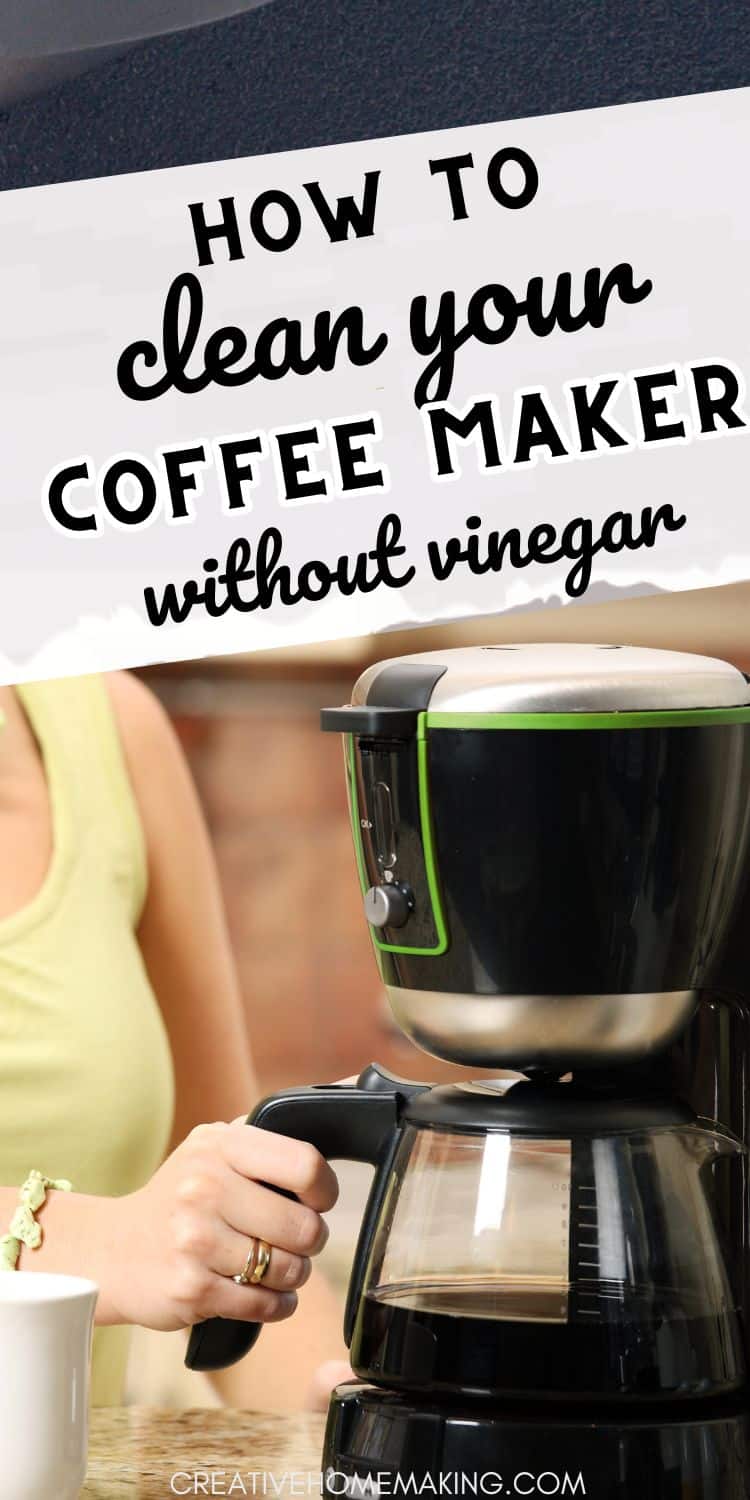
Most home machines are drip style. All the above methods work well, but avoid harsh acids if your machine has aluminum parts.
Drip makers often have removable baskets and carafes. Don’t forget to wash these by hand—dishwashers can sometimes warp plastic parts. For glass carafes with stubborn stains, fill with hot water and a spoon of baking soda, let sit for an hour, then scrub gently.
Single-serve Machines (e.g., Keurig, Nespresso)
These machines have more small parts. Use lemon juice or a commercial descaler for the internal system. Clean the pod holder, water reservoir, and drip tray separately with soapy water. Always remove and clean the needle (where the water comes out) with a paperclip or brush.
Non-obvious tip: Run a water-only cycle after cleaning, even if the manual doesn’t say so. This prevents leftover cleaning solution from mixing with your next cup.
Example: For machines that have reusable pods, wash and scrub them every few days to keep oils from clogging the mesh.
French Press And Pour-over
You don’t need to descale, but do wash all parts with soapy water and scrub off oils with baking soda once a week. Lemon juice can freshen glass and remove coffee stains.
Extra tip: If your French press plunger smells stale, soak it in a lemon juice and water mix for 15 minutes, then rinse.
Espresso Machines
Check your manual before using any acid-based cleaner. Many have metal boilers that react with certain chemicals. Use commercial descalers for these, and always rinse the steam wand and portafilter with soapy water daily.
Pro insight: Even if you don’t make steam drinks, bacteria can grow inside the steam wand. After each use, run hot water through it and wipe down the outside.
Credit: creativehomemaking.com
Common Cleaning Mistakes To Avoid
- Not rinsing enough: Leftover cleaner can affect taste and even be unsafe.
- Using harsh chemicals: Never use bleach or ammonia—they can damage your machine and are unsafe.
- Ignoring the water reservoir: Mold and scale often hide here.
- Forgetting removable parts: Carafes, baskets, and lids need cleaning too.
- Scrubbing with rough pads: These scratch surfaces and encourage bacteria to stick.
- Using hot water on cold glass: This can crack the carafe. Let it cool first.
Extra explanation: One common error is using too much cleaning solution, thinking “more is better.” This just makes rinsing harder and increases the chance of aftertaste. Always measure ingredients.
How Do These Methods Compare?
Here’s a quick look at how the main options stack up for effectiveness, ease, and safety.
| Method | Effectiveness | Odor/Taste | Safety |
|---|---|---|---|
| Baking Soda | Moderate (stains, odors) | Neutral | Very safe |
| Lemon Juice | High (scale, stains) | Fresh, citrus | Safe (rinse well) |
| Commercial Descaler | Very high | None if rinsed | Safe if used as directed |
| Hydrogen Peroxide | High (bacteria, stains) | Neutral, must rinse well | Safe (3% only) |
| Denture Tablets | Moderate (odor, light scale) | Neutral | Safe |
Practical note: For best results, alternate methods every few months. For example, use baking soda one month and lemon juice or descaler the next. This helps break down different types of buildup.
When Should You Replace Your Coffee Maker Instead?
Even the best cleaning can’t save a machine that’s too old or broken. Signs it’s time to buy a new one:
- Water leaks (not just drips)
- Deep cracks in plastic or glass
- Heating plate stops working
- Persistent bad taste after cleaning
- Machine shuts off or won’t brew
Most coffee makers last 3-5 years if cleaned monthly. Higher-end models can last longer, but regular care is always needed.
Insight: If you notice visible rust, or if the machine smells burnt, it’s often safer to replace it than risk further use. Modern machines also tend to be more energy-efficient and easier to clean, so upgrading can improve both taste and convenience.
Hard Water And Coffee Makers: Special Considerations
If you live in an area with hard water, your coffee maker will build up mineral deposits much faster. This can block water flow and cause the machine to overheat. Using filtered or bottled water helps a lot, but regular descaling is still important.
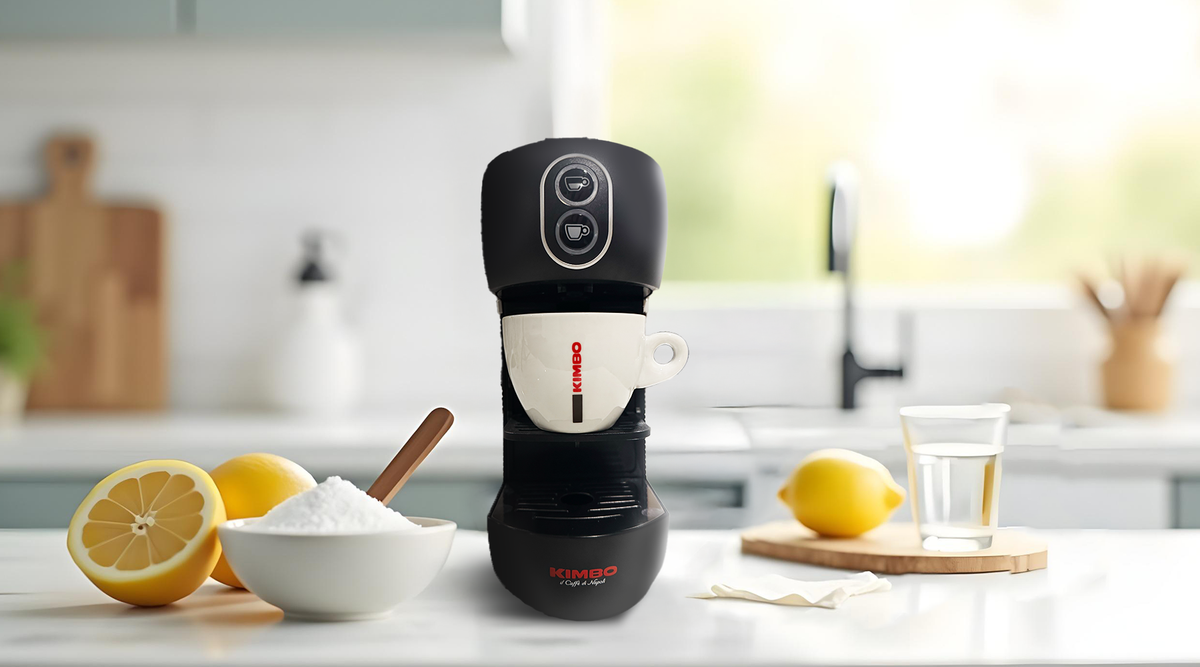
Practical tip: If you see white or chalky spots inside the reservoir or carafe, this is scale. Lemon juice or commercial descalers work best to dissolve it. Avoid baking soda for heavy scale—it’s not acidic enough.
Extra insight: Hard water can even change the flavor of your coffee by reacting with the coffee grounds. If your coffee tastes “flat” or “off,” try switching to filtered water and see if the flavor improves.
Credit: www.kimbocoffee.com
Extra Tricks For A Fresher Coffee Maker
- Place a small bowl of baking soda inside the empty carafe overnight to absorb odors.
- Always leave the reservoir lid open when the machine is off—this prevents mold and mildew.
- If you forget to clean for months, fill the reservoir halfway with lemon juice, let it sit for an hour, then run a cleaning cycle.
- For stubborn stains on glass, rub with a slice of lemon and a pinch of salt, then rinse.
Another tip: Rotate your carafe and basket so that all sides get equal exposure to cleaning solutions. Some stains hide on corners or under the handle.
Is There A Best Cleaning Method?
No one method is perfect for everyone. If you want cheap and easy, use baking soda or lemon juice. For tough buildup, a commercial descaler is worth the cost. For people with allergies, denture tablets or hydrogen peroxide (3%) are best. Always check your machine’s manual—some brands recommend or forbid certain methods.
Your water quality, machine type, and cleaning habits all affect which method will work best for you. Some people find alternating methods every few months keeps their machine cleaner than sticking with just one.
For more details on coffee maker maintenance, you can check the official advice from the National Coffee Association.
Frequently Asked Questions
How Do I Clean A Keurig Or Single-serve Coffee Maker Without Vinegar?
Use lemon juice or a commercial descaler. Mix equal parts lemon juice and water, fill the reservoir, and run a brew cycle without a pod. Rinse by running two cycles with plain water. For commercial descalers, follow the package instructions.
Always clean the removable reservoir, pod holder, and drip tray with soapy water.
Extra tip: Open the needle compartment and gently clear out any trapped grounds with a paperclip or toothpick every few weeks.
Can I Use Dish Soap To Clean The Inside Of A Coffee Maker?
Dish soap is safe for removable parts but not for the internal water system. Soap can be hard to rinse out fully and may leave a taste. Stick to soapy water for carafes, baskets, and lids. Use baking soda, lemon juice, or a descaler for the inside.
Example: If you accidentally add soap to the reservoir, run at least five cycles of plain water to remove any suds or taste before making coffee.
How Do I Remove Mold From My Coffee Maker?
Fill the reservoir with a solution of 1 cup hydrogen peroxide and 1 cup water. Run a full brew cycle, then let it sit for 30 minutes. Rinse with 2-3 cycles of clean water. Scrub removable parts with soapy water and dry them thoroughly.
Always leave the lid open after use to prevent mold.
Non-obvious tip: If mold keeps coming back, check if water sits in the reservoir for days—empty it after each use to avoid moisture buildup.
How Can I Tell If My Coffee Maker Needs Cleaning?
Signs include slow brewing, unusual noises, a sour or burnt coffee taste, white or brown buildup in the reservoir, and cloudy glass. If you haven’t cleaned it in a month or more, it’s time, even if you don’t see these signs.
Extra sign: If you notice your coffee is not as hot as usual, mineral buildup may be blocking the heating element.
Are Commercial Descalers Safe For All Coffee Makers?
Most are safe, but always check your machine’s manual first. Some descalers are not for use with aluminum or certain plastics. Choose a product recommended by your machine’s maker when possible, and always rinse well after cleaning.
Keeping your coffee maker clean without vinegar isn’t hard. With the right routine and solutions, you’ll enjoy fresher, better-tasting coffee every day—no sour smell, no harsh chemicals, and no fuss. Make cleaning part of your habit, and your coffee maker will reward you with many perfect cups to come.