
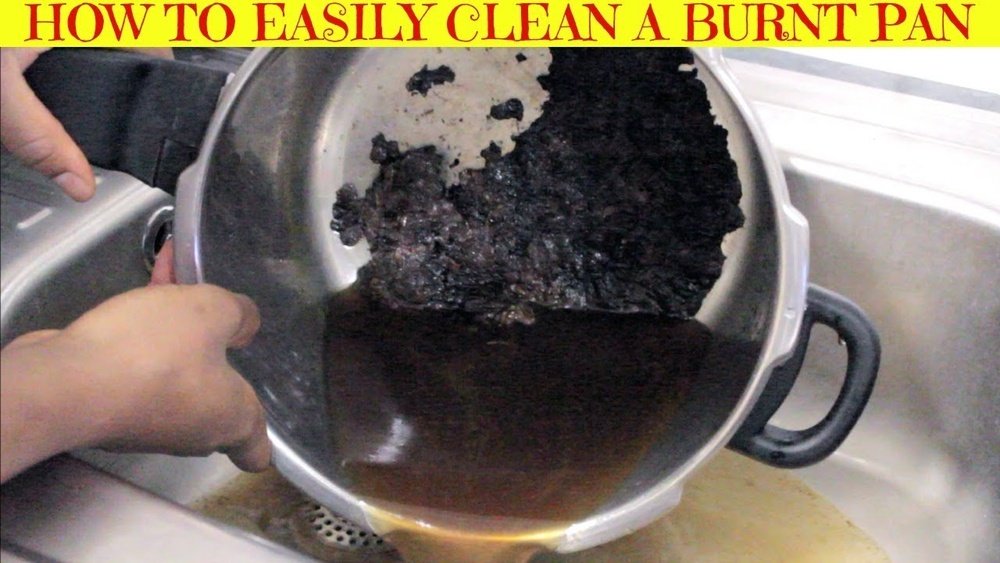
If you own an Instant Pot, you know how much easier it makes cooking. But sometimes, things go wrong—rice sticks, sauces burn, and you’re left with a stubborn, blackened mess at the bottom. You scrub, you soak, but the burn just won’t come off. This situation isn’t just frustrating; it can also affect the taste of your next meal and damage your Instant Pot over time. The good news is: you can clean even the worst burnt-on mess with the right techniques and a little patience.
This guide gives you step-by-step instructions for cleaning a burnt Instant Pot, explains why burning happens, and shows you how to avoid it next time. You’ll learn about the best cleaning products, natural solutions, and what not to do. Whether you’re dealing with a light layer of stuck food or a thick, black crust, you’ll find practical advice here.
And if you want to know how to keep your Instant Pot in top shape for years, you’re in the right place.
Why Does Food Burn In An Instant Pot?
Understanding why food burns in the Instant Pot helps you prevent problems in the future. The Instant Pot is designed to seal in steam and cook quickly, but certain mistakes can lead to burning.
- Not enough liquid: Pressure cooking needs water or broth to generate steam. If you add too little liquid, food can stick and burn.
- Thick sauces or sugars: Tomato sauces, honey, or syrups can burn easily, especially on the bottom.
- Layering ingredients incorrectly: Putting thick or starchy foods at the bottom can block water from reaching the heating element.
- Using the wrong settings: Sauté mode gets very hot. Leaving food on sauté for too long, or using high pressure for delicate items, can cause sticking.
If you see the “burn” warning on your Instant Pot, it’s telling you there’s a problem with temperature at the bottom. Ignoring this can make cleaning much harder later.
What To Do Immediately After Burning Occurs
A quick response makes cleaning easier. If you notice a burning smell or see the burn warning:
- Turn off the Instant Pot right away.
- Release the pressure safely. Use quick release if your recipe allows, but protect your hands from steam.
- Remove the inner pot and transfer unburned food to another container.
- Let the pot cool before cleaning. Never pour cold water on a hot stainless steel pot—it can warp.
- Assess the damage. Is it a thin layer of stuck food, or a thick, burnt crust?
Taking these steps can prevent the burnt layer from getting worse and keeps you safe from steam burns.
Essential Tools And Cleaners For Burnt Instant Pot
Cleaning a burnt Instant Pot is easier when you have the right tools. Here’s what you’ll need:
- Non-scratch scrubber: A sponge with a gentle abrasive side is best. Avoid steel wool, which can scratch stainless steel.
- Soft spatula: Silicone or wood helps scrape without damaging the pot.
- Baking soda: A natural, gentle cleaner that lifts burnt food.
- White vinegar: Helps dissolve tough stains and neutralizes odors.
- Dish soap: Use a mild, grease-cutting formula.
- Instant Pot liner: If you have a spare, you can continue cooking while the burnt pot soaks.
Having these items ready means you won’t need to improvise and risk scratching or damaging your pot.
The Standard Soak And Scrub Method
For most burnt food situations, a simple soak and scrub will do the job. Follow these steps:
- Fill the pot with hot water: Cover the burnt area by at least one inch.
- Add a few drops of dish soap: Swirl to mix.
- Let it soak for 1–2 hours: For light burns, 30 minutes may be enough.
- Use a non-scratch scrubber: Gently scrub in circles, focusing on the burnt spots.
- Rinse and repeat if needed: For stubborn stains, you may need a second soak.
If the burn is thin and recent, this method often works in a single round.
Using Baking Soda For Tougher Stains
Baking soda is a safe, effective way to tackle tougher burnt-on food. It works by breaking down the bond between the burn and the pot.
- Make a paste: Mix 3 tablespoons baking soda with enough water to form a thick paste.
- Spread the paste: Cover the burnt area completely.
- Let it sit: Wait at least 30 minutes—overnight for heavy burns.
- Scrub gently: Use a non-scratch pad or soft spatula.
- Rinse well: All baking soda must be washed away to avoid a gritty texture in the next meal.
This method is safe for stainless steel and avoids harsh chemicals. For very severe burns, repeat the process.
The Boil And Release Cleaning Trick
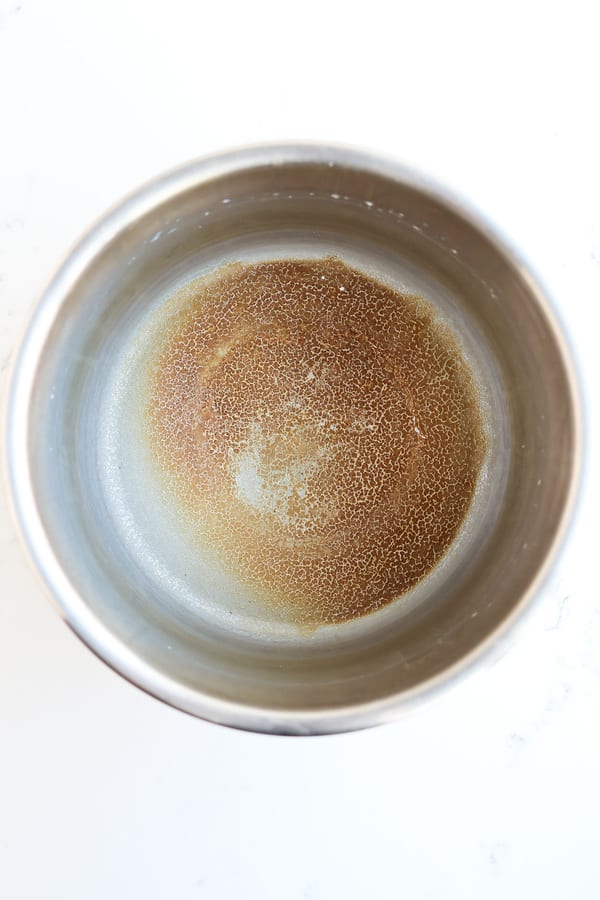
For stuck-on messes that resist soaking, the boil and release method uses the Instant Pot’s own heat to loosen the burn.
- Add water and vinegar: Fill the pot with 2 cups water and 1 cup white vinegar.
- Set to Sauté or Steam: Heat the mixture until boiling, then let it simmer for 5–10 minutes.
- Turn off and cool: Unplug and let the solution cool slightly.
- Scrape gently: Use a silicone spatula to loosen burnt food.
- Wash with soap: Rinse out the loosened mess, then wash as normal.
The vinegar smell will fade quickly and helps remove food odors as well.
Credit: instafreshmeals.com
Cleaning Burnt Sugar And Caramel
Burnt sugar, caramel, or sauces with high sugar content are the hardest to clean. They form a sticky, glass-like layer that’s stubborn.
- Do not scrape aggressively: Scratching can ruin your pot.
- Soak in hot water: Fill with boiling water and let sit for several hours.
- Add baking soda and vinegar: This creates a fizzy reaction that can help lift sugar burns.
- Let it fizz and soak: Wait until the fizzing stops, then let it soak overnight if needed.
- Gently remove residue: Use a spatula or non-scratch scrubber.
Sometimes, sugar burns need two or three rounds of soaking. Patience is key.
Natural Cleaning Solutions For Instant Pot
If you prefer non-chemical cleaners, the Instant Pot is easy to clean with basic kitchen items. Here are three natural solutions:
- Lemon juice: The acid breaks down burnt residue and leaves a fresh scent. Squeeze a lemon into the pot, add water, and let soak.
- Baking soda and vinegar: Safe for stainless steel and effective against most burns.
- Salt paste: For minor burns, make a paste with salt and water, then scrub gently.
Natural solutions are especially helpful if you have allergies or want to avoid strong cleaning products.

Credit: instafreshmeals.com
When To Use Commercial Stainless Steel Cleaners
For extra-shiny pots or severe discoloration, a commercial stainless steel cleaner can help. Use only cleaners labeled as food-safe and rinse thoroughly afterward. Follow the instructions on the product, and don’t use harsh abrasives. These cleaners can restore shine and remove blue or rainbow stains, but they are not needed for most cleaning jobs.
What Not To Do When Cleaning A Burnt Instant Pot
Some cleaning methods can damage your Instant Pot or void your warranty. Here’s what to avoid:
- No steel wool or metal scrapers: These scratch the stainless steel and can cause rust.
- No bleach or oven cleaner: These chemicals are too harsh and unsafe for cookware.
- Don’t soak the electrical base: Only the inner pot is washable. Never submerge the main unit.
- Avoid harsh scouring powders: Some powders contain grit that can scratch.
- Don’t force the lid closed: If the pot is warped or stuck, forcing the lid can break the seal.
Being careful preserves your Instant Pot and keeps it safe for future use.
Table: Common Burn Types And Best Cleaning Methods
To quickly identify the best cleaning method for your situation, use this comparison:
| Burn Type | Best Cleaning Method | Time Needed |
|---|---|---|
| Light stuck-on food | Soak & scrub | 30 minutes to 1 hour |
| Heavy burnt crust | Baking soda paste | 1–8 hours (may repeat) |
| Burnt sugar/caramel | Soak with baking soda & vinegar | Overnight |
| Discoloration (rainbow, blue) | Stainless steel cleaner | 10–30 minutes |
How To Clean The Instant Pot Lid And Sealing Ring
Burnt food odors can get trapped in the lid and sealing ring, especially after a burn. Cleaning these parts helps keep your Instant Pot smelling fresh.
- Remove the sealing ring: Wash in warm, soapy water or place in the dishwasher if it’s dishwasher safe.
- Clean the lid: Wash with a soft sponge and mild soap. Pay attention to the steam release valve and anti-block shield.
- Deodorize: Soak the sealing ring in a mixture of water and vinegar for 15 minutes to remove strong smells.
- Dry thoroughly: Let all parts air dry before reassembling.
Never use harsh chemicals on the silicone ring—it can absorb odors and flavors.
Preventing Burnt Food In The Instant Pot
Prevention saves you time and effort. Here’s how to avoid burnt food in the future:
- Add enough liquid: Always use the minimum amount of liquid required for your model and recipe.
- Deglaze after sautéing: Add a little water and scrape the bottom before switching to pressure mode.
- Layer carefully: Place starchy or thick foods on top, not touching the bottom.
- Use the right settings: Don’t use “sauté” for too long, and don’t cook delicate items on high pressure.
- Check the sealing ring and float valve: Improper sealing can cause loss of pressure and burning.
If you cook often, keep these tips in mind to extend your Instant Pot’s life.
Table: Ingredients Most Likely To Burn In An Instant Pot
Knowing which foods are risky can help you adjust your recipes:
| Ingredient | Why It Burns | How to Prevent |
|---|---|---|
| Tomato sauce | High sugar, thick | Layer on top, add extra water |
| Rice | Starch sticks easily | Rinse rice, add enough liquid |
| Honey/syrup | Caramelizes fast | Add after cooking, not before |
| Thick stews | Poor liquid circulation | Thin with broth, don’t overfill |

Credit: www.youtube.com
Deep Cleaning For Persistent Smells And Stains
Sometimes, even after removing burnt food, you might notice lingering smells or stains. Here’s how to give your pot a deep clean:
- Vinegar steam clean: Add 2 cups water and 1 cup vinegar. Run the “Steam” program for 2 minutes with the lid on. Let it cool, then rinse.
- Baking soda scrub: Sprinkle baking soda on stubborn stains and scrub with a damp sponge.
- Sunlight deodorizing: Leave the clean, dry inner pot in sunlight for a few hours to remove stubborn odors.
This deep cleaning can be done monthly or after especially tough burns.
When To Replace Your Instant Pot Accessories
Even the best cleaning can’t fix everything forever. If you notice:
- Deep scratches or pits: These can harbor bacteria and make burning worse.
- Warped inner pot: Warping affects heating and pressure sealing.
- Cracked sealing ring: This can lead to leaks and more burning.
Replace these parts as needed. Most accessories are available from the manufacturer or online.
The Science Behind Burnt Food Removal
Why do methods like baking soda and vinegar work so well? It’s simple chemistry.
- Baking soda is a mild alkali. It reacts with acids and breaks the bonds in burnt food.
- Vinegar is an acid. It softens mineral deposits and dissolves burnt sugars.
- Heat expands metal, helping release stuck particles.
This is why combinations like “boil and release” or baking soda pastes are so effective, especially with stainless steel.
Comparing Instant Pot Inner Pot Materials
Not all Instant Pots use the same inner pot. The cleaning method may depend on the material.
| Material | Cleaning Ease | Special Notes |
|---|---|---|
| Stainless steel | Easy, safe for scrubbing | Can discolor but not chip |
| Ceramic non-stick | Easiest, wipes clean | No abrasive pads, can scratch |
| Aluminum (rare) | Moderate, can discolor | Don’t use acidic cleaners |
Always check your Instant Pot manual to confirm your inner pot type.
Non-obvious Insights For Cleaning Burnt Instant Pot
- Letting the pot cool before cleaning makes a big difference. Sudden temperature change (pouring cold water on hot steel) can warp the pot, causing uneven cooking and more burns later.
- Cooking with a liner (like a silicone or parchment liner) can prevent most burns, but it’s not suitable for all recipes—use only for foods that won’t melt or react with the liner.
- Use a plastic scraper designed for non-stick pans to gently lift burnt residue without scratching. Many people reach for metal utensils, which can make things worse.
Troubleshooting: If Your Instant Pot Keeps Burning
If you’re cleaning often because of repeated burns, it’s time to investigate:
- Check the heating element: Residue or damage can cause uneven heating.
- Review your recipes: Some online recipes are not tested for Instant Pot and might not have enough liquid.
- Update your firmware: Some newer models have software that manages heat better. Check the manufacturer’s site for updates.
- Call customer support: If your Instant Pot still burns food after cleaning and troubleshooting, there might be a defect.
Expert Tips For A Sparkling Clean Instant Pot
- Clean after each use: Even if there’s no burn, wipe out residue to prevent build-up.
- Dry thoroughly: After washing, let the pot and accessories air dry before storing.
- Store with the lid upside down: This prevents moisture and odors from building up.
- Use a dedicated sponge: Don’t use the same sponge for dishes and your Instant Pot—cross-contamination can cause smells or damage.
When Professional Help Is Needed
If you have tried every cleaning method and your pot is still blackened or smells bad, you might need professional help. Appliance repair shops can sometimes polish stainless steel or check for hidden damage. However, for most users, replacing the inner pot is easier and more cost-effective.
For more information on Instant Pot cleaning and safety, you can visit the official Instant Pot website.
Frequently Asked Questions
How Do I Remove Blue Or Rainbow Discoloration From My Instant Pot?
Blue or rainbow stains are common on stainless steel and are caused by minerals in water or overheating. They are harmless but can be removed using a vinegar soak or a stainless steel cleaner. Simply fill the pot with 1 cup vinegar and 2 cups water, let it sit for 30 minutes, and scrub gently.
Can I Put My Burnt Instant Pot Inner Pot In The Dishwasher?
Yes, most Instant Pot stainless steel and non-stick inner pots are dishwasher safe. However, burnt food may not come off in one cycle. Pre-soak and scrub before running the dishwasher for best results. Check your manual for specific recommendations.
Is It Safe To Use Bar Keepers Friend Or Similar Powders?
Bar Keepers Friend is safe for stainless steel if used as directed—apply with a damp sponge, not a dry powder, and rinse thoroughly. Do not use on non-stick, ceramic, or aluminum pots, as it may scratch or damage the surface.
Can I Use Lemon To Remove Odors From The Instant Pot?
Yes, lemon juice is a natural deodorizer. Fill the pot with water, add sliced lemon, and run a steam cycle for 2 minutes. Rinse and dry well. Lemon also helps remove minor stains.
My Pot Keeps Burning Food Even After Cleaning. What Should I Do?
Persistent burning may be due to insufficient liquid, a damaged inner pot, or incorrect recipes. Check that you’re following Instant Pot guidelines, inspect for scratches or warping, and try using more liquid. If the issue continues, contact Instant Pot customer support.
Cleaning a burnt Instant Pot doesn’t have to be a struggle. With these methods and tips, you can keep your appliance spotless, safe, and ready for any recipe—no matter how adventurous your cooking gets.