
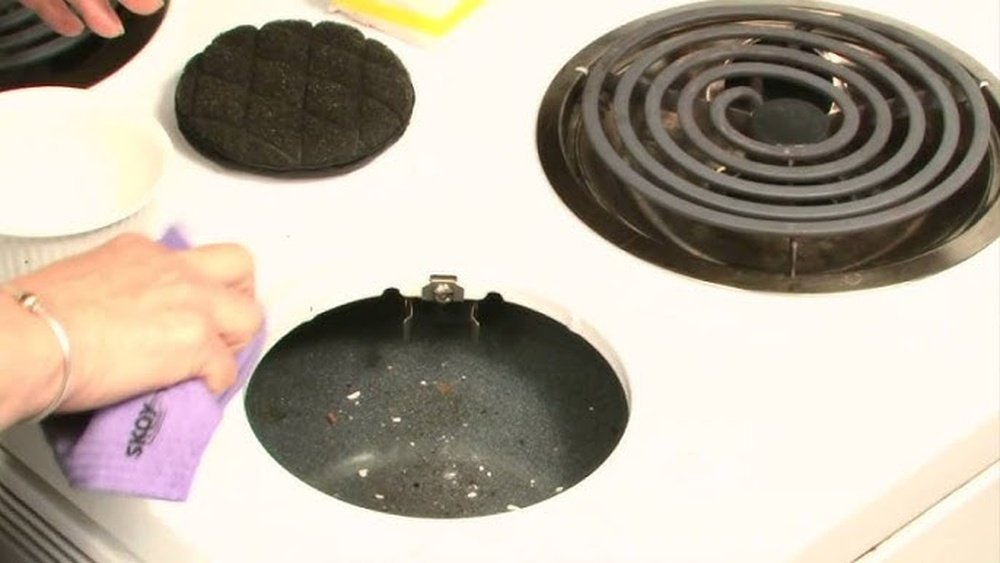
Cleaning a porcelain stove top can feel like a challenge, especially when you want to keep it shiny and scratch-free. Many people worry about damaging the smooth surface or leaving stains behind. But with the right techniques and products, you can keep your porcelain stove top looking new for years.
This guide will walk you through every step, from daily care to deep cleaning and even stain removal. You’ll also learn what mistakes to avoid, which tools to use, and how to deal with stubborn problems. Whether you’re a new homeowner or just want to improve your cleaning routine, you’ll find everything you need to know right here.
Understanding Porcelain Stove Tops
Porcelain stove tops are popular in homes around the world. They are known for their glossy finish, strong resistance to heat, and stylish appearance. But, unlike some materials, porcelain can scratch or chip if not handled with care. It’s a type of ceramic that is coated with a glass-like glaze, making it both attractive and practical. However, this glaze can wear down if harsh cleaners or rough sponges are used.
Many people confuse porcelain with enamel or glass stove tops. While all can look similar, porcelain has its own cleaning needs. Using the wrong cleaning method can cause more harm than good, which is why understanding your stove top is the first step to successful cleaning.
Why Regular Cleaning Matters
Cleaning your porcelain stove top regularly does more than just make it look good. It extends the life of the surface and keeps your kitchen safe. Spilled food and grease can burn onto the stove top, becoming harder to remove over time.
This not only makes cleaning difficult but can also affect how well your stove works.
Burnt-on stains may release odors or even smoke when you cook. In some cases, if you leave spills for too long, they can lead to permanent discoloration or damage to the porcelain coating. Regular cleaning prevents this buildup and keeps your cooking area hygienic.
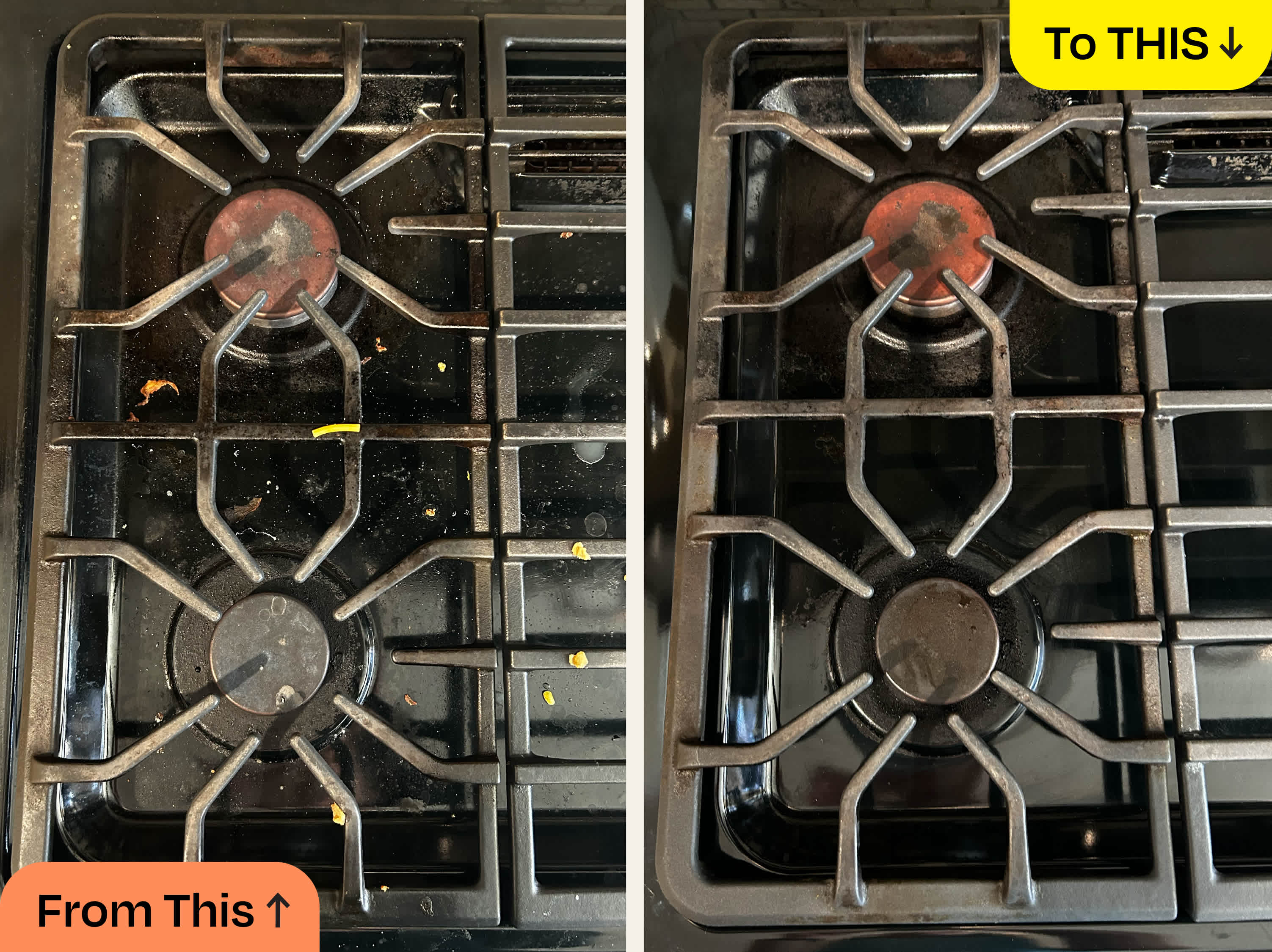
Credit: www.thekitchn.com
Tools And Products You Will Need
Before you start cleaning, it’s important to gather the right tools and products. Here is a quick overview:
- Soft sponges or non-abrasive scrubbers
- Microfiber cloths for wiping and polishing
- Mild dish soap
- White vinegar
- Baking soda
- Plastic scraper (optional, for stubborn residue)
- Spray bottle
- Paper towels
- Warm water
- Commercial porcelain stove top cleaner (optional)
Never use steel wool, metal scrapers, or harsh chemical cleaners. These can scratch or dull the surface quickly. Also, avoid colored sponges that might bleed dye onto your stove top.
Common Mistakes To Avoid
- Using abrasive pads or powders
- Applying bleach or ammonia-based cleaners
- Scraping with metal tools
- Letting spills sit for days
- Not drying the surface after cleaning
Avoiding these mistakes will help you keep your stove top looking its best.
Step-by-step Cleaning Process
1. Let The Stove Top Cool Down
Always wait until your stove top is completely cool before cleaning. Cleaning a hot surface can cause burns or spread stains.
2. Remove Loose Debris
Use a dry microfiber cloth or a paper towel to wipe away loose crumbs, dust, or burnt bits. This prevents scratching during the wet cleaning steps.
3. Prepare Your Cleaning Solution
For daily cleaning, mix a few drops of mild dish soap with warm water in a bowl or spray bottle. For tougher stains, you can use a mixture of equal parts white vinegar and water.
4. Wipe The Surface
Dip your soft sponge in the cleaning solution and wring it out well. Gently wipe the stove top in a circular motion. Don’t scrub too hard—let the solution do the work.
5. Handle Tough Spots
If you find stubborn spots, sprinkle a small amount of baking soda on the area. Then, lay a damp cloth over the baking soda for 10–15 minutes. The combination helps break down dried-on food without scratching.
After soaking, gently rub with your sponge. For very tough stains, use a plastic scraper at a low angle to lift the residue. Never use a metal scraper.
6. Rinse And Wipe
Use a clean, damp microfiber cloth to remove any soap or baking soda left behind. Rinse the cloth often to avoid spreading residue.
7. Dry And Polish
Wipe the stove top dry with a fresh microfiber cloth. This step prevents water spots and streaks, keeping the surface shiny.
Dealing With Different Types Of Stains
Porcelain stove tops can collect various stains from cooking. Here are some common ones and how to remove them:
Grease Stains
Mix a few drops of dish soap with hot water. Wipe with a sponge, then rinse and dry. For extra greasy spots, add a little vinegar to the mix.
Burnt-on Food
Sprinkle the area with baking soda and spray with water. Let it sit for 15–20 minutes. Use a plastic scraper to gently lift the food, then clean as usual.
Water Spots
Wipe with a 50/50 mix of white vinegar and water. Polish with a dry cloth.
Sugar Spills
Let the stove cool, then carefully remove as much sugar as possible. Place a wet cloth over the sticky area for 10 minutes. Clean with soap and water.
Rust Marks
Rare, but if you see rust, make a paste with baking soda and water. Rub gently and rinse well.
Comparison Of Cleaning Methods For Common Stains
Here’s a quick look at how different methods perform for stubborn stains:
| Stain Type | Best Cleaner | Time Needed | Scrubbing Intensity |
|---|---|---|---|
| Grease | Dish soap + vinegar | 5–10 min | Low |
| Burnt food | Baking soda + water | 15–20 min | Medium |
| Water spots | Vinegar solution | 2–5 min | Low |
| Sugar spill | Warm water soak | 10–15 min | Low |
| Rust | Baking soda paste | 10–15 min | Low |
Deep Cleaning Your Porcelain Stove Top
Sometimes, a regular wipe isn’t enough. If you notice dullness, stains that won’t budge, or a sticky feel, try a deep cleaning.
Steps For Deep Cleaning
- Remove all removable parts, such as burner grates or knobs (if safe to do so).
- Soak these parts in warm, soapy water for 20–30 minutes.
- Clean the stove top surface with a mix of baking soda and water. Spread the paste, let it sit for 20 minutes, then gently scrub.
- Rinse with a damp cloth.
- Dry and polish with a microfiber towel.
When To Deep Clean
- Once a week if you cook daily
- After heavy spills or burnt-on messes
- When you see visible buildup
Deep cleaning helps keep the porcelain finish bright and smooth.

Credit: www.reddit.com
Caring For Burners, Grates, And Knobs
Many porcelain stove tops have removable burners, grates, and knobs. These need special care, too.
Cleaning Burners And Grates
Check if your grates are porcelain-coated or plain cast iron. Porcelain-coated grates can usually be washed in warm, soapy water. Scrub gently with a sponge and rinse well. For stuck-on food, try soaking overnight.
Plain cast iron grates should not soak too long. Dry them fully to prevent rust.
Cleaning Knobs
Wipe knobs with a damp cloth and a little dish soap. Avoid letting water drip behind the knobs, as this can damage electrical parts. If knobs are removable, wash them in the sink and dry before replacing.
Comparison Of Part Durability
Here’s how different stove top parts handle cleaning:
| Part | Best Cleaning Method | Risk of Damage | Drying Time |
|---|---|---|---|
| Porcelain surface | Microfiber + mild soap | Medium (scratches) | Short |
| Grates (porcelain) | Soak + sponge | Low | Medium |
| Grates (cast iron) | Quick wash | High (rust) | Long |
| Knobs | Wipe with cloth | Low | Short |
Preventing Scratches And Chips
Porcelain is tough, but not indestructible. Taking a few precautions can help you avoid scratches, chips, or dull spots.
- Always use soft cloths and sponges.
- Avoid dragging pots or pans across the surface.
- Never cut food directly on the stove top.
- If a chip appears, avoid using the area for cooking until repaired.
- Don’t stack heavy objects on the stove when not in use.
Many people forget that even a small grain of sand can scratch porcelain. Wipe up crumbs and grit before cleaning with water.
Natural Cleaning Solutions For Porcelain Stove Tops
Many households prefer using natural cleaners for health or environmental reasons. The good news is that porcelain surfaces respond well to simple, kitchen-based solutions.
Vinegar And Baking Soda
These two staples work together to tackle most stains and odors. Vinegar cuts grease, while baking soda gently scrubs.
- For everyday cleaning: Mix equal parts vinegar and water in a spray bottle.
- For tough spots: Sprinkle baking soda, spray with vinegar, and let fizz before scrubbing.
Lemon Juice
Lemon juice can help remove mild stains and adds a fresh scent. Wipe the stove top with a cloth dipped in lemon juice, then rinse and dry.
Salt Paste
For sticky or burnt-on spots, make a paste with salt and water. Apply, let sit for a few minutes, then scrub gently.
Comparison Of Natural Vs. Chemical Cleaners
A quick look at how natural and chemical cleaners perform:
| Cleaner Type | Effectiveness | Surface Safety | Odor |
|---|---|---|---|
| Natural (vinegar, baking soda) | High (most stains) | Very safe | Low to none |
| Chemical (commercial cleaners) | Very high (all stains) | Medium (can damage if misused) | Strong |
Natural solutions are usually best for regular maintenance, while commercial products may help with severe buildup.
What To Do When Porcelain Is Damaged
If your stove top does get scratched or chipped, it’s important to act quickly.
- For small scratches: Clean the area, then apply a porcelain repair kit (available in hardware stores). Let it dry fully before using.
- For chips: Avoid using the burner until repaired. Deep chips may need professional attention.
- For dull spots: Try a porcelain-safe polish to restore shine.
Never use super glue or household adhesives on cooking surfaces—they can release harmful fumes when heated.
Tips For Keeping Your Stove Top Looking New
A few simple habits can keep your porcelain stove top in top shape:
- Wipe spills immediately after cooking (once cool).
- Do a quick clean after every use, even if there are no visible stains.
- Use burner liners or covers to catch drips.
- Avoid leaving pans or utensils on the stove top.
- Check regularly for signs of scratches or chips.
Consistent care prevents heavy buildup and keeps cleaning sessions short.
When To Call A Professional
Most cleaning can be done at home, but sometimes you need expert help. Call a professional if:
- You see large cracks or chips in the porcelain
- Stains will not come off after several cleaning attempts
- The stove top has electrical or gas issues
A professional can safely repair or replace damaged parts and advise on long-term care.
How Often Should You Clean?
Frequency matters more than many realize. Here’s a practical schedule:
- Daily: Wipe down after each use
- Weekly: Deep clean burners, grates, and surface
- Monthly: Check for chips, polish surface, and clean hard-to-reach spots
Regular cleaning is faster and more effective than waiting until the stove is heavily soiled.
Non-obvious Insights For Beginners
Many beginners overlook these important points:
- Residue Under Burners: Food and grease can drip under burners or edges. Remove parts and clean beneath regularly.
- Drying Is Key: Leaving the stove top wet can cause water spots or even rust under certain conditions. Always dry with a microfiber cloth.
- Check Cleaning Product Labels: Some products claim to be “multi-surface” but may still scratch porcelain. Look for “porcelain-safe” on the label.
- Don’t Rush: Letting baking soda or vinegar sit for several minutes often does more than scrubbing hard.
- Use Two Cloths: One for cleaning, one for drying. This avoids spreading dirt or streaks.
Further Learning
If you want to dive deeper into the chemistry of porcelain or safe cleaning agents, you can explore resources like the Wikipedia Porcelain page.
Frequently Asked Questions
How Do I Remove Burnt-on Food From My Porcelain Stove Top?
Let the stove cool, then sprinkle baking soda on the burnt area. Dampen with water and let sit for 15–20 minutes. Use a plastic scraper or sponge to gently lift the food. Repeat if needed, then rinse and dry.
Can I Use Glass Cleaner On A Porcelain Stove Top?
It’s usually safe for light cleaning, but not for heavy stains. Avoid products with ammonia, as they can dull the glaze over time. For best results, use cleaners labeled porcelain-safe.
What Should I Do If My Porcelain Stove Top Gets Scratched?
Clean the area, then apply a porcelain repair kit following the instructions. For deep scratches or chips, contact a professional for repair.
Are Commercial Stove Top Cleaners Safe For Porcelain?
Some are, but always check the label for “porcelain-safe. ” Avoid cleaners with abrasive powders or strong acids, as they can cause scratches.
How Often Should I Deep Clean My Porcelain Stove Top?
If you use your stove daily, deep clean once a week. If you cook less often, every two weeks is enough. Always clean after major spills or when stains appear.
Caring for your porcelain stove top doesn’t have to be stressful. With the right tools, habits, and a little patience, you can keep it shining for years. Remember, gentle cleaning works best, and regular care always pays off. Whether you’re facing a stubborn stain or just want to prevent damage, these steps will help you enjoy a clean, safe kitchen every day.

Credit: www.luce.sg