
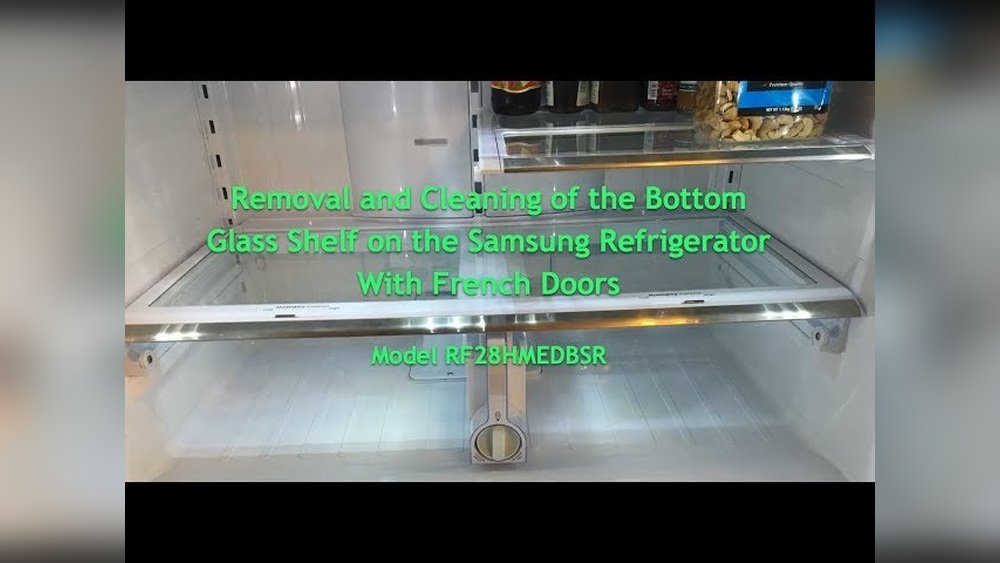
Keeping your Samsung refrigerator clean is not just about appearance—it’s about safety and food quality. One area that often gets overlooked is the bottom shelf. This space can quickly become a collection point for spills, crumbs, and forgotten leftovers. If you’ve ever opened your fridge and noticed sticky patches or unpleasant smells, the bottom shelf is likely the culprit. Learning how to clean this part of your Samsung refrigerator properly will help protect your food, reduce bacteria, and extend the life of your appliance.
Many people think cleaning the bottom shelf is a quick wipe-and-go job. In reality, doing it right requires the correct tools, patience, and some insider know-how. This article will give you a step-by-step guide, explain why the bottom shelf gets so dirty, help you avoid common mistakes, and share tips to keep your refrigerator fresh longer.
Whether you are a busy parent, a student, or someone who just wants a healthier kitchen, you’ll find practical advice you can use today.
Why The Bottom Shelf Matters
It’s easy to ignore the bottom shelf. But it’s where many accidents happen. Leaks from meat, spilled milk, and forgotten vegetables often end up here. The cold air in a Samsung refrigerator circulates from the top down, so the bottom shelf is colder and can trap moisture. This creates a perfect environment for bacteria and mold.
Old spills can start to smell and may even cause food poisoning if not cleaned. Keeping this area clean means a safer, more efficient refrigerator and fresher food. Many Samsung models have removable shelves, making cleaning easier—but you need to know how to do it right to avoid damage.
Tools And Supplies You Need
Cleaning the bottom shelf is easier if you have the right tools. Here’s what you’ll need:
- Soft sponge or microfiber cloth – For wiping surfaces without scratching.
- Mild dish soap – Strong cleaners can damage shelves or leave smells.
- White vinegar or baking soda – For stubborn stains or odors.
- Old toothbrush – For scrubbing corners and seals.
- Towel or drying rack – For air drying shelves.
- Spray bottle – For mixing and applying cleaning solutions.
- Gloves – Protect your hands from cold and chemicals.
Some people use commercial fridge cleaners, but always check if they’re safe for plastic and glass before use.
Preparing Your Samsung Refrigerator
Before cleaning, you must prepare your refrigerator. This step is often skipped but is very important for safety and results.
- Unplug the fridge or switch off power. This prevents any electrical accidents and keeps you safe if you need to remove shelves.
- Remove all items from the bottom shelf. Take out food containers, bottles, and anything stored on the shelf. Put perishable items in a cooler if you plan to leave the fridge open for more than 20 minutes.
- Check expiration dates. Throw away anything that is expired or spoiled. This is a good time to declutter your fridge.
- Remove the bottom shelf and crisper drawers. Most Samsung refrigerators have shelves that slide out. Lift gently and pull toward you. If it’s stuck, check the user manual for guidance.
- Let glass shelves come to room temperature. If you wash a cold glass shelf with hot water, it could crack. Wait 10-15 minutes before cleaning.
Step-by-step Cleaning Guide
Now you’re ready to clean the bottom shelf of your Samsung refrigerator. Follow these steps for the best results.
1. Wash Removable Parts
Take the shelf and any drawers to the sink. Use warm (not hot) water and mild dish soap. Scrub with a sponge or cloth. For sticky stains, let the shelf soak for 10 minutes. Use an old toothbrush for corners or tracks where crumbs collect.
If there are stubborn odors, sprinkle baking soda on the shelf and scrub gently. Rinse with clean water and dry completely with a towel or drying rack.
2. Clean The Inside Of The Fridge
While the shelf is out, clean the area where it sits. Spray a mix of water and a little vinegar (about 1 part vinegar to 3 parts water) inside the fridge. Wipe down with a microfiber cloth, paying attention to corners and seams.
For sticky spots, let the cleaner sit for a few minutes before wiping. Use a toothbrush to clean around the door seals and shelf tracks. Dry with a clean towel.
3. Address Mold Or Tough Stains
If you see black spots (mold) or dried spills that won’t come off, make a paste of baking soda and water. Apply to the stain, let it sit for 10 minutes, then scrub gently. Rinse and dry.
Never use bleach inside your refrigerator—it can damage the plastic and leave harmful residues.
4. Clean Under The Bottom Shelf
Many people forget to clean under the bottom shelf or crisper drawers. Crumbs and spills can hide here and cause smells. If possible, remove the drawers completely. Wipe the floor and walls of the fridge with your vinegar solution.
5. Reassemble And Reload
Once everything is dry, put the shelf and drawers back in place. Plug the fridge back in, wait for it to cool, and return your food. This is a good time to organize food so that older items are in the front and nothing blocks the cold air vents.
Special Cleaning Tips For Samsung Models
Samsung refrigerators come in different designs: side-by-side, French door, top freezer, and more. Each has its own shelf and drawer system.
French Door Models
French door models often have large, deep bottom shelves. These can be heavy when full. Always empty them before lifting. If you’re not sure how to remove the shelf, check for a release lever or consult your manual.
Side-by-side Models
Side-by-side fridges sometimes have shelves that tilt or slide. Be gentle—forcing the shelf can break the support pegs. Take note of how the shelf fits so you can replace it correctly.
Bottom Freezer Models
If your Samsung has a freezer drawer below the fridge, clean the fridge section first. The bottom shelf may be narrower, but crumbs often fall down the back. Use a vacuum with a crevice tool to clean hard-to-reach spots.
Smart Fridge Models
Some Samsung smart refrigerators have touch screens and electronic sensors. Be careful not to get these wet. Only clean screens with a dry microfiber cloth.
How Often Should You Clean The Bottom Shelf?
Most experts recommend cleaning the bottom shelf every month. However, spills and leaks should be cleaned right away to prevent stains and smells. If you have children or store a lot of fresh produce, you may need to clean more often.
Cleaning Frequency Comparison
Here’s a simple comparison of how often different parts of your refrigerator should be cleaned:
| Fridge Part | Recommended Cleaning Frequency |
|---|---|
| Bottom shelf | Every 1 month |
| Crisper drawers | Every 2 weeks |
| Door seals | Every 2 months |
| Freezer | Every 3 months |
| Exterior handles | Weekly |
Mistakes To Avoid When Cleaning
It’s easy to make mistakes that can damage your fridge or make cleaning harder next time. Watch out for these common errors:
- Using hot water on cold glass – Sudden temperature changes can crack the shelf.
- Scrubbing with harsh pads – Steel wool or scouring pads can scratch plastic and glass.
- Ignoring the seals – Dirty door seals can lead to air leaks and higher energy use.
- Not drying before reassembly – Moisture can cause mold or freeze inside the fridge.
- Using strong chemicals – Ammonia or bleach can damage surfaces and leave smells.
How To Deal With Bad Odors
Even after cleaning, sometimes bad smells return. This usually means something is still hiding in the fridge. Here’s how to deal with it:
- Place an open box of baking soda on the bottom shelf to absorb odors.
- Use a shallow bowl of coffee grounds or activated charcoal for stronger smells.
- Always check the drip tray (if your model has one) under the fridge, as spills can collect there.
If odors persist, clean the entire fridge and check for mold in hidden corners.

Credit: www.samsung.com
Preventing Future Messes
A clean bottom shelf is easier to keep clean with these habits:
- Store raw meat and fish in sealed containers or on a tray.
- Use fridge liners or mats that can be removed and washed.
- Label leftovers with dates so you remember to use them.
- Wipe up small spills right away instead of waiting for cleaning day.
- Don’t overload the shelf—air needs to circulate for even cooling.
What Makes Samsung Refrigerator Shelves Different
Samsung is known for quality and modern design. Their refrigerator shelves are usually made from tempered glass or strong plastic. This means they’re built to last but still need gentle care.
Samsung shelves often have:
- Easy-slide tracks for simple removal
- Raised edges to contain spills
- Custom-fit shapes for different models
If you ever need a replacement shelf, use the model number to order the correct size. Never force a shelf if it doesn’t fit—it could break the supports.
Troubleshooting: Shelf Won’t Come Out
Sometimes the bottom shelf is stuck. Here’s what to do:
- Check if there is ice or food blocking the track.
- Make sure you are pulling in the right direction—some shelves lift before sliding out.
- If it’s still stuck, turn off the fridge and let it warm up for 30 minutes.
- Use a plastic spatula (not metal) to gently loosen the edges.
If the shelf is damaged, contact Samsung support before trying to repair it yourself.
Cleaning The Bottom Shelf Vs Other Fridge Parts
Is cleaning the bottom shelf any different from cleaning other parts of your Samsung refrigerator? Yes, and here’s why:
- Spills collect here more often due to gravity.
- The bottom shelf is closer to drawers, which means more crumbs and liquid leaks.
- It can be harder to see, so dirt builds up unnoticed.
Here’s a quick comparison:
| Fridge Part | Type of Dirt | Best Cleaning Method |
|---|---|---|
| Bottom shelf | Spills, stains, odors | Remove, wash, deodorize |
| Door shelves | Sticky spots, crumbs | Wipe, rinse in sink |
| Drawer interiors | Produce residue, slime | Soak, scrub with brush |
| Top shelves | Spills, dust | Wipe with damp cloth |

Credit: www.reddit.com
How To Organize The Bottom Shelf For Easy Cleaning
Organization makes cleaning faster and helps prevent messes. Try these ideas:
- Use clear bins for grouping similar items (like yogurts or sauces).
- Put a tray under items that might leak (like meats or thawing food).
- Leave space between items for air to flow and for easy wiping.
- Rotate food so older items are used first.
With a little planning, you’ll spend less time cleaning and have fewer surprises when you open the fridge.
What To Do If You Find Mold
Finding mold inside your fridge can be worrying, but it happens. Here’s how to handle it:
- Remove all items near the mold. Throw away any food that looks or smells bad.
- Clean the shelf and surrounding area with a baking soda paste.
- Make sure everything is completely dry before replacing food.
- If mold returns, check that your fridge is cold enough (usually 37–40°F).
Mold in the fridge is usually from spills or high moisture. Keeping the seals clean and the temperature low helps prevent its return.
When To Replace The Shelf
Samsung refrigerator shelves are tough, but they can break or crack. Replace the shelf if:
- You see deep cracks or chips.
- The glass feels loose in the frame.
- Food keeps sliding or the shelf doesn’t sit flat.
Order a replacement from Samsung or a trusted supplier. Don’t use a broken shelf—it could shatter and ruin your food.
Should You Use Fridge Mats?
Fridge mats are thin, washable liners that sit on the shelf. They can make cleaning much easier, especially on the bottom shelf. Here are the pros and cons:
| Fridge Mats | Pros | Cons |
|---|---|---|
| Reusable mats | Easy to clean, protect shelf | May slide out of place |
| Disposable liners | Quick to change | Extra cost, not eco-friendly |
If you use mats, wash or replace them every time you clean the shelf.
How To Clean Without Removing The Shelf
Sometimes, you can’t remove the bottom shelf because it’s stuck or you’re in a hurry. In this case:
- Use a spray bottle to apply cleaner directly to the shelf.
- Wipe with a microfiber cloth, using a toothbrush for corners.
- Dry with a towel and leave the door open for a few minutes to air out.
This method is not as thorough but works for quick cleanups.
Extra Tips For Busy Households
If you have a large family or roommates, the fridge can get dirty fast. Here’s how to keep the bottom shelf clean:
- Assign a cleaning day each week for quick wipe-downs.
- Set a reminder on your phone to check for spills.
- Encourage everyone to use containers and label their food.
Small daily habits make a big difference over time.
Environmental Impact Of Cleaning Products
When cleaning your Samsung refrigerator, think about the environment. Many household cleaners contain chemicals that are not good for your health or the planet. Use simple, natural products like vinegar and baking soda. They are safe, cheap, and work well.
Samsung recommends avoiding harsh chemicals to protect the finish of your fridge. Always rinse surfaces with water after using any cleaner.
When To Call A Professional
Most cleaning can be done yourself. But call a professional if:
- The shelf or drawer is damaged and you can’t fix it.
- There’s a strong, persistent smell you can’t find.
- The fridge is making strange noises or not cooling after cleaning.
Samsung’s customer service can help with repairs and troubleshooting. For more information, visit the official Samsung support page.

Credit: www.youtube.com
Frequently Asked Questions
How Do I Remove Stubborn Stains From The Bottom Shelf?
Make a paste of baking soda and water. Apply it to the stain and let it sit for 10 minutes. Scrub gently with a sponge or toothbrush, then rinse and dry. This method is safe for glass and plastic.
Can I Use Bleach To Clean My Samsung Refrigerator?
No. Bleach is too harsh for the interior of your refrigerator and can leave harmful residues. Use mild dish soap, vinegar, or baking soda instead.
How Do I Clean Under The Crisper Drawers?
Remove the drawers if possible. Use a spray bottle with vinegar solution and a cloth to wipe the area. For crumbs, use a small vacuum or a brush. Be sure to dry the surface before replacing the drawers.
What Should I Do If My Shelf Is Stuck?
Check for anything blocking the shelf, like ice or food. Let the fridge warm up for a short time if needed. Use a plastic spatula to gently loosen the shelf. Never force it or use metal tools.
How Do I Keep The Bottom Shelf Clean Longer?
Use fridge liners, store messy foods in containers, and clean up spills right away. Regularly check and organize your shelf to prevent old food from leaking or spilling.
A clean bottom shelf can make a big difference in the freshness of your food and the efficiency of your Samsung refrigerator. With the right tools, a little time, and good habits, you’ll keep your fridge safe and fresh for everyone in your home.