
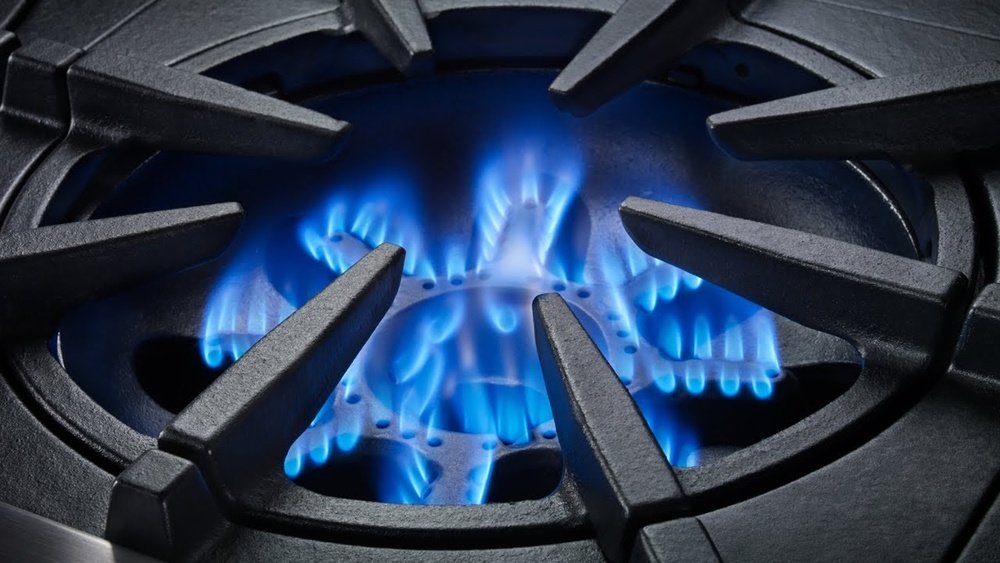
Keeping your Bluestar stove top clean is more than just about looks. It protects your investment, keeps your kitchen safe, and makes cooking more enjoyable. Bluestar stoves are famous for their powerful burners and robust build, but their professional-grade features can make cleaning feel a bit intimidating. If you own one, you know spills, grease, and burnt food can add up fast—especially after a busy week of cooking. But with the right approach, you can keep your Bluestar stove top sparkling, working efficiently, and looking as impressive as the day you bought it.
This guide explains everything you need to know about cleaning a Bluestar stove top. You’ll learn about the materials and tools you need, the safest cleaning agents, and how to tackle every part—from the grates to the burners. We’ll also share insider tips most beginners miss, and provide clear guidance for both deep and daily cleaning. If you’re tired of stubborn stains or worried about damaging your appliance, you’ll find practical answers here. Ready to restore your Bluestar’s shine? Let’s get started.
Understanding Your Bluestar Stove Top
Bluestar stove tops are not like regular home ranges. Their open burner system allows for higher heat and better control, but it also means spills and food debris can fall into hard-to-reach spots. Most Bluestar models feature cast iron grates and porcelain-coated drip trays, both of which need special care. The burners are usually made of brass or cast iron, which means they can discolor or corrode if not cleaned properly.
Recognizing these materials is crucial because using the wrong cleaning methods can cause permanent damage. For instance, using harsh chemicals on brass can strip its finish, and soaking cast iron in water too long can lead to rust. Many owners think they can use any kitchen cleaner, but Bluestar stoves require a more tailored approach.
Essential Cleaning Supplies And Safety
Before you start, gather the right tools and cleaning agents. This will help you clean efficiently and avoid mistakes that could harm your stove.
Cleaning supplies you’ll need:
- Non-abrasive sponge or microfiber cloths
- Soft-bristled brush (toothbrush works well)
- Warm soapy water (mild dish soap)
- White vinegar
- Baking soda
- Paper towels or lint-free cloths
- Toothpicks or bamboo skewers (for tight spaces)
- Rubber gloves (optional, for sensitive skin)
What to avoid:
- Steel wool or abrasive pads (scratch surfaces)
- Harsh chemicals like oven cleaner, bleach, or ammonia
- Cleaning agents with citrus or lemon oils (can damage coatings)
- Metal scrapers
Safety first:
Always make sure all burners are completely off and cool before cleaning. If your stove was recently used, wait at least 30 minutes before starting. If you need to clean under the surface, disconnect the stove from its gas source for extra safety.

Credit: www.reddit.com
Daily Cleaning For Bluestar Stove Tops
A little attention each day prevents heavy buildup and keeps your stove top ready for anything.
- Wipe after cooking: Once the surface is cool, use a damp microfiber cloth to remove spills, splatters, and crumbs. This stops stains from baking onto the surface.
- Check burner ports: Gently brush away any food debris from the burner holes. Clogged ports can affect flame quality.
- Spot clean grates: If you notice grease on the grates, quickly wipe with a cloth dampened in warm soapy water. Dry thoroughly to avoid rust.
- Clean knobs and controls: Grease can build up here. Use a damp cloth and mild soap, but never spray cleaner directly onto the control panel.
Pro tip: Most people forget to clean underneath the burners. Lifting the grates and quickly wiping this area stops grease from hardening.
Deep Cleaning The Bluestar Stove Top
Even with daily care, your Bluestar needs a deep clean about once a month—or more if you cook frequently. Deep cleaning removes hidden grime and keeps every part working smoothly.
Step 1: Remove Grates And Burner Caps
Lift off the cast iron grates and set them aside. Remove the burner caps and heads if possible (some models allow this easily). If you’re not sure how to remove parts, check your Bluestar manual.
Step 2: Soak And Scrub Grates
Fill your sink or a large basin with warm water and a few drops of mild dish soap. Place the grates and burner caps in the water to soak for 15–20 minutes.
- Use a soft brush or sponge to scrub away grease and residue.
- For stubborn stains, make a paste from baking soda and water. Apply to the spot and scrub gently.
- Rinse well and dry completely with a towel. Never let cast iron air dry, as it can rust.
Insider tip: If your grates are extremely greasy, add a splash of white vinegar to the soak. This breaks down oils faster.
Step 3: Clean Burner Heads And Ports
Food can easily block the tiny holes (ports) in the burner heads. Use a toothpick or bamboo skewer to gently clear any clogs.
- Do not use anything metal, as it can widen the ports or scratch the surface.
- Check for discoloration, which can mean burnt-on food. Use a damp sponge with a little baking soda to remove this.
- Dry all parts thoroughly before reassembling.
Step 4: Wipe The Stove Surface
Spray a mixture of warm water and a small amount of dish soap onto the stove top. Let it sit for a minute to loosen grime.
- Wipe with a microfiber cloth or non-abrasive sponge.
- For sticky spots, sprinkle a bit of baking soda, spray with vinegar, and let it fizz. Wipe clean after a few minutes.
- For stainless steel surfaces, always wipe in the direction of the grain to avoid streaks.
Step 5: Clean Drip Trays And Spillovers
Bluestar drip trays are usually porcelain-coated. Remove them and wash with soapy water. Avoid scouring pads, as they can scratch the coating. For burnt-on spots, baking soda paste works well.
Non-obvious insight: Drying all parts fully is more important than many realize. Even a little moisture can cause rust or discoloration over time.
Step 6: Clean Knobs And Control Panel
If your Bluestar has removable knobs, pull them off gently. Wash with soapy water, rinse, and dry. Never use harsh chemicals on the control panel—just a damp cloth.
Step 7: Reassemble And Polish
Once all parts are dry, put them back in place. For an extra shine, buff stainless steel parts with a small amount of mineral oil on a soft cloth.
Comparison Of Cleaning Methods For Common Stove Top Materials
To show why it’s important to use the right cleaning method, here’s a quick comparison of how different materials on your Bluestar respond to various cleaning techniques.
| Material | Best Cleaning Method | What to Avoid |
|---|---|---|
| Cast Iron Grates | Soak in soapy water, scrub with soft brush | Soaking too long, metal scouring pads |
| Brass Burners | Gentle brushing, baking soda paste for stains | Acidic cleaners, metal picks |
| Porcelain Drip Trays | Soapy water, baking soda paste | Abrasive cleaners, steel wool |
| Stainless Steel Surface | Microfiber cloth, mild soap, wipe with grain | Bleach, hard scrubbing, lemon-based products |
How To Remove Stubborn Stains And Grease
Even with regular cleaning, you might encounter burned-on stains or thick grease. Here’s how to tackle them without harming your stove.
For Burnt-on Food
- Sprinkle baking soda over the stain.
- Spray with a little white vinegar.
- Let it fizz for 5–10 minutes.
- Scrub gently with a soft brush.
For Heavy Grease
- Wipe as much grease as you can with a paper towel.
- Mix a small amount of dish soap with hot water.
- Soak a cloth in the solution and lay it on the greasy area for 10 minutes.
- Wipe clean and dry.
For Rust On Grates
If your cast iron grates develop a little rust:
- Scrub gently with a paste of baking soda and water.
- Rinse and dry thoroughly.
- Apply a thin layer of vegetable oil to protect the surface.
Important: Never use oven cleaner or other harsh chemicals on Bluestar parts, as they can cause permanent damage.
Common Mistakes When Cleaning Bluestar Stove Tops
Many Bluestar owners accidentally harm their stove by making these common mistakes:
- Letting water sit on cast iron: This leads to rust, which is hard to remove and can shorten the life of your grates.
- Using abrasive pads: These scratch porcelain and stainless steel, making them dull and harder to clean in the future.
- Using too much water: Excess water can seep into burner components, causing ignition problems.
- Not drying parts: Even small amounts of moisture can cause rust or discoloration, especially on brass and cast iron.
- Forgetting to clean burner ports: Clogged ports can cause uneven flames or prevent the burner from lighting.
Non-obvious insight: Many people spray cleaner directly onto the control panel, which can cause liquid to seep behind the knobs and damage electrical parts. Always spray onto a cloth, never onto the appliance.
Cleaning Schedule For Bluestar Stove Tops
A regular cleaning schedule saves time in the long run and prevents tough stains from forming. Here’s a sample cleaning routine for busy kitchens.
| Task | Frequency | Notes |
|---|---|---|
| Wipe surface & controls | After every use | Prevents build-up |
| Clean grates & burner caps | Weekly | Soak and scrub as needed |
| Deep clean burners | Monthly | Clear ports, polish brass |
| Clean drip trays | Every 2 weeks | Check for burnt-on stains |
Special Tips For Bluestar Stove Top Models
Bluestar offers different stove top styles, from Rangetops to Cooktops and Freestanding Ranges. While cleaning methods are similar, a few details matter:
- Rangetops often have larger, heavier grates. Clean one section at a time to avoid damage.
- Freestanding ranges sometimes have more complex drip tray systems. Always check the manual before removing parts.
- Open burner models allow more debris to fall inside. Use a vacuum with a narrow attachment to remove crumbs from under the burners.
If you’re unsure which parts are removable, check the user manual or visit the official Bluestar Cooking site for diagrams and advice.
How To Clean Bluestar Stove Top After Spills
Some spills, like sugary sauces or milk, can burn onto your stove quickly. Fast action makes cleanup much easier.
- If safe, turn off the burner and let the stove cool.
- Wipe up as much as you can with a damp cloth.
- For sticky or burnt spills, cover with a damp paper towel for a few minutes to soften.
- Use a soft brush or non-abrasive sponge to lift the residue.
- Finish with a gentle cleaner or baking soda paste if needed.
Caution: Never use a knife or metal spatula to scrape off spills, as this will scratch your Bluestar’s surface.

Credit: www.bluestarcooking.com
What To Do If Burners Won’t Light After Cleaning
Sometimes after cleaning, you may find that a burner won’t ignite or the flame is uneven. This is often because water or debris is blocking the ignition system.
- Check that all burner parts are dry and properly seated.
- Use a toothpick to clear the small holes in the burner head.
- If you used a lot of water, let the stove air out for an hour before trying again.
- If the problem continues, consult your Bluestar manual or call a technician.
Experience-based tip: Always reassemble your Bluestar stove top before testing the burners. Trying to light the stove with parts missing can damage the appliance.
How To Keep Your Bluestar Stove Top Looking New
Prevention is the easiest way to keep your Bluestar looking its best.
- Use splatter guards when frying.
- Place a silicone mat under pots that tend to boil over.
- Wipe up spills as soon as the stove is cool.
- Apply a little mineral oil to stainless steel surfaces once a month for shine and protection.
- Don’t overload burners with heavy pots, which can cause grates to scratch the surface below.
Credit: www.reddit.com
Comparison: Bluestar Stove Top Vs. Other High-end Brands (cleaning Difficulty)
To help you see where Bluestar stands, here’s a quick look at how cleaning compares with other top brands.
| Brand | Burner Type | Cleaning Difficulty | Notes |
|---|---|---|---|
| Bluestar | Open Burner | Medium | High heat, more parts to clean, but excellent access |
| Wolf | Sealed Burner | Easy | Less spills under burners, but grates are heavy |
| Viking | Sealed Burner | Medium | Similar to Wolf, but porcelain can scratch |
| Thermador | Star Burner | Medium-Hard | Unique shape, more ports to clean |
Bluestar’s open burner design means you have to clean more parts, but you also get better performance and easier access to all areas.
When To Call A Professional
Most Bluestar stove top cleaning can be done at home, but there are times when calling an expert makes sense:
- If you see corrosion or flaking on brass burners.
- If the ignition system stops working after a deep clean.
- If you smell gas or see a damaged gas line.
- If burnt-on stains won’t come off and you’re worried about damaging the finish.
A professional technician can safely disassemble and service your stove, replacing any worn parts and restoring performance.
Frequently Asked Questions
How Often Should I Deep Clean My Bluestar Stove Top?
It’s best to deep clean your Bluestar stove top once a month if you cook daily. If you cook less often, every 2–3 months is fine. High-traffic kitchens may need more frequent cleaning.
Can I Put Bluestar Grates In The Dishwasher?
No, you should not put cast iron grates in the dishwasher. The high heat and harsh detergent can cause rust and remove protective seasoning. Always wash grates by hand and dry them thoroughly.
What’s The Best Way To Clean Brass Burner Heads?
Use a soft brush and warm soapy water to clean brass burner heads. For stubborn stains, a paste of baking soda and water works well. Avoid vinegar and acidic cleaners, as they can discolor brass.
Are There Any Bluestar-approved Cleaning Products?
Bluestar recommends using mild dish soap, warm water, and non-abrasive sponges. You do not need special cleaners. For stainless steel, a little mineral oil can add shine.
What Should I Do If My Bluestar Stove Smells Like Gas After Cleaning?
If you smell gas, stop using the stove immediately. Check that all burner parts are seated correctly and that no knobs are turned on. If the smell continues, contact a professional technician right away.
Caring for your Bluestar stove top doesn’t have to be stressful or complicated. With the right tools, simple techniques, and a little regular attention, you can keep it clean, safe, and ready for years of great cooking. For more details and official advice, visit the Bluestar Cooking website.