
If you love grilling with your Camp Chef pellet grill, you already know how it brings a smoky flavor and consistent heat to your outdoor cooking. But over time, grease, ash, and food bits can build up, affecting both the taste of your food and the performance of your grill.
A clean grill not only cooks better but also lasts longer and is safer to use. Many grill owners skip deep cleaning or use the wrong methods, making things harder for themselves later. This guide will walk you through every step of how to clean a Camp Chef pellet grill the right way, with expert tips, real examples, and practical advice you won’t find in the manual.
Why Cleaning Your Camp Chef Pellet Grill Matters
A pellet grill works differently from a regular charcoal or gas grill. It uses wood pellets fed by an auger to create both heat and smoke. With time, grease drips and pellet ash collect in hidden spots, and even small build-ups can affect temperature control or even cause dangerous flare-ups. Neglecting cleaning can also shorten the life of key parts like the firepot, auger, and thermocouple. Taking the time to clean your grill ensures:
- Consistent flavor: Old grease and burnt food can make new food taste bitter or smoky in a bad way.
- Better temperature control: Ash and grease can block air flow, causing wide temperature swings.
- Safety: Too much grease can catch fire. Blocked vents can cause smoke to back up or burners to overheat.
- Longer grill life: Rust and corrosion start where grease and moisture sit.
Most importantly, a clean grill is more fun to use. Nobody likes starting a grill session with smoke pouring out of the hopper or food sticking to the grates.
Tools And Supplies You’ll Need
Before you begin, gather all the cleaning tools and supplies. Using the right items not only makes cleaning easier but also protects your grill from damage. Here’s what you should have:
- Stiff bristle grill brush (nylon for inside, brass or steel for grates)
- Shop vacuum (or regular vacuum with a hose attachment)
- Plastic scraper or putty knife
- Microfiber cloths and paper towels
- Non-abrasive sponge
- Bucket of warm, soapy water
- Degreaser or grill cleaner (Camp Chef brand, Simple Green, or similar)
- Spray bottle of water
- Gloves (nitrile or rubber)
- Toothbrush or small detail brush
- Stainless steel polish (if you have a stainless exterior)
- Ash bag or bin
Pro tip: Avoid using oven cleaner, steel wool, or harsh chemicals on any part of your pellet grill, as they can damage finishes and leave dangerous residues.
Safety First: Preparing For Cleaning
Cleaning a pellet grill is simple, but you should take a few safety steps:
- Unplug the grill: Pellet grills use electrical parts, so always unplug before cleaning.
- Let it cool down: Wait at least 30-60 minutes after cooking so the parts are safe to touch.
- Remove pellets: If you plan to use water or lots of liquid, empty the pellet hopper to prevent wet pellets from jamming the auger.
Also, pick a day with good weather if you clean outside. Rain or strong winds can blow debris back into the grill.
Step-by-step Cleaning Process
Let’s break down the cleaning process so you can clean everything from the grates to the firepot, inside and out.
1. Cleaning The Grill Grates
The grates are where your food sits, so keeping them clean means better sear marks and no off-flavors.
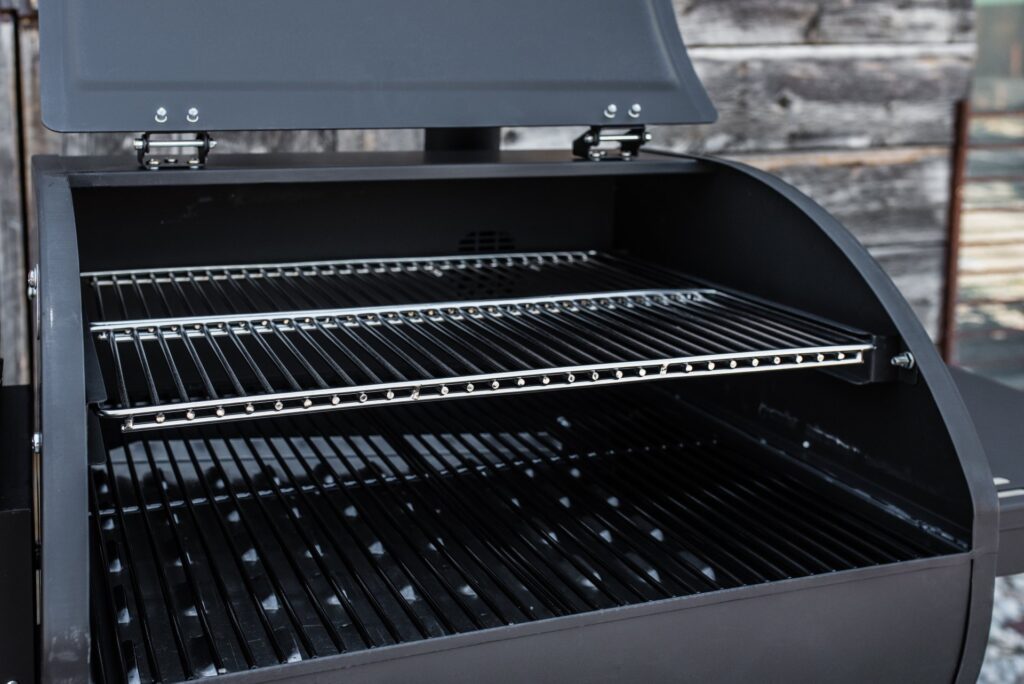
- Remove grates from the grill.
- Use a brass or stainless steel brush to scrape off stuck food and carbon while they’re still slightly warm (never hot).
- For heavy build-up, soak the grates in a bucket of warm, soapy water for 15–30 minutes.
- Scrub with a non-abrasive sponge or a plastic scraper to remove stubborn spots.
- Rinse and dry completely before putting them back.
Beginner tip: Never use soap on cast iron grates. Just brush and wipe with oil to prevent rust.
2. Cleaning The Heat Diffuser And Drip Tray
These parts catch grease and protect the firepot, but they can quickly get coated with sticky residue.
- Remove the heat diffuser and drip tray from the grill.
- Scrape off baked-on grease with a plastic scraper or putty knife.
- Wipe with a degreaser or grill cleaner and let it sit for a few minutes.
- Scrub and rinse, then dry thoroughly.
- For non-stick drip trays, avoid harsh abrasives.
Non-obvious insight: Line the drip tray with heavy-duty aluminum foil before each cook. It makes cleaning next time much faster.
3. Emptying The Ash And Cleaning The Firepot
Pellet grills create a lot of ash, and the firepot is the heart of the system.
- Use a shop vacuum to suck out all ash from the firepot and bottom of the grill.
- For hard-to-reach spots, a small brush or compressed air works well.
- Check the firepot for clogs or pellet dust. Scrape gently if needed.
- Inspect the igniter rod for any soot or buildup and wipe carefully.
Important: Never vacuum hot ash. Wait until everything is cold.
4. Cleaning The Interior Walls And Lid
Smoke and grease collect on the inside surfaces, making them sticky and sometimes flaky.
- Use a plastic scraper or putty knife to gently remove flakes or loose soot from the lid and walls.
- Spray with a degreaser or mild soapy water.
- Wipe with a microfiber cloth. For tough spots, let cleaner soak in for 5–10 minutes.
- Wipe clean with water to remove any chemical residue.
Pro tip: A little bit of seasoning on the walls is normal and protects the metal. Only remove heavy flakes or thick grease.
5. Cleaning The Grease Management System
Camp Chef grills use a grease channel or trough to direct drippings away from the firepot.
- Remove the grease bucket or cup and empty it.
- Scrape any hardened grease from the channel or trough with a scraper.
- Wash with warm, soapy water and rinse well.
- Wipe the grease bucket and let it dry before replacing.
Beginner mistake: Forgetting the grease bucket is a common cause of messy leaks and even grease fires.
6. Cleaning The Pellet Hopper And Auger
Pellets can break down into dust, which can jam the auger or cause uneven burns.
- Scoop out any remaining pellets into a clean, dry container.
- Use a shop vacuum to remove pellet dust and crumbs from the hopper and feed tube.
- Check the auger for stuck pellets or sawdust buildup.
- Wipe down the hopper walls with a dry cloth (never use water here).
Non-obvious insight: Moisture in the hopper can ruin pellets and cause jams. Always keep the hopper dry and close the lid when not in use.
7. Cleaning The Exterior Surfaces
A clean exterior keeps your grill looking sharp and prevents rust.
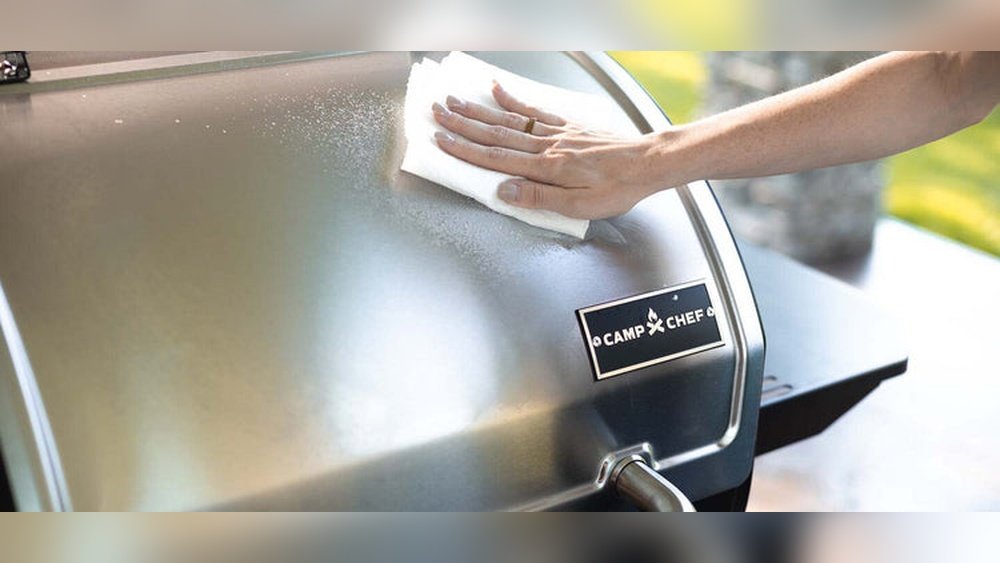
- Wipe the outside with a damp cloth and mild soap.
- For stainless steel models, use a dedicated stainless steel polish and wipe with the grain.
- Dry all surfaces to prevent water spots or rust.
- Inspect hinges, handles, and wheels for dirt and oil. Wipe them clean.
Practical tip: Don’t use abrasive pads or harsh cleaners on painted or powder-coated surfaces.

Credit: www.youtube.com
Deep Cleaning Vs. Regular Cleaning
Not every cleaning session needs to be a full teardown. Here’s a quick comparison of what you should do each time you grill versus a deep clean:
| Task | After Every Use | Every 5-10 Cooks (Deep Clean) |
|---|---|---|
| Brush Grates | ✔️ | ✔️ (plus soak if needed) |
| Empty Grease Bucket | ✔️ | ✔️ |
| Vacuum Ash | ✔️ | |
| Clean Drip Tray | ✔️ | |
| Clean Firepot | ✔️ | |
| Wipe Exterior | ✔️ | ✔️ (polish if needed) |
| Clean Hopper | ✔️ |
Pro tip: If you use your grill heavily (more than once a week), do a deep clean every 2-4 weeks. Light users may only need a deep clean every couple of months.
How To Clean Tough Stains And Rust
Sometimes, you’ll find stubborn spots or small patches of rust. Here’s how to deal with them:
- Tough grease stains: Spray with a degreaser and let it soak for 10–15 minutes. Scrape gently, then wipe clean.
- Rust spots (on non-cooking surfaces): Scrub with a stainless steel brush and apply high-temp grill paint if needed.
- Sticky residue: Use a cloth soaked in vinegar for a natural option.
- Flaking paint: Sand lightly and touch up with heat-resistant paint.
Caution: Never use harsh abrasives on cooking surfaces. For stainless steel, always scrub with the grain.
How To Reassemble Your Grill After Cleaning
Putting your grill back together is simple, but don’t rush. Make sure all parts are dry before reinstalling.
- Place the firepot cover or heat diffuser back in position.
- Set the drip tray over the heat diffuser.
- Put the cooking grates back in place.
- Reattach the grease bucket or cup.
- Fill the hopper with fresh, dry pellets.
- Plug in the grill and run a short preheat (5–10 minutes) to burn off any leftover cleaner or moisture.
Experience-based tip: If you see smoke or smell chemicals during preheat, turn off the grill, let it cool, and check for leftover cleaner. Wipe again if necessary.
Maintenance Tips To Keep Your Pellet Grill Cleaner, Longer
A few smart habits can make your next cleaning session much easier.
- Use drip tray liners: Foil or disposable liners catch grease and are easy to replace.
- Burn off after each cook: Run the grill at high heat for 10 minutes to turn grease into ash.
- Keep the lid closed: This reduces dirt and keeps moisture out.
- Store pellets in an airtight container: Prevents moisture and mold.
- Cover your grill: Invest in a good grill cover if your grill stays outdoors.
- Empty ash and grease regularly: Don’t wait for them to overflow.
- Check for pellet dust: Sift pellets before adding to the hopper.
- Wipe down handles and controls: Grease here can make your grill hard to use.
These habits can cut your deep cleaning time in half and help you spot small problems before they turn into big ones.
Credit: campchef.com.au
Common Mistakes To Avoid
Even experienced grillers make cleaning mistakes. Here are a few to watch out for:
- Skipping the firepot: Ash here can block ignition or cause uneven burning.
- Using water inside the hopper: Pellets absorb moisture fast and can jam the auger.
- Forgetting the grease bucket: Overflow can cause dangerous fires.
- Using harsh chemicals on grates: This can leave toxic residues.
- Not drying parts before reassembly: Moisture leads to rust and stuck pellets.
- Ignoring the lid and walls: Grease here flakes off and lands on your food.
- Vacuuming hot ash: This can damage your vacuum and cause burns.
Always follow the steps and tips above to avoid these common errors.
Troubleshooting: When Cleaning Doesn’t Fix The Problem
Sometimes, your grill acts up even after a good cleaning. Here’s what to check:
- If the grill won’t heat up: Make sure the firepot and igniter are clean. Check the fuse.
- If the auger jams: Empty the hopper, vacuum all dust, and check for stuck pellets in the tube.
- If smoke pours from the hopper: This means a backdraft. Clean out all ash, especially around the firepot.
- If temperature swings a lot: Clean the temperature probe and check for grease blocking air flow.
If you keep having problems, consult your manual or contact Camp Chef support. Sometimes, a part needs to be replaced.

Credit: www.bbqguys.com
Real-world Example: Cleaning A Camp Chef Woodwind 24
Let’s see how this works in practice. Sarah, a weekend BBQ enthusiast, uses her Camp Chef Woodwind 24 for ribs, brisket, and pizza. After 10 cooks, she noticed smoke coming from the hopper and temperature swings.
She followed this routine:
- Emptied the hopper and vacuumed pellet dust.
- Removed grates and drip tray, soaked and scrubbed them.
- Vacuumed a full scoop of ash from the firepot.
- Scraped grease from the drip channel and replaced foil liner.
- Wiped the lid and walls with degreaser.
- Cleaned the grease bucket and polished the stainless steel exterior.
After reassembly and a 10-minute preheat, her next cook held temperature perfectly, and the smoke flavor improved.
Insight: Sarah’s main mistake before was ignoring the firepot and pellet dust. After cleaning these, her grill worked like new.
How Camp Chef Pellet Grills Compare To Other Brands For Cleaning
Pellet grills share many cleaning needs, but Camp Chef models have unique features that affect cleaning:
| Feature | Camp Chef | Traeger | Pit Boss |
|---|---|---|---|
| Ash Cleanout System | Yes (easy pull) | No (manual vacuum) | No (manual vacuum) |
| Grease Management | Wide drip tray, removable bucket | Narrow channel, fixed bucket | Removable tray |
| Hopper Cleanout | Quick-release door | No | No |
| Drip Tray Liner Option | Yes | Yes | No |
Non-obvious insight: Camp Chef’s ash cleanout and pellet hopper release make it much easier to do a thorough cleaning compared to some other brands.
How Often Should You Clean Your Camp Chef Pellet Grill?
How often you clean depends on usage, but here’s a simple guideline:
- Light use (1–2 times per month): Deep clean every 2–3 months.
- Moderate use (weekly): Deep clean every 4–6 weeks.
- Heavy use (multiple times per week): Deep clean every 2–3 weeks.
Always do a quick brush and empty the grease bucket after every cook. If you notice extra smoke, strange smells, or temperature problems, clean sooner.
Where To Find More Official Guidance
Camp Chef offers manuals and cleaning guides for each model. For detailed instructions or replacement parts, visit their official website or check this resource: Camp Chef Cleaning Guide.
Frequently Asked Questions
How Do I Clean The Ash From A Camp Chef Pellet Grill Without A Shop Vacuum?
If you don’t own a shop vacuum, you can use a small hand broom and dustpan to scoop out ash. Be gentle to avoid spreading ash clouds. For tight spots, a brush or compressed air can help, but always wear a mask and gloves.
Can I Use Oven Cleaner Inside My Pellet Grill?
No. Oven cleaner is too harsh and can damage the finish and leave harmful residues. Stick to grill-specific cleaners, mild soapy water, or a degreaser labeled safe for food surfaces.
What Should I Do If My Pellets Got Wet During Cleaning?
If your pellets get wet, remove them immediately and clean out the hopper and auger. Wet pellets swell and can jam the auger. Let the area dry fully before refilling with fresh, dry pellets.
How Do I Prevent Rust On My Camp Chef Pellet Grill?
Keep your grill covered when not in use, dry all parts after cleaning, and store it out of rain or snow. For stainless steel, use a stainless steel polish. If you spot rust, gently remove it and touch up with high-temp paint.
Is It Safe To Use A Grill Brush With Metal Bristles?
Metal bristle brushes clean well, but they can lose bristles that stick to grates. Always wipe grates with a damp cloth after brushing and inspect them before cooking. Consider a nylon brush for inside the grill or a bristle-free tool.
A clean Camp Chef pellet grill works better, lasts longer, and makes outdoor cooking more fun. With the steps and tips above, you’ll spend less time cleaning and more time grilling great food.