
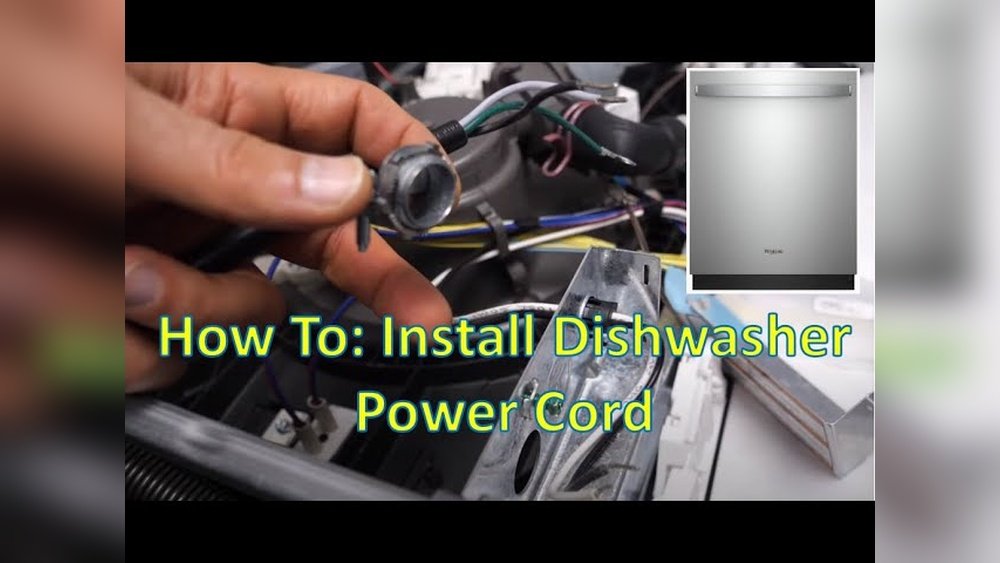
Many people feel nervous about electrical work at home, especially when it comes to large appliances like dishwashers. But connecting a dishwasher power cord is a task you can handle with the right guidance. Doing this job yourself can save you time, money, and the hassle of waiting for a technician.
Before you begin, it’s important to understand that safety is your top priority. You will need to follow clear steps, use the correct tools, and check everything carefully.
If you just bought a new dishwasher or your old one needs a new power cord, this detailed guide will walk you through every step. We’ll cover why the power cord matters, what tools you need, how to prepare, and how to connect the cord properly.
You’ll learn about safety checks, common mistakes, and expert tips that most beginners miss. By the end, you’ll feel confident in your ability to connect your dishwasher’s power cord safely and correctly.
Understanding Your Dishwasher Power Cord
Before you start, it’s important to know what a dishwasher power cord is and why it’s crucial to your appliance. Most dishwashers do not come with the power cord pre-attached. This is because homes have different wiring setups, and some are hardwired while others use an outlet.
A power cord allows you to plug the dishwasher into a standard electrical outlet, usually 120 volts in the US. The cord must be the correct type, with the right gauge and plug style. Using the wrong cord can cause electrical problems or even fires.
Some dishwashers are designed for hardwiring, which means connecting directly to your home’s wiring. This guide focuses on the plug-in method, which is safer and easier for most homeowners.
Types Of Dishwasher Power Cords
You will find two main types:
- 3-prong grounded cord: The most common, with hot, neutral, and ground wires.
- 4-prong cord: Rare for dishwashers but seen in some newer homes with strict electrical codes.
Most dishwashers use the 3-prong grounded cord. Always check your dishwasher’s manual to confirm the right type.
Why Not All Dishwashers Come With A Cord
Manufacturers often leave cords out because:
- Electrical codes vary by area.
- Some people prefer hardwiring for a cleaner look.
- It’s safer to let homeowners or electricians choose the right cord for their setup.
Tools And Materials Needed
Having the right tools ready will make the job faster and safer. Here’s what you’ll need:
- Dishwasher power cord kit (usually includes cord, wire nuts, and strain relief)
- Screwdriver (usually Phillips and flathead)
- Wire stripper/cutter
- Voltage tester (essential for safety)
- Needle-nose pliers
- Electrical tape
- Cable clamp or strain relief (keeps the cord secure)
- Flashlight (for dark spaces)
- Work gloves (for safety)
- Owner’s manual for your dishwasher
Most dishwasher power cord kits are available at hardware stores or online. Make sure the cord is rated for at least 15 amps and is UL-listed for safety.
Preparation And Safety Checks
Safety is key when working with electricity. Never rush or skip these steps.
Turn Off Power At The Circuit Breaker
Find the breaker that controls your kitchen or dishwasher outlet. Turn it off. Always double-check with a voltage tester to make sure there is no power.
Unplug The Dishwasher (if Replacing A Cord)
If you’re replacing an old cord, unplug the dishwasher before doing anything else.
Clear The Installation Area
Move the dishwasher out from under the counter, if possible. Make sure you have enough light and space to work.
Read The Owner’s Manual
Look for any special instructions or warnings. Some models have unique wiring setups.
Inspect The Power Cord
Check for any damage or defects in the new cord. Do not use a cord with cracks, cuts, or missing prongs.
Locating The Power Connection Box
Most dishwashers have a small metal box called the junction box or terminal box. This is where you will connect the wires.
- For most brands, this box is behind the lower access panel at the front of the dishwasher.
- Remove the screws and open the panel to find the box.
- The box usually has a cover secured with one screw.
If you cannot find the box, check the manual or look for a sticker diagram inside the access panel.
Removing The Junction Box Cover
Use your screwdriver to remove the single screw holding the cover. Put the screw and cover somewhere safe. You should see three wires inside: black (hot), white (neutral), and green or bare copper (ground).
Do not touch any wires yet. Double-check with your voltage tester that there is no power.
Installing The Strain Relief
The strain relief or cable clamp keeps the power cord from being pulled out accidentally.
- Remove the small metal knockout from the side of the junction box. Tap it gently with your screwdriver and pliers.
- Insert the strain relief into the hole and tighten the screws or nuts to secure it.
This small piece is critical. Without it, wires can loosen over time and cause dangerous shorts.
Preparing The Power Cord Wires
Most dishwasher cords have three wires:
- Black (hot)
- White (neutral)
- Green (ground)
Use your wire stripper to remove about ½ inch of insulation from each wire end if not already stripped.
Twist the copper strands gently with your fingers to make them neat and tight. This helps with a solid connection and prevents stray wires.
Connecting The Wires
This step is the most important. Take your time and double-check each connection.
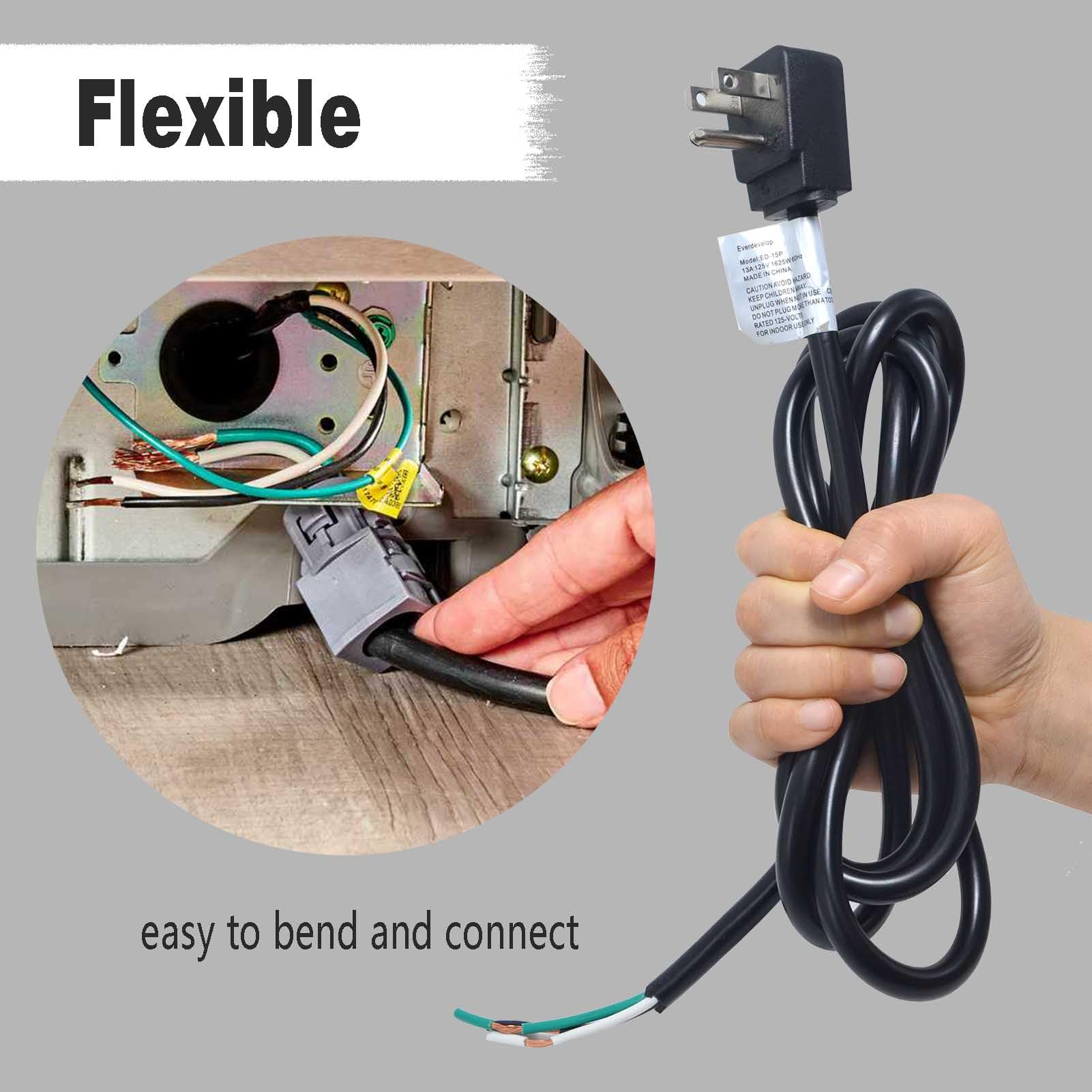
- Insert the power cord through the strain relief until about 6 inches of wire are inside the box.
- Connect the black wire from the cord to the black wire in the box using a wire nut. Twist them together first, then screw on the wire nut tightly.
- Connect the white wire from the cord to the white wire in the box, the same way.
- Connect the green wire (or bare copper) from the cord to the green or bare ground wire in the box. Some dishwashers have a green grounding screw instead—wrap the wire clockwise around the screw and tighten firmly.
Wrap each wire nut connection with a bit of electrical tape for extra security. Make sure there are no exposed copper wires.
Common Wiring Mistakes
- Mixing up black and white wires: Always match black to black, white to white.
- Forgetting the ground wire: This is crucial for safety.
- Loose wire nuts: Give each one a gentle tug to check.
Securing The Cord And Closing The Junction Box
Once all wires are connected:
- Tighten the strain relief screws to hold the cord firmly.
- Neatly push the wires into the box, being careful not to pinch or crush them.
- Replace the junction box cover and screw it back in place.
Check that the cord is snug but not stretched or under tension.
Reattaching The Lower Access Panel
Put the lower access panel back on the dishwasher and secure it with the screws you removed earlier.
Some panels have insulation for noise; make sure it stays in place.

Credit: www.cafeappliances.com
Plugging In And Testing
With the cord securely connected:
- Plug the power cord into the wall outlet.
- Turn the circuit breaker back on.
- Run a short test cycle on the dishwasher to make sure everything works.
- Check for any sparking, burning smells, or strange noises. If you see or smell anything unusual, unplug the unit and turn off the breaker immediately.
Table: Common Dishwasher Power Cord Specifications
To help you choose the right cord, here is a comparison of common specifications:
| Specification | Typical Value | Importance |
|---|---|---|
| Voltage Rating | 120V | Matches standard US outlets |
| Amperage | 15A | Handles typical dishwasher load |
| Wire Gauge | 14 AWG | Thick enough for safety |
| Plug Type | 3-prong grounded | Prevents shock and meets code |
| Cord Length | 5-6 feet | Enough to reach outlet |
Always check your dishwasher’s manual for the exact requirements.
Credit: www.amazon.com
Special Considerations For Different Setups
Every kitchen is a little different. Here are some things to look out for:
Older Homes
Many older homes do not have a grounded outlet under the sink. If you only have a two-prong outlet, do not try to use an adapter. It’s much safer to have a qualified electrician install a proper grounded outlet.
Hardwired Dishwashers
Some dishwashers are wired directly into the house’s electrical system, with no plug. If you want to switch from hardwired to plug-in, you may need to add an outlet. This is usually best left to an electrician.
Gfci Outlets
Modern electrical codes require that dishwashers be plugged into a GFCI outlet (Ground Fault Circuit Interrupter). This protects against electric shock in wet areas. Test the outlet with the “test” and “reset” buttons before plugging in your dishwasher.
Extension Cords
Never use an extension cord with a dishwasher. It can overheat and cause a fire. Always use a proper power cord and plug directly into a wall outlet.
Table: Plug-in Vs. Hardwired Connection
Here’s a quick comparison of both methods to help you decide which is best for your home:
| Feature | Plug-in Cord | Hardwired |
|---|---|---|
| DIY Friendly | Yes | No |
| Code Compliance | Usually meets code | May require permit |
| Ease of Replacement | Easy to unplug | Requires disconnecting wires |
| Outlet Needed | Yes | No |
| Safety | High (with GFCI) | High (if installed properly) |
For most homeowners, a plug-in cord is simpler and safer.
Troubleshooting Common Problems
Sometimes, things don’t work on the first try. Here’s what to check:
Dishwasher Won’t Power On
- Make sure the breaker is ON.
- Check that the power cord is plugged in all the way.
- Test the outlet with another appliance.
- Make sure all wire nuts are tight and secure.
Dishwasher Trips Breaker
- Check for loose wire connections.
- Make sure you used the correct wire gauge.
- Do not overload the circuit with other appliances.
Burning Smell Or Smoke
- Unplug immediately.
- Check for pinched wires or incorrect connections.
- If you see blackened wires, replace the cord.
Dishwasher Stops Mid-cycle
- Make sure the plug is not loose.
- Inspect the cord for damage.
- Check the circuit breaker for a trip.
If problems continue, call a licensed electrician.
Advanced Tips For A Professional Finish
Even small details matter for safety and performance. Here are tips to make your installation last:
- Label the breaker in your panel as “Dishwasher” if it isn’t already.
- Use a headlamp for better lighting in dark areas under the counter.
- Keep wires tidy inside the junction box to avoid pinching.
- Avoid over-tightening the strain relief; too tight can damage the cord.
- Save your dishwasher manual and cord packaging for warranty purposes.
- Photograph your connections before closing the box. It helps if you need repairs later.
Many beginners forget to check the outlet location before buying a cord. Measure the distance carefully so your cord isn’t stretched or looped on the floor, which can cause wear.
Table: Dishwasher Power Cord Installation Timeline
This table breaks down the average time needed for each step:
| Step | Average Time | Skill Level |
|---|---|---|
| Safety Prep (Breaker, Tools) | 10 minutes | Beginner |
| Accessing Junction Box | 5 minutes | Beginner |
| Connecting Wires | 15 minutes | Intermediate |
| Securing & Testing | 10 minutes | Beginner |
| Total | 40 minutes | Beginner/Intermediate |
Allow extra time if you need to move the dishwasher or troubleshoot.
Safety Standards And Electrical Codes
US electrical codes (NEC) require that all permanent appliances, including dishwashers, be installed according to strict rules. Here’s what you need to know:
- The outlet must be grounded and accessible.
- Use a GFCI outlet for safety in wet locations.
- The power cord must be UL-listed and rated for the dishwasher’s load.
- Never run the cord through walls, ceilings, or floors.
- Do not modify the cord or plug.
You can check the latest codes or ask your local building department if you’re not sure. More on the National Electrical Code can be found on the official NFPA website.
When To Call A Professional
While many homeowners can connect a dishwasher power cord safely, you should call a pro if:
- You are not comfortable working with electricity.
- Your home’s wiring looks old or damaged.
- The outlet is missing or not grounded.
- The dishwasher instructions are unclear.
Professional installation ensures code compliance and peace of mind.
Environmental And Energy-saving Tips
A well-installed dishwasher power cord is not just about safety—it can also help with energy savings:
- Make sure your dishwasher is plugged into a dedicated circuit to avoid overloads.
- Unplug your dishwasher if you plan to leave home for a long time (vacation, etc. ).
- Choose an ENERGY STAR rated dishwasher to use less electricity and water.
Little details, like tight wire connections and a good outlet, help your dishwasher run more efficiently.

Credit: www.youtube.com
Frequently Asked Questions
How Do I Know If My Dishwasher Needs A Power Cord Or Hardwiring?
Check your dishwasher’s installation manual. Most newer models allow for a plug-in cord, while some older or commercial dishwashers require hardwiring. If you see a junction box and no attached cord, you likely need to add a power cord.
What Gauge Wire Should I Use For A Dishwasher Power Cord?
Most dishwashers require a 14-gauge, 3-wire cord rated for 15 amps. Always match or exceed your dishwasher’s requirements and local code. Using a cord that’s too thin can cause overheating.
Can I Use Any Outlet For My Dishwasher?
No. You should use a grounded, 120V GFCI outlet installed under the sink or behind the dishwasher. Avoid extension cords and never plug into a two-prong, ungrounded outlet.
Is It Safe To Install A Dishwasher Power Cord Myself?
Yes, if you follow the instructions carefully and turn off power at the breaker. If you’re unsure, it’s always safer to call a licensed electrician.
What Should I Do If The Dishwasher Still Doesn’t Work After Installing The Power Cord?
Double-check all connections, make sure the outlet is working, and inspect the cord for damage. If problems continue, unplug the dishwasher and call a technician to avoid electrical hazards.
Connecting a dishwasher power cord is a practical skill that can save you money and give you confidence in home projects. By following these detailed steps and safety tips, you’ll ensure your dishwasher runs efficiently and safely for years to come.