

When a refrigerator is transported laying down, it can lead to more than a few headaches. Many people move their fridge without realizing the risks, only to find it won’t cool properly or makes strange noises after being plugged in. If you’re reading this, you probably want to know: how do you fix a refrigerator that was laying down? The answer isn’t always simple, but with careful steps and some basic understanding, you can often restore your fridge to full function—or know when to call a professional.
This guide breaks down every key step and insight you need, from why laying a fridge down is risky to what to check, how to safely start it, and what to do if it doesn’t work. Whether you’re a homeowner, a renter, or helping a friend, this article will give you the confidence and detail needed to handle this situation the right way.
Why Laying A Refrigerator Down Is A Problem
Most people don’t realize that a refrigerator is not just a box that keeps things cold. Inside, it contains a compressor, refrigerant oil, and many delicate parts. When you lay a refrigerator on its side or back, the oil inside the compressor can flow into the cooling lines or other components where it shouldn’t be. This can lead to several issues:
- Clogged lines: Oil in the wrong place can block the flow of refrigerant.
- Compressor damage: If oil doesn’t return to the compressor, it may run dry and overheat.
- Startup problems: The fridge may not start or may make loud noises.
Manufacturers recommend moving refrigerators upright whenever possible. If you must lay it down, you need to take extra steps before plugging it in. The wrong approach can shorten your fridge’s life or cause it to fail completely.
First Steps After Moving A Refrigerator Laying Down
If your refrigerator was transported on its side or back, don’t plug it in immediately. This is the most common mistake people make. The oil and refrigerant need time to settle back into their correct places. Here’s what you should do first:
- Set the fridge upright: As soon as you reach your destination, place the refrigerator in an upright position.
- Wait before plugging in: Let it stand for at least as long as it was lying down, but a minimum of 4 hours. For larger units or if it was on its side for many hours, wait 24 hours to be safe.
- Check the manufacturer’s recommendations: Some brands have specific guidelines. Check the sticker inside the fridge or look up the manual online.
Non-obvious insight: Waiting longer is always better than less. Rushing this step is the top cause of compressor failure after a move.
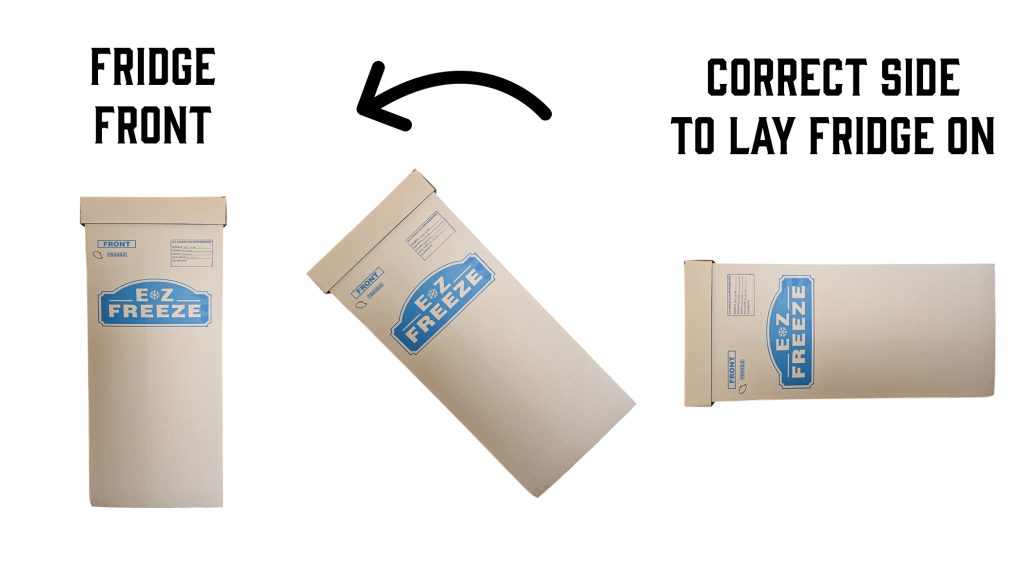
Credit: www.ezfreezerefrigerator.com
Inspect Your Refrigerator Before Starting
After the waiting period, do a careful check before plugging in your fridge. This helps you catch issues early, and may save you from bigger problems later.
Check For Physical Damage
Look for dents, cracks, or broken parts outside and inside the fridge. Pay special attention to:
- The back panel: Make sure it’s not bent or touching wires.
- Door seals: Check the rubber gaskets for tears or gaps.
- Feet and wheels: Are they stable and level?
Inspect The Power Cord
A pinched or cut cord is dangerous. Look along the entire length for:
- Cuts or fraying
- Loose plug connections
- Bent prongs
Replace the cord if you see any damage.
Smell For Leaks
A strange chemical smell can indicate a refrigerant leak. If you notice a sharp, sweet, or chemical odor, open windows and do not plug in the refrigerator. Leaks require professional repair.
Listen For Loose Parts
Gently shake the fridge. Do you hear rattling inside the compressor area? This could mean internal damage.
Non-obvious insight: Even if everything looks fine, oil may still be in the wrong place. Always follow the waiting period before powering up.
Safe Steps To Plug In And Test
Once you’ve checked the fridge and waited the right amount of time, it’s time to power up. Here’s how to do it safely:
- Plug into a dedicated outlet: Make sure the outlet matches the fridge’s voltage and is not shared with other large appliances.
- Set temperature controls to medium: Don’t crank the controls to the coldest setting—let the fridge adjust gradually.
- Close the doors: Keep the doors closed so the fridge can cool efficiently.
- Listen and observe: You should hear the compressor start after a few minutes. The fridge should begin to cool within 2-4 hours.
Early Signs Of Trouble
Be alert for these problems in the first few hours:
- Loud knocking or clunking noises: May mean oil is still in the compressor or lines.
- No cooling after 4 hours: Possible refrigerant or compressor issue.
- Burning smell or circuit trips: Unplug immediately and call a professional.
What To Do If It Doesn’t Cool Properly
If your refrigerator doesn’t cool, don’t panic. Here are steps to troubleshoot:
1. Check The Thermostat
Make sure the control knob or panel is set to a cooling setting and not “off” or “defrost. ” If it’s an electronic control, look for error codes.
2. Feel The Compressor
Carefully touch the compressor (the black, round part at the back). If it’s very hot and the fridge isn’t cooling, the compressor may be struggling due to oil in the wrong place.
3. Listen For The Compressor
If the compressor isn’t running at all, or cycles on and off quickly, this is a sign of a possible start relay or overload problem.
4. Check For Airflow
Open the freezer section and listen for a fan. If there’s no airflow, the evaporator fan may be stuck or damaged.
5. Inspect For Frost Buildup
Look for frost on the inside back wall of the freezer. Heavy frost means a possible defrost problem, but after moving, it’s more often a sign of blocked refrigerant lines.
6. Test The Power Supply
Plug in another device, like a lamp, to the same outlet. This confirms the issue is with the fridge, not the power.
When To Call A Professional
Some refrigerator issues after moving can’t be fixed with DIY methods. Call a qualified technician if:
- The compressor is hot but not running
- There’s a strong chemical or burning smell
- You see oil or coolant leaking underneath
- The fridge trips the circuit breaker
- It’s been 24 hours with no cooling or freezing
Trying to fix sealed system problems yourself can be dangerous and may void your warranty.
Understanding The Compressor And Oil Movement
The compressor is the heart of your refrigerator. It contains oil for lubrication, similar to a car engine. When a fridge is moved on its side, oil can leave the compressor and enter the thin refrigerant lines. If too much oil is outside the compressor, it can’t do its job and may burn out.
How Long Should You Wait Before Plugging In?
There’s no perfect formula, but here’s a practical guide:
| Time Laying Down | Recommended Wait (Upright) |
|---|---|
| < 1 hour | 4 hours |
| 1-4 hours | 8 hours |
| 4-8 hours | 12 hours |
| > 8 hours | 24 hours |
Waiting is the safest way to allow oil to return to the compressor. Never plug in a fridge right after moving it on its side.
Common Mistakes To Avoid
Many people make the same errors after moving a refrigerator. Avoid these to prevent damage:
- Plugging in too soon: This is the most common cause of compressor failure.
- Not checking for leaks: Missing a refrigerant leak can create safety hazards.
- Forcing doors: If the fridge is not level, the doors may not close properly.
- Skipping the inspection: Small cracks or broken parts can lead to bigger problems later.
- Ignoring strange noises: Unusual sounds can be an early warning sign of damage.
Credit: www.youtube.com
Leveling And Positioning Your Refrigerator
After you’ve let the refrigerator stand upright and checked for damage, the next step is to make sure it’s level. An uneven fridge can cause cooling problems and door issues.
How To Level Your Fridge
Most refrigerators have adjustable feet at the front. Here’s how to do it:
- Use a bubble level: Place it on the top or inside shelf.
- Adjust the front feet: Turn them clockwise to raise, counterclockwise to lower.
- Check side-to-side and front-to-back: Your fridge should be slightly higher at the front so the doors close by themselves.
Practical tip: If your floor isn’t level, use shims under the feet to stabilize the unit.
Cleaning Before Use
It’s a good idea to clean your refrigerator before you start using it, especially if it was moved on its side. Oil or coolant may have leaked internally, and dust can collect during moving.
Steps To Clean Your Fridge
- Unplug the unit: Even if you’ve just tested it, always unplug before cleaning.
- Remove all shelves and bins: Wash them with warm, soapy water.
- Wipe down all surfaces: Use a mild cleaner or a mix of baking soda and water.
- Check the drain hole: Look for blockages at the back of the fridge or freezer.
- Dry everything: Make sure all parts are dry before reinstalling.
Cleaning helps remove any odors and gives you a chance to spot hidden problems.
Comparing Refrigerator Issues: Laying Down Vs Upright Transport
It’s useful to know how moving a refrigerator on its side compares with moving it upright. Here’s a side-by-side look:
| Feature | Laying Down | Upright Transport |
|---|---|---|
| Risk of oil in lines | High | Low |
| Chance of leaks | Medium | Low |
| Recommended wait time before use | 4–24 hours | 0–2 hours |
| Level of internal damage risk | Medium–High | Low |
What To Watch For In The First 24 Hours
After plugging in your refrigerator, keep an eye (and ear) out for these signs:
- Cooling: The fridge should start to feel cold within 4 hours.
- Freezer operation: Ice should begin to form or water should freeze within 8 hours.
- Noise: Quiet humming is normal, but loud banging or clicking is not.
- Odors: Any strong chemical or burning smell is a red flag.
If you notice anything unusual, unplug the unit and consult a professional.
How To Prevent Future Problems
If you ever need to move your refrigerator again, follow these best practices:
- Keep it upright: Use a dolly or moving straps.
- Secure doors: Tape or tie them shut to prevent swinging.
- Protect the coils: Don’t let the back touch the ground.
- Move slowly: Sudden jolts can damage internal parts.
- Plan ahead: If you must lay it down, prepare for a long waiting period before use.
For more detailed guidance, you can consult resources like the GE Appliances Moving Guide.
How To Identify The Type Of Refrigerator Damage
Not all fridges react the same way to being laid down. Here are common issues and how to spot them:
Compressor Problems
- Symptom: Fridge not cooling, compressor hot, clicking sounds.
- Solution: Wait longer. If not resolved, call a technician.
Refrigerant Leaks
- Symptom: Oily puddle under fridge, chemical smell.
- Solution: Do not use—this requires a professional.
Blocked Lines
- Symptom: Freezer is cold but fridge is warm.
- Solution: May clear with time, but if not, professional service is needed.
Door Alignment
- Symptom: Doors don’t close or seal properly.
- Solution: Level the fridge, adjust hinges if possible.
The Role Of The Defrost System
Some fridges develop problems with the defrost system after being laid down. Water may flow where it shouldn’t, causing ice buildup or blockage in the drain lines.
- Check for water pooling: Inside the fridge or at the bottom.
- Inspect the drain pan: Under the fridge; it should not be overflowing.
If you see these problems, unplug and inspect further before use.
How To Reset A Refrigerator After Laying Down
Sometimes, after a move, the control system may need a reset. Here’s how:
- Unplug the fridge: Wait 5 minutes.
- Plug back in: This resets most electronic controls.
- Set the temperature: Go back to the default or recommended setting.
If your fridge has a digital display, look for a reset button or consult the manual.
Energy Efficiency After A Move
A fridge that was laid down may use more energy at first, especially if it’s struggling to recover. Watch your power bill, and check if the compressor runs all the time. If it does, you may have an internal problem that needs attention.
When Is It Safe To Restock Your Food?
Don’t rush to load your fridge with groceries. Wait until:
- The fridge temperature is below 40°F (4°C)
- The freezer is below 0°F (-18°C)
Use a thermometer to check. Restocking too soon can spoil food and overwork the compressor.
Warranty Concerns
Moving a refrigerator incorrectly can void your warranty. Keep these points in mind:
- Check your manual: Some brands clearly state the unit must stay upright.
- Keep move records: If you need service, you may need to show how the move was handled.
- Professional movers: Some companies offer guarantees for appliance moves.
Typical Repair Costs If Things Go Wrong
If your fridge fails after being laid down, repairs can be expensive. Here’s a general cost comparison:
| Issue | Average Repair Cost |
|---|---|
| Compressor replacement | $400–$600 |
| Refrigerant recharge | $200–$400 |
| Seal system repair | $300–$800 |
| Minor electrical issues | $100–$250 |
Before spending on repairs, consider the age and value of your fridge.
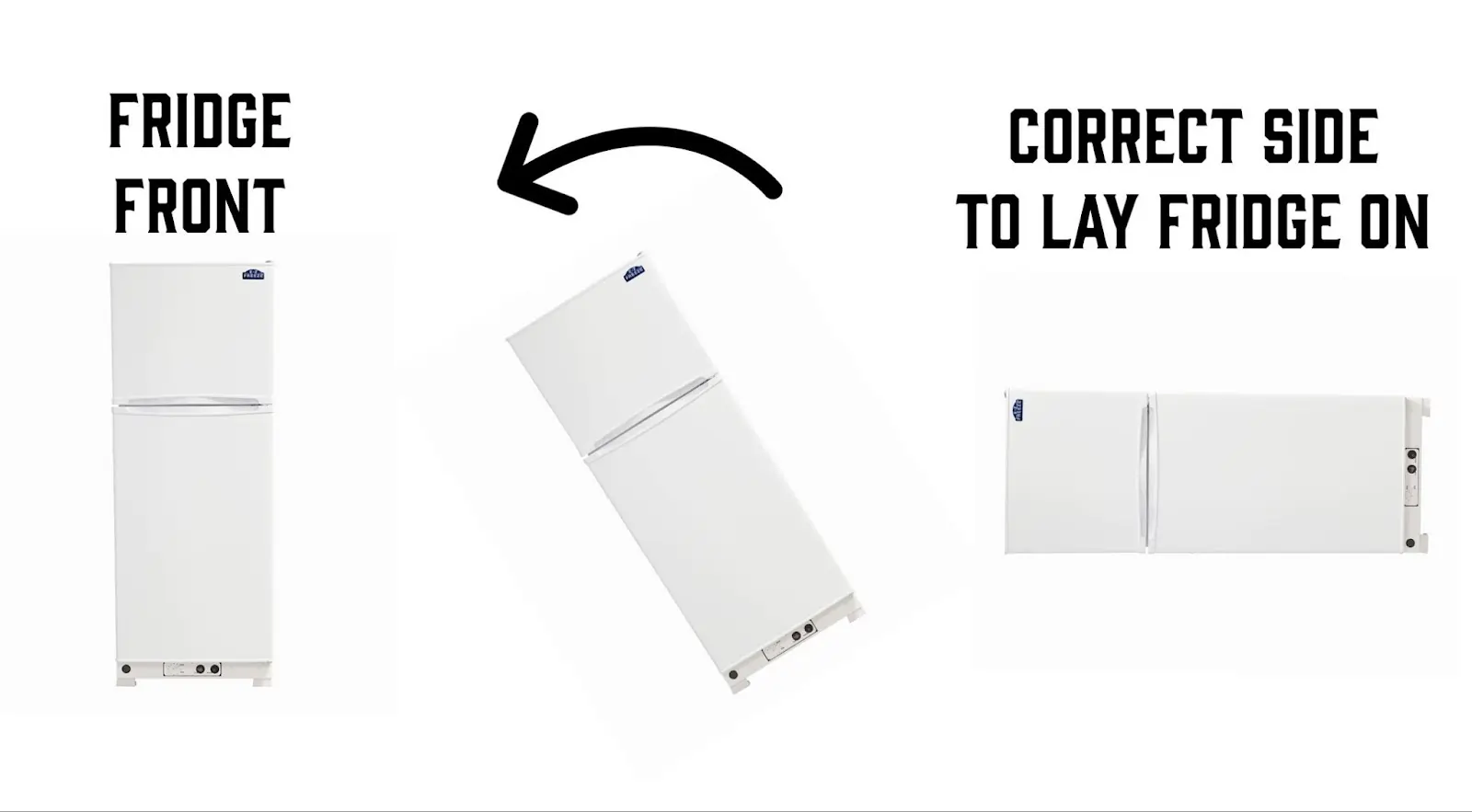
Credit: www.warehouseappliance.com
Summary Checklist: Fixing A Refrigerator After Laying Down
To recap, here are the steps to safely fix and start your refrigerator after it was laying down:
- Stand it upright immediately.
- Wait at least 4–24 hours before plugging in.
- Inspect for damage, leaks, and loose parts.
- Clean and level the fridge.
- Plug in using a dedicated outlet.
- Set controls to medium.
- Watch and listen for unusual signs.
- Call a professional if problems persist.
This process will help you avoid costly mistakes and keep your refrigerator working for years to come.
Frequently Asked Questions
How Long Should I Wait Before Plugging In A Refrigerator That Was Laying Down?
You should wait at least 4 to 24 hours before plugging in, depending on how long the fridge was on its side. If in doubt, 24 hours is safest.
What Happens If I Plug In My Fridge Too Soon After Laying It Down?
Plugging in too soon can cause compressor damage or clogged lines due to displaced oil. This may prevent your fridge from cooling and could lead to expensive repairs.
Can All Refrigerators Be Safely Moved On Their Side?
Not all models can handle being moved this way. Side-by-side or French door refrigerators are more sensitive. Always check the manufacturer’s guidelines before moving.
My Fridge Is Making Loud Noises After Moving. What Should I Do?
Loud noises could mean oil is still in the compressor or lines. Unplug the fridge, wait a few more hours, and try again. If the noise continues, call a technician.
Is A Chemical Smell After Moving My Fridge Dangerous?
Yes, a chemical smell can indicate a refrigerant leak, which is hazardous. Do not use the fridge until it’s checked by a professional.
Moving a refrigerator laying down can be stressful, but careful steps and attention to detail will help you fix most issues. If you follow the advice here, your fridge should return to normal operation—and you’ll know when it’s time to get expert help.