
Have you just loaded your dishwasher, pressed the start button, and nothing happens? Or maybe it starts, but your dishes come out dirty, wet, or still covered in soap. Many people experience problems with their dishwashers, especially if it’s a new appliance or if they’ve moved into a home with an older model.
Getting your dishwasher to work correctly can save you time, water, and energy—not to mention your patience. In this article, you’ll discover step-by-step methods to troubleshoot, set up, and maintain your dishwasher for the best results. Whether you’re facing a machine that won’t start, poor cleaning performance, or mysterious error codes, you’ll find clear answers here.
Let’s break down the most common issues, the practical fixes, and expert tips to help you get your dishwasher running smoothly. Even if you’re not a technical person, don’t worry—this guide uses simple language and real-life examples so you can follow along with confidence.
Understanding How Your Dishwasher Works
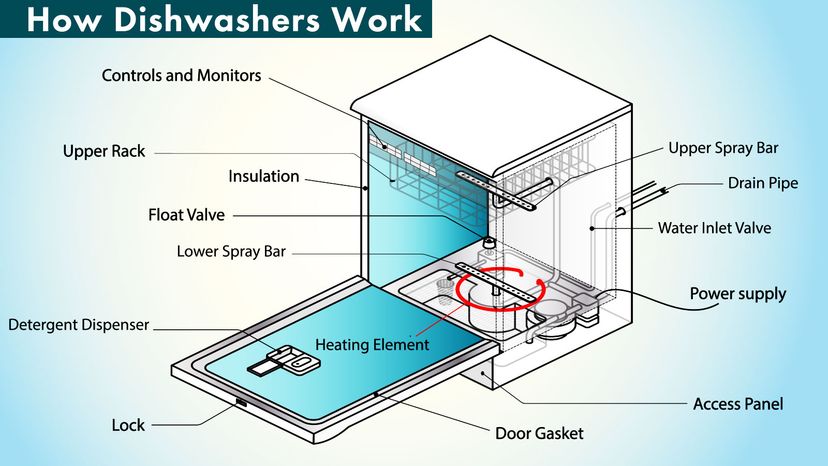
Before you fix a problem, it’s helpful to know the basics of how a dishwasher functions. When you close the door and select a cycle, your dishwasher starts by filling the bottom with water. The heating element warms the water, and the pump sends it through spray arms to clean the dishes.
Soap is released at the right time, and the dirty water is pumped out. Finally, a rinse cycle washes away any leftover detergent, and the heating element dries the dishes.
Key parts you should know:
- Control panel: Where you choose cycles and start the dishwasher.
- Spray arms: Rotate and spray water on your dishes.
- Detergent dispenser: Holds and releases soap.
- Door latch: Must be closed securely for the cycle to start.
- Filter: Traps food particles and needs regular cleaning.
Knowing these basics will make troubleshooting easier.
Common Reasons Why A Dishwasher Won’t Start
If your dishwasher does nothing when you press start, the problem could be simple or more complicated. Let’s look at the main causes:
1. Power Supply Issues
Dishwashers need electricity to work. Sometimes, the plug is loose, the outlet is faulty, or a circuit breaker has tripped. Check these first before worrying about more serious problems.
2. Faulty Door Latch Or Switch
The machine will not start if the door isn’t closed properly. The latch must click shut. If the latch or the door switch is broken, the dishwasher thinks the door is open, even when it’s not.
3. Control Panel Problems
If the buttons don’t respond, there may be a problem with the control board. This could be caused by a power surge or moisture inside the panel.
4. Water Supply Issues
If the dishwasher isn’t getting water, it may not start. Make sure the water valve under the sink is open and that the hose isn’t kinked.
5. Error Codes Or Lights
Many modern dishwashers show error codes on the display. These codes can indicate problems with the door, water, or other parts. Check your manual for what the code means.
Example Of A Quick Start Troubleshooting Process
If your dishwasher doesn’t start, here’s how you can quickly check the basics:
- Make sure the dishwasher is plugged in.
- Check your home’s circuit breaker box.
- Open and close the door firmly until you hear a “click.”
- Try a different cycle or reset the control panel.
- Look for error codes or flashing lights.
If these steps don’t solve the problem, move on to more specific troubleshooting.
Setting Up Your Dishwasher For The First Time
Setting up a dishwasher isn’t hard, but missing a step can cause problems. Here’s how to do it right:
1. Connect Water Supply
The dishwasher needs a steady supply of water. Connect the water inlet hose to the hot water line under your sink. Make sure the connection is tight to avoid leaks.
2. Power Connection
Plug the machine into a grounded outlet. Never use an extension cord, as this is a fire risk.
3. Drain Hose Placement
The drain hose should loop up above the drain under your sink (a “high loop”) or connect to an air gap. This prevents dirty water from flowing back into the dishwasher.
4. Add Rinse Aid
For best drying results, fill the rinse aid compartment. This helps water slide off dishes and prevents spots.
5. Run A Test Cycle
Before loading dishes, run a short cycle with no detergent. This checks for leaks and removes any dust from manufacturing.
Installation Mistakes Beginners Make
- Not tightening the water connection enough, leading to leaks.
- Forgetting the high loop for the drain hose, causing dirty water to return.
- Using the wrong detergent (regular dish soap creates too many suds).
Loading Your Dishwasher Properly
Loading your dishwasher the right way affects cleaning power and prevents damage.
Basic Loading Rules
- Place large items (pots, pans) on the bottom rack.
- Smaller plates and bowls go on the top rack.
- Keep all items facing the center so spray arms can reach them.
- Leave space between dishes for water flow.
- Place glasses between tines, not on them, to prevent breakage.
Silverware And Utensil Tips
- Alternate forks, knives, and spoons in the basket to prevent nesting.
- Place sharp knives facing down for safety.
- Avoid crowding utensils, as this can block water.
What Not To Put In Your Dishwasher
- Wooden utensils (they can crack or warp)
- Nonstick pans (coating can come off)
- Crystal or delicate glass (may break)
- Cast iron (rusts easily)
- Copper or brass items (can tarnish)
Non-obvious Loading Tips
- Angle bowls and cups for better drainage.
- Don’t overlap large plates—they block the spray arms.
- Check that nothing blocks the detergent dispenser.
Choosing The Right Detergent And Rinse Aid
The type of detergent you use can make a big difference in cleaning results.
Detergent Options
- Powder: Often cheaper, but can leave residue if you use too much.
- Gel: Dissolves quickly, but may not clean heavy stains as well.
- Pods/tablets: Convenient and pre-measured, but more expensive.
Tip: Hard water may require special dishwasher detergent with added agents to prevent spots.
Rinse Aid
Rinse aid helps water slide off dishes, so they dry faster and have fewer spots. Most dishwashers have a separate compartment for this. If you have soft water, you may need less rinse aid; with hard water, you may need more.
Common Detergent Mistakes
- Using regular dish soap (creates too many suds and may cause leaks).
- Overfilling the detergent cup (leaves residue).
- Not using rinse aid with hard water (results in spots).
Running The Right Cycle For Your Needs
Dishwashers have different cycles for different jobs. Choosing the wrong one is a common mistake.
Common Dishwasher Cycles Explained
- Normal/Auto: Good for everyday loads.
- Heavy/Pots & Pans: For very dirty pots or baked-on food.
- Quick/Express: For lightly soiled dishes; saves time and energy.
- Eco/Energy-Saving: Uses less water and energy, but takes longer.
- Rinse Only: For rinsing off dishes you plan to wash later.
Non-obvious Cycle Insights
- The sanitize option uses very hot water to kill germs; helpful if someone is sick.
- Some cycles use sensors to adjust water and time based on how dirty the dishes are.
- Using the shortest cycle for heavy loads often leads to poor cleaning.
Troubleshooting: Dishes Not Coming Out Clean
If your dishes are still dirty after a cycle, the problem is often simple to fix.
1. Check The Spray Arms
Remove the lower rack and spin the arms by hand. If they don’t spin freely, they might be blocked by a dish or clogged with food. Use a toothpick to clear any holes.
2. Clean The Filter
Most dishwashers have a filter at the bottom. If it’s full of food, water can’t drain, and dishes won’t get clean. Rinse the filter under warm water every week.
3. Check Water Temperature
Water should be at least 120°F (49°C) to clean well. Run your kitchen faucet until the water is hot before starting the dishwasher.
4. Don’t Overload
Too many dishes block water flow. Leave space between items.
5. Use Enough Detergent
Hard water needs more detergent, while soft water needs less.
Example Cleaning Routine
- Once a month, run an empty dishwasher with a cup of white vinegar on the top rack to remove build-up and odors.
What To Do If Your Dishwasher Stops Mid-cycle
Sometimes, the dishwasher starts but stops before finishing. Here’s what to check:
1. Power Interruption
A power cut or a tripped breaker can stop the cycle. Reset the breaker and try again.
2. Door Opened Accidentally
If someone opens the door during a cycle, most machines pause. Close the door firmly and press “Start” again.
3. Overheating Or Water Issues
If the water is too hot or too little, the dishwasher may stop. Check for error codes.
4. Drainage Problems
If water can’t drain, the dishwasher may halt. Listen for strange sounds or check for water in the bottom.
Resetting Your Dishwasher
Some dishwashers have a reset button or require you to press “Start” for 3-5 seconds. Check your manual for the correct method.
Credit: www.whirlpool.com
Dealing With Water Not Draining
If you open your dishwasher and see water at the bottom, don’t panic. Here’s what to do:
1. Check The Filter And Drain Basket
Food scraps can block the filter or basket. Remove and clean them.
2. Inspect The Drain Hose
Look under the sink to see if the hose is kinked or clogged.
3. Run The Garbage Disposal
If your dishwasher and sink share a drain, a clogged disposal can block the dishwasher.
4. Check The Air Gap
Some kitchens have a small cylinder near the faucet (air gap). Clean out any debris inside.
5. Try A Drain Cycle
Many dishwashers have a “drain only” or “cancel/drain” button. Use it to force the water out.
Common Mistakes When Fixing Drainage
- Forcing sharp objects into the drain can damage the pump.
- Ignoring leaks under the sink, which can lead to mold.
Understanding Error Codes And Lights
Modern dishwashers often display error codes or flash lights to tell you what’s wrong.
What Common Error Codes Mean
- E1/F1: Water supply issue
- E2/F2: Drain problem
- E3/F3: Heating element fault
- E4/F4: Overflow detected
Check your machine’s manual for the exact meaning. If you lost your manual, many are available online.
What To Do
- Turn off the dishwasher and unplug it for a few minutes.
- Fix the cause of the error (such as clearing a clogged drain).
- Plug it back in and try again.
If the code returns, you may need professional help.
Regular Maintenance For Better Performance
Preventing problems is easier than fixing them. Here’s how to keep your dishwasher in top shape.
Monthly Maintenance Checklist
- Clean the filter.
- Check spray arm holes for clogs.
- Wipe the door seal with a damp cloth.
- Run a vinegar cycle to remove limescale.
Every 6 Months
- Check and tighten hose connections.
- Inspect the racks for rust or chips.
- Make sure the door latch works smoothly.
Non-obvious Maintenance Tips
- Leave the door slightly open after cycles to prevent mold.
- If you have hard water, use a dishwasher cleaner every few months to avoid mineral build-up.
When To Call A Professional
Not every problem can be fixed at home. Here’s when you should call an expert:
- There’s a burning smell or visible smoke.
- Water leaks onto your floor.
- The control panel doesn’t respond after resetting.
- You hear grinding or loud banging noises.
- You see error codes that don’t clear after unplugging.
Trying to repair electrical or water problems without experience can be dangerous.

Credit: www.qwick.com
Comparing Dishwasher Types And Features
Choosing the right dishwasher, or understanding your current one, makes troubleshooting easier. Here’s a quick comparison of common types and their features:
| Type | Size | Main Features | Best For |
|---|---|---|---|
| Built-in | 24″ (standard) | Large capacity, many cycles | Families, frequent use |
| Countertop | 18″ or smaller | Portable, easy install | Small kitchens, renters |
| Drawer | Varies | Flexible loading, quiet | Small loads, high-end kitchens |
| Portable | 18″-24″ | Wheels, hook to faucet | Movable needs, no built-in space |
Energy And Water Use: What To Expect
Understanding how much energy and water your dishwasher uses can help you save money and make eco-friendly choices.
| Cycle Type | Average Water Use (gallons) | Average Energy Use (kWh) |
|---|---|---|
| Normal | 3-4 | 1.0-1.5 |
| Heavy | 6-8 | 1.5-2.0 |
| Eco | 2-3 | 0.8-1.2 |
| Quick | 2-3 | 0.8-1.0 |
Tips For Saving Energy
- Run your dishwasher only when full.
- Use the eco or energy-saving cycle.
- Air-dry dishes by opening the door after the cycle.
Safety Precautions When Using A Dishwasher
Dishwashers are safe when used correctly, but there are risks if you’re not careful.
- Always close the door when not loading or unloading.
- Do not put flammable materials inside.
- Don’t touch the heating element right after a cycle—it’s hot.
- Keep children away from the open machine.
- Clean up any leaks immediately to prevent slipping.
Advanced Troubleshooting: When Things Get Complicated
If you’ve checked all the basics and your dishwasher still doesn’t work, consider these advanced tips.
Checking The Float Switch
The float switch prevents the dishwasher from overfilling. If it’s stuck or dirty, the dishwasher may not fill with water. The float is usually a small dome at the bottom. Move it up and down gently—it should move freely.
Inspecting The Water Inlet Valve
If your dishwasher isn’t filling with water, the inlet valve may be clogged. Turn off the water, remove the hose, and check for blockages.
Testing The Heating Element
If your dishes are wet and cold at the end of the cycle, the heating element might be broken. This is a repair for professionals, but you can check for visual signs like burn marks.
Comparing Diy Vs. Professional Repairs
| Repair Type | DIY | Professional |
|---|---|---|
| Unclogging filter | Easy, safe | Not needed |
| Replacing door latch | Possible, but tricky | Safer, faster |
| Control board replacement | Not recommended | Best choice |
| Fixing leaks | Minor: DIY Major: Call expert |
Safer for major repairs |
Credit: home.howstuffworks.com
Hidden Insights And Pro Tips Most People Miss
- Check your water hardness: Soft water needs less detergent, while hard water needs more. Test kits are cheap and help you avoid spots or residue.
- Don’t pre-rinse too much: Modern dishwashers have sensors that work best with some food particles on dishes. Rinsing too much can actually make cleaning worse.
- Clean the door seals: Dirty seals can cause leaks and odors. Wipe them with a damp cloth every month.
- Run hot water first: Before starting your dishwasher, run the kitchen faucet until the water is hot. This helps the dishwasher start with hot water for better cleaning.
- Leave the door open after cycles: This prevents moisture build-up and keeps your dishwasher smelling fresh.
By following these tips, you’ll get better results and extend the life of your appliance.
Frequently Asked Questions
How Often Should I Clean My Dishwasher Filter?
You should clean the filter once a week if you use your dishwasher daily, or at least once a month for lighter use. A dirty filter is the most common reason for poor cleaning results.
Can I Put Plastic Containers In The Dishwasher?
Most dishwasher-safe plastics can go in the top rack, away from the heating element. Thin plastics may warp if placed on the bottom rack.
Why Does My Dishwasher Smell Bad?
Bad smells are usually caused by trapped food particles in the filter, drain, or door seal. Clean these areas regularly and run a vinegar cycle once a month.
Is It Better To Hand Wash Or Use A Dishwasher?
Dishwashers use less water (about 3-4 gallons per cycle) compared to hand washing, and they clean more efficiently, especially with hot water. For more details, see this EPA source.
What Should I Do If My Dishwasher Leaks?
First, turn off the power and water supply. Check the door seal, hose connections, and filter for leaks. If the leak continues, call a professional to prevent water damage.
Getting your dishwasher to work isn’t just about pressing a button. A little knowledge about setup, maintenance, and troubleshooting can save you money, time, and stress. With these clear steps and tips, you can handle most common problems on your own.
If you face a complex issue, don’t hesitate to seek professional help. With regular care, your dishwasher can give you spotless dishes and peace of mind for years to come.