
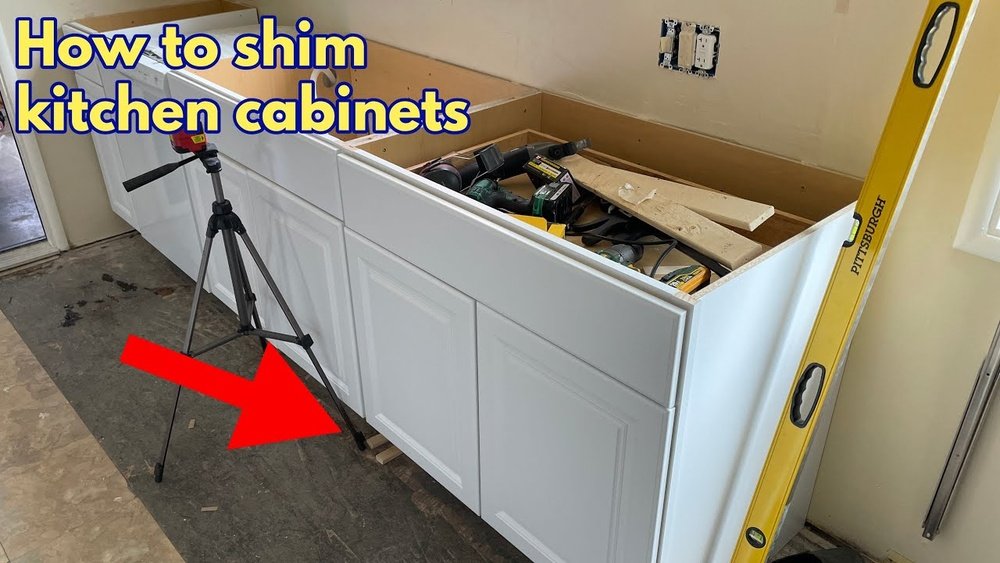
Shimming a cabinet is one of those tasks that seems simple at first glance, but often tests your patience and attention to detail. Whether you’re installing new kitchen cabinets, adjusting a bathroom vanity, or fixing an uneven built-in, getting cabinets perfectly level is critical.
If a cabinet leans or rocks, doors won’t align, drawers will stick, and the countertop may not fit right. Shimming solves these problems and gives your project a professional finish.
Many homeowners and even experienced DIYers find cabinet shimming confusing. What should you use for shims? Where exactly do they go? How do you make sure the cabinet stays secure? If you’re not careful, you can create gaps, stress the frame, or even weaken the attachment to the wall.
This article will walk you through each step, from understanding shims to advanced troubleshooting. You’ll learn how to choose the right materials, measure and check for level, install shims securely, and avoid common mistakes. By the end, you’ll have the confidence to tackle any shimming job, knowing your cabinets will stay solid for years.
Understanding Cabinet Shimming
Shimming means adding thin, wedge-shaped pieces—shims—under or behind a cabinet to adjust its position. Shims fill gaps and create a level base or surface, even if your floor or wall isn’t perfectly flat. Cabinets need to be level side to side and front to back so that everything works smoothly.
Why do you need to shim a cabinet? Most homes, even new ones, have small imperfections in the floor or walls. Over time, houses settle, and floors can sag. When you put a cabinet on an uneven surface, it may tilt, rock, or not sit flush against the wall. Shims correct these issues, supporting the cabinet firmly and evenly.
There are two main areas to shim:
- The base (floor): To make sure the cabinet sits level and stable.
- The back (wall): To close gaps so the cabinet attaches tightly.
If you skip shimming or do it poorly, problems will show up quickly. Drawers won’t slide, doors won’t close, and countertops can crack. In kitchens, even a tiny tilt can make a row of cabinets look crooked. Shimming is not just about looks—it protects your investment and makes daily life smoother.
Types Of Shims And Materials
Choosing the right shim material makes a big difference in cabinet installation. Not all shims are created equal, and some are better for specific situations.
Common Shim Materials
- Wood Shims
- Description: Tapered, softwood (usually pine or cedar) pieces, 6-8 inches long.
- Best For: Most base cabinet installations, especially on wood or concrete floors.
- Pros: Easy to cut, inexpensive, widely available.
- Cons: Can split if forced too hard, may compress slightly under heavy loads.
- Plastic Shims
- Description: Durable, non-tapered or slightly tapered plastic pieces.
- Best For: Areas with moisture, like bathrooms or basements.
- Pros: Won’t rot, compress, or attract insects. Consistent thickness.
- Cons: Harder to trim flush, can be slippery on some surfaces.
- Composite Shims
- Description: Made from recycled materials, similar to plastic but sometimes textured.
- Best For: Heavy cabinets or commercial installs.
- Pros: Strong, weather-resistant, available in various sizes.
- Cons: More expensive, less flexible.
- Metal Shims
- Description: Thin, flat sheets of steel or aluminum.
- Best For: Industrial or commercial settings, or for very precise leveling.
- Pros: Extremely strong, won’t compress, can be stacked.
- Cons: Hard to work with, sharp edges, overkill for most home projects.
When To Use Each Type
- For most kitchen or bathroom cabinets, wood shims are the top choice. They’re easy to cut and adjust, and you can usually find a whole pack for under $5.
- In damp areas (like a basement or laundry room), use plastic shims to avoid mold or rot.
- If you need very fine adjustments—such as for commercial cabinetry or heavy stone countertops—composite or metal shims might be worth the extra cost.
Non-obvious Insight
Many beginners don’t realize you can mix materials. For example, use a wood shim for rough leveling, then add a thin metal shim if you need a tiny adjustment. This layered approach gives you more control.
Tools And Supplies You Need
Having the right tools makes shimming faster and easier. Here’s what you’ll need:
- Shims (wood, plastic, or composite, as explained above)
- Level (24-inch or 48-inch recommended for accuracy)
- Tape measure
- Pencil or marker
- Utility knife or handsaw (for trimming shims)
- Hammer (if using wood shims)
- Screwdriver or drill
- Screws (for securing the cabinet to the wall)
- Carpenter’s square (for checking corners)
- Clamps (optional, helps hold the cabinet while you work)
- Pry bar (optional, for lifting heavy cabinets slightly)
Practical Tip
Always check your level for accuracy before starting. Lay it on a flat surface and see if the bubble centers. Cheap levels can be off and cause trouble.
Preparing For The Shim
Preparation is often overlooked, but it makes the process smoother and prevents mistakes later. Don’t rush to put the cabinet in place—spend a few minutes getting ready.
Check The Floor And Wall
Use your level to check where the cabinet will sit. Look for:
- Low spots: Where the floor dips or sags.
- High spots: Humps that may need to be sanded or chiseled down.
- Gaps at the back: Walls that bow inward can leave space behind the cabinet.
Mark any problem areas with a pencil. If the floor is badly uneven (more than 1/4″ over 4 feet), consider fixing the floor first.
Measure The Cabinet
- Check the cabinet base front to back and side to side. Note how much you’ll need to raise it.
- If installing a row of cabinets, start with the highest spot in the floor. This will be your reference point.
Dry Fit The Cabinet
- Set the cabinet in place without shims.
- Check for rocking or gaps under the base and at the wall.
- Mark where shims will be needed (front, back, corners, or center).
Hidden Problem Beginners Miss
Many people forget to check the plumb (vertical alignment) of the wall. If your wall leans in or out, you’ll need to shim behind the cabinet, not just the base. Use a level vertically against the wall to check.
How To Shim A Cabinet Step By Step
Shimming is all about small adjustments. Patience pays off—rushing leads to mistakes.
1. Position The Cabinet
Place the cabinet where it will be installed. If possible, remove the doors and drawers for easier handling and to avoid damage.
2. Level Side To Side And Front To Back
- Put your level across the top, side to side, and front to back.
- Find the lowest corner. This is where you’ll start adding shims.
- Slide shims under the cabinet base at the low spot, pushing them in until the bubble centers on the level.
3. Shim All Corners
- Add shims at the front and back corners as needed.
- Check the level after each adjustment.
- For long cabinets, add a shim every 16-24 inches for solid support.
4. Check For Rocking
- Gently push on opposite corners.
- If the cabinet rocks, add thin shims until it sits firmly.
5. Adjust For Wall Gaps
- If the wall bows inward and the back of the cabinet doesn’t touch, slide shims between the cabinet and wall at screw locations.
- Make sure shims are flush with the mounting rail.
6. Secure The Cabinet
- Once everything is level and solid, drive screws through the back of the cabinet into the wall studs.
- Tighten until snug, but don’t crush the cabinet frame.
- For base cabinets, install the countertop only after all shims and screws are secure.
7. Trim The Shims
- Use a sharp utility knife or handsaw to cut off the excess shim material sticking out.
- Score the shim, then snap off for a clean edge.
- If gaps remain visible at the toe kick, use a matching molding or filler strip.
Non-obvious Insight
Don’t glue shims in place unless you’re certain the cabinet position is final. Sometimes, you need to adjust or remove a shim after everything is fastened.
Advanced Shimming Techniques
Some situations require more than the basics. Here’s how to handle tricky installs.
Shimming Multiple Cabinets
When installing a row of cabinets, always start at the highest point on the floor. Set the first cabinet perfectly level and plumb. Shim and secure it before moving to the next. Each additional cabinet should be clamped to the previous one, aligned at the front, and then shimmed as needed.
This keeps the entire run straight and even.
Dealing With Out-of-plumb Walls
If your wall leans, you may need to use thick shims behind the cabinet. Place shims at screw locations and check with a level vertically. For severe bows, use two shims with the thick ends facing each other (creating a flat pad) for better support.
Shimming For Heavy Countertops
If you’ll be adding a stone or concrete countertop, use composite or metal shims for extra strength. Space shims evenly to support the weight, and double-check all measurements before securing the cabinet.
:max_bytes(150000):strip_icc()/FirstCabinet-0868cbc4bb344124927c107e9250e6ec.jpg)
Credit: www.woodmagazine.com
Common Mistakes And How To Avoid Them
Even experienced installers can make mistakes when shimming cabinets. Here are the most common errors and how to steer clear:
- Using Too Few Shims
- Skimping on shims leads to weak spots, sagging, or rocking.
- Solution: Place shims at all corners and every 16-24 inches for long cabinets.
- Over-Tightening Screws
- Crushing the cabinet frame or splitting wood shims.
- Solution: Tighten screws until snug, not so hard that the frame deforms.
- Not Rechecking Level
- Forgetting to check after every adjustment can throw off your results.
- Solution: Check with the level each time you add or move a shim.
- Cutting Shims Too Early
- Trimming before the cabinet is fully secured can leave gaps if the shim shifts.
- Solution: Only cut shims after all screws are installed and the cabinet is final.
- Ignoring the Wall
- Focusing only on the floor, not on wall gaps or plumb.
- Solution: Always check and shim behind the cabinet if needed.
- Mixing Shim Types Incorrectly
- Some materials don’t work well together (e.g., plastic on smooth tile can slip).
- Solution: Test the combination, or use only one type in visible areas.
- Skipping Dry Fit
- Failing to check fit before shimming wastes time.
- Solution: Always place the cabinet and check gaps first.
Real-world Example
A kitchen install in a 1950s home often means sloped or uneven floors. One installer found that the floor dropped almost half an inch over eight feet. By starting at the high point and using a mix of wood and composite shims, he kept the entire row of cabinets level and avoided gaps at the toe kick.
When To Call A Professional
Most shimming jobs are DIY-friendly, but some situations need expert help. Call a pro if:
- The floor is severely uneven (more than 1/2″ over a short distance).
- The wall is bowed or damaged, and cabinets won’t sit flush even with thick shims.
- You’re installing custom cabinets with expensive finishes, where mistakes are costly.
- Heavy countertops (like granite or quartz) need perfect support to avoid cracks.
A professional installer has specialized tools and can handle complex leveling, scribing, or building up the floor if necessary.

Credit: www.youtube.com
Comparing Shim Materials: Strength, Cost, And Use
Choosing the right shim isn’t just about availability—it’s about performance. Here’s a look at how common shim types compare.
| Shim Material | Strength | Moisture Resistance | Ease of Cutting | Cost (Per Pack) | Best Use |
|---|---|---|---|---|---|
| Wood | Medium | Poor | Easy | $3 – $7 | Standard cabinets |
| Plastic | High | Excellent | Medium | $6 – $12 | Wet areas |
| Composite | Very High | Excellent | Medium | $8 – $15 | Heavy cabinets |
| Metal | Extreme | Excellent | Difficult | $10 – $25 | Industrial/commercial |
Step-by-step Shimming Vs. Quick Fixes
Some installers try quick fixes, like stuffing cardboard or folded paper under cabinets. Here’s how shimming compares to shortcuts.
| Method | Durability | Precision | Appearance | Professional Recommendation |
|---|---|---|---|---|
| Proper Shimming | High (years) | Excellent | Invisible | Yes |
| Cardboard/Paper | Low (months) | Poor | May show gaps | No |
| Coins/Washers | Medium | OK for small gaps | Can rattle | Sometimes, for emergencies |
Frequently Asked Questions
What Is The Best Material For Cabinet Shims?
The best material depends on your situation. Wood shims are great for most home installs—they’re cheap, easy to cut, and work well on wood or concrete floors. Plastic or composite shims are better in damp areas, as they won’t rot or compress. For very heavy cabinets or stone countertops, consider composite or metal shims for added strength.
How Thick Should Shims Be For Cabinets?
Most shims are tapered from about 1/32″ up to 1/4″ thick. You can stack shims to fill larger gaps, but avoid stacking more than two or three deep. For very thick gaps, consider using a solid block in combination with a shim for fine adjustment.
Can I Use Cardboard Or Folded Paper As A Shim?
It’s not recommended. Cardboard and paper compress over time and can attract moisture, which leads to sagging cabinets and possible mold. Always use real shims—wood, plastic, or composite—for a durable, professional result.
How Do I Hide Shims After Installation?
After securing the cabinet and trimming excess shims, cover any visible gaps with toe kick molding or a filler strip that matches your cabinets. Some installers use color-matched caulk for tiny gaps, especially under bathroom vanities.
Do I Need To Shim Both The Base And The Back Of The Cabinet?
Yes, in most cases. Shim the base to level the cabinet side to side and front to back. Shim the back (at screw locations) if there are gaps between the cabinet and wall—especially if the wall is bowed or not plumb. This ensures a secure, flush fit.
Final Thoughts
Shimming a cabinet might look like a small detail, but it’s the foundation of a long-lasting, professional installation. With the right materials, careful measurements, and attention to both base and wall gaps, you’ll have cabinets that not only look great but work perfectly. Remember, patience is your best tool—small adjustments lead to big results. If you ever feel stuck, don’t hesitate to ask for help or consult an expert. For more on home improvement techniques, you might find this resource helpful: Family Handyman.
With these steps and insights, shimming cabinets becomes a manageable, even satisfying, DIY project. Your kitchen, bathroom, or built-in will thank you every time you open a door or drawer—and you’ll know your work is built to last.

Credit: www.reddit.com