
Reconfiguring your kitchen is one of the most rewarding projects you can tackle in your home. A well-designed kitchen not only looks beautiful but also makes daily life easier and more enjoyable. Whether your kitchen is small and cramped or simply outdated, a smart reconfiguration can completely change how you cook, clean, and connect with your family.
But taking on a kitchen remodel can feel overwhelming, especially if you’ve never done it before. There are many decisions to make, from layout and appliances to lighting and storage.
This guide will walk you through everything you need to know to successfully reconfigure your kitchen. You’ll learn how to plan the new layout, choose the right materials, avoid costly mistakes, and get the most out of your investment. Along the way, you’ll find practical advice, real-world examples, and insights that even many homeowners overlook.
With careful preparation and the right information, you can transform your kitchen into a space that truly works for you.
Why Reconfigure A Kitchen?
People decide to reconfigure their kitchens for many reasons. Often, the current layout does not fit modern needs. Maybe the kitchen is closed off from the rest of the house, or you bump into others while cooking. Older kitchens often lack good storage and have limited counter space.
Appliances may be outdated or located in awkward spots.
A new configuration can fix these problems. You can create better flow, add efficient storage, and make cooking more enjoyable. In some cases, a reconfigured kitchen can even increase your home’s value. According to Remodeling Magazine, a minor kitchen remodel can return about 77% of its cost when you sell your home.
But the benefits are not just financial. Imagine cooking in a bright, open kitchen where everything you need is within reach. Hosting friends becomes easier, and your family can gather comfortably. A smart kitchen reconfiguration truly improves your quality of life.
Setting Your Goals And Budget
Before you start drawing plans or buying materials, it’s important to set clear goals. Why do you want to reconfigure your kitchen? Are you hoping for more space, better storage, or a modern look? Each goal will affect your design choices.
Next, set a realistic budget. Kitchen remodels can vary widely in cost. In the US, the average kitchen remodel costs between $13,000 and $38,000, depending on the size and scope. High-end projects can cost much more. Decide what you can afford, and always keep a 10-20% buffer for unexpected expenses.
Here are some key questions to ask yourself:
- What do I dislike about my current kitchen?
- How do I want to use the new space?
- What is my must-have list (for example, an island or more storage)?
- What can I live without if needed?
Take the time to prioritize your needs. Some people focus on functionality, while others care most about style. Be honest about what matters most to you.
Evaluating Your Current Kitchen
A successful kitchen reconfiguration starts with a close look at your existing space. Take detailed measurements of your kitchen, including:
- Wall lengths
- Ceiling height
- Window and door locations
- Existing plumbing, gas, and electrical lines
Draw a simple floor plan on paper or use a free online tool. Mark where your appliances, sink, and cabinets are now. Notice areas that feel crowded or unused.
Next, pay attention to how you move in the space. Do you walk too far between the fridge, stove, and sink? Is there enough counter space for food prep? Do cabinet doors bump into each other? These small daily annoyances are clues for what to improve.
Also, look for hidden problems. Check for water damage under the sink and around windows. Notice if the floor feels uneven. These issues can affect your design and budget.
Understanding Kitchen Layouts
The layout is the backbone of any kitchen reconfiguration. The right layout makes cooking easier and maximizes every inch. The wrong layout can lead to frustration and wasted space.
Here are the most common kitchen layouts:
| Layout Type | Best For | Key Features |
|---|---|---|
| Galley | Small spaces, one-cook kitchens | Two parallel counters, efficient workflow |
| L-Shaped | Open concept, medium kitchens | Countertops on two adjoining walls, open to room |
| U-Shaped | Larger kitchens, families | Counters on three walls, lots of storage |
| Island | Open, spacious kitchens | Freestanding counter in center, social hub |
| Penninsula | Medium spaces, partial open plan | Connected counter juts into room, extra surface |
Choosing the right layout depends on your space and needs. For example, a galley kitchen works well in apartments, while an island layout is perfect for families who love to cook together. Don’t force a popular layout if it doesn’t fit your room.
The Work Triangle
One classic design rule is the kitchen work triangle. This means placing your sink, stove, and refrigerator in a triangle shape for easy movement. Each side of the triangle should be between 4 and 9 feet, and the total distance should not exceed 26 feet. This keeps you from walking too far or crowding your workspace.
However, modern kitchens may use zones instead of a strict triangle. For example, you might have a baking zone, a prep zone, and a cleanup zone. Think about how you cook and plan your layout around your habits.
Planning For Storage
A common mistake in kitchen design is not planning enough storage. Modern kitchens need space for pots, pans, food, small appliances, and cleaning supplies. But simply adding more cabinets isn’t always the answer.
Smart storage is about making everything easy to reach and organize. Consider these tips:
- Drawers vs. doors: Deep drawers are better for pots and pans, while cabinets with doors suit food storage.
- Pull-out trays: These make it easy to access items in the back of lower cabinets.
- Vertical storage: Use tall cabinets or open shelves for baking sheets, cutting boards, or trays.
- Corner solutions: Lazy Susans or pull-out shelves can turn awkward corners into usable space.
- Hidden storage: Toe-kick drawers or pull-out spice racks add storage without taking extra room.
Think about your daily routine. Where will you keep utensils, spices, or cleaning products? The best kitchens let you grab what you need without hunting.
Selecting Appliances
Choosing the right appliances is a big part of reconfiguring your kitchen. Today’s appliances are more efficient and offer advanced features. But bigger is not always better. It’s important to balance size, features, and budget.
Here’s a quick comparison of common kitchen appliances:
| Appliance | Standard Size (W x H x D) | Key Factors |
|---|---|---|
| Refrigerator | 36” x 70” x 33” | Energy use, door style, water dispenser |
| Range/Oven | 30” x 36” x 28” | Gas vs. electric, convection, self-clean |
| Dishwasher | 24” x 35” x 24” | Noise level, cycles, panel-ready |
| Microwave | 24” x 14” x 16” | Countertop vs. built-in, wattage |
Be sure your new layout allows enough space for each appliance, including door swing and ventilation. For example, opening a refrigerator door shouldn’t block a main walkway.
Non-obvious tip: Check the location of water lines, gas pipes, and electrical outlets before you buy appliances. Moving these can increase costs and cause delays.
Lighting: More Than Overhead Fixtures
Many kitchens are underlit, especially if you only have one ceiling fixture. Good lighting makes a huge difference in how your kitchen feels and functions.
Layered lighting works best:
- Ambient lighting: General overhead light, often recessed or flush-mount fixtures.
- Task lighting: Lights under cabinets or over the sink, so you can see your work.
- Accent lighting: Small lights in glass cabinets or above open shelves for style.
- Natural light: Maximize windows or consider adding a skylight.
Don’t forget about dimmers. These let you adjust the brightness for cooking, cleaning, or entertaining. Also, try to use energy-efficient LED bulbs, which last longer and use less power.
Overlooked detail: Make sure outlets and switches are placed where you actually need them—not just where the old ones were. Consider a few USB outlets for charging devices.
Flooring, Walls, And Surfaces
Your kitchen surfaces take a lot of abuse. Spills, drops, and heavy foot traffic are common, so choose materials that are both attractive and durable.
Flooring
Popular kitchen flooring options include:
- Tile: Water-resistant, easy to clean, but can be cold and hard on feet.
- Hardwood: Warm look, can be refinished, but sensitive to water.
- Vinyl/Luxury Vinyl Plank: Affordable, water-resistant, softer underfoot.
- Laminate: Looks like wood or stone, budget-friendly, but not as long-lasting.
Insider tip: Consider slip-resistant finishes, especially if you have kids or elderly family members.
Countertops
Countertops set the style for your kitchen. Common materials are:
- Quartz: Durable, low-maintenance, many colors.
- Granite: Natural stone, unique patterns, needs sealing.
- Laminate: Inexpensive, easy to install, less durable.
- Butcher block: Warm look, good for chopping, needs regular oiling.
Choose a surface that fits your budget and cooking habits. For example, if you bake a lot, a cool marble section is ideal for rolling dough.
Walls And Backsplash
A backsplash not only protects your walls but also adds color and style. Popular choices include ceramic tile, glass, stainless steel, or even stone.
Non-obvious insight: Run your backsplash all the way to the ceiling behind the stove for easy cleaning and a modern look.
Open Concept Vs. Closed Kitchen
One big decision is whether to open your kitchen to other rooms or keep it separate. Open kitchens are popular because they let you cook and socialize at the same time. Removing a wall can make a small home feel much larger.
However, open kitchens can be noisy and messy. Smells and sounds travel easily, and you lose some wall space for cabinets.
Here’s a quick summary:
| Feature | Open Concept | Closed Kitchen |
|---|---|---|
| Interaction | Easy to socialize | Quiet, private |
| Storage | Less wall space | More cabinets possible |
| Noise/Smell | Travel easily | Contained |
| Style | Modern, airy | Traditional, cozy |
Choose the style that fits your lifestyle. If you love to entertain, an open kitchen is a great choice. If you prefer a quiet space for cooking, a closed kitchen may suit you better.
Hiring Professionals Vs. Diy
Many homeowners wonder if they should hire a contractor or do the work themselves. The answer depends on your skills, the project’s size, and local building codes.
When to DIY:
- Painting, installing shelves, or assembling cabinets
- Simple backsplash or flooring
When to hire a pro:
- Moving plumbing, gas, or electrical lines
- Removing walls (especially load-bearing)
- Installing countertops or major appliances
A professional designer or contractor can help you avoid mistakes and save time. They can also handle permits and inspections. If you want to do some work yourself, consider a hybrid approach—hire pros for complex tasks and do the rest on weekends.
Unseen risk: Skipping permits or ignoring codes can lead to fines or problems when selling your home. Always check local rules before you start.
Step-by-step Guide To Reconfiguring A Kitchen
Here is a practical roadmap for your kitchen reconfiguration:
- Assess your needs and budget: Decide what you want and how much you can spend.
- Measure and analyze your current space: Create a detailed floor plan.
- Research layouts and storage solutions: Find ideas that match your space.
- Choose your style and finishes: Collect photos of kitchens you like.
- Hire a designer or contractor (if needed): Get professional help for complex work.
- Order materials and appliances: Allow extra time for delivery delays.
- Get permits and schedule inspections: Don’t skip the paperwork.
- Demo the old kitchen: Remove cabinets, appliances, and old finishes.
- Update plumbing, electrical, and HVAC: Fix any hidden problems now.
- Install flooring and paint walls: Do this before new cabinets arrive.
- Install cabinets and countertops: Follow manufacturer instructions.
- Add appliances and lighting: Make sure everything works correctly.
- Finish details: Backsplash, hardware, and final touch-ups.
- Clean and organize: Move in and set up your new kitchen.
This step-by-step process helps you stay organized and avoid common delays.
Mistakes To Avoid
Even experienced homeowners can make costly errors. Here are some common mistakes—and how to avoid them:
- Forgetting workflow: Don’t place the dishwasher too far from the sink or the stove too close to a doorway.
- Choosing style over function: Beautiful surfaces are important, but not at the expense of usability.
- Ignoring small details: Soft-close hinges, pull-out trash bins, and extra outlets make a big difference.
- Underestimating costs: Always keep a buffer for surprises.
- Rushing decisions: Take time to test samples and think through choices.
Pro insight: Live with your plan for a few days before making final decisions. Walk through your daily routine in your head or even with tape on the floor. This helps catch problems early.
Making The Most Of A Small Kitchen
Small kitchens can be challenging, but smart design can make them feel much larger. Use these strategies:
- Choose light colors for walls and cabinets to reflect light.
- Open shelving can make a small kitchen look bigger, but keep it tidy.
- Compact appliances save space and still work well.
- Multipurpose islands with storage, seating, and prep space maximize function.
- Sliding doors on pantries or laundry areas save space compared to swinging doors.
Hidden gem: Use mirrors or glass cabinet doors to visually expand the space.
Eco-friendly Kitchen Upgrades
If you want a greener kitchen, consider these changes:
- Energy Star appliances use less water and electricity.
- LED lighting saves energy.
- Recycled materials for countertops or flooring.
- Low-VOC paints improve indoor air quality.
- Compost bins for food scraps reduce waste.
Look for rebates or tax credits for energy-efficient upgrades. An eco-friendly kitchen is healthier and can lower your utility bills.
:strip_icc()/BHG-White-Kitchen-Vertical-En5clTIca3S9R15G1GS4-9-666e78860f3543e7945481e44128f171.jpg)
Credit: www.bhg.com
Preparing For Life During The Remodel
A kitchen reconfiguration can take several weeks or even months. Plan ahead so you can manage daily life with less stress.
- Set up a temporary kitchen in another room with a microwave, toaster oven, and mini-fridge.
- Stock up on disposable plates and utensils to avoid washing dishes in the bathroom.
- Prepare and freeze meals ahead of time.
- Expect dust and noise—protect furniture and seal off other rooms if possible.
Unseen challenge: Delays are common, especially with materials and permits. Stay flexible and communicate often with your contractor.
Real-world Example
Let’s look at a real example. Sarah, a homeowner in Austin, had a small, closed kitchen. The sink faced a wall, and there was no room for an island. By removing a non-load-bearing wall and choosing an L-shaped layout with a peninsula, she gained:
- 25% more countertop space
- An eat-in breakfast bar for her kids
- Brighter light from a new window
Sarah spent $27,000 on the project. She chose mid-range appliances, quartz countertops, and vinyl plank flooring. The kitchen now feels twice as big, and her home’s value increased by about $20,000, according to a local realtor.
Lesson: Small changes—like removing a wall and choosing efficient storage—can have a big impact without breaking the bank.

Credit: www.foxyoxie.com
Final Checks Before You Finish
Before calling your remodel complete, walk through your kitchen and check:
- Are all appliances working and correctly installed?
- Do cabinet doors and drawers open smoothly?
- Is there enough light in work areas?
- Are all surfaces sealed and protected?
- Is the kitchen clean and ready for use?
Ask your contractor for all warranties and manuals. Take photos for your records and for insurance.
Frequently Asked Questions
How Long Does A Kitchen Reconfiguration Usually Take?
Most projects take 4 to 12 weeks, depending on the size and complexity. Simple updates may finish in a month, but moving plumbing or removing walls adds time. Delays with materials or permits are common, so build in extra time.
Do I Need A Permit To Reconfigure My Kitchen?
Usually, yes—especially if you move plumbing, electrical, or remove walls. Check with your local building department before you start. Skipping permits can cause problems when you sell your home.
What’s The Difference Between Reconfiguring And Remodeling A Kitchen?
Reconfiguring means changing the layout—moving appliances, walls, or plumbing. Remodeling can include new cabinets and finishes but may not change the kitchen’s shape. Reconfiguring is more complex but often has a bigger impact.
How Can I Save Money On My Kitchen Reconfiguration?
Keep existing plumbing and electrical in place if possible. Choose ready-to-assemble cabinets and mid-range appliances. Do simple tasks yourself, like painting. Shop around for deals on materials and wait for sales.
Where Can I Find Design Inspiration And Trusted Resources?
Look at kitchen showrooms, home improvement magazines, and sites like Houzz or Pinterest. For expert advice and official guidelines, check the National Kitchen & Bath Association.
A well-planned kitchen reconfiguration can transform your home and your daily life. With the right steps, careful choices, and a clear vision, you’ll create a kitchen that works for you now and in the future.
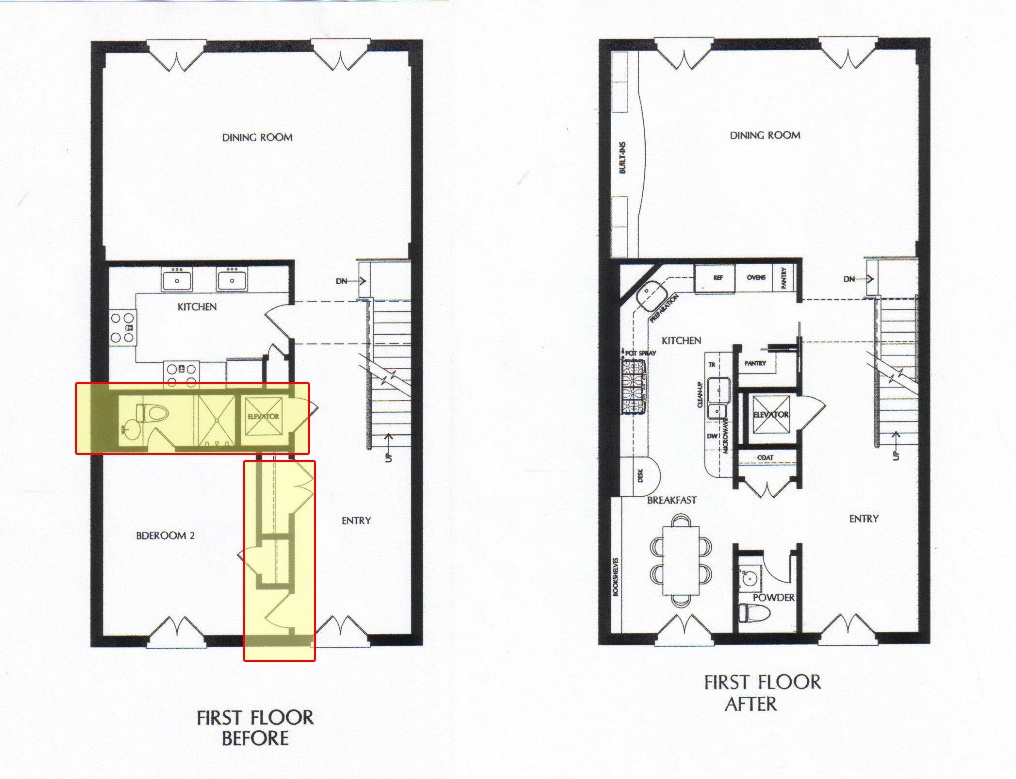
Credit: www.gilday.com