
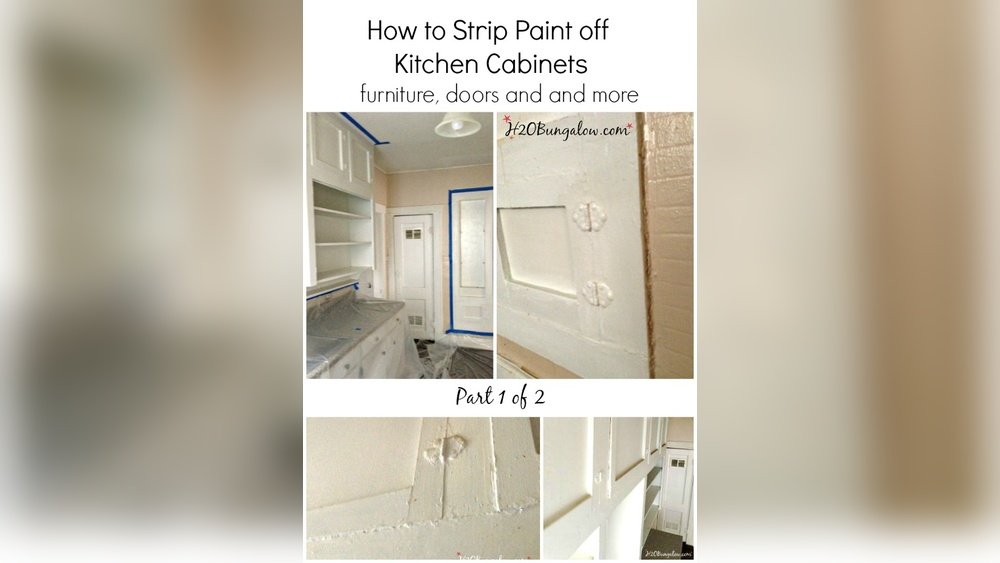
Stripping Painted Kitchen Cabinets: A Complete Guide For Homeowners
Many kitchens have painted cabinets. Over time, paint gets damaged, dirty, or simply goes out of style. If you want a fresh look or plan to refinish the cabinets, removing old paint is a must. But stripping painted kitchen cabinets is not easy.
It requires patience, the right tools, and careful steps to protect the wood underneath. Done correctly, you can transform your kitchen and reveal the natural beauty of your cabinets.
This guide will walk you through everything needed to strip painted kitchen cabinets. You’ll learn how to choose the best stripping method, what tools you need, safety tips, step-by-step instructions, and how to avoid common mistakes. Whether you want to repaint, stain, or leave the wood bare, this article will help you get the job done right.
Why Strip Painted Cabinets?
Painted cabinets can look great. But over time, paint chips, cracks, and fades. Sometimes, multiple layers of paint make the surface feel rough or uneven. Stripping cabinets removes all old paint and lets you start fresh.
Here are some reasons homeowners strip painted kitchen cabinets:
- Reveal natural wood grain for a classic look.
- Change cabinet color without painting over old layers.
- Remove lead paint for safety.
- Fix surface problems like peeling, bubbles, or thick paint buildup.
Stripping is often needed before staining, varnishing, or applying a new finish. If you simply paint over old paint, you risk poor adhesion and a messy look.
Choosing The Right Stripping Method
Not all cabinets are the same, and not all paint types strip easily. There are three main ways to strip painted kitchen cabinets:
- Chemical paint strippers
- Heat guns
- Manual sanding
Each method has pros and cons. The best choice depends on the cabinet material, paint type, how many layers, and your safety concerns.
Chemical Paint Strippers
These products dissolve paint, making it easy to scrape off. They work well on thick or multiple layers and are available in liquid, gel, or paste form.
Pros:
- Effective on most paints
- Good for detailed areas
- Less physical effort
Cons:
- Can be messy
- May contain harsh chemicals
- Need good ventilation
Heat Guns
A heat gun softens paint, which you then scrape away. This is best for flat surfaces and latex paint.
Pros:
- No chemicals
- Works fast
Cons:
- Can scorch wood
- Not good for intricate areas
- Risk of fire
Manual Sanding
Using sandpaper or a sanding machine, you wear away the paint. This is best for small areas or thin paint.
Pros:
- No chemicals
- Reveals wood grain
Cons:
- Labor-intensive
- Dusty
- Can damage wood if overdone
Here’s a quick comparison of stripping methods:
| Method | Best For | Drawbacks |
|---|---|---|
| Chemical Stripper | Thick/multi-layer paint, details | Messy, ventilation needed |
| Heat Gun | Flat surfaces, latex paint | Risk of wood damage |
| Sanding | Small areas, thin paint | Slow, can scratch wood |

Credit: www.twofeetfirst.net
Gathering Tools And Supplies
Before you start stripping cabinets, gather all the necessary tools. Being prepared saves time and reduces mistakes.
Essential tools and supplies:
- Paint stripper (chemical, heat gun, or sandpaper)
- Scraper (plastic or metal)
- Screwdriver (for removing cabinet doors and hardware)
- Drop cloths (to protect floors and counters)
- Safety gear (gloves, goggles, mask)
- Bucket and rags (for cleanup)
- Painter’s tape (for masking areas)
- Brush (for applying stripper)
- Steel wool or abrasive pad (for stubborn spots)
Optional but helpful:
- Shop vacuum (for dust)
- Plastic sheets (for sealing off kitchen area)
- Detail tools (small brushes or picks for corners)
Here’s a summary table of main tools:
| Tool | Purpose | Tips |
|---|---|---|
| Paint Stripper | Removes paint | Choose safe, low-odor products |
| Scraper | Peels off softened paint | Plastic is gentler on wood |
| Screwdriver | Removes doors/hardware | Label screws for easy reassembly |
| Safety Gear | Protects skin, eyes, lungs | Always wear gloves/mask |
| Sanding Tools | Smooths surface | Use fine grit for finishing |
Preparing Your Kitchen And Cabinets
Preparation is often overlooked, but it’s key to good results. Before stripping, clear and protect your workspace.
Steps For Preparation
1. Remove Cabinet Doors And Hardware:
Use a screwdriver to take off doors, drawers, and all handles or hinges. This makes stripping easier and prevents damage.
2. Label Everything:
Put small labels on doors and hardware so you can reassemble correctly.
3. Cover Nearby Surfaces:
Lay drop cloths or plastic sheets on countertops and floors. Mask off backsplash, appliances, and walls with painter’s tape.
4. Clean Cabinets:
Wipe surfaces with a mild cleaner to remove grease and dirt. This helps the stripper work better.
5. Ventilate The Kitchen:
Open windows and use fans if possible. Chemical strippers can release fumes.
6. Seal Off Kitchen Area:
Use plastic sheets to block off the workspace from other rooms. This keeps dust and fumes contained.
Pro tip:
Take photos as you disassemble. It’s a simple way to remember how everything fits together.

Credit: www.youtube.com
Safety First: Protecting Yourself And Your Home
Stripping paint involves risks, especially with chemicals or heat. Safety is not just about wearing gloves—it’s about protecting your lungs, eyes, and home.
Key Safety Tips
- Always wear protective gloves and goggles.
- Use a respirator mask when working with chemicals or sanding.
- Keep children and pets away from the workspace.
- Read product labels and follow instructions.
- Work in a well-ventilated area or outdoors if possible.
- Do not mix chemicals—some combinations can create dangerous fumes.
- Store all chemicals safely and away from heat or open flames.
Non-obvious insight:
Many older homes have lead-based paint on cabinets. If your house was built before 1978, test for lead using a kit from a hardware store. If lead is present, consider hiring a professional or follow strict safety rules.
Step-by-step: Stripping Painted Kitchen Cabinets
Now, let’s break down the stripping process into clear steps. This section will cover chemical stripping, heat gun, and sanding methods.
Step 1: Removing Cabinet Doors And Hardware
Start by taking off all doors, drawers, and hardware. This gives you full access and prevents damage to hinges or handles.
- Use a screwdriver to remove screws.
- Place hardware in labeled bags.
- Stack doors and drawers in a safe area.
Example:
Some homeowners skip this step and work on cabinets in place. This leads to uneven results and makes cleanup harder.
Step 2: Protecting Surrounding Surfaces
Cover countertops, floors, and appliances with drop cloths. Use painter’s tape to mask off edges and seams.
- Lay plastic sheets under cabinet frames.
- Tape off backsplash and wall edges.
- Seal kitchen area with plastic if possible.
Step 3: Cleaning Cabinet Surfaces
Paint stripper works best on clean surfaces. Remove grease, dust, and food residue with a mild detergent and warm water.
- Wipe surfaces with a sponge.
- Dry completely before stripping.
Step 4: Applying Paint Stripper
Chemical Stripping Method:
- Stir or shake the paint stripper as directed.
- Use a brush to apply a thick, even coat.
- Cover all painted areas, especially corners and grooves.
- Wait the recommended time (usually 15–30 minutes).
Non-obvious insight:
Applying a second coat after the first starts to soften paint can speed up the process for thick layers.
Heat Gun Method:
- Set heat gun to low or medium.
- Hold 2–3 inches from the surface.
- Move slowly in small sections.
- When paint bubbles, scrape gently.
Sanding Method:
- Start with coarse sandpaper (80–120 grit).
- Sand in the direction of the wood grain.
- Switch to finer grit (220–320) for finishing.
Pro tip:
For detailed areas, use a small brush or pick to get into corners.
Step 5: Scraping Off Paint
Once the paint softens or bubbles, use a scraper to remove it.
- Work gently to avoid gouging the wood.
- Scrape in the direction of the grain.
- Use steel wool for stubborn spots.
Example:
Plastic scrapers are best for soft woods like pine. Metal scrapers can damage the surface.
Step 6: Removing Residue And Cleaning
After scraping, wipe the surface with a damp rag. Some strippers leave a residue that must be cleaned off.
- Use a recommended cleaner or mineral spirits.
- Rinse with clean water.
- Dry with a soft cloth.
Non-obvious insight:
Skipping residue removal can cause new paint or stain to peel or not adhere well.
Step 7: Sanding And Smoothing
Once all paint is removed, sand the surface to smooth out any rough areas.
- Use fine grit sandpaper (220–320).
- Sand lightly and evenly.
- Pay attention to corners and edges.
Pro tip:
A sanding sponge works well for curves and grooves.
Step 8: Inspecting For Damage
Check the cabinets for gouges, scratches, or leftover paint. Fill holes with wood filler if needed.
- Let filler dry, then sand smooth.
- Repeat stripping steps for missed spots.
Step 9: Final Cleaning
Wipe down all surfaces with a damp cloth to remove dust. Let the cabinets dry fully before refinishing.
- Use a shop vacuum for extra dust.
- Check for any missed paint or residue.
Troubleshooting Common Problems
Stripping cabinets is rarely perfect on the first try. Here are some common issues and how to fix them.
Paint Won’t Come Off
If paint is stubborn, apply a second coat of stripper. Let it sit longer. For thick layers, try a stronger stripper or switch methods.
Wood Gets Damaged
If the wood scorches or scratches, stop immediately. Sand lightly to repair. Avoid using metal tools on soft woods.
Residue Won’t Clean
Some strippers leave oily or sticky residue. Use mineral spirits or the manufacturer’s recommended cleaner. Let surfaces dry fully.
Lead Paint Concerns
If you suspect lead paint, use a test kit. If positive, follow EPA guidelines or hire a pro.
Patchy Results
Sometimes, paint comes off unevenly. Apply more stripper to patchy spots, scrape gently, and sand for a smooth finish.
Tips For Best Results
- Work in small sections for better control.
- Don’t rush—patience leads to better results.
- Test stripper on a hidden area first.
- Keep tools clean to avoid spreading old paint.
- Use fine grit sandpaper for final smoothing.
- Label everything for easy reassembly.
How Long Does It Take?
Stripping painted kitchen cabinets is not a quick job. Time depends on cabinet size, paint thickness, and method used.
Average time estimates:
- Small kitchen: 1–2 days
- Medium kitchen: 2–3 days
- Large kitchen: 3–5 days
Drying time between steps adds extra hours. Don’t rush the process.
Cost Comparison: Diy Vs Professional
Many homeowners wonder whether to do the job themselves or hire a pro. Here’s a cost comparison:
| Method | Estimated Cost | Pros | Cons |
|---|---|---|---|
| DIY | $50–$200 (tools, supplies) | Lower cost, personal satisfaction | Time-consuming, risk of mistakes |
| Professional | $500–$2,000 | Fast, expert results | Higher cost |
Pro tip:
DIY is best for small kitchens or experienced homeowners. Large or historic kitchens may benefit from professional help.
After Stripping: What’s Next?
Once your cabinets are stripped, you have several options:
- Stain the wood for a natural look.
- Paint with a fresh color for a modern style.
- Apply clear varnish for durability.
- Leave bare for a rustic effect.
Non-obvious insight:
Let stripped cabinets rest for 24 hours before applying new finish. Wood needs time to dry and release any chemical residue.
Avoiding Common Mistakes
Stripping cabinets is tricky. Here are mistakes to avoid:
- Not removing hardware: Paint or stripper can damage handles and hinges.
- Skipping ventilation: Fumes can build up quickly.
- Using wrong tools: Metal scrapers on soft wood cause scratches.
- Rushing the process: Paint needs time to soften.
- Not cleaning residue: New finishes won’t stick.
- Ignoring safety: Always wear protective gear.
- Not testing for lead: Lead paint is a health hazard.
- Over-sanding: Too much sanding can ruin wood details.
- Not labeling parts: Makes reassembly confusing.
- Applying finish too soon: Wait for full drying.
Real-life Example: Transforming A Kitchen
Emma, a homeowner in Ohio, wanted to reveal the wood grain of her oak cabinets. She chose a gel-based paint stripper, removed all doors and hardware, and worked over three days. Emma used plastic scrapers, sanded gently, and wiped surfaces clean.
After drying, she stained the cabinets a rich walnut color. Her kitchen looked brand new, and she saved over $1,000 by doing it herself.
Pro tip:
Document your process with photos. If you plan to sell your home, before-and-after pictures impress buyers.
Environment-friendly Options
Many paint strippers contain harmful chemicals. If you want a greener option:
- Choose soy-based or citrus-based strippers.
- Avoid products with methylene chloride.
- Use sanding and heat gun methods for zero chemicals.
Non-obvious insight:
Eco-friendly strippers take longer to work, but are safer for your family and pets.
For more information on safe paint removal, visit EPA Lead-Safe Certification.
Frequently Asked Questions
What Is The Safest Way To Strip Painted Cabinets?
The safest method is to use eco-friendly paint strippers or manual sanding. Always wear protective gear, ventilate the area, and avoid products with harsh chemicals like methylene chloride.
Can I Strip Cabinets Without Removing Doors?
It’s possible, but not recommended. Removing doors gives better access, helps prevent drips, and avoids damaging hinges or hardware.
How Do I Test For Lead Paint?
Buy a lead paint test kit from a hardware store. Follow the instructions. If the test is positive, follow EPA guidelines for safe removal or hire a professional.
How Do I Clean Up After Stripping?
Wipe surfaces with a damp cloth. Use mineral spirits if needed for residue. Vacuum up dust. Let cabinets dry fully before applying new finish.
What Should I Do If Paint Won’t Come Off?
Apply a second coat of stripper, let it sit longer, or try a different method. For thick paint, switch to a stronger product or use a heat gun for stubborn spots.
Final Thoughts
Stripping painted kitchen cabinets is a big project, but the results are worth the effort. With the right tools, careful preparation, and patient steps, you can reveal beautiful wood and create a fresh look for your kitchen. Remember to protect yourself, work slowly, and pay attention to detail.
Whether you choose to stain, paint, or varnish, stripped cabinets can transform your kitchen into a space you’ll love for years.
Take your time, follow the steps, and enjoy the satisfaction of a job well done. If you need more guidance or want to check safe products, visit the EPA’s lead-safe site for expert advice. Your kitchen deserves the best, and with careful stripping, you’ll achieve results that last.

Credit: www.reddit.com