
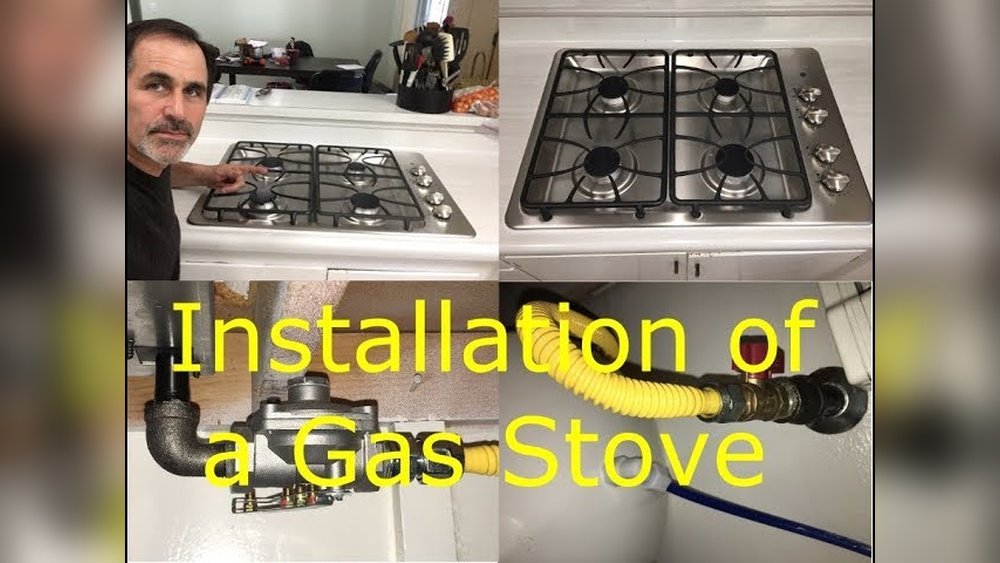
Switching from an electric stove to a gas stove is a big decision for any homeowner or tenant who loves cooking. Many people prefer gas stoves for their precise heat control and fast response time. But the process of converting an electric stove to gas is not simple or quick. It involves understanding your kitchen’s setup, making the right choices, and following safe installation steps. If you are considering this change, you are not alone. Gas ranges have become more popular in many homes, but getting there requires careful planning and professional guidance.
This guide will walk you through everything you need to know to successfully and safely convert your electric stove to gas. We’ll cover how to check your home’s gas line situation, what parts and tools you’ll need, the steps of the conversion, safety rules, and even the costs and common problems people face.
By the end, you’ll have a clear understanding of what’s involved, what to expect, and whether this project is right for you.
Why People Convert Electric Stoves To Gas
People choose to switch from electric to gas stoves for several reasons. Gas stoves often heat up faster and allow for better heat control. Many cooks feel that gas gives more even cooking and makes it easier to simmer, sear, or boil food just the way they want.
Some people also convert for energy reasons. Gas stoves can be less expensive to operate in areas where natural gas costs less than electricity. Others simply like the look and feel of a gas range in their kitchen.
However, there are also challenges. Not every home is set up for gas. Some apartments or homes may not allow gas stoves, and safety is always a concern. It’s important to look at both the benefits and drawbacks before starting the process.
Understanding Your Home’s Setup
Before you even buy a new gas stove, you must check if your home can support one. This section will help you understand what to look for and what you’ll need.
Gas Supply: Natural Gas Or Propane
First, find out if your home already has a natural gas line. Many city homes do, but some rural or older homes do not. If you do not have a gas line, you may be able to use propane tanks instead. Propane is common in rural areas but requires a different setup.
If you are not sure, look for a gas meter outside your house or ask your landlord or gas company. If you do not have a gas line, adding one can be expensive and may require city permits.
Electricity Supply
Most gas stoves still need some electricity for lights, igniters, and sometimes for convection fans. Check if you have a standard 120-volt outlet near your stove. If your current electric stove uses a large 240-volt plug, you may need to add a new outlet.
Kitchen Space And Ventilation
A gas stove needs enough space and proper ventilation. Gas produces combustion gases, so a good range hood or vent is important. Measure your kitchen to make sure your new stove will fit.
Building Codes And Local Rules
Some cities or apartments have rules about gas appliances. Always check local building codes before starting. You may need a permit, and in many places, only licensed professionals can do gas work.
Table: Electric Vs Gas Stove Requirements
Here’s a quick comparison of what each stove type needs:
| Feature | Electric Stove | Gas Stove |
|---|---|---|
| Power Supply | 240V Electric Outlet | 120V Electric Outlet + Gas Line |
| Ventilation | Basic Range Hood | Strong Range Hood Recommended |
| Installation Complexity | Simple Plug-in | Requires Gas Hookup |
| Permits Needed | Rarely | Often |
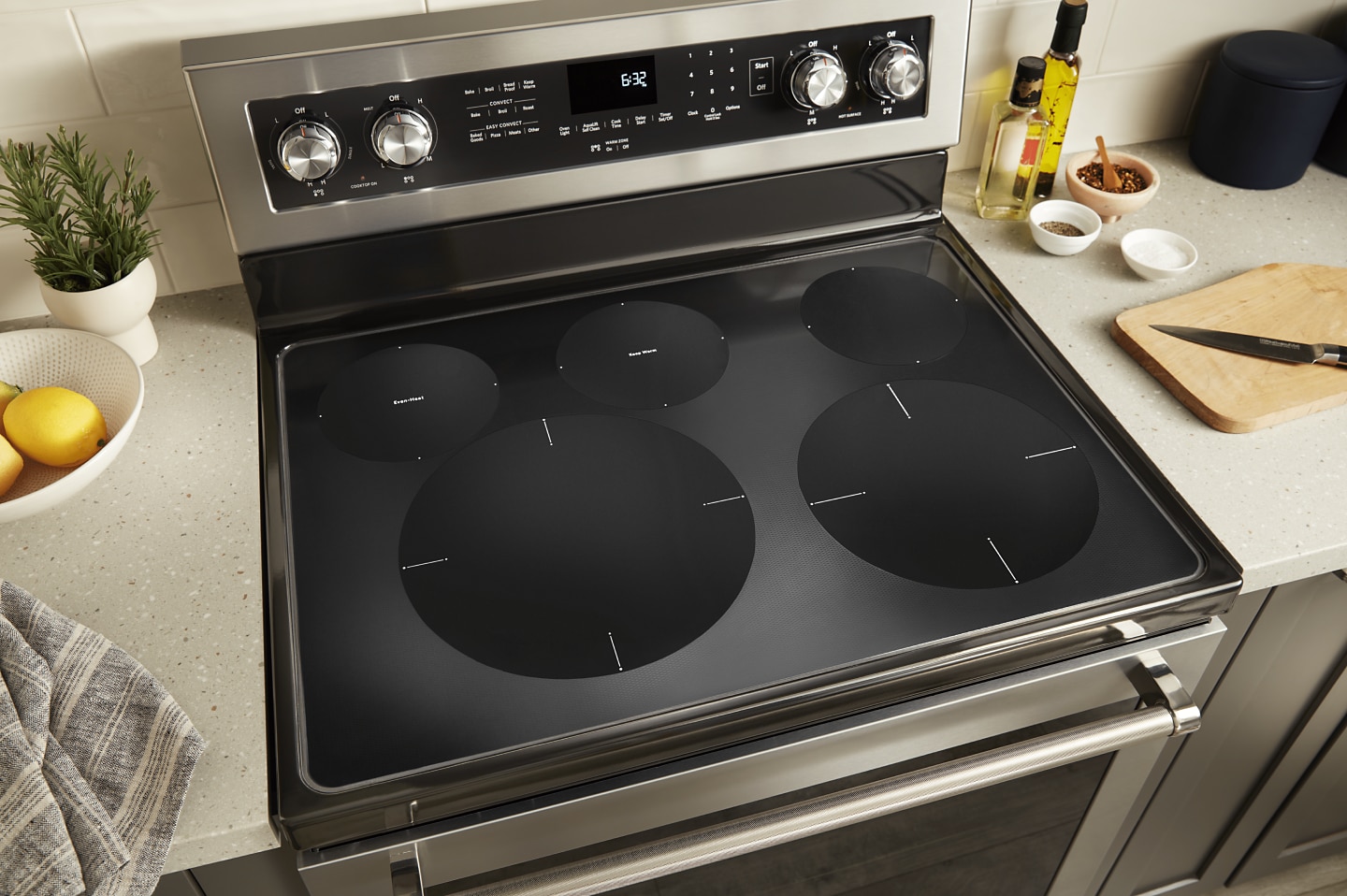
Credit: www.kitchenaid.com
What You Need For The Conversion
Changing from electric to gas is not just about buying a new stove. You will need to gather the right parts, tools, and get the right people involved.
The Gas Stove
Choose a stove that fits your kitchen. Standard sizes are 30 inches wide, but 24-inch and 36-inch models also exist. Make sure the stove is certified for the type of gas you will use (natural gas or propane).
Gas Line And Shutoff Valve
If you have a gas line, you need a shutoff valve near your stove. This lets you turn off the gas quickly in an emergency. If you don’t have a gas line, you’ll need to have one installed.
Conversion Kit (if Needed)
Some stoves come set up for natural gas, but if you plan to use propane, you may need a conversion kit. This usually includes new nozzles and instructions. Using the wrong kit can be dangerous, so always use the correct one.
Tools And Materials
A professional installer will bring the right tools, but it’s good to know what’s involved:
- Adjustable wrenches
- Pipe joint compound (gas-rated)
- Flexible gas connector hose
- Soap solution (for leak testing)
- Screwdrivers and pliers
Electrical Outlet
If your old electric stove used a large 240V plug, you’ll need to install a standard 120V outlet for your new gas stove. This may require an electrician.
Step-by-step: How To Convert Electric Stove To Gas
Converting from electric to gas is a multi-step process. Most of these steps should be done by licensed professionals. Here’s how the process usually works.
1. Remove The Old Electric Stove
Turn off the power to your stove at the breaker panel. Unplug the stove, and carefully slide it out of place. Large electric stoves can be heavy, so you may need help.
2. Cap Or Remove The Old Electric Outlet
If you don’t need the 240V outlet, have an electrician cap it safely. Some people leave it in place for future use, but it should never be left exposed.
3. Install The Gas Line
This is the most important part. If you already have a gas line and shutoff valve in the right spot, you may be able to skip this. Otherwise, a licensed plumber will:
- Run a new gas pipe from your main gas supply to the stove location.
- Install a shutoff valve behind the stove.
- Test the line for leaks.
Running a new gas line is a big job. It may require drilling through walls or floors and city inspections.
4. Set Up The Electrical Outlet
A gas stove needs a 120V outlet for the clock, lights, and igniter. If you don’t have one, an electrician can add it. Never try to modify the old 240V outlet yourself.
5. Connect The Gas Stove
With the gas line and outlet ready, you can now connect the stove:
- Attach the flexible gas connector hose to the shutoff valve and stove.
- Use pipe joint compound on all threads.
- Tighten connections with a wrench, but do not overtighten.
6. Check For Gas Leaks
Open the shutoff valve. Mix a small amount of dish soap with water and brush it onto all connections. If you see bubbles, you have a leak. Tighten connections or call a plumber if needed.
7. Install The Stove And Test
Carefully slide the stove into place. Plug it into the 120V outlet. Turn on a burner and check for a blue, steady flame. If the flame is yellow or flickering, there may be a problem with the air-gas mixture.
8. Test The Oven And Features
Test all burners, oven functions, and electronic features. Make sure the range hood or vent is working well.
Table: Key Steps And Who Should Do Them
This table shows which steps require a professional:
| Step | DIY Possible? | Professional Needed? |
|---|---|---|
| Remove Electric Stove | Yes | No |
| Install Gas Line | No | Yes (Plumber) |
| Install 120V Outlet | No | Yes (Electrician) |
| Connect Gas Hose | Sometimes | Usually |
| Leak Testing | Yes | Should be checked by Pro |

Credit: www.youtube.com
Costs And Budgeting
Many people underestimate the cost of this project. Here’s what you should expect:
- Gas Stove: $500 to $2,000, depending on model and features.
- Gas Line Installation: $350 to $1,000 or more if your home needs a long new line.
- 120V Outlet Installation: $150 to $300.
- Permits and Inspections: $50 to $300, depending on your city.
- Professional Installation Fee: $100 to $300.
Total cost can range from $1,100 to $3,500 or more. If you need to upgrade your kitchen ventilation or make other changes, costs can go even higher.
Hidden Costs People Miss
- Floor repair: The size and shape of new stoves may not match the old one, leaving gaps.
- Counter adjustments: Some new stoves may need counters trimmed or adjusted.
- Permit delays: City permits can take time and may require extra inspections.
Safety Considerations
Switching from electric to gas is not just about convenience—it’s about safety. Here are the key risks and how to avoid them.
Gas Leaks
Improper installation can cause dangerous gas leaks. Always test with soapy water and have a professional check your work.
Ventilation
Gas stoves produce carbon monoxide and other gases. A strong range hood is essential. Never use a gas stove for heating your home, as it can cause dangerous gas buildup.
Fire Hazards
Gas lines and open flames increase fire risk. Keep flammable items away from the stove, and never block the vent.
Permits And Professional Work
Most cities require a permit for gas line work. Unpermitted DIY work can void insurance and cause legal problems if you sell your home.
Table: Main Safety Risks And Solutions
| Risk | How to Avoid |
|---|---|
| Gas Leak | Professional Installation, Leak Test |
| Carbon Monoxide | Strong Ventilation, CO Detector |
| Fire | Keep Area Clear, Inspect Connections |
| Legal Issues | Get Permits, Use Licensed Pros |
Common Mistakes To Avoid
Even experienced DIYers can make mistakes when converting to gas. Here are some pitfalls to watch out for:
- Skipping Permits: This can lead to fines, insurance problems, or even forced removal of your stove.
- Wrong Conversion Kit: Using a natural gas kit for propane (or vice versa) can be dangerous.
- No Leak Test: Always test connections with soapy water.
- Poor Ventilation: Not installing a strong enough range hood can cause indoor air problems.
- Improper Outlet: Never try to use a 240V outlet with a gas stove.
Choosing The Right Gas Stove
There are many types of gas stoves. Here’s how to choose the right one for your needs.
Size And Capacity
Most kitchens use a 30-inch stove, but measure your space carefully. Look at the number of burners you need and oven size.
Features
Modern gas stoves offer many features, such as:
- Sealed burners (easier to clean)
- Convection ovens (faster baking)
- Self-cleaning functions
- Griddle or wok burners
Gas Type
Make sure your stove is set up for natural gas or propane, depending on your supply.
Brand And Warranty
Choose a brand with a good reputation and warranty. Read reviews and check for service in your area.
Energy Efficiency
Some new gas stoves are more energy-efficient than older models. Look for Energy Star ratings if available.
Real-life Example: A Family’s Kitchen Upgrade
Let’s look at a typical case. The Smith family lives in an older home with electric appliances. They want to switch to gas for better cooking.
- They check and find there is no gas line in the kitchen.
- They hire a plumber to run a new gas pipe from the basement, costing $900.
- An electrician adds a 120V outlet for $200.
- They buy a mid-range gas stove for $1,000.
- With permits and installation, their total cost is about $2,500.
- After installation, they enjoy faster cooking and lower energy bills.
Non-obvious insight: Even with all costs, the Smiths found their resale value increased, as many buyers prefer kitchens with gas stoves.
Environmental Impact: Gas Vs Electric
Many people ask which is better for the environment. The answer is not simple.
- Natural gas is a fossil fuel and releases carbon dioxide when burned.
- Electric stoves can be cleaner if your electricity comes from renewable energy.
- However, gas is often less expensive and more efficient for cooking.
Some cities have even banned new gas hookups in homes to fight climate change. Always check local laws before converting.
Non-obvious insight: In some areas, rebates are available for switching to electric, not gas. If you ever plan to sell, check which fuel is more popular in your area.
Maintenance After Conversion
Once your gas stove is installed, keep it working well with regular care.
- Clean burners and surfaces often to prevent clogs.
- Check the flame: It should be blue. Yellow means you need service.
- Inspect the hose and connections once a year for leaks.
- Change or clean range hood filters regularly.
Is Converting Right For You?
Think carefully before making the switch. Ask yourself:
- Do you have or can you install a gas line?
- Is your kitchen set up for good ventilation?
- Are you ready for the cost and work involved?
- Do you plan to stay in your home for several years?
If you love to cook and want more control, gas may be worth it. If your kitchen is not set up for gas, or if your city is moving away from fossil fuels, sticking with electric might be better.
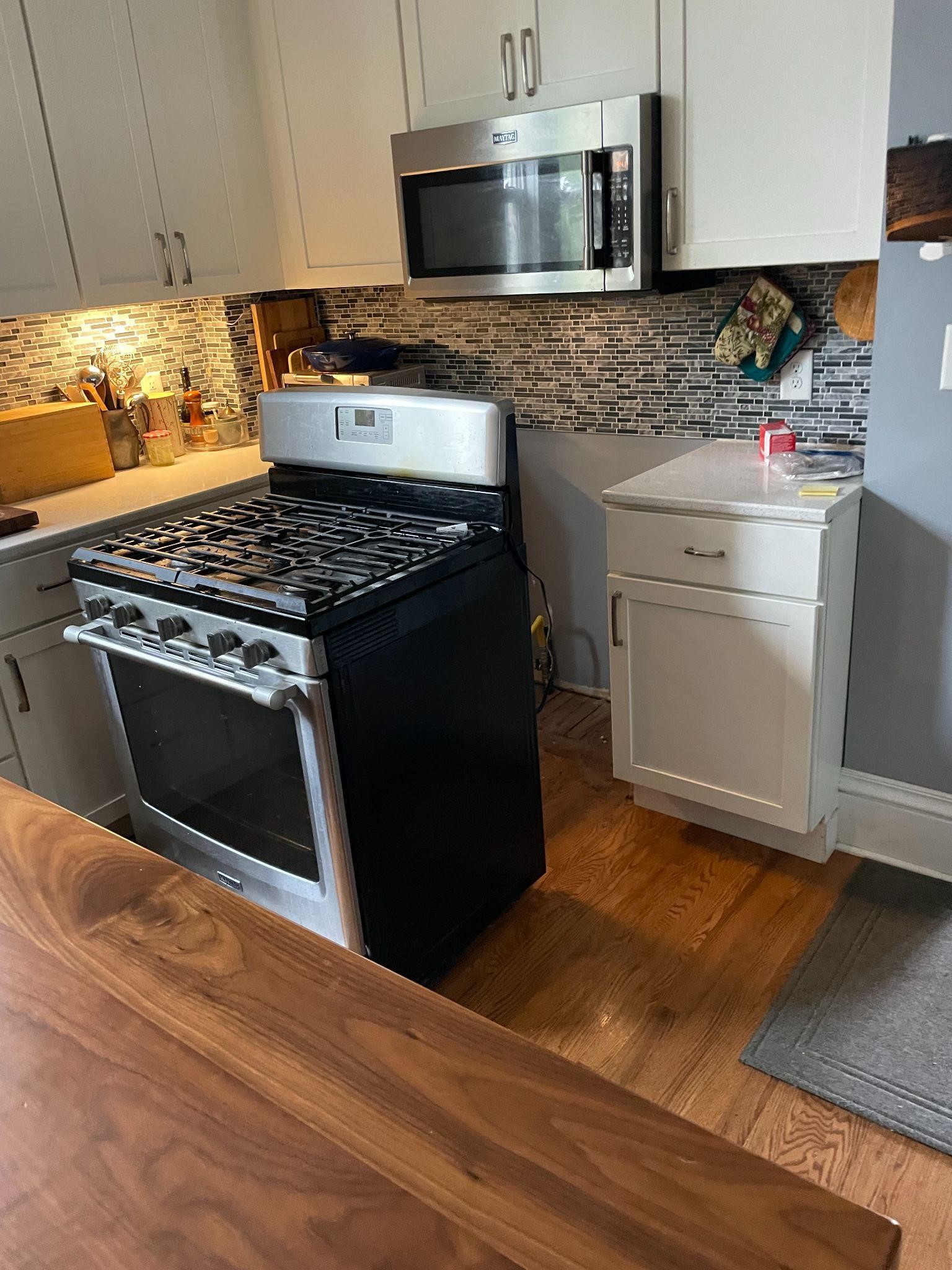
Credit: www.eesi.org
Where To Find Help And More Information
If you are not sure where to start, talk to a licensed plumber or electrician. They can look at your kitchen and give advice.
For more information on gas and electric ranges, safety, and energy use, visit the ENERGY STAR program.
Frequently Asked Questions
How Long Does It Take To Convert An Electric Stove To Gas?
The time depends on your home’s setup. If a gas line is already in place, the process can take half a day. If you need a new gas line, it may take 1–3 days, plus time for permits and inspections.
Can I Convert My Electric Stove To Gas By Myself?
Most steps, especially gas line work, require a licensed professional for safety and to meet city codes. You can remove the old stove and help with small tasks, but leave gas and electrical work to experts.
Is It Safe To Use Propane Instead Of Natural Gas?
Yes, many gas stoves can use propane with the right conversion kit. Always follow the manufacturer’s instructions and use a qualified technician.
Will Converting To Gas Save Me Money?
In many areas, natural gas costs less than electricity, so you might save money over time. However, the upfront costs for installation can be high. Calculate your expected savings before deciding.
Are There Any Rebates Or Financial Help For Converting?
Sometimes there are rebates, but most are for switching to electric, not gas, due to climate change concerns. Check with your local utility company for current programs.
Switching from an electric stove to gas is a big project, but for many people, it’s worth the effort. With good planning, the right professionals, and attention to safety, you can enjoy the benefits of gas cooking for years to come.