
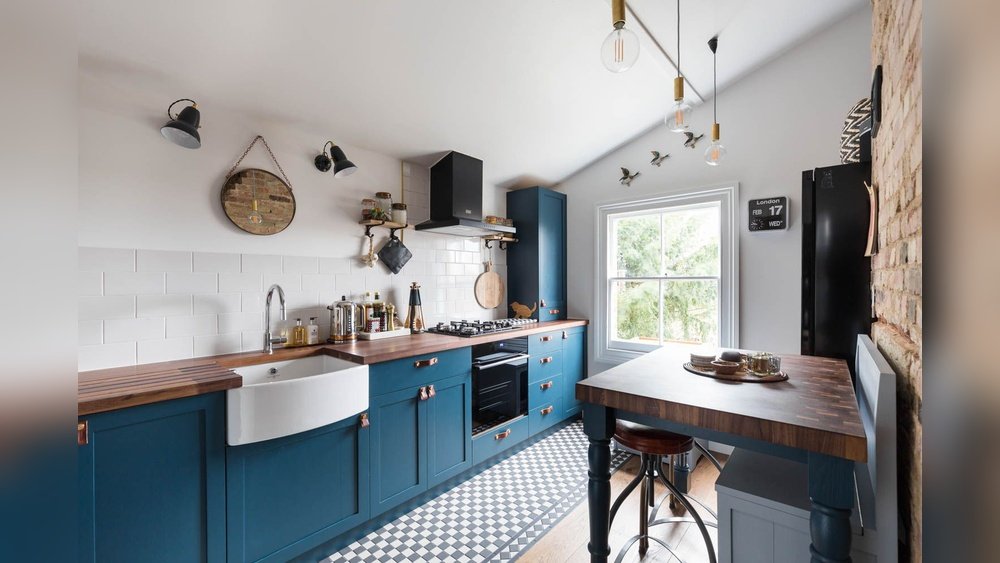
If your kitchen is small and you don’t have a pantry, daily cooking can feel like a puzzle. Stacking food in cabinets, stuffing pots into drawers, and balancing spices on window ledges are common struggles. But living with a tiny kitchen doesn’t mean you need to accept constant mess.
With some practical ideas and creative use of space, you can transform even the smallest kitchen into an organized, efficient place that makes cooking feel easy.
In this article, you’ll discover step-by-step solutions to organize a small kitchen without a pantry. You’ll learn how to maximize every inch, what tools and products actually help, and which storage mistakes to avoid. Whether you rent or own, these strategies work for apartments, condos, or older homes with limited storage. Let’s unlock the full potential of your kitchen and bring order to the chaos.
Understanding Your Kitchen’s Potential
Before making changes, take a good look at your current kitchen. Most small kitchens have more storage space than people realize, but it’s often wasted or blocked by clutter. Start by emptying your cabinets and drawers. Lay everything on the table or floor. This shows you what you have, what you use, and what’s just taking up space.
Notice the following:
- Unused vertical space above cabinets or shelves
- Deep cabinets where items get lost in the back
- Empty wall areas that could fit racks or hooks
- Awkward corners or gaps between appliances
Taking photos can help you view your kitchen from a new angle and spot areas for improvement. This step is important because every kitchen is different. The right solution for you depends on your layout, cooking habits, and the items you need to store.
Decluttering: The First And Most Important Step
Organizing a small kitchen without a pantry starts with decluttering. It’s impossible to organize what you don’t need. Many kitchens have outdated spices, broken gadgets, or duplicate items that take up valuable space.
Here’s how to declutter efficiently:
- Empty everything from cabinets, drawers, and shelves. Sort items by category: Dishes, cookware, food, utensils, etc.
- For each item, ask: Do I use this regularly? If not, consider donating, selling, or tossing it.
- Check food expiration dates. Throw away expired or stale products.
- Keep only one of each essential tool. For example, you don’t need three can openers.
- Place rarely used items (like holiday platters) in another room or high shelves.
Be honest with yourself. Most people find they use only 20% of their kitchen items 80% of the time. Removing the rest frees up space for what you actually need.
Pro tip: For sentimental or expensive items you never use, store them outside the kitchen. This keeps your daily space more functional.
Making The Most Of Cabinet Space
When you don’t have a pantry, cabinets become your main food storage. But standard cabinets aren’t designed for easy access or efficient use. Food, containers, and small tools can get lost in the back.
Vertical Storage Solutions
Most cabinets have wasted space above items. Use stackable shelves or cabinet risers to double your storage. Place one shelf above plates or canned goods to create a second layer. Look for adjustable risers to fit your cabinet height.
Another trick is using undershelf baskets. These wire baskets hang from existing shelves and hold snacks, napkins, or small items.
Pull-out Organizers And Lazy Susans
Install pull-out trays or sliding baskets inside lower cabinets. These make it easy to reach items at the back. They’re great for storing heavy items like pots or mixers.
For corner cabinets or deep spaces, a Lazy Susan (rotating tray) helps you see and reach everything. Use it for spices, jars, or bottles.
Door-mounted Racks
The inside of cabinet doors is valuable space. Add slim racks or hooks to hold cutting boards, measuring spoons, or wraps (like foil and plastic). Many racks hang over the door and don’t need screws.
Grouping Like Items
Store similar items together. Put all baking supplies in one area, and snacks in another. Use clear bins or baskets to keep groups organized and easy to grab.
Non-obvious insight: Avoid stacking heavy items on top of light ones. It’s tempting to pile pots on plastic containers, but this makes it harder to access and causes clutter.
Smart Use Of Drawers
Drawers in small kitchens can be goldmines for organization—or sources of chaos. When you lack a pantry, drawers often become catch-alls for everything.
Drawer Dividers
Use adjustable dividers to create sections for utensils, gadgets, and even small pantry items like tea or snacks. Avoid overloading one drawer with too many categories.
Shallow Drawers
Store flat items like cutting boards, baking sheets, or pot lids in shallow drawers. Place them vertically if possible, using a file-like organizer.
Deep Drawers
Deep drawers are perfect for bulkier items: mixing bowls, pots, or larger pantry containers. Use bins or baskets to separate categories.
Pro tip: If you have a junk drawer, empty it completely. Only put back what you use at least weekly.
Using Open Shelving Wisely
If you have wall space, open shelves can replace a pantry and add style. But shelves must be organized, or they look messy fast.
What To Store On Open Shelves
Store attractive, everyday items: dishes, glasses, jars with dry goods (like pasta, rice, or beans). Avoid putting lots of mismatched boxes or containers on display.
Using Uniform Containers
Transfer dry goods into matching jars or clear containers. This saves space and lets you see when you’re running low. Label each container for quick access.
Mixing Decor And Storage
Mix a few decorative items (like a plant or bowl) with your storage. This makes shelves look intentional, not cluttered.
Safety Tips
Install shelves with strong anchors, especially if you’ll store heavy items. Keep heaviest items on lower shelves for safety.
Non-obvious insight: Open shelving works best when you limit the number of items. Overloading them creates visual clutter and dust.
Wall-mounted Storage: Hooks, Racks, And Rails
Walls are often underused in small kitchens. Adding hooks, racks, or rails can dramatically increase storage.
Hanging Pots And Pans
A wall-mounted pot rack or rail keeps cookware handy and frees up cabinet space. Choose a style that suits your kitchen—some are simple rails, others have shelves on top.
Utensil Rails
Hang spatulas, ladles, and whisks from a magnetic strip or rail with hooks. This keeps drawers free for other items.
Spice Racks
Install a slim spice rack on a wall or inside a cabinet door. Arrange spices alphabetically or by frequency of use for quick access.
Magnetic Knife Strips
A magnetic strip on the wall holds knives safely and saves counter space. It also prevents blades from dulling in a crowded drawer.
Pegboards
A pegboard offers flexible storage for tools, pans, or even baskets. You can move hooks and shelves as your needs change.
Pro tip: Don’t overcrowd your wall storage. Leave space between items for a clean look and easy access.
Maximizing Countertop Space
In a small kitchen, every inch of counter matters. Cluttered counters make cooking stressful and cleaning difficult.
Only Keep Daily-use Items
Limit your countertops to appliances and tools you use daily—like a coffee maker, toaster, or knife block. Store everything else in cabinets, shelves, or drawers.
Vertical Solutions
Use a tiered shelf or corner stand to stack items vertically. For example, a two-level shelf can hold spices above your prep area.
Sink Covers And Cutting Boards
A custom sink cover or large cutting board can add extra workspace. Some covers fit over the sink, giving you more room for chopping or holding ingredients.
Appliance Garages
If you have counter appliances (like a blender), consider a lift-up cabinet door or “appliance garage” to hide them when not in use.
Non-obvious insight: When organizing your counters, leave one section totally empty. This gives you a dedicated prep space and makes the kitchen feel larger.
Creative Food Storage Without A Pantry
Without a pantry, you need to get creative with food storage. The goal is to keep everything accessible, visible, and fresh.
Clear Containers For Dry Goods
Transfer flour, sugar, cereal, and snacks into airtight clear containers. Stack them in cabinets, on shelves, or in drawers. This method saves space and reduces waste.
Over-the-fridge Storage
The top of your fridge is valuable. Use decorative baskets or bins to hold extra food, paper towels, or seldom-used items.
Under-cabinet Storage
Install under-cabinet baskets or racks for bread, fruit, or even mugs. Some baskets slide out for easy access.
Multi-use Furniture
A kitchen cart or small island with shelves can hold pantry items. Wheels make it easy to move around. Some carts even fit under counters.
Doorway And Hallway Shelving
If your kitchen opens to a hallway, add a narrow shelving unit there for non-perishables. Just make sure it doesn’t block traffic.
Fridge And Freezer Organization
Use bins, turntables, and clear boxes in your fridge and freezer. Group items by type—dairy, produce, snacks—so you can see what you have.
Pro tip: Rotate foods. Place new purchases at the back and move older items forward to avoid waste.

Credit: askannamoseley.com
Organizing Small Appliances
Blenders, slow cookers, and food processors are helpful but bulky. Without a pantry, they can take over your kitchen.
Store Vertically
Use tall cabinets or shelves to store appliances upright. Stack lighter appliances on top of heavier ones, but never force them into tight spaces.
Appliance Rotation
Keep only the appliances you use most often in the kitchen. Store rarely used ones (like waffle makers or ice cream machines) in another room or high shelf.
Appliance Covers
Use fabric covers to keep appliances dust-free if they’re stored on counters or open shelves. This keeps your kitchen looking tidy.
Label Appliance Cords
Wrap and label cords to prevent tangles. Velcro ties or twist ties work well.
Non-obvious insight: If you haven’t used an appliance in the past year, consider selling or donating it. This frees up major storage space.
Using Hidden And Underused Spaces
Even the smallest kitchens have secret storage spots.
Toe-kick Drawers
The space under lower cabinets (the “toe-kick”) can hide slim drawers for baking sheets, cutting boards, or placemats.
Above Cabinets
If your upper cabinets don’t go to the ceiling, the top is perfect for infrequently used items. Use labeled bins or baskets to keep it neat.
Behind Doors
Hang organizer racks on the back of kitchen or closet doors for snacks, cleaning supplies, or small tools.
Window Sills
If you have a deep window sill, use it for small potted herbs or jars. Just avoid placing heavy items that could fall.
Space Between Appliances
A slim pull-out cart can fit between the fridge and wall or between cabinets. Use it for canned goods, spices, or cleaning supplies.
Pro tip: Measure every potential space before buying organizers. Many products are designed for standard cabinets but won’t fit every kitchen.
:strip_icc()/at_lucys_house_123573907_185982149702143_5515199224127652633_n-e9fc7eb3c1094c039733449d7b609530.jpg)
Credit: www.mydomaine.com
Organizing Spices, Oils, And Baking Supplies
Spices and baking ingredients can quickly take over a small kitchen. Organizing them saves time and prevents waste.
Spice Organization
- Use a tiered spice rack in a cabinet or drawer
- Place spices in alphabetical order or by cuisine
- Transfer to uniform jars with clear labels
Oils And Vinegars
Keep daily oils and vinegars near the stove on a small tray or lazy Susan. Store extras in a cool, dark cabinet.
Baking Supplies
Store baking items in a single bin or basket. Include flour, sugar, baking powder, and small tools like measuring spoons.
Non-obvious insight: Place a list of your spices inside the cabinet door. This helps you avoid buying duplicates and makes shopping easier.
Creating Zones For Efficiency
A well-organized kitchen has zones for different tasks. This reduces walking and searching, making cooking smoother.
Main Kitchen Zones
- Prep zone: Cutting boards, knives, mixing bowls
- Cooking zone: Pots, pans, utensils, oils
- Cleaning zone: Sink, soap, dish towels
- Storage zone: Leftovers, containers, wraps
- Food zone: Dry goods, snacks, spices
Keep each zone’s tools close together. For example, store spatulas near the stove and food storage containers near the fridge.
Pro tip: If space is very tight, combine zones. For example, use one drawer for both prep tools and cooking utensils.
Organizing Food Storage Containers
Plastic and glass containers are famous for causing mess. Lids get lost, and stacks tumble over.
Nesting Containers
Choose containers that nest inside each other by size. Store lids upright in a basket or rack.
Labeling
Label containers with their sizes or matching lids with a sticker. This saves time searching for the right pair.
Drawer Or Cabinet Dividers
Use expandable dividers or tension rods to keep containers and lids separated.
Limiting Quantity
Keep only enough containers for your usual leftovers. Extra containers can go to recycling or donation.
Non-obvious insight: Square or rectangular containers use space better than round ones.
Shopping Habits For Small Kitchens
An organized kitchen starts with smart shopping. Limited space means you must plan carefully.
Shop Small And Often
Buy smaller quantities of perishables and non-perishables. Weekly shopping keeps your kitchen fresh and prevents overflow.
Avoid Bulk Unless Necessary
Bulk buying is tempting for savings, but storing 20 pounds of rice in a small kitchen is a mistake. Only buy in bulk if you have space.
Plan Meals
Create a meal plan for the week. This cuts down on impulse buys and ensures you only store what you’ll use.
Use A Shopping List
Keep a running list of what you need. Check your cabinets before shopping to avoid duplicates.
Try Delivery Or Pickup
Ordering groceries online for home delivery or store pickup can save you time and help you stick to your list.
Pro tip: Store a notepad or whiteboard on the fridge for quick list-making.
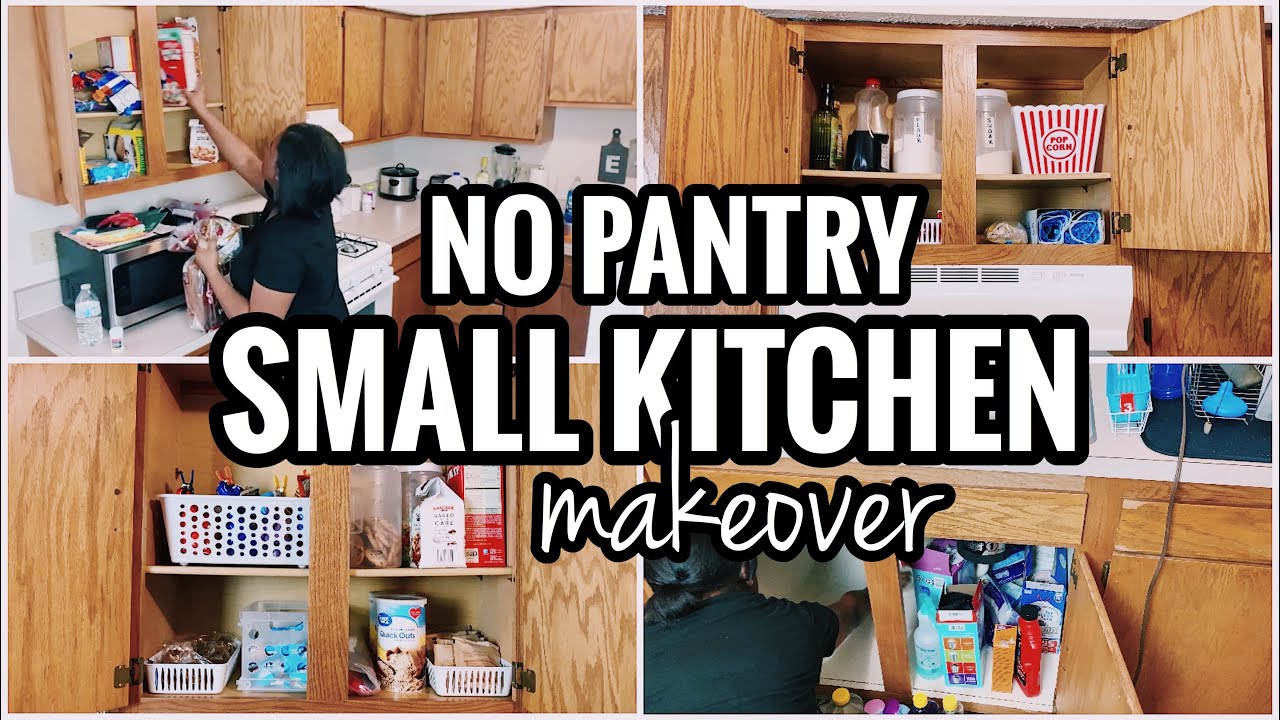
Credit: www.youtube.com
Table: Comparison Of Popular Kitchen Storage Solutions
Here’s a look at how different storage tools perform in small kitchens.
| Storage Solution | Space Needed | Best For | Pros | Cons |
|---|---|---|---|---|
| Open Shelves | Wall space | Everyday dishes, jars | Easy access, decorative | Can look cluttered |
| Drawer Dividers | Existing drawers | Utensils, gadgets | Organizes small items | Needs regular tidying |
| Pull-Out Organizers | Lower cabinets | Pots, pantry items | Easy access | Installation required |
| Wall Rails & Hooks | Wall space | Pots, utensils | Customizable | Visible clutter risk |
| Clear Bins & Baskets | Shelves, cabinets | Snacks, cans | Flexible, stackable | Can slide around |
Table: Small Kitchen Organization Mistakes Vs. Solutions
Learn from common mistakes and see what to do instead.
| Mistake | Problem | Smart Solution |
|---|---|---|
| Buying in bulk | Overflow, wasted food | Shop more often, buy less |
| Stacking heavy items high | Hard to access, dangerous | Store heavy items low |
| Overloading open shelves | Visual clutter | Limit to essentials, use containers |
| Ignoring vertical space | Wasted storage | Add shelves, risers, hooks |
| Randomly placing items | Wasted time searching | Group by use and category |
Table: Example Of A Weekly Food Storage Plan
Proper planning helps you avoid clutter and wasted food.
| Day | Main Ingredient | Storage Location | Prepped? |
|---|---|---|---|
| Monday | Chicken breast | Fridge, bin 1 | Yes |
| Tuesday | Pasta | Cabinet, container | No |
| Wednesday | Ground beef | Freezer, bin 2 | Yes |
| Thursday | Rice | Shelf, jar | No |
| Friday | Fish fillet | Fridge, bin 3 | Yes |
Maintenance: Keeping Your Kitchen Organized
The hardest part of organizing a small kitchen is keeping it that way. Good habits make a big difference.
Daily Habits
- Put items back in their place after use
- Wipe counters and shelves daily
- Check the fridge for leftovers to use up
Weekly Habits
- Review food storage for expired items
- Tidy drawers and cabinets, resetting dividers if needed
- Update your grocery list based on what’s running low
Monthly Habits
- Deep clean one cabinet or drawer each month
- Re-evaluate your system—move items if something isn’t working
Pro tip: Organizing is not a one-time event. Small, regular efforts keep your kitchen running smoothly.
When To Ask For Help
If you’ve tried these tips and still feel overwhelmed, consider asking a friend or hiring a professional organizer. Sometimes a fresh set of eyes can spot solutions you miss. You can also find more ideas on websites like Houzz.
Frequently Asked Questions
How Can I Store Food In A Small Kitchen Without A Pantry?
Use cabinets, open shelves, clear bins, and even the top of your fridge. Transfer dry goods into airtight containers and group similar items together. Wall-mounted racks and hooks can also hold spices or snacks.
What’s The Best Way To Organize Pots And Pans In A Tiny Kitchen?
Hang them on a wall rail or store them vertically in a deep cabinet with a pull-out organizer. Avoid stacking too many together, which makes them hard to access.
How Do I Prevent My Countertops From Getting Cluttered?
Only keep appliances and tools you use every day on the counter. Store everything else in cabinets, drawers, or on shelves. Use tiered stands or sink covers for extra space.
Should I Buy In Bulk If I Have A Small Kitchen?
No, buying in bulk usually causes overflow and waste. Shop more often and buy smaller amounts to fit your storage space.
How Often Should I Reorganize My Small Kitchen?
Do a quick reset every week and a deeper clean or reorganization once a month. Regular maintenance helps prevent clutter from returning.
A small kitchen without a pantry can feel challenging, but it’s possible to create order and efficiency with the right strategies. By decluttering, using every inch wisely, and building smart habits, you’ll enjoy a kitchen that’s easy to use and always ready for your next meal.