
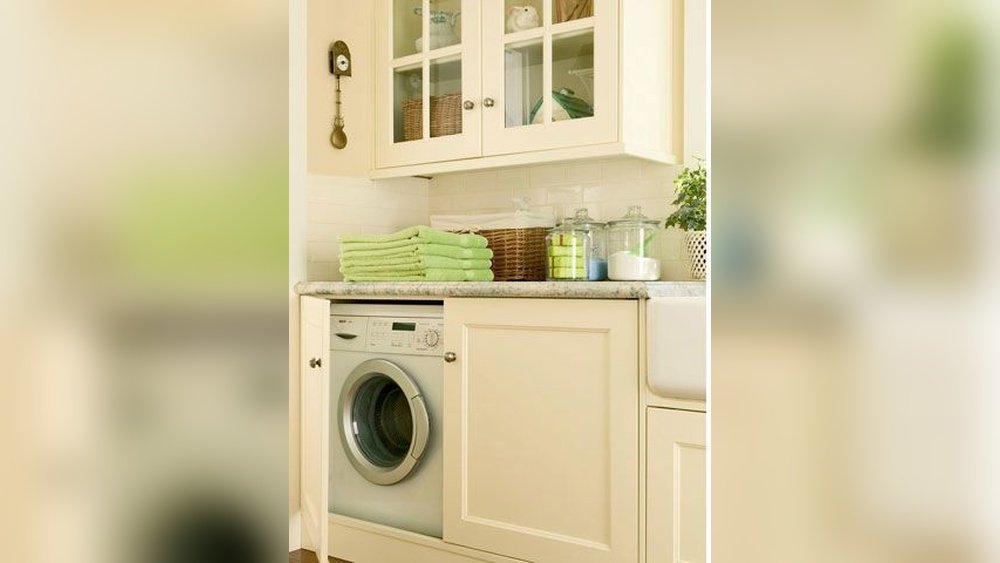
Hiding a washer and dryer in your kitchen can change how your home feels and functions. Many people live in small apartments or older homes where space is limited. Kitchens often become the only place where these appliances fit. But no one wants their laundry machines to spoil the look of their main living area.
The good news is, you don’t need to settle for an eyesore or give up precious kitchen space. With smart planning, you can make your washer and dryer almost invisible, turning your kitchen into a tidy, stylish, and organized space.
This guide will show you how to hide a washer and dryer in your kitchen—clearly, step by step. Whether you’re starting from scratch or updating your existing setup, you’ll find practical solutions for every budget and style. You’ll learn about built-in cabinets, sliding doors, creative curtains, and even the best color choices to make appliances blend in.
You’ll also discover common mistakes, safety tips, and how to choose the right method for your home. By the end, you’ll have all the tools you need to keep your kitchen beautiful and clutter-free.
Why Hide A Washer And Dryer In The Kitchen?
Many kitchens double as laundry rooms, especially in city apartments and small homes. But open appliances can make the space look crowded, noisy, and less inviting. Here’s why hiding your washer and dryer matters:
- Aesthetics: Concealing these machines helps keep your kitchen looking neat and modern. Hidden appliances don’t draw attention away from your décor or dining area.
- Noise reduction: Doors, panels, and extra layers can muffle the sounds of spinning and draining, making your kitchen quieter.
- Space efficiency: Smart solutions let you use every inch of your kitchen, often adding extra storage or work areas.
- Resale value: A well-designed kitchen with hidden appliances appeals to buyers and renters, who often prefer a seamless look.
- Safety and cleanliness: Covered appliances are less likely to collect dust, splashes, or accidental bumps from kids and pets.
Planning Your Hidden Laundry Area
Before you start, good planning is essential. Mistakes can be expensive or create problems with plumbing and ventilation. Follow these steps:
1. Measure Your Space
Start by measuring the area where your washer and dryer will go. Use a tape measure for:
- Height, width, and depth of the appliances
- Space for hoses, plugs, and vents
- Room for doors or panels to open fully
Add at least 2-3 inches of clearance on all sides for airflow and maintenance. Write these numbers down.
2. Check Utility Connections
Your kitchen must have the right:
- Water supply and drain (for the washer)
- Electrical outlet (most dryers need 220V, but compact models may use 110V)
- Ventilation (if using a vented dryer)
If something is missing, plan for a plumber or electrician to add or move connections.
3. Choose The Best Spot
Common kitchen locations for hiding laundry machines:
- Under the countertop: Saves space and is easy to cover with cabinets or curtains.
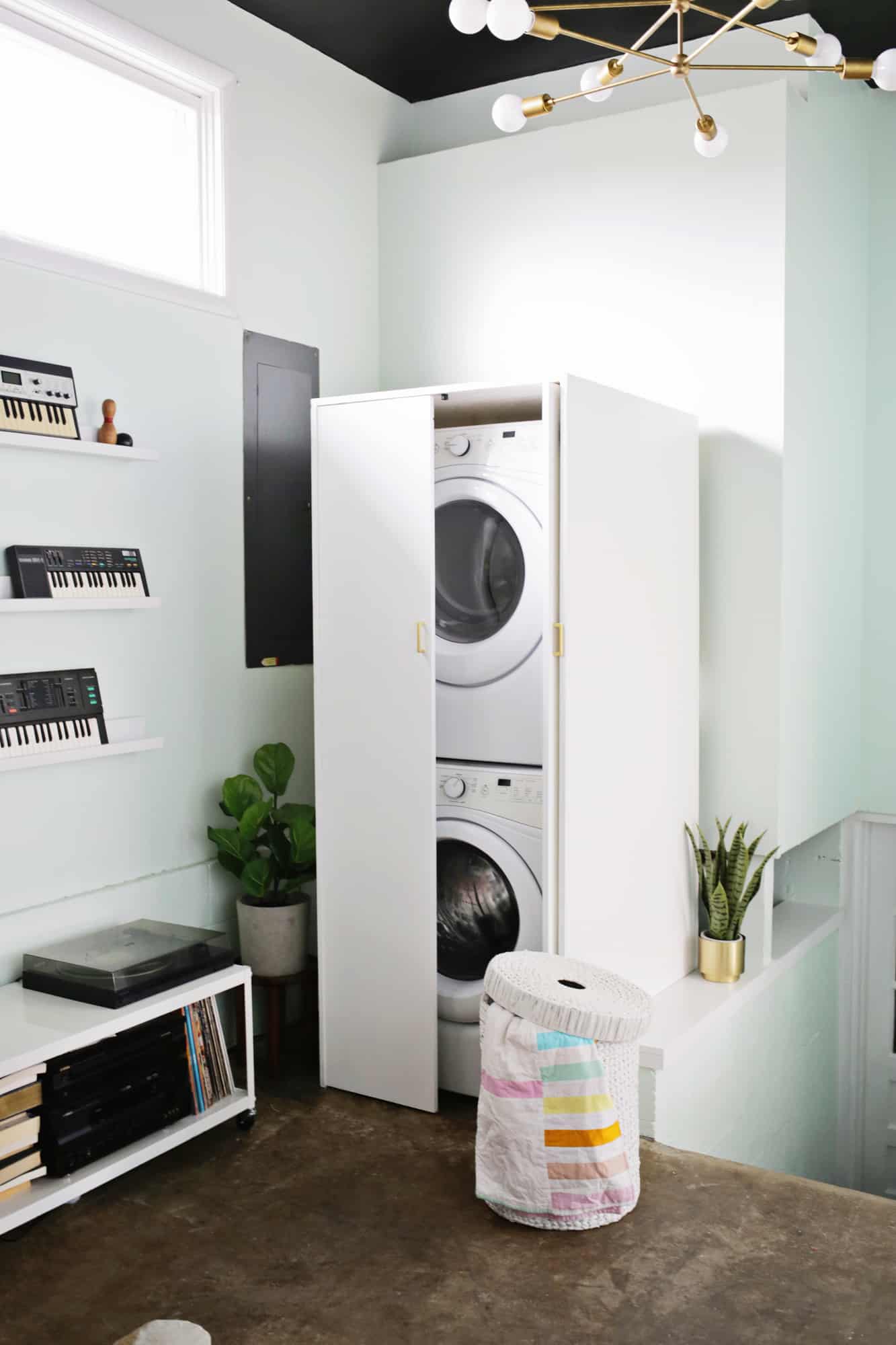
- Tall pantry cupboard: Good for stacking washer and dryer.
- Corner or unused nook: Turns awkward areas into useful storage.
- Near the back door: Easy access for hanging clothes outside.
4. Select The Right Appliances
Compact and stackable machines work best in kitchens. Look for:
- Front-loading washers and dryers: Easier to hide behind doors or under counters.
- Combo washer-dryers: Save space but may take longer to finish laundry.
- Ventless dryers: Easier to install in kitchens without exterior vents.
Here’s a quick comparison of popular appliance types:
| Appliance Type | Size (inches) | Pros | Cons |
|---|---|---|---|
| Front-loading washer & dryer | 24-27 W x 33-34 H x 24-28 D | Efficient, easy to hide | May need pedestal for height |
| Stackable washer & dryer | 24-27 W x 70-75 H x 24-28 D | Saves floor space | Hard to reach top controls |
| Washer-dryer combo | 23-27 W x 33-34 H x 22-25 D | One machine, very compact | Longer cycles, smaller loads |
Methods To Hide A Washer And Dryer In The Kitchen
You have many options, from simple DIY tricks to custom-built cabinets. Here are the most effective methods:
1. Built-in Cabinets
Custom or semi-custom cabinets can fully hide your appliances. This is the most seamless solution.
How it works:
- Cabinets are built around the washer and dryer, with doors that match your kitchen style.
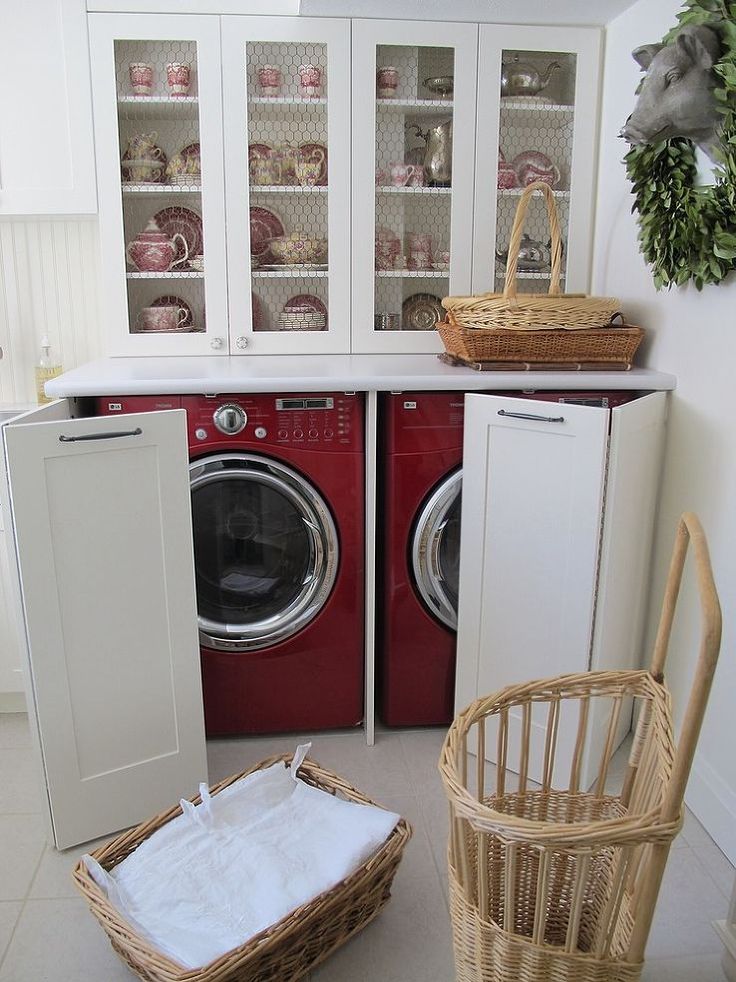
- You can choose swing-out, bi-fold, or pocket doors.
- Add shelves or drawers above for extra storage.
Pros:
- Looks like part of your kitchen
- Reduces noise
- Keeps dust out
Cons:
- More expensive than other methods
- May require carpentry skills
Practical tip: Use soft-close hinges to reduce banging and make laundry less disruptive.
2. Sliding Doors
Sliding doors are great for narrow kitchens. They don’t swing out, so they save space.
How it works:
- Track systems let doors move sideways to cover or reveal the laundry area.
- Doors can be wood, glass, or a material matching your cabinets.
Pros:
- Easy to open even in tight spaces
- Modern look
Cons:
- More visible tracks
- May not block as much noise
Insight: Choose frosted glass for light and privacy, or match the door color to your walls for a more hidden look.
3. Bi-fold Or Accordion Doors
These doors fold up against the wall, taking up less room than regular doors.
How it works:
- Doors are split into panels connected by hinges.
- They open by folding together, creating a compact stack.
Pros:
- Inexpensive
- Quick to install
Cons:
- Can look less high-end
- May not fully block sound
Practical tip: Add a magnetic catch to keep doors closed tightly.
4. Curtains Or Fabric Panels
A budget-friendly and flexible option, especially for renters.
How it works:
- Hang a curtain rod or tension wire in front of the appliances.
- Choose a heavy, stylish fabric that matches your kitchen décor.
Pros:
- Cheapest and easiest to change
- Adds softness and color
Cons:
- Less noise blocking
- Fabric can get dirty in a kitchen
Insight: Use washable, stain-resistant fabric for easy cleaning.
5. Louvered Doors
Louvered (slatted) doors let air flow but still hide the machines.
How it works:
- Doors with angled slats cover the laundry area.
- Air passes through, helping prevent moisture buildup.
Pros:
- Good for ventilation
- Attractive in traditional or cottage kitchens
Cons:
- Some visibility through slats
- Dust can collect in grooves
Practical tip: Paint louvered doors the same color as your cabinets to help them blend in.
6. Custom Wood Paneling
Make your washer and dryer look like part of a wall or cabinet.
How it works:
- Wood panels are cut and installed to cover the appliances.
- Handles or push-to-open latches keep the look clean.
Pros:
- Fully hides machines
- Can match any kitchen style
Cons:
- Costly
- May need a skilled carpenter
Insight: Use the same wood and finish as your cabinets for a built-in effect.
7. Appliance Garage
An appliance garage is a small nook with a door that rolls up or down.
How it works:
- A tambour door (like a mini garage door) covers the laundry area.
- Door can slide up or down for quick access.
Pros:
- Easy to use
- Looks tidy
Cons:
- Limited to smaller appliances
- Not as soundproof
Practical tip: Make sure the door fully opens so you can load and unload laundry easily.
8. Pocket Doors
Pocket doors slide into the wall instead of swinging out.
How it works:
- Special tracks let the door slide inside a wall cavity.
- Door disappears when open, saving space.
Pros:
- Invisible when open
- Great for very small kitchens
Cons:
- Requires wall modification
- Harder to install after construction
Insight: If remodeling, ask your contractor about adding a pocket door for a sleek finish.
9. Folding Screens
Decorative folding screens can hide appliances quickly and add personality.
How it works:
- A freestanding screen stands in front of the washer and dryer.
- Can be moved out of the way as needed.
Pros:
- No installation needed
- Stylish and portable
Cons:
- Not fixed in place (can be knocked over)
- Limited sound blocking
Practical tip: Choose a screen with a waterproof finish for kitchen use.
10. Under-counter Hiding
Placing appliances under the kitchen counter is common in European homes.
How it works:
- Washer and dryer fit below the countertop, behind doors or curtains.
- Countertop stays usable for meal prep.
Pros:
- Saves space
- Easy to access
Cons:
- May limit under-counter storage
- Needs compact machines
Insight: This works best if your appliances are less than 34 inches tall.
11. Camouflage With Paint Or Wraps
If you can’t fully cover your machines, make them blend in.
How it works:
- Paint the appliance fronts to match your cabinets.
- Use adhesive vinyl wraps for a smooth finish.
Pros:
- Budget-friendly
- Creative and customizable
Cons:
- Won’t block noise or dust
- May need regular touch-ups
Practical tip: Use high-quality appliance paint or removable vinyl for best results.
12. Integrated Appliances
Some brands offer “integrated” washers and dryers designed to be hidden.
How it works:
- These machines have panels that match your cabinets.
- Controls are hidden at the top or inside the door.
Pros:
- Clean, seamless appearance
- Built for easy hiding
Cons:
- Cost is higher
- Fewer models to choose from
Insight: Integrated appliances are common in luxury kitchens and can add to resale value.
13. Repurposed Furniture
Use old wardrobes, armoires, or bookcases to cover your laundry area.
How it works:
- Cut holes for hoses and wires in the back of the furniture piece.
- Place it in front of or around your appliances.
Pros:
- Unique look
- Can be moved or changed
Cons:
- Must fit appliance size
- May need some DIY skills
Practical tip: Reinforce shelves or bases to support the appliance weight.
14. Half-height Partition Walls
A half-wall can hide machines from view but leave the top open.
How it works:
- Build a short wall (3-4 feet high) in front of the laundry area.
- Top can be used as a shelf.
Pros:
- Hides machines from direct view
- Adds storage space
Cons:
- Does not block sound
- Some laundry will still be visible
Insight: Use moisture-resistant materials to avoid water damage.
15. Decorative Doors
Choose unique doors to add style as well as function.
How it works:
- Use barn doors, chalkboard doors, or mirrored panels.
- Doors can slide, swing, or fold.
Pros:
- Statement piece for your kitchen
- Covers appliances completely
Cons:
- May require special hardware
- Can be heavy
Practical tip: Chalkboard doors let you write grocery lists or recipes—a fun bonus!
How To Choose The Best Hiding Method
Not every solution fits every home. Here’s what to consider:
Budget
Some options, like curtains or folding screens, cost less than $50. Custom cabinets or integrated appliances can cost thousands. Plan your budget first.
Kitchen Layout
If your kitchen is narrow, sliding or pocket doors work best. If you have more space, built-in cabinets or partitions are possible.
Appliance Size
Measure carefully! Many mistakes happen because doors won’t close or machines don’t fit.
Noise Level
If your machines are loud, use solid doors, panels, or extra insulation.
Ventilation
Dryers need air flow. Louvered doors or open-bottom cabinets help prevent overheating or mold.
Style
Pick a solution that matches or enhances your kitchen’s look. For modern kitchens, use sleek panels or sliding doors. For farmhouse style, try louvered or barn doors.
Here’s a quick comparison of hiding methods:
| Hiding Method | Cost | Difficulty | Best For |
|---|---|---|---|
| Built-in cabinets | High | Advanced | Long-term, custom kitchens |
| Curtains | Low | Easy | Renters, small budgets |
| Sliding doors | Medium | Intermediate | Narrow kitchens |
| Louvered doors | Medium | Intermediate | Ventilation needs |
| Custom wood paneling | High | Advanced | Luxury look |
| Folding screens | Low | Easy | Temporary solutions |
:strip_icc()/101021877-0bd9cd7ed2334fe6a55b60a394e3e613.jpg)
Credit: www.bhg.com
Step-by-step Guide: Hiding With Built-in Cabinets
This method is the gold standard for a seamless look. Here’s how to do it:
1. Measure And Plan
- Measure your appliances and kitchen area.
- Plan for at least 1 inch of space on each side for movement and airflow.
- Decide if you want shelves above for detergent and supplies.
2. Choose Cabinet Style And Doors
- Match your kitchen’s style—shaker, slab, or raised panel.
- Select solid doors for best sound reduction.
- Decide between swing-out, sliding, or bi-fold doors.
3. Prepare For Installation
- Remove baseboards or old cabinets in the area.
- Double-check water, drain, and power access.
- If you’re not handy, hire a carpenter for best results.
4. Build Or Install Cabinets
- Use moisture-resistant materials like marine plywood or MDF.
- Add vents or grills if using solid doors.
- Install strong shelves if stacking appliances.
5. Add Finishing Touches
- Paint or finish doors to match your kitchen.
- Add handles or knobs.
- Install soft-close hinges for quiet operation.
6. Test Everything
- Make sure all doors open fully without hitting appliances.
- Run a full laundry cycle to check for heat, noise, and vibration.
- Adjust doors or add insulation if needed.
Non-obvious tip: Use a battery-powered LED strip inside the cabinet for better lighting.
Common Mistakes To Avoid
Many people make simple errors that ruin a good plan. Watch out for these:
- Not measuring correctly: Always measure your appliances, the space, and the door swing.
- Ignoring ventilation: Dryers need airflow. Without it, you risk mold or fire.
- Forgetting about plumbing access: Leave space for hose changes or repairs.
- Choosing the wrong doors: Heavy doors may sag; thin ones may not block noise.
- Skipping water protection: Use waterproof paint or panels to prevent damage.
- Blocking outlets or valves: Plan for easy access to shutoff valves and plugs.
Extra insight: Always allow for vibration. Machines move a little, so never build cabinets too tight.
Credit: www.digsdigs.com
Safety, Ventilation, And Maintenance
Hiding your washer and dryer isn’t just about looks. Safety is key.
Fire Safety
- Never block dryer vents.
- Clean lint traps after every use.
- Use metal vent ducts, not plastic.
Moisture Control
- Use moisture-resistant materials for cabinets or walls.
- Install a small vent or louvered door if possible.
- Check for leaks or drips every month.
Electrical Safety
- Don’t use extension cords with large appliances.
- Make sure outlets are grounded and up to code.
Easy Maintenance
- Leave space to pull out machines for repair.
- Store a drip tray under the washer if possible.
- Use waterproof mats under appliances.
Pro tip: If you live in an area with hard water, install a water softener to extend machine life.
Real-life Examples And Inspiration
Many homes around the world have beautiful, hidden laundry areas in the kitchen. Here are a few examples:
- In London flats, compact washers are hidden behind Shaker-style cabinet doors under the counter.
- In New York apartments, sliding barn doors hide stacked units in narrow kitchen corners.
- In Paris, a simple curtain on a tension rod keeps the washer out of sight and adds a splash of color.
Want more ideas? See examples and design inspiration on Houzz.
How Much Does It Cost?
Costs vary depending on your method, kitchen size, and whether you do it yourself or hire a pro. Here’s a rough guide:
| Method | DIY Cost | Professional Cost |
|---|---|---|
| Curtain or screen | $30 – $100 | $100 – $250 |
| Sliding or bi-fold doors | $150 – $400 | $400 – $900 |
| Built-in cabinets | $400 – $1,000 | $1,500 – $5,000+ |
| Louvered doors | $120 – $350 | $350 – $700 |
| Integrated appliances | — | $2,000 – $4,000+ |
Insight: You can often save money by mixing methods—use a basic cabinet with a curtain, or a folding screen with a painted appliance.
Style Tips For A Seamless Look
A hidden laundry area should look like it’s part of your kitchen, not an add-on. Here’s how:
- Match colors: Use the same paint or finish for your doors and cabinets.
- Hide handles: Choose push-to-open latches for a minimal look.
- Add lighting: LED strips under shelves or inside cabinets help you see while loading laundry.
- Keep it simple: Avoid busy patterns or too many materials.
Non-obvious style tip: Use a mirror panel on your laundry door to make the kitchen look bigger.
When To Call A Professional
Some projects are easy DIY, but others need an expert. Call a pro if:
- You need new plumbing or electrical work
- You’re building pocket doors or custom cabinets
- You want a perfect, seamless finish
- You’re not sure about building codes
Hiring a qualified carpenter or contractor saves time and avoids costly mistakes.
Frequently Asked Questions
Can I Put A Washer And Dryer In Any Kitchen?
If your kitchen has water, drain, and power connections, you can usually add a washer and dryer. Always check local building codes first. Some apartments or condos have rules about laundry machines.
Do I Need A Vent For My Dryer If It’s In The Kitchen?
If you use a vented dryer, yes—you need a vent to the outside. Ventless dryers use heat pumps or condensation and don’t need exterior vents, making them better for kitchens without easy outdoor access.
What’s The Cheapest Way To Hide A Washer And Dryer?
A simple curtain or folding screen is the cheapest option. Use a heavy, washable fabric and a sturdy rod. This method is renter-friendly and easy to change.
Will Hiding My Washer And Dryer Reduce Noise?
Yes, solid doors or panels can reduce noise, especially if you add insulation. However, thin curtains or screens won’t block much sound. For very noisy machines, consider extra soundproofing materials inside the cabinet.
How Do I Protect Kitchen Cabinets From Washer Leaks?
Use waterproof mats or drip trays under the washer. Check hoses often for cracks. Choose moisture-resistant cabinet materials, and leave a little space for airflow to prevent mold or warping.
A hidden washer and dryer in your kitchen can make your home feel bigger, cleaner, and more inviting. With careful planning and the right hiding method, your laundry area will disappear into your kitchen’s design—leaving you with a space that works and looks better every day. For more kitchen design inspiration, you can visit Houzz for real-world examples and ideas.
Credit: abeautifulmess.com