
Using a hot plate can make cooking, heating, and scientific work much more flexible. Whether you are a student living in a dorm, a home cook with limited kitchen space, or someone working in a laboratory, a hot plate offers a portable and easy-to-use solution for heating.
However, to get the best results and stay safe, it is important to know how to use a hot plate properly. Many people do not realize that small details, such as the type of cookware or power outlet used, can make a big difference in performance and safety.
This guide will walk you through everything you need to know about using a hot plate, from choosing the right device to cleaning and troubleshooting, with practical tips that even beginners can follow.
What Is A Hot Plate?
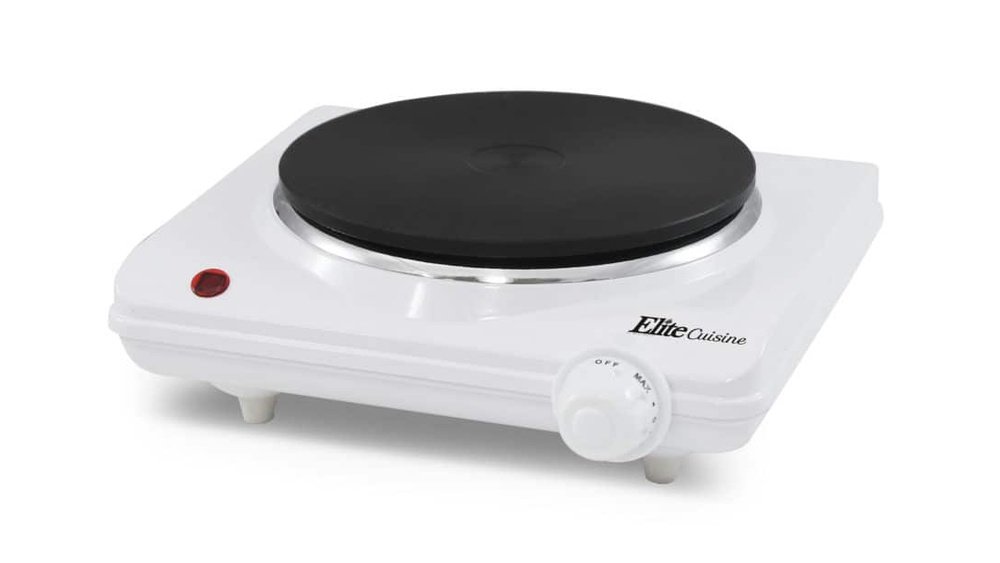
A hot plate is a small, flat heating device that uses electricity or gas to heat cookware placed on top of it. Hot plates are commonly used in kitchens, laboratories, and outdoor settings where a full stove is not available. Some models have one burner, while others have two or more. You can use a hot plate to cook food, boil water, or heat chemicals for experiments.
Types Of Hot Plates
There are three main types of hot plates:
- Electric Coil Hot Plates: These use exposed metal coils to generate heat. They are usually cheaper but can be harder to clean.
- Infrared or Ceramic Hot Plates: These use a flat glass or ceramic surface and heat up quickly. They are easier to clean and look modern.
- Induction Hot Plates: These use electromagnetic fields to heat only magnetic cookware. They are energy-efficient and heat up very fast, but require specific pots and pans.
Understanding these differences helps you choose the best hot plate for your needs. For example, induction hot plates are safer and more energy-efficient but cost more and limit your cookware options.
Where And When To Use A Hot Plate
Hot plates are versatile and can be used in various situations:
- Dorm Rooms: Ideal for students who cannot have a full stove.
- Small Apartments: Saves space in studios or shared living areas.
- Camping or Outdoor Cooking: Portable for outdoor kitchens or picnics.
- Laboratories: Used for heating chemicals and solutions.
- Backup Cooking: Useful during power outages (for gas hot plates) or kitchen renovations.
Hot plates are not only for cooking. In a lab, they are essential for experiments that require controlled heating. Some people even use hot plates for crafts, such as melting wax for candles.
Choosing The Right Hot Plate
Selecting the best hot plate depends on your needs, budget, and safety requirements. Here are the main factors to consider:
Power And Heating Capacity
Hot plates come in different wattages, usually between 750 to 1800 watts. Higher wattage means faster heating but also higher electricity use. If you plan to boil large pots of water, choose a hot plate with at least 1200 watts.
Number Of Burners
Single-burner hot plates are compact and easy to store. Double-burner models let you cook two dishes at once but take up more space. Think about your cooking habits before deciding.
Temperature Control
Some hot plates have simple on/off switches, while others offer adjustable temperature dials or digital controls. For precise cooking or lab work, choose a model with accurate temperature settings.
Safety Features
Look for features such as automatic shut-off, overheat protection, and non-slip feet. These reduce the risk of accidents, especially in busy environments.
Cookware Compatibility
Induction hot plates require magnetic cookware (cast iron or some stainless steel). Electric and ceramic hot plates work with most pots and pans. If you already own cookware, check compatibility before buying.
Size And Portability
Consider the size of the hot plate and your available space. A lightweight, compact model is easier to store and carry, especially for students or campers.
Price And Brand Reputation
Prices can range from $20 to over $200 depending on features and brand. Read reviews and choose a reliable brand with good customer service.
Common beginner mistake: Buying the cheapest hot plate without checking if it meets your needs or fits your cookware.
Setting Up Your Hot Plate Safely
Before using your hot plate, it is important to set it up correctly. This prevents accidents and helps the device work well.
Find A Safe Location
Place the hot plate on a flat, stable, and heat-resistant surface. Keep it away from water, flammable materials, and the edge of the counter. Make sure there is enough space around the device for air to circulate.
Check The Power Source
Plug the hot plate directly into a wall outlet. Avoid using extension cords or power strips, as they can overheat or cause electrical problems. For gas hot plates, make sure the gas supply is secure and leak-free.
Inspect The Device
Before turning it on, check for any cracks, frayed wires, or loose parts. Do not use a damaged hot plate.
Read The Manual
Each model is different. Read the user manual to understand the controls, safety features, and recommended cookware.
Credit: www.youtube.com
How To Use A Hot Plate: Step-by-step
Now, let’s go through the basic steps for using a hot plate safely and effectively.
1. Choose The Right Cookware
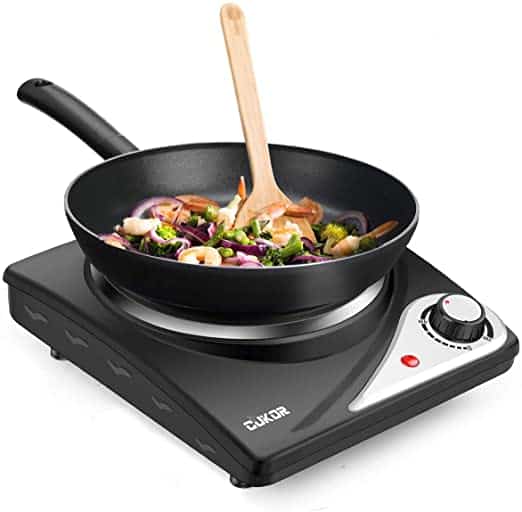
Use flat-bottomed pots and pans that fit the size of the burner. For induction hot plates, make sure your cookware is magnetic. An easy way to check is to stick a magnet to the bottom; if it sticks, it will work.
2. Place The Cookware On The Hot Plate
Always put your pot or pan on the hot plate before turning it on. This prevents damage to the heating element and helps heat distribute evenly.
3. Turn On And Set The Temperature
Plug in the hot plate and turn the control knob or press the power button. Set the temperature according to your recipe or needs. Start with a low setting and increase as needed. Some hot plates heat up fast, so watch your food to avoid burning.
4. Monitor The Cooking Process
Stay close while cooking. Hot plates do not have the same heat control as full-sized stoves. Stir food often and adjust the temperature as needed. For boiling water, use a lid to speed up the process.
5. Turn Off And Unplug
When finished, turn off the hot plate and unplug it. Let it cool completely before touching or cleaning it.
6. Clean After Use
Wipe the surface with a damp cloth once it is cool. Do not use harsh cleaners or immerse the hot plate in water. For electric coil models, remove and clean drip pans if needed.
Non-obvious insight: Many people forget to unplug the hot plate after use, which can be a fire hazard. Always unplug and let it cool in a safe spot.
Advanced Tips For Cooking With A Hot Plate
Using a hot plate is simple, but you can get better results by following these advanced tips:
Use The Right Pan Size
If your pan is too large, it will not heat evenly and may tip over. If too small, you waste energy. Match the pan size to the burner.
Preheat Before Cooking
For frying or sautéing, preheat the pan for 1-2 minutes. This helps food cook evenly and prevents sticking.
Avoid Overloading
Do not put heavy pots or too much food on the hot plate. Most have a weight limit (usually 10-15 pounds). Overloading can damage the device or cause it to tip.
Stir And Rotate
Because hot plates have small heating elements, you may need to stir food more often or rotate the pan to avoid hot spots.
Use Lids To Save Energy
Covering your pot or pan speeds up cooking and saves energy, especially when boiling water.
Manage Moisture
Hot plates can create more steam in small rooms. Open a window or use a fan to prevent moisture buildup.
Watch For Power Surges
If your hot plate shares an outlet with other appliances, it may trip the breaker. Use a dedicated outlet if possible.
Test Recipes In Small Batches
Some recipes may need slight adjustments in timing or temperature. Try cooking a small amount first to avoid waste.
Use A Timer
Many hot plates do not have built-in timers. Use a kitchen timer or your phone to avoid overcooking.
Clean Regularly
Grease and food can build up quickly on a hot plate. Wipe down after every use to keep it safe and efficient.
Credit: microbenotes.com
Comparing Hot Plate Types
To help you choose, here is a quick comparison of the main hot plate types:
| Type | Heating Speed | Cleaning Ease | Cookware Needed | Price Range |
|---|---|---|---|---|
| Electric Coil | Medium | Harder | Any | Low |
| Ceramic/Infrared | Fast | Easy | Any | Medium |
| Induction | Very Fast | Easy | Magnetic Only | High |
Example: If you want a hot plate for occasional use and have all types of cookware, a ceramic model is a good balance between speed and cleaning.
Safety Precautions And Mistakes To Avoid
Hot plates are generally safe when used correctly, but common mistakes can lead to fires or injuries. Here are some key safety rules:
Never Leave Unattended
Always stay nearby while the hot plate is on. Fires can start quickly, especially if oil or grease spills.
Keep Flammables Away
Do not place paper towels, cloths, or plastic near the hot plate. Heat can ignite these materials.
Use Heat-resistant Gloves
The surface and handles can get very hot. Use oven mitts or heat-resistant gloves to prevent burns.
Let It Cool
Wait until the hot plate is fully cool before cleaning or moving it.
Do Not Immerse In Water
Never put the hot plate in water. Water can damage the electrical parts and cause short circuits.
Watch The Cord
Keep the power cord away from the hot surface. Do not let it hang off the counter where it could be pulled.
Use Correct Voltage
Check the voltage requirements (usually 110-120V in the US). Using the wrong voltage can damage the hot plate or cause a fire.
Place On A Stable Surface
Make sure the hot plate is on a solid, level surface to prevent tipping.
Non-obvious insight: Some people place foil under the hot plate to catch spills, but this can block ventilation and cause overheating. Never cover vents or the underside of the device.
Cleaning And Maintenance
Proper cleaning keeps your hot plate working well and extends its life.
For Electric Coil Hot Plates
- Unplug and let it cool.
- Wipe the coil with a damp cloth.
- Remove and clean the drip pan with warm, soapy water.
- Do not get water inside the coil or wiring.
For Ceramic And Infrared Hot Plates
- Unplug and cool.
- Use a soft sponge and mild cleaner for the glass surface.
- Avoid scratching the surface with metal pads.
For Induction Hot Plates
- Wipe the flat surface with a damp cloth.
- Clean spills immediately to avoid stains.
- Do not use abrasive cleaners.
Maintenance tip: Check the cord and plug regularly for damage. If you see cracks or fraying, stop using the hot plate and get it repaired.
Troubleshooting Common Problems
Even high-quality hot plates can have issues. Here’s how to solve the most common ones:
Hot Plate Not Heating
- Check the power outlet and plug.
- Make sure the temperature dial is set properly.
- For induction, check if your cookware is compatible.
Hot Plate Shuts Off Suddenly
- The device may have overheated. Let it cool and try again.
- Some models have auto shut-off for safety.
Uneven Heating
- Use flat-bottomed cookware for better contact.
- Stir food often to avoid hot spots.
Burner Smells Or Smokes
- Clean the hot plate. Spilled food or grease can burn and cause smells.
- New electric coils may smell the first few uses. This is normal.
Display Error Codes
- For digital or induction models, check the manual for error codes.
- Some errors mean the device needs repair.
Pro tip: If the hot plate keeps tripping your breaker, it may be using too much power or sharing an outlet with other big appliances.
Credit: thedaringkitchen.com
Hot Plate Uses Beyond Cooking
Hot plates are not just for the kitchen. Here are some creative and practical uses:
Laboratory Work
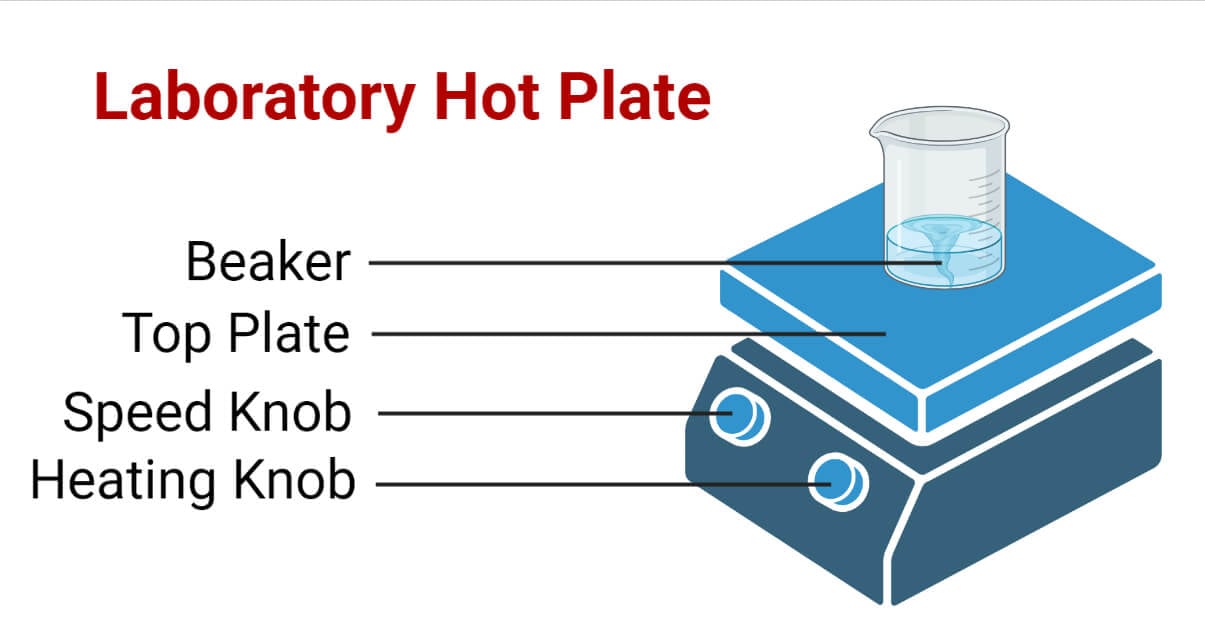
Scientists use hot plates to heat chemicals, melt solids, or stir solutions. Many lab hot plates have built-in magnetic stirrers for mixing liquids safely.
Candle And Soap Making
Melt wax or soap base in a controlled, safe way. Use a double boiler method to avoid overheating.
Craft Projects
Heat can be used to dye fabrics, melt plastic, or set paints.
Emergency Heating
In a power outage, a gas hot plate can provide a way to boil water or heat food.
Example: During storms, some families keep a small hot plate and butane canister as backup for emergency cooking.
Comparing Hot Plates To Other Heating Devices
Hot plates are not the only way to heat food or liquids. Here’s a quick look at how they compare to other common devices:
| Device | Portability | Energy Efficiency | Cooking Speed | Best Use |
|---|---|---|---|---|
| Hot Plate | High | Medium-High (Induction Highest) | Medium-Fast | Cooking/Boiling/Heating |
| Microwave | Medium | High | Very Fast | Reheating/Cooking Simple Meals |
| Toaster Oven | Medium | Medium | Medium | Baking/Toasting |
| Gas Stove | Low | Medium | Fast | All Cooking Needs |
Hot plates are often the best choice for people who need real cooking ability in a small, portable package.
Practical Examples: Hot Plate Recipes
Here are a few simple recipes you can try on your hot plate:
Boiled Eggs
- Place eggs in a small saucepan.
- Cover with cold water.
- Bring to a boil, then turn off the heat and cover for 10-12 minutes.
- Cool with cold water and peel.
Grilled Cheese Sandwich
- Heat a nonstick pan on medium.
- Butter two slices of bread, place cheese in between.
- Cook on the hot plate, flipping after 2-3 minutes, until golden brown.
Pasta For One
- Boil water in a medium pot.
- Add pasta and a pinch of salt.
- Cook until tender (8-12 minutes), drain, and top with sauce.
Beginner tip: Start with simple dishes to learn the heat settings of your hot plate.
Energy Usage And Cost
Hot plates are usually more energy-efficient than full-sized stoves because they heat a smaller area. Induction hot plates are the most efficient, converting about 85-90% of energy into heat. Electric coil and ceramic models are less efficient, often losing more heat to the air.
A 1500-watt hot plate used for one hour uses 1. 5 kWh of electricity. At an average US rate of $0. 15 per kWh, that’s about $0. 23 per hour. Using lids and matching pan sizes can lower energy use.
Common mistake: Leaving the hot plate on while preparing other ingredients wastes energy and adds to your electric bill.
Storing Your Hot Plate
Proper storage protects your hot plate from damage and keeps your kitchen organized.
- Let the hot plate cool completely before storing.
- Wipe it clean to avoid food buildup.
- Coil the cord loosely to prevent damage.
- Store in a dry place, away from moisture and dust.
- For double-burner models, stack lightweight cookware on top to save space.
Pro tip: If you use your hot plate often, keep it on a tray for easy moving and to protect your counter.
Hot Plate Regulations And Safety Standards
Some dorms, apartments, or labs have rules about hot plate use because of fire risk. Always check local regulations before buying or using a hot plate. Look for devices with UL or ETL safety certifications, which show they have passed safety tests.
For more on safety standards, see this Wikipedia article on hot plates.
Frequently Asked Questions
How Do I Know If My Cookware Is Induction Compatible?
Induction hot plates need magnetic pots or pans. Place a magnet on the bottom of your cookware. If it sticks, you can use it on an induction hot plate.
Can I Use A Hot Plate To Fry Food?
Yes, you can fry on a hot plate. Use a pan with high sides to prevent oil splatter, and never leave it unattended. Adjust the heat to avoid burning oil.
Is It Safe To Use A Hot Plate In A Dorm Room?
Many dorms allow hot plates, but some do not. Always check your school’s rules. Use the hot plate on a stable, heat-resistant surface and keep it away from bedding or curtains.
Why Does My Hot Plate Smell The First Time I Use It?
It is normal for new hot plates to smell during the first few uses. This comes from burning off protective coatings or manufacturing residues. The smell should go away after a few uses.
What Should I Do If My Hot Plate Stops Working?
First, check the outlet and power cord. If the device still does not work, consult the user manual or contact customer service. Do not try to repair it yourself, as this can be dangerous.
—
Using a hot plate gives you flexibility and convenience for cooking, heating, and even creative projects. By choosing the right type, following safety rules, and understanding the best practices, you can get great results and avoid common mistakes. Remember, attention to small details—like using the right cookware or cleaning after each use—makes a big difference.
Whether you are cooking in a tiny apartment, working in a lab, or preparing for emergencies, knowing how to use a hot plate well is a useful skill that will serve you for years.