
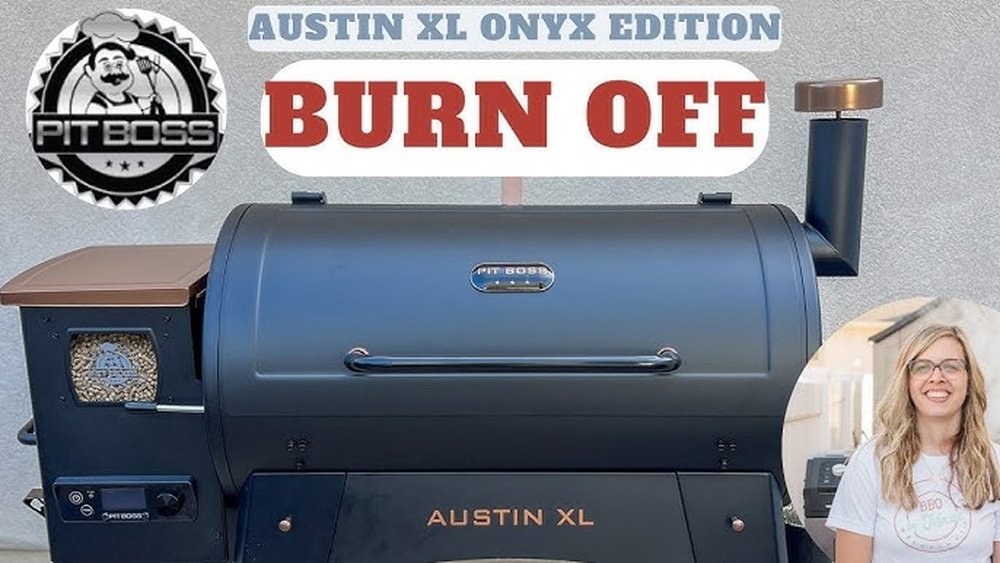
Firing up a smoker grill can transform a simple backyard into the heart of a delicious adventure. The Pit Boss Austin XL is a popular pellet grill loved by both barbecue beginners and serious pitmasters. Its large capacity, digital controls, and versatility make it a top choice for those who want to cook mouthwatering smoked meats, bake pizza, or even sear steaks. But using such a powerful grill can feel overwhelming if you’re new to pellet smokers or just unboxing your Austin XL for the first time.
This guide will walk you through every detail, from setting up your grill to mastering temperature control and cleaning. Whether you want to slow-cook a brisket or host a weekend cookout, you’ll learn not only the basics but also expert tips and common mistakes to avoid.
Let’s unlock the full potential of your Pit Boss Austin XL and turn every meal into a memorable event.
Understanding Your Pit Boss Austin Xl
The Pit Boss Austin XL is more than just a grill—it’s a wood pellet smoker, searer, roaster, and even a baker. It features an extra-large 1,000 square inch cooking surface, a digital control board, and a flame broiler for direct and indirect heat.
Key Features
- Cooking capacity: 1,000 sq. In.
- Hopper size: 31 lbs of wood pellets (lets you cook for hours without refill)
- Temperature range: 150°F to 500°F
- Digital control board: Set and monitor temperature easily
- Flame broiler lever: Switch between direct flame and convection cooking
- Meat probe ports: Monitor meat temperature precisely
This smoker is designed for both large gatherings and small family meals. Its versatility means you can smoke brisket, grill burgers, bake desserts, or roast veggies—all on one machine.
How Pellet Grills Work
Pellet grills like the Austin XL use compressed wood pellets as fuel. An auger moves pellets from the hopper to a fire pot, where an electric igniter lights them. A fan blows air to maintain combustion and control heat, while the digital controller keeps temperatures steady. The result is a consistent, smoky flavor that’s difficult to achieve with gas or charcoal.
Setting Up Your Pit Boss Austin Xl
Before your first cook, proper setup is essential for safety and performance.
Assembly Steps
- Unpack the grill and check for all parts. You’ll find the main body, legs, shelves, grease bucket, and hardware.
- Attach the legs and bottom shelf. Secure them tightly for stability.
- Install the side shelf and handle. These are useful for holding tools and food.
- Place the cooking grates and flame broiler tray inside.
- Hang the grease bucket on the right side under the drain spout.
Always assemble on a flat, stable surface. Avoid wobbly ground, which can cause accidents.
Initial Burn-in (first Use)
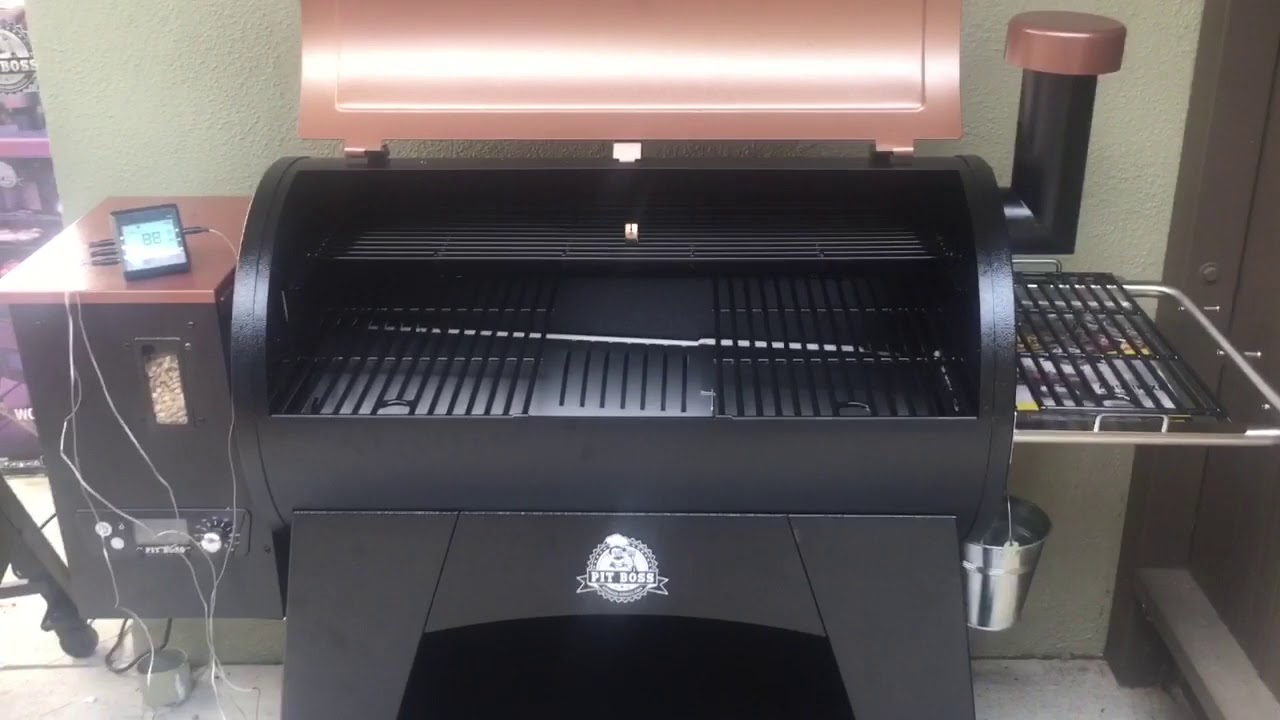
Before cooking food, you must do a burn-in to remove manufacturing oils and residue:
- Fill the hopper with quality food-grade wood pellets.
- Plug in the grill and open the lid.
- Set the temperature to 350°F and let it run for 40-50 minutes.
- Allow the grill to cool completely.
This step also seasons the interior, reducing sticking and improving flavor.
Location And Safety
Set up your Austin XL outdoors, away from any overhangs, walls, or flammable materials. Leave at least three feet of space on all sides for proper ventilation. Always keep a fire extinguisher nearby and never operate the grill indoors or in enclosed spaces.
Choosing The Right Pellets
Your choice of wood pellets has a huge impact on flavor and performance.
Common Pellet Types
- Hickory: Bold, classic BBQ flavor (great for ribs, brisket)
- Mesquite: Strong, earthy taste (best for beef)
- Apple: Sweet, mild smoke (ideal for pork and chicken)
- Cherry: Fruity and bright (good for poultry and desserts)
- Oak: Neutral, versatile (works with all foods)
Mixing pellets is a fun way to create unique flavors. However, always use pellets labeled as food-grade, with no added oils or chemicals.
Storage Tips
Store pellets in a dry place, tightly sealed. Moisture ruins pellets, causing them to crumble and jam the auger. Some users buy airtight containers or buckets for extra protection.
Pellet Comparison
Here’s a quick look at how common pellet woods compare for flavor and best uses:
| Pellet Type | Flavor Profile | Best For |
|---|---|---|
| Hickory | Strong, Smoky | Pork, Beef, Ribs |
| Apple | Sweet, Mild | Chicken, Pork, Fish |
| Mesquite | Earthy, Intense | Beef, Brisket |
| Cherry | Fruity, Medium | Poultry, Desserts |
| Oak | Balanced, Subtle | All Meats |
Starting Up: Powering On And Preheating
Starting the Austin XL is simple, but small steps matter for consistent results.
Starting Sequence
- Open the lid before turning on the grill. This prevents pellet buildup and dangerous flare-ups.
- Plug in the power cord to a grounded outdoor outlet.
- Fill the hopper with your chosen wood pellets.
- Set the dial to “Smoke.” The auger will feed pellets, and the igniter will light them. You’ll hear a whirring sound.
- Wait for smoke. In about 3-5 minutes, you’ll see white smoke as pellets ignite. Once smoke thins out, close the lid.
- Set your cooking temperature. Turn the dial to your desired setting (e.g., 225°F for low and slow).
Allow 10-15 minutes for the grill to reach target temperature. The digital board will display the current temperature.
Preheating Tips
Preheat with the lid closed for even heat distribution. For searing or high-heat cooking, preheat for at least 15-20 minutes. For smoking, 10 minutes is usually enough.
If it’s cold or windy, preheating may take longer. Don’t rush—stable temperature is key to good BBQ.

Credit: pitboss-grills.ca
Cooking Basics: Smoking, Grilling, Searing, And Baking
The Austin XL excels at multiple cooking styles. Understanding each method helps you get the best results.
Smoking
Smoking uses indirect heat and low temperature (180–250°F) to cook food slowly. This is perfect for brisket, ribs, pulled pork, and salmon.
- Set temperature between 180–250°F.
- Add a water pan for extra moisture if desired.
- Use the meat probe to monitor internal temperature.
- Don’t open the lid often. Heat and smoke escape quickly.
A full hopper can fuel up to 15 hours of smoking, depending on temperature and weather.
Grilling
Grilling uses higher temperatures (300–500°F) for burgers, steaks, and vegetables.
- Move the flame broiler lever to open the sear plate for direct flame access.
- Preheat to at least 400°F.
- Oil the grates to prevent sticking.
- Flip foods halfway through for even cooking.
Searing
Searing creates a flavorful crust on steaks or chops.
- Open the flame broiler plate with the lever.
- Preheat to 450–500°F.
- Place meat directly over the flame for 1–2 minutes per side.
- Finish cooking with indirect heat if needed.
Baking And Roasting
You can bake pizza, bread, or desserts at 350–400°F.
- Use a pizza stone or baking pan.
- Keep lid closed to maintain even heat.
- Rotate food halfway for best results.
Using The Control Panel And Meat Probe
The digital control panel is the brain of your Austin XL.
Control Panel Overview
- Power button: Turns the grill on/off
- Temperature dial: Choose desired heat level
- Display: Shows current and set temperature
- Meat probe ports: Plug in the included probes to monitor food temp
- Prime button: Feeds extra pellets for quick heat
If you want to speed up preheating or recover heat after opening the lid, press the “Prime” button for a few seconds.
Using The Meat Probe
Insert the meat probe into the thickest part of your food (not touching bone). Plug the other end into the port on the control panel.
The display will show the internal temperature. This helps prevent overcooking or undercooking. For example, chicken should reach 165°F, and brisket is done around 203°F.
Common Probe Mistakes
- Don’t push the probe all the way through the meat.
- Avoid placing the probe near bones or fat pockets.
- Always clean the probe with hot, soapy water after use.
Temperature Control And Troubleshooting
Consistent temperature is vital for good BBQ, but a few factors can cause swings or errors.
Factors Affecting Temperature
- Pellet quality: Moist or poor pellets burn unevenly.
- Weather: Wind, rain, or cold can make it harder to maintain heat.
- Opening the lid: Each time you lift the lid, heat escapes and recovery takes time.
- Hopper level: Low pellets can cause temperature drops or shut-off.
Common Problems And Solutions
Temperature Fluctuations
- Solution: Use fresh, dry pellets. Avoid opening the lid often. Shield the grill from strong wind.
Error Codes
The control panel may show codes like “ErH” (high temp) or “ErP” (power loss).
- ErH: Remove food and allow the grill to cool. Check for grease fires.
- ErP: Restart the grill and reset the controller.
Auger Jams
- Solution: Empty the hopper, clear out jammed pellets, and check for obstructions. Use a vacuum or shop vac if needed.
Uneven Cooking
- Solution: Rotate food halfway through cooking. Use upper and lower racks for different heat zones.
Temperature Comparison
Here’s a quick comparison of common cooking temperatures and what they’re best for:
| Temp (°F) | Cooking Style | Best Foods |
|---|---|---|
| 180–225 | Smoking (Low & Slow) | Brisket, Ribs, Pulled Pork |
| 300–400 | Grilling/Roasting | Chicken, Veggies, Pizza |
| 450–500 | Searing | Steaks, Burgers, Chops |
Cleaning And Maintenance
A clean grill not only cooks better but also lasts longer. The Austin XL is easy to clean, but regular care is necessary.
After Every Cook
- Brush the grates with a grill brush while still warm.
- Empty the grease bucket to prevent overflow and fires.
- Check the drip tray for buildup.
Weekly Or After Several Uses
- Vacuum out ash from the fire pot and bottom of the grill. Ash buildup restricts airflow and can cause uneven burns.
- Wipe down the interior with a damp cloth or paper towel.
- Clean the meat probe with soapy water.
Deep Cleaning
Every few months or after heavy use:
- Remove cooking grates, drip tray, and flame broiler.
- Vacuum all ash and debris.
- Scrub grates and tray with warm, soapy water (no harsh chemicals).
- Clean the grease chute and check for blockages.
- Wipe exterior surfaces with a damp cloth.
Do not use oven cleaner or abrasive pads, as these can damage the finish.
Pellet Maintenance
- Empty the hopper if you won’t use the grill for weeks. Pellets left in humid air can swell and jam the auger.
- Check for sawdust at the bottom of the hopper. Remove it to prevent feeding problems.
Advanced Tips And Tricks
Once you’re comfortable with basics, try these advanced techniques.
1. Two-zone Cooking
With the flame broiler, you can create direct and indirect zones. Sear steaks over the open flame, then finish on the cooler side for perfect doneness.
2. Reverse Sear Method
Smoke meat at low temperature first, then finish with a high-heat sear for a smoky, caramelized crust.
3. Use A Water Pan
Placing a pan of water on the drip tray adds moisture, which is especially helpful for long smokes like brisket or turkey.
4. Smoke Tubes For Extra Flavor
If you want even more smoke, add a smoke tube filled with pellets. This delivers more intense flavor, especially for quick cooks.
5. Grill Mats For Delicate Foods
Use grill mats for fish, vegetables, or pizza. They prevent sticking and make cleanup easier.
6. Pellet Blending
Mix different wood pellets to create custom flavors. For example, blend hickory and apple for a balanced taste.
7. Monitor Weather
On windy or cold days, use a grill blanket or wind barrier. This keeps temperatures stable and reduces pellet usage.
8. Keep A Cooking Log
Track cook times, temperatures, pellet blends, and results in a notebook or app. This helps you repeat your best meals.
Common Mistakes And How To Avoid Them
Even experienced users can make errors. Here’s what to watch for:
1. Using Cheap Or Wet Pellets
Poor-quality pellets make temperature control difficult and can clog the auger.
2. Forgetting To Clean Ash
Ash blocks airflow and causes uneven burns. Vacuum it out regularly.
3. Overfilling The Hopper
If you fill the hopper too much and leave it for weeks, pellets can absorb moisture and swell.
4. Not Monitoring The Meat
Relying only on cook times can lead to overcooked or undercooked food. Always check with the meat probe.
5. Ignoring The Flame Broiler
Leaving the flame broiler plate closed when trying to sear will prevent direct flame and give poor results.
6. Opening The Lid Too Often
Each time you check, heat escapes and cooking time increases.
7. Placing The Grill Too Close To Walls
This is a fire hazard and can damage your house or deck.
8. Not Doing The Burn-in
Skipping the first burn-in can leave chemicals on your food and cause weird flavors.
Recipes To Try On Your Austin Xl
Experimenting with recipes helps you master your grill. Here are some popular ideas:
Smoked Brisket
- Set temperature: 225°F
- Pellets: Hickory or oak
- Time: 10-15 hours for a whole brisket
- Tip: Wrap in butcher paper at 160°F internal temp for juicy meat
Pulled Pork
- Set temperature: 225°F
- Pellets: Apple or cherry
- Time: 8-12 hours for a pork shoulder
- Tip: Use a water pan for extra moisture
Grilled Pizza
- Set temperature: 400°F
- Pellets: Oak or cherry
- Time: 15-20 minutes
- Tip: Use a pizza stone and rotate halfway
Smashed Burgers
- Set temperature: 450°F with flame broiler open
- Pellets: Mesquite or hickory
- Time: 4-6 minutes total
- Tip: Sear quickly, then move to indirect heat to finish
Roasted Veggies
- Set temperature: 375°F
- Pellets: Apple or pecan
- Time: 20-30 minutes
- Tip: Toss with olive oil and seasonings before roasting
Comparison: Austin Xl Vs Other Pellet Grills
When choosing a pellet grill, it helps to know how the Austin XL stacks up.
| Feature | Pit Boss Austin XL | Traeger Pro 780 | Camp Chef DLX 24 |
|---|---|---|---|
| Cooking Area | 1,000 sq. in. | 780 sq. in. | 570 sq. in. |
| Hopper Size | 31 lbs | 18 lbs | 18 lbs |
| Max Temp | 500°F | 450°F | 500°F |
| Direct Flame Searing | Yes | No | Yes |
| Price Range | $$ | $$$ | $$ |
As you can see, the Austin XL stands out for its large capacity, high temperature, and budget-friendly price.

Credit: www.pitboss-grills.com
Safety Tips
Always follow safety guidelines when using your pellet grill:
- Keep children and pets away from the grill when in use.
- Do not use indoors or in garages.
- Never leave the grill unattended for long periods.
- Allow the grill to cool before cleaning.
- Regularly check the power cord and extension cords for damage.
- Keep a fire extinguisher nearby.
Frequently Asked Questions
How Do I Shut Down The Pit Boss Austin Xl Safely?
Turn the temperature dial to the “Off” position and leave the lid open. The fan will run for a few minutes to cool down the fire pot and burn off remaining pellets. Once the fan stops, unplug the grill.
Can I Use Other Brands Of Wood Pellets In The Austin Xl?
Yes, you can use any food-grade wood pellet brand. Just make sure they’re 100% hardwood and contain no fillers or artificial flavors. Avoid heating or animal bedding pellets.
Why Is My Grill Producing Too Much White Smoke?
Excess white smoke usually means the pellets aren’t burning completely—often due to damp pellets or too many in the fire pot. Use fresh, dry pellets and clean out excess ash regularly.
How Do I Clean The Grease Chute?
Remove the drip tray and flame broiler. Use a bottle brush or pipe cleaner to clear grease from the chute. Regular cleaning prevents blockages and grease fires.
Where Can I Find More Recipes And Tips For The Austin Xl?
The official Pit Boss website has a large recipe library, tips, and community forums to inspire your next cook.
Mastering the Pit Boss Austin XL is about enjoying the process as much as the results. With patience, practice, and the right techniques, you’ll create amazing meals that bring people together. Don’t be afraid to experiment, learn from mistakes, and celebrate your wins—your backyard barbecue is only as good as the stories you share around it.
Credit: www.youtube.com