
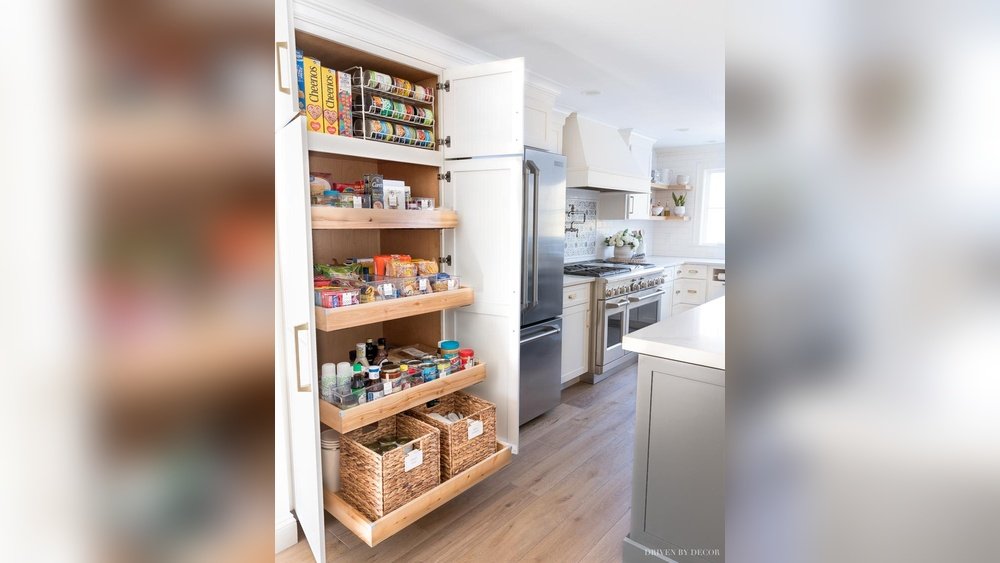
A well-organized kitchen can change the way you cook, clean, and live every day. If you have a pull out pantry or are thinking about adding one, you may already know how much space and flexibility it offers. But without a smart system, even the best pull out pantry drawers can become messy fast.
Cans topple, snacks get lost in the back, and soon you forget what you even own. Organizing these drawers is not just about making them look neat—it helps you save money, reduce food waste, and cook with less stress.
Many people struggle with their pantry drawers because they are deep, wide, and easy to overfill. The good news is, with the right approach, you can turn these tricky drawers into the most useful part of your kitchen. This guide will walk you through step-by-step instructions, tips, and insider secrets to create a space that stays tidy for good.
Whether your kitchen is small or large, you’ll find ideas here to make your pull out pantry drawers work for you.
Understanding Pull Out Pantry Drawers
Pull out pantry drawers are shelves that slide forward, letting you see and reach everything inside. Unlike regular cabinets, you don’t have to dig or stretch to get items from the back. This design is perfect for storing food, spices, baking supplies, and more.
However, their deep and open layout means items can slide around or pile up if you’re not careful. Organizing them well helps you use every inch of space, so you don’t waste food or buy duplicates.
Benefits Of Pull Out Drawers
- Easy access: Everything slides out, so you can quickly grab what you need.
- More storage: Use the full depth of your cabinets without losing items in the back.
- Flexible organization: Add bins, dividers, or labels to customize for your needs.
- Cleaner look: Hide clutter behind closed doors.
Many homeowners find that after organizing their pull out drawers, they spend less time searching for food and more time enjoying cooking.
Step 1: Empty And Clean Your Drawers
Before you organize, remove everything from your pull out pantry drawers. This gives you a clean slate and helps you see what you own. As you empty each drawer, place items on the counter or table in groups (like cans, snacks, spices).
Take a few minutes to wipe down all drawer surfaces with a damp cloth. Pull out drawers can collect crumbs and dust, so starting with a clean space is important.
Tip: Check for any expired or stale food as you go. This is your chance to get rid of things you no longer need.
Step 2: Group And Sort Pantry Items
Once your drawers are empty, sort everything into categories. This step is often missed, but it’s the secret to a pantry that stays organized long-term.
Common Pantry Categories
- Canned goods (soups, beans, vegetables)
- Baking supplies (flour, sugar, baking powder)
- Spices and seasonings
- Snacks (chips, bars, nuts)
- Grains and pasta
- Breakfast foods (cereal, oatmeal)
- Condiments and sauces
- Oils and vinegars
- Drinks (tea, coffee, powdered mixes)
- Specialty items (gluten-free, vegan, etc.)
Grouping similar items lets you see which categories you have the most of and helps you plan how to arrange your drawers.
Insight: Many people forget to make a separate group for “quick-grab” snacks or kids’ lunch items. Keeping these together saves a lot of time during busy mornings.
Step 3: Measure And Plan Your Space
Every pull out pantry is a bit different. Some have deep, wide drawers; others are narrow or tall. Before you buy bins or start arranging, take a few quick measurements:
- Width, depth, and height of each drawer
- Space between drawers when closed
Write these measurements down or take a photo on your phone. This will help you choose the right organizers and avoid wasted space.
Planning Tips
- Place the most-used items in the most accessible drawers.
- Store heavy items (like canned goods) in lower drawers for safety.
- Use upper drawers for light, less-used items.
Non-obvious insight: Don’t forget to measure the “usable” space. Sometimes the sides or handles of the drawer take up room that isn’t obvious at first glance.

Credit: www.neathousesweethome.com
Step 4: Choose The Right Organizers
Not all bins and dividers work well in pull out pantry drawers. The right organizers will keep items upright and prevent things from sliding around when you open and close the drawer.
Popular Organizer Types
| Type | Best For | Pros | Cons |
|---|---|---|---|
| Clear bins | Snacks, packets, loose items | See contents easily, easy to clean | Can waste space if not sized right |
| Adjustable dividers | Cans, boxes | Flexible, keeps things upright | Some can be hard to adjust |
| Tiered shelves | Spices, small jars | Good visibility, use vertical space | Not for deep drawers |
| Lazy Susans | Oils, sauces | Spin to reach items | Takes up more room |
Tip: Before buying a lot of organizers, try using simple cardboard boxes or containers to test your layout. Once you know what works, upgrade to more durable options.
Step 5: Arrange Items For Visibility And Access
Now it’s time to put things back. The goal is to see everything at a glance and reach what you need without moving other items out of the way.
Best Practices For Arrangement
- Tall items in the back, short in front: This classic rule lets you see all labels quickly.
- Group by use: Place breakfast foods together, baking supplies together, etc.
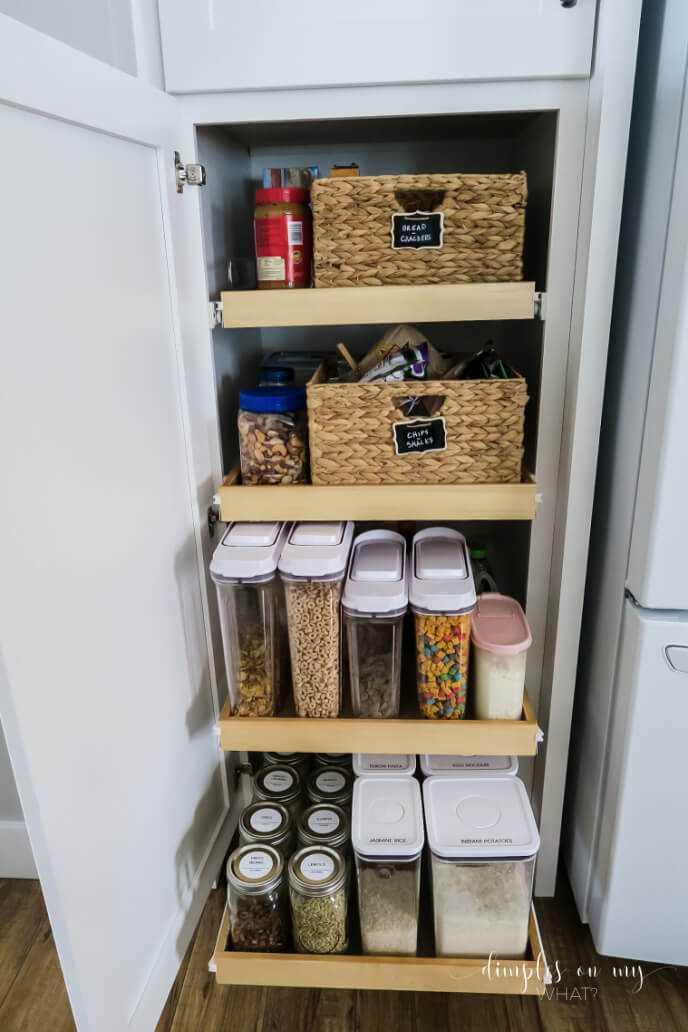
- Label bins: Even clear bins benefit from labels, especially for kids or guests.
- Leave “breathing room”: Don’t overfill drawers. Leave a little space for new items.
Example: Put snacks in a front bin for easy grabbing. Store rarely-used baking tools at the back of a deeper drawer.
Common mistake: Many people put everyday items in the top drawer. But for deep pantries, it’s often easier to have the middle drawers at waist level for quick access, especially if kids use them.
Step 6: Store Items In Clear Containers
Transferring dry goods into clear, airtight containers is a game-changer for most kitchens. It keeps food fresh, lets you see when you’re running low, and prevents half-empty boxes from wasting space.
What To Store In Clear Containers
- Flour, sugar, rice, pasta
- Cereal and oats
- Snacks (nuts, cookies, crackers)
- Dried beans and lentils
Write the name and expiration date on the container with a label or dry-erase marker.
Insider tip: Don’t transfer everything. Keep some items (like individually wrapped snacks or canned goods) in their original packaging to save time.
Step 7: Use Labels For Long-term Order
Labels are a simple tool that make a huge difference, especially for families or shared kitchens. When everything has a label, it’s easier for everyone to put things back in the right place.
Labeling Tips
- Use large, clear text—handwritten or printed.
- Place labels on the front of bins and containers.
- For drawers with multiple categories, use divider labels (e.g., “Snacks | Breakfast”).
Practical example: A label reading “Gluten-Free Snacks” helps guests or kids find what they need without digging.
Non-obvious insight: Removable labels are best if your pantry needs change often. Chalkboard or dry-erase labels can be updated as your needs change.
Credit: dimplesonmywhat.com
Step 8: Make Use Of Drawer Height And Depth
Every inch of your pull out pantry matters. Deep drawers can be tricky, but with the right tools, you can use all the space.
Vertical Storage Solutions
| Solution | How it Helps | Best For |
|---|---|---|
| Stackable bins | Use height, keep groups together | Snacks, packets |
| Can risers | See all cans in deep drawers | Canned goods |
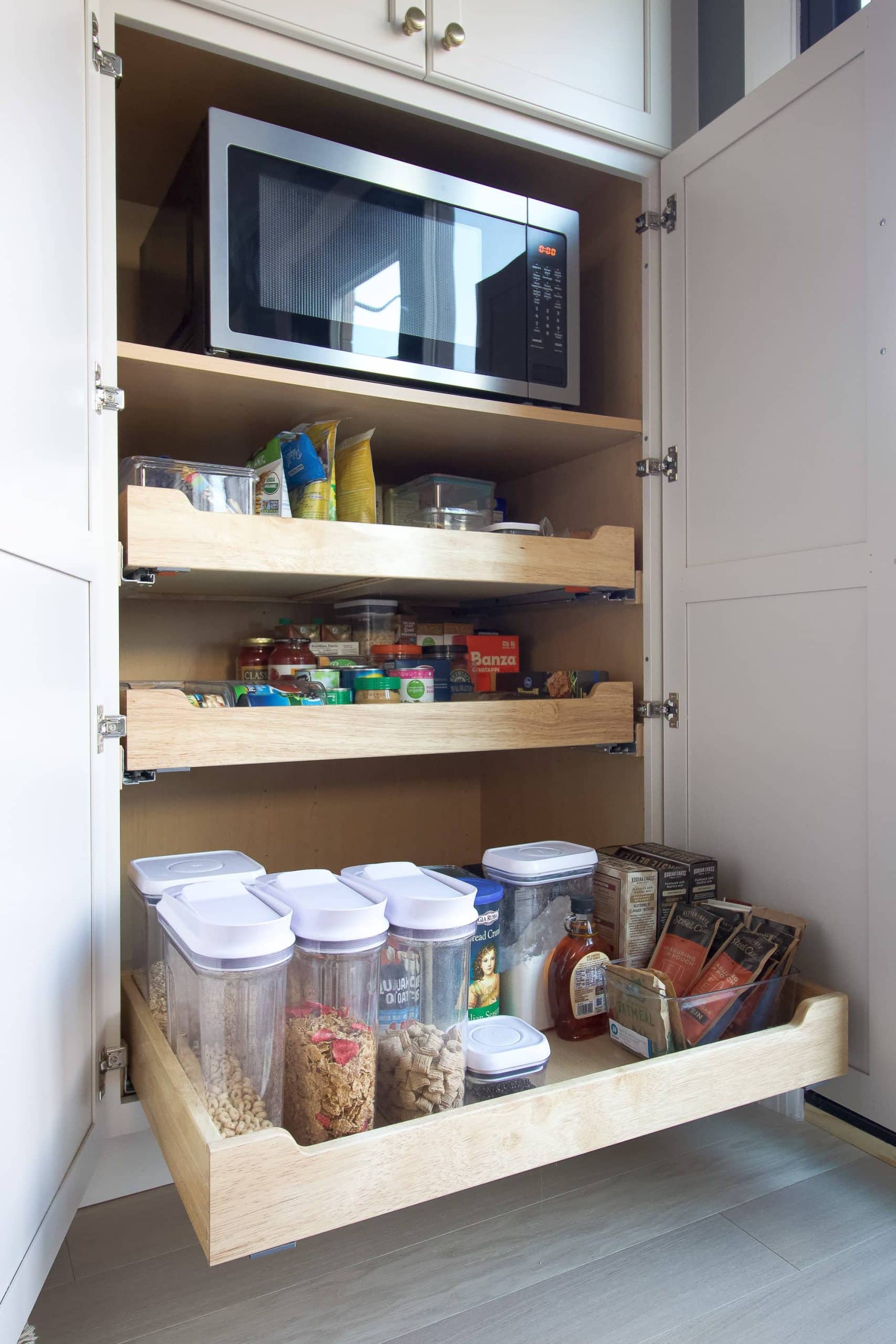
| Pull-out baskets | Organize small items, create “drawers within a drawer” | Spices, baking tools |
Pro tip: If your drawers are very deep, avoid stacking heavy items on top of each other—they can tip or spill when the drawer is pulled out.
Step 9: Keep A System For Restocking
A well-organized pantry only works if you keep it that way. Create a simple system to keep track of what you have and what you need to buy.
Easy Restocking Methods
- Keep a notepad or phone app for shopping lists nearby.
- Once a week, do a quick check for low items.
- Put new groceries in the back, so older items are used first (FIFO: First In, First Out).
Example: If you have a bin for snacks, teach kids to add to the shopping list when it’s almost empty.
Non-obvious insight: Place a pen and sticky notes inside a pantry door or nearby drawer to make list-making easy for everyone.
Step 10: Maintain Your Organization
Even the best system needs a little upkeep. Plan a quick tidy-up every month to keep your drawers in top shape.
Maintenance Checklist
- Remove empty boxes and expired food.
- Wipe down surfaces and bins.
- Check labels—replace if they’re peeling or outdated.
- Rearrange if your needs have changed (like back-to-school snacks or holiday baking).
Practical advice: Set a calendar reminder or do your pantry check at the same time you clean out the fridge. Small steps will keep your pull out drawers organized all year.
Organizing Pull Out Pantry Drawers For Special Needs
Every kitchen and family is unique. Here are some extra tips for common situations.
Small Kitchens
- Use narrow bins to avoid wasted space.
- Store less-used items in higher or lower drawers.
- Stack vertically, but don’t overfill—overstuffed drawers are hard to open.
Large Families
- Assign a drawer or bin to each person (e.g., “Dad’s Snacks,” “Kids’ Lunches”).
- Use large, open bins for snacks or breakfast items.
- Label everything clearly so helpers and kids know where things go.
Kids And Accessibility
- Place healthy snacks at kid level.
- Use bins without lids for easy grabbing.
- Avoid glass containers for safety.
Allergies And Special Diets
- Dedicate a section or bin for allergy-safe foods.
- Use bold labels for quick identification.
- Store allergy-friendly snacks away from common allergens.
Credit: thediyplaybook.com
Common Mistakes To Avoid
Many people fall into the same traps when organizing their pantry drawers. Here are some pitfalls to watch for:
- Overfilling drawers: Too many items make it hard to see or reach anything.
- Ignoring drawer measurements: Bins that don’t fit waste space and cause frustration.
- Storing heavy items up high: Risk of dropping or breaking items.
- No labeling: Leads to confusion and messy drawers.
- Mixing categories: Harder to keep tidy and find what you need.
Avoiding these mistakes will save you time and effort in the long run.
Advanced Tips For Pull Out Pantry Perfection
If you want to take your pantry to the next level, try these expert strategies.
Use Drawer Liners
Non-slip liners keep bins and containers from sliding. They also protect the drawer surface from spills.
Color Coding
Assign colors to different food groups or family members. This works especially well for snacks or lunch supplies.
Inventory List
Keep a printed list or QR code on the inside of the pantry door. Update as you use and restock items. This helps avoid overbuying and food waste.
Smart Lighting
Install battery-powered LED lights inside deep drawers. No more searching in dark corners.
Seasonal Rotation
Adjust your pantry by season. In summer, put grilling spices and picnic supplies up front; in winter, move soup and baking items forward.
Insider tip: Don’t be afraid to adjust your system as your family’s needs change. Organization is a process, not a one-time project.
Real-life Examples
Seeing how others organize their pull out pantry drawers can spark ideas for your own space.
Busy Parent’s Pantry
A family with three kids uses wide, shallow drawers. Each child has a snack bin at their level, and breakfast foods are grouped together for fast mornings. Baking supplies are in clear bins with labels on the side.
Food Lover’s Pantry
A couple who loves to cook uses deep drawers for canned goods and grains. They use tiered can risers and adjustable dividers for spices. Oils and vinegars are stored in a lazy Susan for easy access.
Small Apartment Solution
In a small apartment, the pantry is a single pull out drawer. Stackable bins maximize height, and a hanging pocket on the inside of the door holds spices.
These setups show that good organization works in any kitchen—big or small.
Product Recommendations And Where To Buy
Choosing the right organizers makes a big difference. Here are some popular types and where to find them:
| Product | Where to Buy | Best Features |
|---|---|---|
| Clear storage bins | Amazon, The Container Store | Stackable, see-through, various sizes |
| Adjustable drawer dividers | IKEA, Home Depot | Custom fit, easy to move |
| Tiered can risers | Bed Bath & Beyond, Walmart | Maximizes visibility, sturdy |
| Label makers | Office supply stores, Target | Clear, professional labels |
Always double-check measurements before ordering. Some stores let you return items that don’t fit.
For more on choosing kitchen storage solutions, see the New York Times Wirecutter guide.
Frequently Asked Questions
How Do I Keep My Pull Out Pantry Drawers From Getting Messy Again?
Set a simple routine, like a 5-minute tidy-up each week. Use bins and labels so everyone knows where things go. Teach your family or housemates to put items back in the right spot.
What Should I Avoid Storing In Pull Out Pantry Drawers?
Avoid heavy appliances, open bags of flour (unless in containers), and very large bottles. These can make the drawers hard to open or cause spills.
How Can I Organize Deep Pull Out Drawers?
Use stackable bins, can risers, or pull-out baskets to use the full height. Put less-used items at the back and everyday foods at the front. Don’t overfill or stack too high.
Are There Special Organizers For Narrow Pull Out Drawers?
Yes, look for slim bins, spice organizers, or adjustable dividers made for narrow spaces. Measuring your drawers is the key to finding the right fit.
What Is The Best Way To Label Pantry Drawers?
Use large, clear labels on the front of bins and containers. Removable labels are good if your needs change often. For families, consider color coding for each person or food group.
A well-organized pull out pantry is more than just neat shelves—it’s a system that saves you time, money, and stress. By taking a few steps to sort, measure, and plan your space, you’ll enjoy a kitchen that works for you every day.
Organization isn’t about perfection; it’s about finding what you need, when you need it, and making life a little easier.