
Using a Breville appliance can change the way you prepare food and drinks at home. Whether you’re making coffee, blending smoothies, or toasting bread, Breville products are known for their smart designs and reliable results. But many users—especially first-timers—feel unsure about how to get the most from these machines.
Understanding the right steps and tips can help you use your Breville safely and efficiently, while avoiding common mistakes that can ruin your food or even damage the appliance.
This guide is your friendly, experience-based helper. It covers the essential steps and insights for different Breville appliances, from espresso machines to food processors and ovens. You’ll learn not only the basics, but also pro tips and troubleshooting advice that beginners often miss.
By the end, you’ll feel confident to use your Breville like a pro, whether you’re aiming for a perfect cup of coffee or a quick, delicious meal.
Understanding Your Breville Appliance
Before you start, it’s important to know which Breville appliance you have. Breville makes a wide range of products, including:
- Espresso machines
- Blenders
- Food processors
- Toasters and toaster ovens
- Juicers
- Coffee grinders
- Bread makers
- Microwave ovens
- Kettles
- Air fryers
Each product has unique features, but most share Breville’s focus on user-friendly controls and advanced technology. Reading the manual is important, but many people skip it. Take 10 minutes to scan the instructions—this can prevent damage and confusion later.
Key Features To Check
- Control panel: Most Breville machines use digital or dial-based controls. Learn what each button or dial does.
- Display indicators: Some models have LCD screens that show progress, temperature, or error messages.
- Safety features: Automatic shut-off, locking lids, and overheat protection are common.
- Removable parts: For cleaning and maintenance.
Knowing these basics sets you up for safe and smooth operation.
How To Use A Breville Espresso Machine
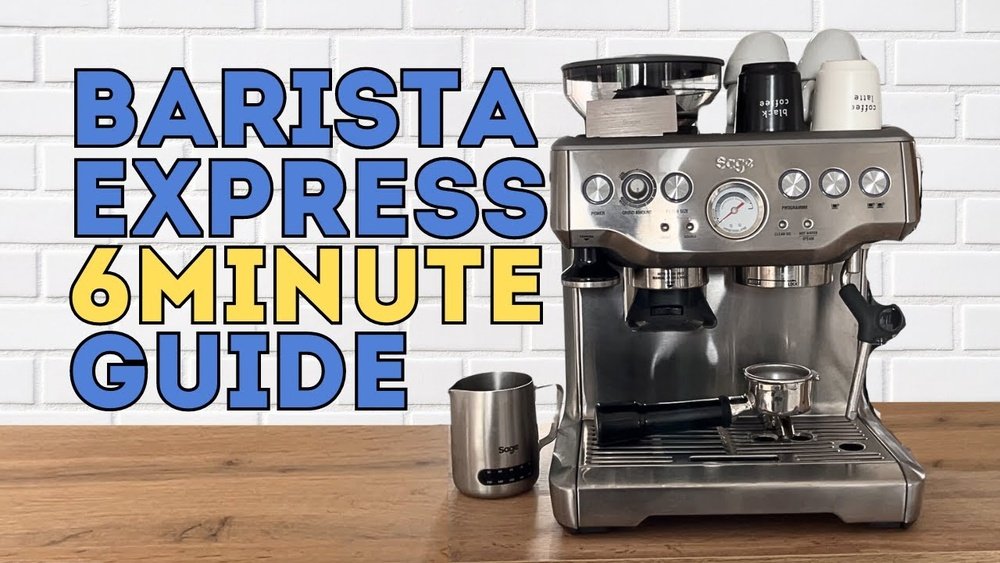
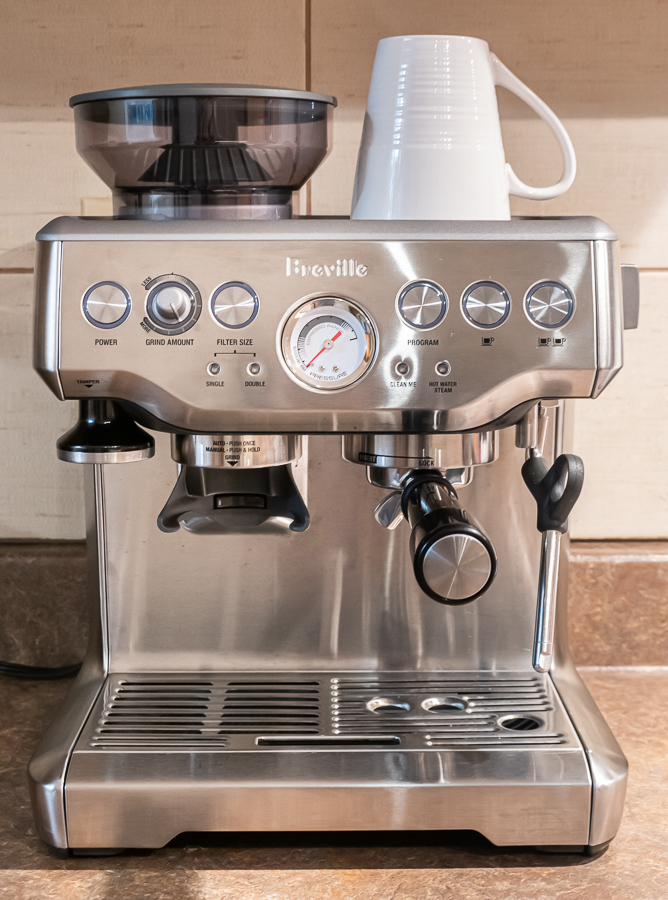
Breville’s espresso machines, like the Barista Express and Bambino Plus, are popular with coffee lovers. Using them well takes a little practice, but the results are worth it.
Getting Started
- Fill the water tank with fresh, filtered water. Avoid tap water if it’s hard, as minerals can build up inside.
- Add coffee beans to the hopper if your machine has a built-in grinder.
- Turn on the machine and let it preheat. This usually takes 1-2 minutes.
Grinding And Dosing
- Use fresh coffee beans for the best taste.
- Adjust the grind size using the dial (finer for espresso, coarser for long black).
- Dose the right amount: Most single shots use 8-10 grams, doubles use 18-20 grams.
Tamping And Brewing
- Distribute coffee evenly in the portafilter.
- Tamp firmly and evenly. The goal is level, compressed grounds.
- Lock the portafilter into the group head.
- Start extraction. A good shot takes 25-30 seconds. If it’s too fast or slow, adjust grind size or amount next time.
Steaming Milk
- Purge the steam wand to remove water.
- Fill a pitcher with cold milk (about one-third full).
- Insert the wand just below the surface and start steaming.
- Angle the pitcher to create a whirlpool for smooth foam.
- Stop steaming when the milk reaches 150°F (65°C).
Cleaning Up
- Remove and rinse the portafilter.
- Wipe the steam wand right after use.
- Empty the drip tray and clean all surfaces daily.
Pro Tips
- Heat your cup before brewing for better temperature.
- Use a scale to measure coffee and water for consistency.
- Backflush the machine weekly (if your model allows).

Credit: www.youtube.com
How To Use A Breville Blender
Breville blenders, like the Breville Super Q or Fresh & Furious, are designed for smoothies, soups, and more. They’re strong, but need correct use for best results.
Setup
- Place the jug on the base, making sure it clicks in.
- Add ingredients—liquids first, then soft foods, then hard or frozen items last.
- Secure the lid tightly.
Blending Steps
- Select the speed or preset for your recipe (smoothie, ice crush, soup).
- Start blending at a low speed, then increase as needed.
- Stop and check the texture. Scrape down the sides if needed.
- Blend again if chunks remain.
Cleaning Tips
- Fill the jug halfway with warm water and a drop of dish soap.
- Run the blender on “clean” mode for 30 seconds.
- Rinse and air dry.
Avoiding Common Mistakes
- Don’t overfill the jug—there’s a max line for a reason.
- Avoid blending hot liquids unless the jug is heat-safe.
- Never use metal utensils inside the jug.
Advanced Uses
- Make nut butters by blending roasted nuts and a little oil.
- Create smooth purees for soups or baby food.
- Crush ice for cocktails (check your model’s rating first).
How To Use A Breville Food Processor
Breville food processors, such as the Sous Chef, make slicing, chopping, and mixing quick and easy.
Assembly
- Set the bowl on the base.
- Choose the blade or disc for your task (S-blade for chopping, discs for slicing/grating).
- Lock the lid in place.
Basic Operations
- Add ingredients to the bowl (don’t overload).
- Use the “Pulse” button for chopping, or the “On” button for continuous processing.
- Check consistency; stop once you reach the desired texture.
Slicing & Grating
- Use the feed chute and pusher for safe, even slices.
- Stack food upright for uniform results.
Dough And Batters
- Use the dough blade for bread or pizza dough.
- Add liquid slowly through the chute for even mixing.
Cleaning
- Remove and wash all parts right after use.
- Be careful with sharp blades—wash by hand, not dishwasher.
Extra Insights
- Chill the bowl and blade before making pastry dough to prevent melting.
- Pulse nuts or herbs in short bursts to avoid turning them into paste.
How To Use A Breville Toaster Or Toaster Oven
Breville’s toaster ovens, like the Smart Oven Pro, are more versatile than regular toasters. They can toast, bake, broil, and even air fry in some models.
Basic Toasting
- Place bread slices in the slots or on the rack.
- Select the shade or browning level.
- Press start and wait for the cycle to finish.
Baking And Roasting
- Use the baking tray or pizza pan included.
- Preheat if needed (most models have a preheat setting).
- Set time and temperature as your recipe requires.
Air Frying (if Available)
- Use the air fry basket for best airflow.
- Don’t overload—spread food in a single layer.
- Shake or turn food halfway for even crispness.
Maintenance
- Empty the crumb tray regularly.
- Wipe down the interior with a damp cloth (unplug first).
- Don’t use harsh chemicals or scouring pads.
Advanced Uses
- Dehydrate fruit with low heat for several hours.
- Proof dough with the “warm” setting.
- Reheat leftovers evenly without drying them out.
How To Use A Breville Juicer
Breville juicers, like the Juice Fountain Plus, make it easy to get fresh juice from fruits and vegetables.
Assembly
- Place the filter basket inside the jug.
- Lock the lid and make sure the safety arm is in place.
- Place the pulp container under the spout.
Juicing Steps
- Wash and cut produce to fit the chute (no need to peel most items).
- Turn the juicer on.
- Feed produce into the chute using the pusher—don’t force it.
- Collect juice in a glass or jug.
Cleaning And Safety
- Turn off and unplug before cleaning.
- Rinse filter basket immediately to prevent clogging.
- Empty pulp container after each use.
Pro Insights
- Alternate soft and hard produce for smoother juicing.
- Use leftover pulp in soups, muffins, or compost.
How To Use A Breville Coffee Grinder
A good grinder is key for great coffee. Breville’s Smart Grinder Pro lets you control grind size and dose.
Setting Up
- Fill the hopper with beans.
- Choose the grind size (fine for espresso, coarse for French press).
- Select the cup amount or time for grinding.
Grinding Process
- Place portafilter or container under the chute.
- Press start to grind.
- Check grounds—adjust finer or coarser as needed.
Cleaning
- Clean the hopper and burrs every few weeks.
- Avoid oily beans—they can clog the grinder.
Expert Tips
- Grind just before brewing for maximum flavor.
- Store beans in a cool, dark place, not the hopper.
How To Use A Breville Bread Maker
Making bread at home is simple with Breville bread makers like the Custom Loaf.
Preparation
- Add liquids first, then dry ingredients, then yeast on top.
- Select the loaf size and crust color.
- Choose the baking mode (basic, whole wheat, gluten-free).
Baking Process
- Close the lid and press start.
- The machine will mix, knead, rise, and bake automatically.
- When done, remove the loaf and let cool.
Cleaning
- Wait for the pan to cool before cleaning.
- Don’t immerse the base in water—wipe with a damp cloth.
Practical Insights
- Use bread machine yeast for best results.
- Measure ingredients carefully for consistent loaves.
How To Use A Breville Microwave Oven
Breville microwaves, like the Quick Touch, have smart sensors for easier cooking.
Getting Started
- Place food in a microwave-safe container.
- Close the door firmly.
- Select power level and time using the dial or buttons.
Preset Programs
- Use presets for popcorn, reheating, defrosting, and more.
- Sensor cook options adjust time and power automatically.
Cleaning
- Wipe the interior with a damp cloth after use.
- Remove and wash the turntable regularly.
Common Mistakes
- Avoid metal or foil inside the oven.
- Don’t use sealed containers—steam can cause explosions.
How To Use A Breville Kettle
Breville kettles, such as the Smart Kettle, allow temperature control for different drinks.
Boiling Water
- Fill the kettle with fresh water—don’t overfill.
- Place on the base and close the lid.
- Select temperature (boiling for black tea, lower for green tea).
- Press start and wait for the beep.
Safety And Cleaning
- Don’t operate an empty kettle.
- Descale regularly using a vinegar-water mix.
Advanced Features
- Some models keep water warm for up to 20 minutes.
- Use the lower temperature setting for delicate teas.
How To Use A Breville Air Fryer
Many Breville ovens now include air fry functions.
Air Frying Steps
- Place food in the air fry basket.
- Set the temperature (usually 375°F to 400°F).
- Set the timer and start.
- Shake or turn food halfway.
Cleaning
- Wash basket and tray after each use.
- Wipe the oven interior to remove oil splatter.
Useful Insights
- Don’t crowd the basket—air needs to circulate.
- Preheat for crispier results.
Comparing Breville Appliances
Choosing the right Breville for your needs can be tricky. Here’s a quick side-by-side look at three popular categories:
| Feature | Espresso Machine | Blender | Food Processor |
|---|---|---|---|
| Main Use | Espresso, coffee drinks | Smoothies, soups | Slicing, chopping |
| Key Skill Needed | Tamping, dosing | Layering ingredients | Blade selection |
| Cleaning Ease | Moderate | Easy | Moderate |
| Beginner-Friendly? | Medium | High | High |
Tips For Safe And Effective Use
Using your Breville safely is as important as using it well. Here are some universal tips:
- Read the manual before the first use.
- Unplug after use for safety.
- Use correct outlets—most Breville appliances need a standard 120V supply.
- Don’t immerse bases in water.
- Check for damage regularly—replace cracked parts.
- Let hot parts cool before cleaning.
Troubleshooting Common Problems
Even well-made appliances can have issues. Here’s how to solve some frequent problems:
| Problem | Appliance | Possible Cause | Solution |
|---|---|---|---|
| Machine won’t turn on | Any | Unplugged or faulty outlet | Check plug, try a different outlet |
| Grinder jams | Coffee grinder | Oily beans, blocked burrs | Clean burrs, use dry beans |
| Milk won’t foam | Espresso machine | Wand blocked or milk too hot | Clean wand, use fresh cold milk |
| Uneven blending | Blender | Too full, wrong order of ingredients | Layer liquids first, don’t overfill |
| Loaf doesn’t rise | Bread maker | Old yeast, wrong order of ingredients | Use fresh yeast, follow recipe |

Credit: www.wikihow.com
Cleaning And Maintenance
Taking care of your Breville extends its life and keeps food tasting fresh.
- Clean removable parts after each use.
- Descale kettles and espresso machines every few months (more often with hard water).
- Sharpen food processor blades or replace if dull.
- Check seals and gaskets for wear.
- Store dry—avoid moisture in motors or electronics.
Energy Efficiency And Environmental Tips
Breville machines are designed to be efficient, but you can do more:
- Run full loads (for blenders, processors) instead of small batches.
- Turn off at the wall when not in use.
- Use eco modes or lower temperatures if available.
- Recycle packaging and old appliances responsibly.
Two Insights Many Beginners Miss
- Water quality matters: Using filtered water in kettles, espresso machines, and bread makers prevents mineral buildup and improves taste.
- Ingredient order affects results: Especially in blenders, bread makers, and food processors, following the right order (liquids first, then soft, then hard) prevents jams and ensures even mixing.
When To Seek Help
If your Breville isn’t working right and basic troubleshooting fails, contact Breville customer support. Don’t try to repair electrical parts yourself—this can void warranties and cause harm.
For more details on safe use and care, check the official Breville website.
Credit: www.kevinandamanda.com
Frequently Asked Questions
How Often Should I Clean My Breville Appliance?
Clean all removable parts after each use to prevent buildup and odors. For kettles and espresso machines, descale every 1-3 months depending on water hardness. Check the manual for specific cleaning advice.
Can I Put Breville Parts In The Dishwasher?
Some parts, like blender jugs and food processor bowls, are top-rack dishwasher safe. However, sharp blades and electrical bases should always be washed by hand. Always check your manual to avoid accidental damage.
Why Does My Breville Espresso Machine Make Bitter Coffee?
Bitter coffee usually comes from over-extraction (brew time too long), water that’s too hot, or old/stale beans. Try adjusting the grind size, dose, or using fresher beans.
My Blender Smells Like Burning—is This Normal?
A burning smell can mean the motor is overloaded or running too long. Turn it off, let it cool, and reduce the batch size next time. If the smell continues, contact customer support.
What Should I Do If My Breville Juicer Stops Working Mid-use?
First, turn off and unplug the juicer. Check for clogs or blockages, and make sure all parts are assembled correctly. Clean the filter basket and reassemble. If it still doesn’t work, seek professional help.
Using a Breville can make your kitchen experience easier, faster, and more enjoyable. With the right steps and regular maintenance, your appliance will serve you well for years. Remember, a little care and attention go a long way—so take the time to learn your machine, and don’t be afraid to experiment.
Happy cooking!