
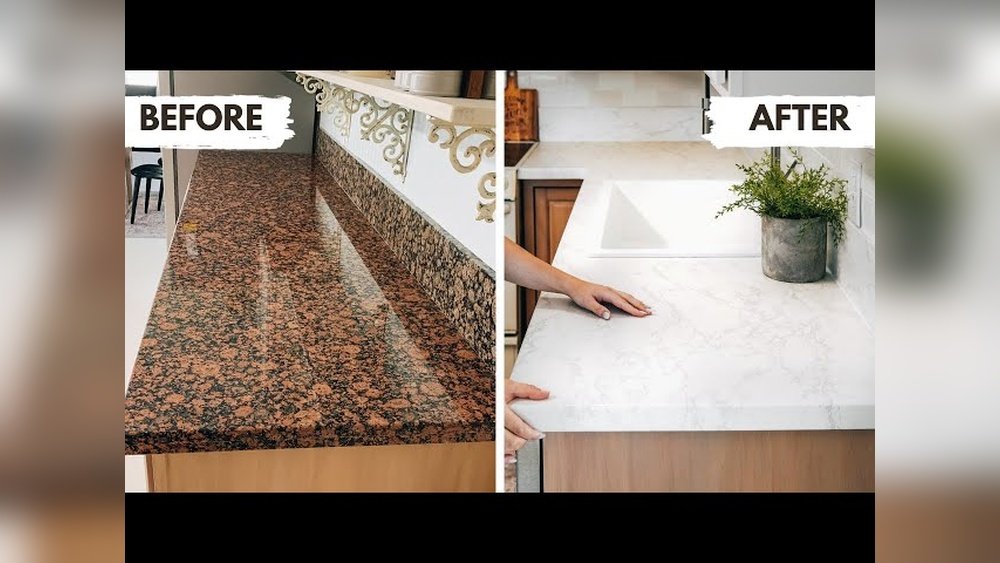
Redoing granite countertops can sound challenging, but it’s often easier and more affordable than people think. Many homeowners worry about the cost, the mess, or even damaging their beautiful granite. Others feel stuck with outdated colors or stains that never seem to go away. But there’s good news: with the right steps, you can give your granite countertops a new look without replacing them. Whether you want a full makeover, to repair damage, or just freshen up the shine, this guide will walk you through every option.
You’ll learn about cleaning, repairing, resurfacing, painting, sealing, and even changing the color. We’ll compare costs and results for each method. You’ll also get tips that most beginners miss, plus real-life examples to help you decide what’s right for your kitchen or bathroom.
By the end, you’ll know exactly how to redo granite countertops with confidence.
Understanding Granite Countertops
Granite is a natural stone used for countertops because of its beauty and durability. Each slab has unique patterns and colors, which makes every kitchen or bathroom special. Granite is strong, heat-resistant, and can last for decades if cared for properly.
However, granite is also porous. This means it can absorb liquids and get stained if not sealed correctly. Over time, granite can get scratches, chips, dull spots, or lose its shine. Some colors and finishes can also go out of style.
That’s why many homeowners want to redo their granite countertops instead of replacing them.
Why Redo Instead Of Replace?
There are several reasons to redo granite countertops instead of buying new ones:
- Cost savings: Redoing is usually much cheaper than replacing.
- Less mess: No need to remove heavy slabs or damage cabinets.
- Customization: You can change the color, finish, or pattern.
- Increase value: A fresh look can boost your home’s appeal.
A full replacement often costs $2,000–$5,000 or more, while most redo methods are under $1,000.
Evaluating Your Granite Countertops
Before you begin, inspect your countertops closely:
- Check for cracks, chips, and deep scratches.
- Look for stains (oil, wine, coffee, etc. ).
- Notice if the surface is dull or has lost its shine.
- Decide if you want to change the color or just restore the original look.
This assessment will help you choose the best redo method. For example, a countertop with deep cracks may need professional repair, while small stains can often be removed with cleaning and resealing.

Credit: www.youtube.com
Cleaning And Preparing Granite Countertops
Every redo starts with proper cleaning. Dirt, grease, and old sealant can stop new finishes from sticking.
- Clear the counters: Remove all items and appliances.
- Vacuum crumbs: Get rid of loose dirt and dust.
- Wash with stone cleaner: Use a pH-neutral cleaner made for granite. Avoid vinegar, bleach, or ammonia.
- Rinse with water: Wipe with a damp cloth.
- Dry completely: Use a soft towel. Let the stone air-dry for at least 1 hour.
Tip: Test cleaners on a small area first. Some chemicals can dull the surface or damage the sealant.
Repairing Chips, Cracks, And Scratches
Granite is tough, but it can still chip or crack from dropped objects or heavy impacts. Scratches are less common but can happen, especially near the edges.
Fixing Chips
Small chips can often be filled at home:
- Clean the area: Remove dust and grease.
- Apply clear epoxy: Use a granite repair kit. Fill the chip until flush.
- Smooth with a razor blade: Carefully level the epoxy with the surface.
- Let cure: Wait 24 hours before using the area.
Fixing Cracks
Cracks deeper than 1/8 inch or longer than 6 inches usually need a professional. For small cracks:
- Clean the crack: Remove any loose debris.
- Use pigmented epoxy: Match the color to your granite.
- Fill and smooth: Use a small brush or toothpick.
- Buff when dry: Polish lightly to blend.
Removing Scratches
- Use granite polishing powder: Apply to the scratch.
- Buff with a soft cloth: Work in a circular motion.
- Repeat if needed: Deeper scratches may need a second try.
Non-obvious insight: Always check the manufacturer’s warranty before repairing. DIY fixes can sometimes void the warranty.
Credit: porchdaydreamer.com
Removing Stains And Etching
Granite is resistant to most stains, but oil, wine, and acidic foods can sometimes leave marks. Etching is dullness caused by acids.
Stain Removal
- Oil stains: Mix baking soda and water into a paste. Apply, cover with plastic, and let sit overnight. Rinse.
- Organic stains: Mix baking soda and hydrogen peroxide. Apply as above.
- Rust stains: Use a commercial rust remover approved for granite.
Etching
Etching is rare on granite but can happen with strong acids. Use a granite polishing powder and buff the area gently.
Tip: Always reseal after removing stains or etching.
Polishing Granite Countertops
Polishing restores shine and helps the stone resist stains.
- Choose a granite polish: Avoid polishes for marble or quartz.
- Apply with a microfiber cloth: Work in small sections.
- Buff in circles: Use gentle pressure.
- Wipe away residue: Finish with a dry cloth.
Beginner mistake: Using wax-based polishes. These can build up over time and make the surface look cloudy.
Resurfacing Granite Countertops
Resurfacing means lightly sanding and polishing the top layer to remove dullness, scratches, and minor stains. This is a common way to redo granite without changing its look.
Professional Resurfacing
A stone professional uses diamond abrasives and special polishers.
- Cost: $300–$800 for a typical kitchen.
- Time: 1–2 days.
- Results: Like-new shine; removes most damage.
Diy Resurfacing
For small areas, you can use a granite refinishing kit.
- Follow cleaning steps above
- Use diamond hand pads: Start with coarse, finish with fine.
- Polish and seal: Restore shine and protect.
Important: Always wear a mask. Granite dust is harmful if inhaled.
Changing The Color Of Granite Countertops
Granite’s natural patterns and colors are beautiful, but sometimes they clash with new decor. While you can’t bleach granite or fully change its color, you can enhance, darken, or lighten the look with special coatings.
Color-enhancing Sealers
These products darken and intensify the stone’s natural color.
- Best for: Black, green, or brown granite.
- How to use: Apply, wait, and buff off.
- Cost: $30–$60.
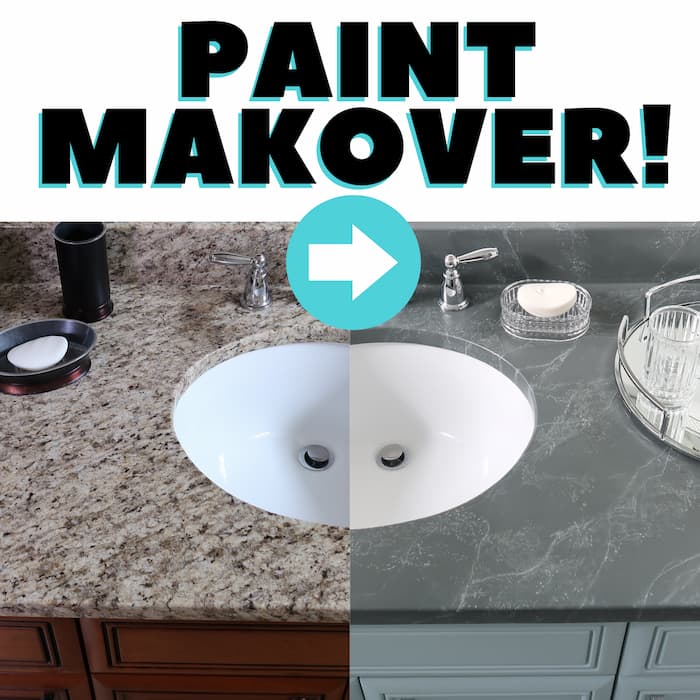
Granite Paint Kits
Some companies sell kits that let you paint over granite to create a new look. This is a dramatic change and won’t look exactly like natural stone.
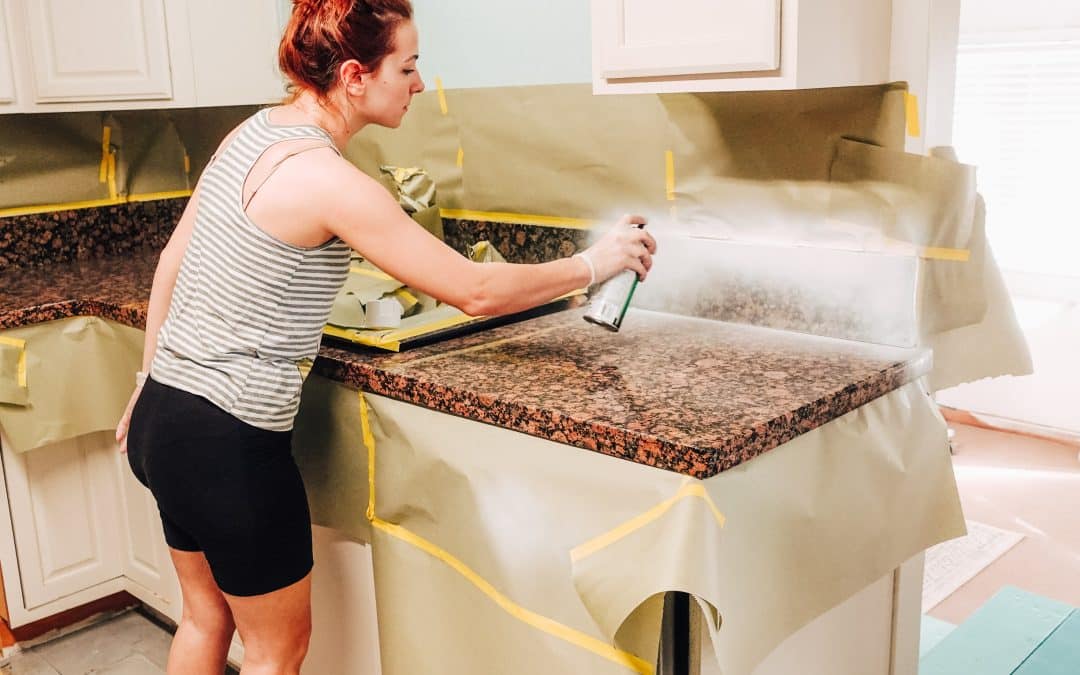
- Prep: Clean, lightly sand, and tape edges.
- Apply primer: Use the kit’s bonding primer.
- Paint in layers: Use sponges for a natural effect.
- Seal: Always top with a durable sealer.
Beginner mistake: Not sealing painted granite well. Water and heat can damage the finish if not sealed properly.
Professional Recoloring
Some pros can apply a special finish to change the color. Ask for samples first—results can vary.
Non-obvious insight: Changing granite color may lower resale value if the finish doesn’t look natural.
Sealing Granite Countertops
Granite must be sealed regularly to protect against stains. Most new granite comes pre-sealed, but this wears off over time.
How To Test If Your Granite Needs Sealing
- Pour a small amount of water on the counter.
- Wait 10–15 minutes.
- If the water darkens the stone, it’s time to reseal.
How To Seal Granite
- Clean and dry the surface.
- Apply sealer: Use a foam brush or spray.
- Wait 10–20 minutes: Let the sealer soak in.
- Wipe off excess: Use a clean cloth.
- Buff: Polish to a shine.
- Wait 24 hours: Avoid getting the surface wet.
Comparing Sealers
Here’s a look at common types:
| Type | Protection Level | Reapplication Needed | Best For |
|---|---|---|---|
| Water-based | Moderate | Every 1-2 years | Light-use kitchens |
| Solvent-based | High | Every 3-5 years | Busy kitchens |
| Color enhancer | Medium | Every 2 years | Dark or dull granite |
Tip: Always read the label. Some sealers are not food-safe.
Painting Granite Countertops
Painting is a popular way to completely change the look of granite without replacement. It’s a bold step and not for everyone, but it can give a fresh, modern look.
Is Painting Right For You?
- Pros: Inexpensive, many color choices, hides stains and damage.
- Cons: Not as durable as natural granite, can chip or peel, may reduce resale value.
Steps To Paint Granite
- Clean thoroughly
- Sand lightly with 220-grit sandpaper to help paint stick.
- Prime with a high-bonding primer.
- Paint: Use a stone or countertop paint kit. Apply in thin coats.
- Add texture: Use a sponge or brush for a stone effect.
- Seal: Use 2–3 coats of a polyurethane or epoxy sealer.
Important: Let each layer dry fully. Avoid using the countertop for at least 3 days after sealing.
Common mistake: Rushing the drying process. This leads to peeling and chipping.
Comparing Redo Methods: Cost, Durability, And Look
Choosing the right method depends on your goals and budget. Here’s a side-by-side comparison:
| Method | Cost | Difficulty | Durability | Best For |
|---|---|---|---|---|
| Cleaning & Polishing | $20–$100 | Easy | High | Minor dullness, stains |
| Resurfacing | $100–$800 | Medium | High | Scratches, dull spots |
| Painting | $100–$300 | Medium | Medium | Outdated colors |
| Color Enhancer | $30–$60 | Easy | Medium | Dark granite |
| Professional Recoloring | $500–$1,000 | Hard | High | Major color change |
| Sealing | $20–$80 | Easy | High | All granite |
Non-obvious insight: Polishing and sealing are usually enough for most countertops. Painting or recoloring should be a last resort unless you want a dramatic change.
How To Maintain Redone Granite Countertops
Once you’ve redone your granite, good maintenance will help it last for years.
- Clean spills right away: Especially oil, wine, or acid (juice, vinegar).
- Use a cutting board: Prevent scratches and chips.
- Avoid heavy impacts: Don’t drop pots or pans.
- Re-seal every 1–3 years: Test with water drops.
- Use mild cleaners: Never use bleach, ammonia, or abrasive pads.
A well-maintained granite countertop can look new for decades.
Credit: www.lilyardor.com
When To Call A Professional
Some problems need expert help:
- Deep cracks or large chips
- Broken corners
- Major stains that won’t come out
- Structural repairs
Professionals have the right tools, sealers, and experience to fix these issues. If you’re unsure, ask for a quote before trying DIY fixes.
Real-life Examples
Example 1: Removing Years Of Stains
A family had a white granite countertop with deep coffee and oil stains. They tried regular cleaners with no luck. After using a poultice (baking soda and peroxide for organic stains), covering it overnight, and sealing the area, the stains were gone. They saved over $2,000 compared to replacement.
Example 2: Modernizing Outdated Granite
A homeowner wanted to update their brown granite to fit a gray and white kitchen. They used a countertop paint kit, added a subtle marbled effect, and sealed the finish. While not as tough as real granite, the new look lasted over 3 years with proper care.
Example 3: Restoring Shine After Years Of Use
A busy kitchen had black granite that turned dull. A professional resurfacing and new sealer brought back the deep shine in just one day. The cost was $450—much less than new stone.
Non-obvious insight: Sometimes, just a color-enhancing sealer is enough to make old granite look brand new.
Common Mistakes To Avoid
- Skipping cleaning: Paint or sealers won’t stick to greasy or dirty granite.
- Using the wrong products: Bleach, vinegar, and regular polishes can damage granite.
- Not letting layers dry: This causes peeling, especially with paint or sealers.
- Over-polishing: Too much polish can build up and look cloudy.
- Ignoring chips and cracks: These get worse over time if not fixed.
Safety Tips
- Always wear gloves and a mask when sanding, polishing, or using chemicals.
- Work in a well-ventilated area.
- Dispose of used cloths and chemicals safely.
- Keep children and pets away from the work area.
Frequently Asked Questions
How Long Does It Take To Redo Granite Countertops?
It depends on the method. Cleaning and polishing can be done in a day. Painting or resurfacing may take 2–3 days, especially with drying times. Professional repairs are usually done within one day.
Can I Change My Granite Countertop From Dark To Light?
You can lighten the look a little with some color-enhancing sealers or paint kits, but you cannot fully bleach granite. Painting is the only way to make dark granite appear light, but this covers the natural stone.
How Often Should Granite Countertops Be Resealed?
Most granite should be resealed every 1–3 years. Test with a water drop—if the stone darkens, it’s time to reseal. High-use areas may need more frequent sealing.
Will Painting Granite Countertops Reduce My Home’s Value?
Painted granite does not have the same value as natural stone. If the paint job is well done, it may not hurt resale much, but some buyers prefer original granite. Consider your long-term plans before painting.
Where Can I Find More Information About Granite Care?
For detailed guides and product recommendations, visit the official Natural Stone Institute.
Giving your granite countertops a fresh look is possible with the right steps and products. Whether you clean, polish, repair, paint, or seal, you can transform your kitchen or bathroom without the high cost of replacement. Take your time, follow the tips above, and enjoy your new space for years to come.