
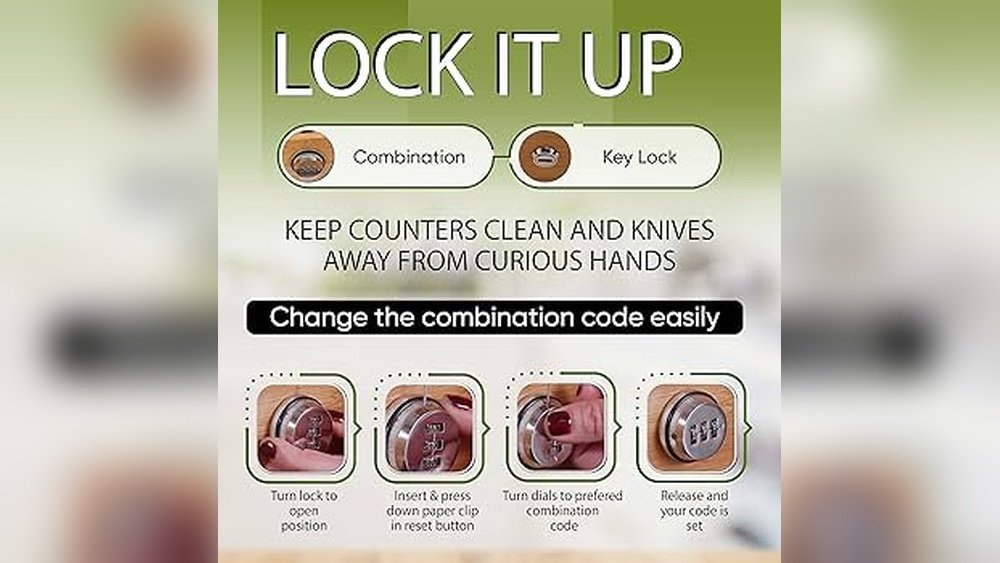
Locking up kitchen knives is not just about safety—it’s about peace of mind. Whether you have children, live with elderly family members, or simply want to avoid accidents, securing knives is an essential part of responsible home management. Many people overlook this step until something goes wrong.
But you don’t have to wait for a close call to take action. With the right strategies, you can keep your kitchen safe without losing convenience or style.
This article will guide you through all the main ways to lock up kitchen knives, from simple solutions to advanced systems. We’ll look at products you can buy, DIY methods, and creative ideas for different kitchen setups. You’ll also learn about common mistakes, practical tips, and how to choose the best option for your needs.
If you want to protect your family, prevent injuries, and stay organized, this is the only guide you’ll need.
Why Locking Up Kitchen Knives Matters
Many households underestimate the risks of leaving kitchen knives unsecured. According to the U.S. Consumer Product Safety Commission, knives cause more than 300,000 emergency room visits each year in America, with many accidents involving children. Unsecured knives can also be a danger to people with dementia or mental health challenges. Even adults can be injured if knives are stored carelessly.
Locking up knives is not just about childproofing. It also helps you:
- Prevent theft or misuse in shared living spaces
- Avoid accidental cuts while searching for other kitchen items
- Stay organized and reduce clutter
- Comply with regulations in home daycares or foster homes
Some people believe that “out of sight” means “out of mind,” but even knives in a high drawer or cabinet can be reached by curious kids. Proper locking is the only way to be sure.
Understanding Different Types Of Knife Storage
Before you can lock up knives, you need to know where they are kept. Here are the main types of kitchen knife storage:
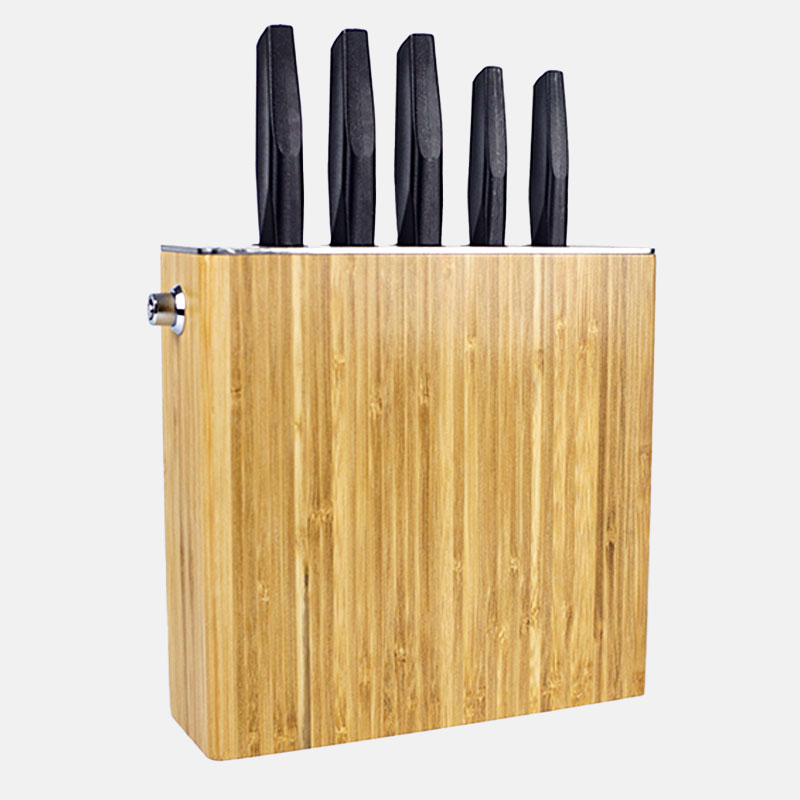
- Knife blocks (wood, bamboo, acrylic)
- Drawer inserts or trays
- Magnetic strips (wall-mounted)
- In-drawer knife holders
- Knife rolls or cases
- Free-standing countertop racks
- Wall cabinets or cupboards
Each type has unique challenges and solutions for locking. For example, a magnetic strip makes knives visible and easy to grab, but also easy for a child to reach unless secured. Drawer inserts can be hidden but are not secure if the drawer itself is unlocked.
To choose the right way to lock up your knives, you need to match the method with your storage style.
Credit: knifelock.com
Simple Locking Solutions For Everyday Kitchens
You don’t always need an expensive device to lock up your knives. Here are some simple ways to make your kitchen safer:
1. Child Safety Locks For Drawers And Cabinets
Child safety locks are one of the most common and affordable ways to secure kitchen knives. These locks use adhesive or screws to attach to the outside or inside of a drawer or cabinet. When engaged, they prevent the door or drawer from opening more than an inch or two.
- Adhesive locks are easy to install and don’t require tools.
- Magnetic locks are hidden inside the cabinet and open only with a magnetic “key.”
- Latch locks or strap locks can be adjusted to fit different sizes.
Most safety locks cost between $7 and $20 for a pack of 4–8. They work well for families with young children and are usually strong enough to keep out toddlers.
Common Mistake: Some Parents Install Locks Too Low Or On Weak Surfaces, Making Them Easy To Break. Always Test The Lock’s Strength And Check Regularly For Wear.
2. Locking Knife Boxes
A locking knife box is a secure container with a built-in lock, often made from wood or plastic. You place your knives inside, close the lid, and lock it with a key or combination.
Benefits:
- Keeps knives out of sight
- Works for countertop or in-drawer use
- Portable (can store in pantry, cupboard, or even a locked closet)
Some brands sell knife boxes designed for up to 10 knives. Prices range from $25 to $60 depending on the material and security level.
3. In-drawer Knife Trays With Locks
Many people use in-drawer trays to organize knives, but few realize you can buy trays with built-in locks. These trays are usually made from wood or high-quality plastic and have a small lock at the front.
Benefits:
- Organizes knives and locks them away
- Uses existing kitchen drawers
- Easy for adults to unlock, hard for children
These trays are a bit more expensive ($40–$100) but offer a balance between safety and convenience.
4. Upgrading To Locking Cabinets
If you have wall cabinets or under-counter cupboards, you can install a cabinet lock. There are three main types:
- Keyed cabinet locks: Use a small key to open.
- Combination locks: Set your own code.
- Electronic keypad locks: Open with a PIN.
You can retrofit most cabinets in under an hour. This is a good solution if you want to lock up not just knives, but other dangerous items (cleaners, medicines, etc. ).
5. Locking Magnetic Knife Holders
Standard magnetic knife strips are not secure. However, some companies now offer lockable magnetic holders with a cover and key or combination lock. The knives are held magnetically but covered by a locked acrylic shield.
- Keeps knives visible for adults, safe from children
- Easy to clean
- Modern look
These holders are more expensive ($50–$120) but perfect for modern kitchens where style matters.
Advanced Locking Solutions For Maximum Security
If you need the highest level of security (for example, in a home daycare, foster home, or a kitchen with high-risk family members), consider these advanced methods.
1. Digital Locking Cabinets
Digital locking cabinets use electronic locks that open with a PIN, fingerprint, or electronic key card. These are common in commercial kitchens but can be installed at home.
- Track who opens the cabinet (some models)
- Change codes easily if needed
- High security for knives and other dangerous items
Digital locks cost more ($80–$250) but offer unmatched convenience and control.
2. Wall-mounted Locking Cases
These are lockable wall boxes designed for knives. They can be mounted out of reach of children and opened only with a key or code.
- Saves counter space
- Great for small kitchens
- Keeps knives visible but secure
You’ll find these in some professional kitchens or busy homes. Prices range from $45–$150.
3. Heavy-duty Drawer Locks
If you have a dedicated knife drawer, you can install a heavy-duty lock (like a cam lock or deadbolt) for extra security. These locks are similar to those on filing cabinets.
- Very hard to break
- Good for shared homes or rental properties
- Can be used for other valuables
Installation requires some basic tools and costs $15–$40.
4. Integrated Smart Locks
Smart locks connect to your home Wi-Fi and can be opened with your phone, voice command, or smart home system.
- Get alerts if someone tries to open the drawer
- Lock/unlock remotely
- Set schedules (locked at night, open during the day)
These are cutting-edge and cost $120–$300, but are useful for tech-savvy families or people with home automation systems.
5. Hidden Knife Storage With Locks
Some people prefer to hide knives in plain sight but keep them locked. Examples include:
- False-bottom drawers with hidden locks
- Secret wall panels behind art or shelves
- Lockable pull-out cutting boards with built-in knife slots
These options are custom-built and cost varies. The main benefit is that visitors and children don’t even know the knives are there.
Comparing Common Locking Methods
To help you choose the best way to lock up your kitchen knives, here’s a comparison of the most popular methods.
| Method | Security Level | Cost Range | Ease of Use | Best For |
|---|---|---|---|---|
| Child Safety Locks | Medium | $7–$20 | Easy | Families with kids |
| Locking Knife Box | High | $25–$60 | Medium | All households |
| Locking Drawer Tray | High | $40–$100 | Easy | Organized kitchens |
| Digital Cabinet Lock | Very High | $80–$250 | Medium | High-security needs |
| Lockable Magnetic Strip | Medium | $50–$120 | Easy | Modern kitchens |
Diy Ideas For Locking Up Kitchen Knives
Not everyone wants to buy a new product. Some people prefer DIY (do-it-yourself) solutions using materials they already have. Here are a few creative ideas:
1. Add A Padlock To A Drawer
If your knife drawer has two handles close together, you can thread a padlock or cable lock through the handles to keep it closed. This is quick and costs under $10.
Tip: Use a small cable lock (like for a laptop) if the handles are far apart.
2. Repurpose A Lockable Toolbox
A small lockable toolbox or tackle box can hold several knives safely. Look for boxes with foam inserts to keep blades from moving.
- Inexpensive ($15–$30)
- Portable for outdoor cooking or camping
- Not stylish, but very secure
3. Magnetic Strip With Removable Shield
If you already have a magnetic strip, add a removable acrylic shield (available at hardware stores) that can be locked or screwed in place. This keeps knives visible but out of reach.
4. Hidden Knife Storage In Pantry Or Closet
Install a lockable box or drawer inside your pantry, utility closet, or even laundry room. This keeps knives away from the kitchen entirely, adding an extra layer of safety.
5. Use A Bicycle Lock Or Cable Lock
For knife blocks with a large opening, thread a bicycle cable lock through the handles of the knives and the block. Not elegant, but effective for a quick fix.
Non-obvious Insight: Always Check The Strength Of Your Diy Lock. Some Methods Keep Kids Out, But Not Determined Adults Or Teens.

Credit: www.amazon.com
What To Consider When Choosing A Locking Solution
Not all kitchens are the same. Here’s what you need to think about before buying or installing a lock:
1. Who Are You Protecting?
- Small children: Use locks they cannot open or easily break.
- Teens: Use locks with keys or codes.
- Seniors with dementia: Choose locks with alarms or notifications.
- Guests or renters: Consider portable or temporary locks.
2. How Many Knives Do You Have?
- A large collection may need a bigger box or cabinet.
- For just a chef’s knife and paring knife, a small lockbox or shield is enough.
3. Where Do You Use Your Knives?
- If you cook outdoors, consider a portable lockable case.
- If you use knives only in the kitchen, focus on fixed locks.
4. Budget
- Simple child locks are cheap.
- Smart locks or custom cabinets cost more but add value to your kitchen.
5. Kitchen Layout
- Small kitchens may not fit big boxes.
- Open shelving needs locks with covers or shields.
6. Aesthetics
- Some people want locks that blend in.
- Others prefer visible security as a deterrent.
7. Ease Of Access For Adults
A lock should not make cooking harder for you. If the lock is too hard to open, you may stop using it. Choose a balance between security and convenience.
Common Mistakes When Locking Up Kitchen Knives
Even well-meaning parents and homeowners make mistakes. Here’s what to avoid:
- Forgetting to relock: Always lock the drawer or box after use. A lock only works if it’s actually used every time.
- Weak locks: Cheap plastic locks can break easily. Test the lock’s strength before relying on it.
- Leaving keys in reach: Hide keys or magnetic “keys” in a separate room, not the kitchen.
- Not checking for wear: Locks and latches can wear out. Check them monthly and replace if damaged.
- Locking knives but leaving other dangers: Lock up scissors, peelers, and other sharp tools, not just knives.
- Assuming kids won’t climb: Curious kids will use chairs or stools to reach higher cabinets. Don’t rely on height alone.
Knife Locking For Special Situations
Sometimes you need to lock up knives for reasons beyond safety at home. Here’s how to handle unique cases.
1. Rental Properties Or Airbnbs
- Use portable lockable boxes or cases.
- Inform guests about where knives are stored and why they are locked.
- For shared kitchens, use keyed locks and change codes between guests.
2. Home Daycares Or Foster Homes
- Local regulations may require lockable cabinets for all sharp items.
- Use high-security locks and keep keys with staff only.
- Post clear signs for adults about knife location.
3. Households With Seniors Or Special Needs
- Choose locks that are hard for forgetful or confused adults to open.
- Use alarms or smart locks for extra alerts.
- Store knives far from food-prep areas if possible.
4. Professional Kitchens At Home
- Invest in digital or wall-mounted locking cases.
- Keep knives organized by type and size for easy access during cooking, but locked when not in use.
Practical Tips For Safe Knife Storage
- Clean knives before locking: Dirty knives can cause rust or mold in closed boxes.
- Never store wet knives: Moisture can damage both knives and locks.
- Label keys or codes: If more than one person cooks, create a safe way to share keys or codes.
- Keep emergency scissors nearby: In case you lose the key, have a way to open locks quickly (but hidden from kids).
- Teach safe habits: Explain to children why knives are dangerous and why they are locked up.
How To Maintain Your Knife Locking System
A locking system is only as good as its maintenance. Here’s how to keep everything working smoothly:
- Check locks monthly: Look for wear, loose screws, or stuck mechanisms.
- Replace batteries: For digital or smart locks, change batteries every 6–12 months.
- Clean locks: Dust and crumbs can jam locks. Wipe regularly.
- Update codes: If you think someone knows the code who shouldn’t, change it.
- Inspect for tampering: Look for scratches, loose parts, or other signs someone tried to open the lock.
Knife Locking And The Law
In some places, the law requires you to lock up sharp tools if you run a home daycare, foster children, or care for people with disabilities. Check your state or city rules to stay compliant.
- Home daycare: Most states require all knives to be locked away.
- Foster care: Agencies often inspect kitchens for secure knife storage.
- Mental health care: Locking up knives can reduce risk for people in crisis.
Failure to follow the law can result in fines or loss of license.

Credit: senkenknives.com
Real-life Examples And Case Studies
Example 1: Family With Small Children
Sarah and Mike have a three-year-old and a six-year-old. They used to keep knives in a wooden block on the counter. After their toddler started climbing, they switched to a locking drawer tray. Now, only Sarah and Mike know the code.
Accidents dropped to zero.
Example 2: House With Teenagers
The Lee family has a teenager with friends over often. They installed a digital cabinet lock. They can change the code if needed, and everyone feels safer—especially after a neighbor’s house had a theft incident.
Example 3: Airbnb Rental
Janet rents her home to families. She uses a lockable knife box and tells guests where to find it. After a child once found a paring knife in a drawer, she now double-checks before every new guest arrives.
Example 4: Elderly Parent With Dementia
Carlos lives with his elderly father, who has dementia. To avoid accidents, Carlos uses a smart lock on a high cabinet. He gets alerts if the cabinet is opened when he’s not in the kitchen.
Knife Locking Myths Debunked
- Myth 1: “Knives are safe if stored high up.”
Fact: Kids can climb. Only a lock truly keeps knives out of reach.
- Myth 2: “I’ll remember to put knives away right after cooking.”
Fact: People forget, especially during busy times. Locks make forgetting less risky.
- Myth 3: “Child locks are only for babies.”
Fact: Older children, teens, and adults with special needs can also be at risk.
- Myth 4: “Locks make cooking too slow.”
Fact: Modern locks are quick to open and close, especially with practice.
- Myth 5: “Knives in drawers are safe enough.”
Fact: Unlocked drawers are easy to open. Add a lock for real safety.
Data On Kitchen Knife Injuries
Here’s a look at how effective locking up knives can be:
| Storage Method | Reported Accidents per Year (US) | Typical Household Risk |
|---|---|---|
| Unsecured Knife Block | 65,000 | High |
| Unlocked Drawer | 80,000 | Very High |
| Locked Drawer/Box | 10,000 | Low |
| Digital Cabinet Lock | 1,000 | Very Low |
Non-obvious insight: Most injuries happen when knives are left unsecured for “just a minute.” Even short lapses can lead to accidents.
When To Upgrade Your Knife Locking Solution
- After a close call or accident: Don’t wait for a second warning.
- When children reach new heights: As kids grow, they get better at climbing.
- If you move or remodel: Take the opportunity to improve security.
- When caring for new people: A new roommate, guest, or foster child may change your risk level.
- If locks become old or damaged: Replace them before they fail.
Where To Buy Locking Solutions
You can find knife locking devices at:
- Hardware stores (Home Depot, Lowe’s)
- Baby-proofing stores (BuyBuy Baby)
- Online retailers (Amazon, Walmart)
- Specialty kitchen stores
For more on child safety products, see U.S. Consumer Product Safety Commission.
Frequently Asked Questions
What Is The Safest Way To Lock Up Kitchen Knives?
The safest way is to use a high-quality, lockable box or cabinet with a key or code that only adults know. For high-risk homes, consider digital or smart locks for extra security.
Can I Use Regular Drawer Locks For Knives?
Yes, but make sure the drawer lock is strong enough to resist force. Some regular locks are made for light use and may break if pulled hard. Choose locks rated for safety storage.
How Do I Make Sure My Knives Stay Sharp While Locked Up?
Store knives in a knife tray or with blade guards inside the lockable box. Avoid letting blades touch each other or metal surfaces, which can cause dulling.
What If I Lose The Key Or Forget The Code?
Have a backup key or a written code stored in a secure but separate place (not in the kitchen). Some smart locks have reset options. If you get locked out, contact the manufacturer for help.
Are Knife Locking Systems Required By Law?
Laws vary by location. In the US, home daycares and foster homes often require locked knife storage. Always check local rules if you care for children or vulnerable adults.
Locking up kitchen knives is more than a safety tip—it’s a smart habit for every home. With the right approach, you can protect your loved ones, reduce stress, and keep your kitchen running smoothly. Whether you choose a simple lock or a high-tech solution, the peace of mind is worth every effort.