
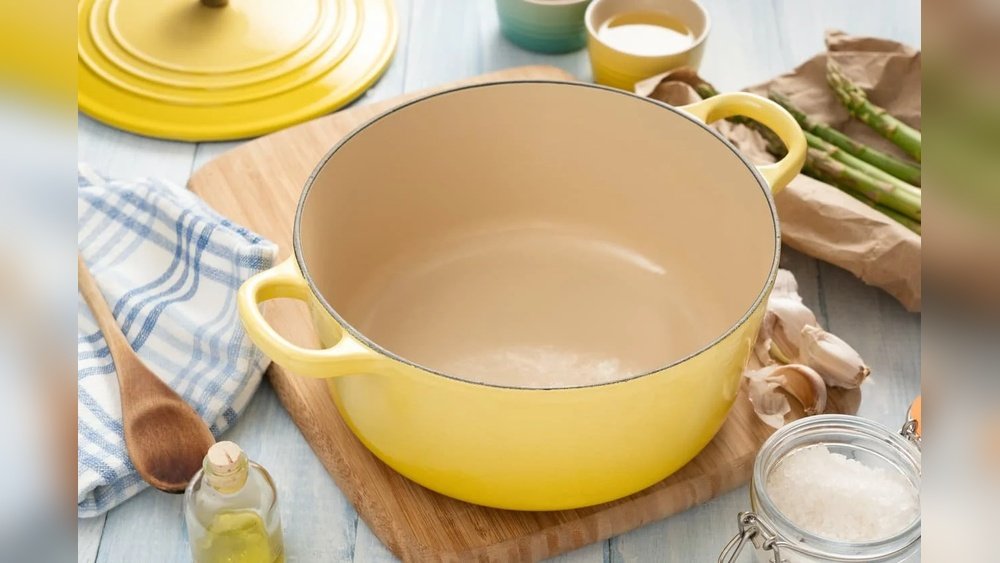
Slow cooking is known for creating meals that are rich in flavor, tender in texture, and comforting to eat. Many people use a slow cooker (also called a Crock-Pot) for this process, but you don’t need this device to enjoy the benefits of slow cooking. In fact, with the right techniques, tools, and a bit of patience, you can achieve similar results using equipment you already have in your kitchen. This guide will show you, step by step, how to slow cook without a slow cooker, give you practical tips, and help you avoid common mistakes. Whether you want to make a hearty stew, juicy pulled pork, or tender beans, you’ll learn how to master slow cooking—no special gadget required.
Why Slow Cooking Works
Slow cooking uses low heat over a long period. This method breaks down tough cuts of meat, releases deep flavors from ingredients, and creates dishes with rich sauces or broths. The science behind it is simple: proteins in meat and beans need time and moisture to become soft. Vegetables, especially root vegetables, also become sweeter and more flavorful as they cook slowly.
Many believe only a slow cooker can do this, but the truth is, slow cooking is an ancient technique. It began long before electric appliances. Ovens, stovetops, and even open fires have all been used for slow cooking throughout history.
Essential Equipment For Slow Cooking Without A Slow Cooker
You don’t need fancy gear, but the right tools make a big difference.
- Dutch Oven: A heavy, thick-walled pot (often made of cast iron) with a tight-fitting lid. This is the gold standard for stovetop and oven slow cooking.
- Stockpot or Soup Pot: A large, sturdy pot with a lid. Not as heavy as a Dutch oven, but works well for soups, stews, and beans.
- Casserole Dish with Lid: Good for oven-based slow cooking. Glass, ceramic, or enameled metal all work.
- Deep Baking Dish with Foil: If you don’t have a lidded dish, tightly cover a baking dish with aluminum foil.
- Roasting Pan: For larger cuts like brisket or pork shoulder, use a roasting pan tightly covered with foil.
- Heavy Skillet: For small amounts or specific recipes, a heavy skillet with a lid can act as a mini slow cooker.
- Thermometer: Useful for checking oven and food temperatures, especially for meats.
- Heat Diffuser: If your stovetop runs hot, this metal disk helps spread heat evenly and prevents scorching.
- Oven Thermometer: Ovens often run hotter or cooler than their setting. This inexpensive tool helps you stay accurate.
Each piece of equipment has its strengths. For example, a Dutch oven keeps moisture in and spreads heat evenly, making it perfect for pot roasts or braised dishes. A roasting pan is better for large cuts that need both slow cooking and browning.
:max_bytes(150000):strip_icc()/9207299-9504da02f49e470397233879869ff55b.jpg)
Credit: www.allrecipes.com
Core Slow Cooking Techniques Without A Slow Cooker
Oven-based Slow Cooking
The oven is your best friend for slow cooking. It keeps a steady, low heat and cooks food evenly from all sides.
Steps:
- Preheat your oven to a low temperature—usually between 200°F and 300°F (93°C to 150°C). Most slow cooker recipes work best at 250°F (120°C).
- Prepare your ingredients as usual. Brown meats first for extra flavor.
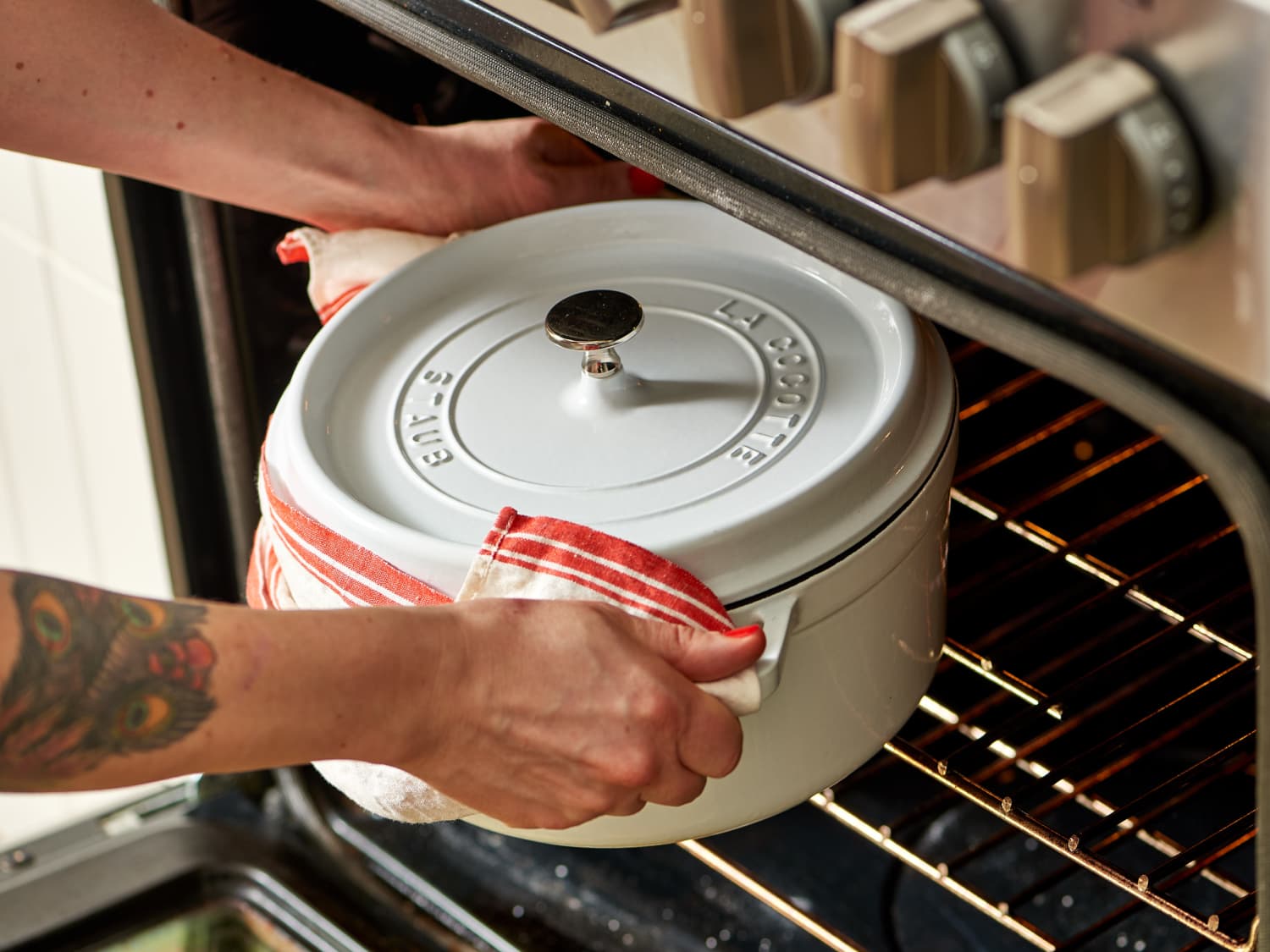
- Place everything in your Dutch oven or lidded casserole dish.
- Add enough liquid to cover at least 1/3 of the ingredients. This prevents drying out.
- Cover tightly to keep in moisture.
- Cook for several hours. Most recipes need 4–8 hours, depending on the cut and size.
Stovetop Slow Cooking
The stovetop can mimic slow cooking, but you must watch it more closely.
Steps:
- Use your heaviest pot. A Dutch oven or thick stockpot is best.
- Brown meats if desired.
- Add all ingredients and enough liquid.
- Bring to a gentle simmer over medium-low heat.
- Reduce heat to low, cover, and cook for several hours.
- Check every 30–60 minutes to ensure it’s just barely simmering. Too much bubbling means it’s too hot.
Using A Roasting Pan
For large cuts of meat, a roasting pan in the oven works well.
Steps:
- Place meat and vegetables in the pan.
- Add some broth, wine, or water.
- Cover tightly with foil.
- Bake at 250–275°F (120–135°C) for 4–8 hours.
Water Bath (bain-marie) Method
This technique is useful for delicate foods, like custards, or to keep an even, moist heat.
Steps:
- Place your food in a smaller dish.
- Set that dish inside a larger pan.
- Pour hot water into the outer pan until it comes halfway up the sides of the inner dish.
- Cook in the oven at low heat.
Insulation And Residual Heat
If you live in a hot climate or want to save energy, try using insulation.
- Heat up your pot and bring everything to a boil.
- Wrap the pot in towels or a blanket.
- Place in a box or cooler to trap heat.
- Let cook for several hours. This is called “haybox” cooking. It’s not as precise but works for stews and soups.
How To Convert Slow Cooker Recipes
Many recipes are written for slow cookers. Here’s how to adapt them:
- High Setting (Slow Cooker): About 300°F (149°C)
- Low Setting (Slow Cooker): About 200°F (93°C)
Oven Method: Use 250°F for most recipes. Add 10–20% more liquid, since ovens lose more moisture.
Stovetop Method: Simmer on the lowest setting. Use a heat diffuser if needed.
Cooking Time: Most slow cooker recipes (on low for 8 hours) will need 4–5 hours in the oven at 250°F, or 3–4 hours at 300°F. For stovetop, check for tenderness after 4 hours.
Tip: Always check liquid levels every 1–2 hours. Add more as needed.
Best Foods To Slow Cook Without A Slow Cooker
You can slow cook almost anything, but some foods work especially well.
- Tough Meats: Chuck roast, brisket, pork shoulder, lamb shank, short ribs—all become fork-tender.
- Whole Chickens: Stay juicy and flavorful.
- Beans and Legumes: Become creamy and soft.
- Root Vegetables: Carrots, potatoes, parsnips, and beets get sweet and tender.
- Stews and Soups: Flavors meld together over time.
- Chili: Beans and meats absorb spices slowly.
- Pulled Pork or Chicken: Shreds easily after slow cooking.
- Curries: Spices and sauces blend deeply.
- Braised Dishes: Like coq au vin, osso buco, or beef bourguignon.
- Casseroles: Pasta bakes and vegetable gratins.
Step-by-step Example: Slow Cooked Beef Stew (without A Slow Cooker)
Let’s walk through a classic example.
Ingredients:
- 2 pounds beef chuck, cut into chunks
- 2 tablespoons oil
- 2 onions, chopped
- 4 carrots, sliced
- 3 potatoes, diced
- 3 cloves garlic, minced
- 3 cups beef broth
- 1 cup red wine (optional)
- 2 tablespoons tomato paste
- 2 teaspoons salt
- 1 teaspoon black pepper
- 2 bay leaves
- 1 teaspoon dried thyme
Instructions:
- Preheat your oven to 250°F (120°C).
- Heat oil in a Dutch oven over medium-high heat.
- Brown beef on all sides. Remove and set aside.
- Add onions and cook until soft. Add garlic, cook 1 minute.
- Stir in tomato paste. Cook 2 minutes.
- Return beef to pot. Add carrots, potatoes, salt, pepper, thyme, bay leaves.
- Pour in broth and wine.
- Bring to a simmer.
- Cover tightly and place in oven.
- Cook for 4–5 hours, checking liquid halfway through.
- Remove bay leaves. Adjust seasoning.
Tip: For a thicker stew, stir in a slurry of 2 tablespoons cornstarch mixed with 2 tablespoons cold water in the last 30 minutes of cooking.
This method creates beef that falls apart with a fork and vegetables that are perfectly tender.

Credit: www.cottercrunch.com
Safety And Food Handling Tips
Slow cooking uses low temperatures, so food safety is critical.
- Always bring stews and braises to a simmer before lowering the heat.
- Keep foods above 140°F (60°C) to prevent bacterial growth.
- Reheat leftovers to at least 165°F (74°C).
- Do not slow cook large pieces of frozen meat. Thaw first to ensure safe, even cooking.
Insight: Many beginners forget that slow cooking does not mean “any low temperature is safe.” Always start hot, then reduce.
Troubleshooting And Common Mistakes
Even experienced cooks make mistakes. Here’s how to avoid the most common ones:
- Not Enough Liquid: Food dries out or burns. Always check and add water or broth as needed.
- Too High Heat: Food boils instead of simmers, making meat tough. Use the lowest heat possible.
- Lid Not Tight: Steam escapes, drying out your dish. Use foil if your lid is loose.
- Overcrowding: Too much food in the pot means uneven cooking. Leave some space for heat to circulate.
- Undercooking: Don’t rush. Tough cuts need time—check with a fork for tenderness.
- Not Browning Meat: Skipping this step reduces flavor. Always brown first for best taste.
- Using the Wrong Cut: Lean meats dry out. Choose fatty, tough cuts for slow cooking.
Non-obvious Insight: When slow cooking beans, always boil them for 10 minutes first. Some beans, like kidney beans, contain toxins that only boiling destroys.
Enhancing Flavor In Slow Cooked Meals
Slow cooking brings out deep flavors, but you can boost taste even more with these techniques:
- Brown Your Ingredients: Searing meat and sautéing vegetables before slow cooking adds complexity.
- Layer Your Spices: Add half at the start, half near the end for a fresher taste.
- Deglaze the Pan: After browning, pour in a splash of wine or broth and scrape up the browned bits—this is pure flavor.
- Finish with Acid: A splash of vinegar, lemon juice, or fresh herbs brightens rich dishes.
- Taste and Adjust: Flavors can dull after hours of cooking. Taste and add salt, pepper, or spices before serving.
Example: Try adding a teaspoon of balsamic vinegar to beef stew in the last 30 minutes. The acidity balances the richness.
Comparison: Slow Cooker Vs. Oven And Stovetop Slow Cooking
It’s helpful to compare methods to see how they stack up for flavor, convenience, and results.
| Feature | Slow Cooker | Oven | Stovetop |
|---|---|---|---|
| Heat Control | Automatic, steady | Manual, steady | Manual, can vary |
| Flavor Depth | Good | Excellent (browning possible) | Excellent (browning possible) |
| Moisture Loss | Very low | Medium (watch liquid) | Medium-high (watch closely) |
| Convenience | Very high | High | Medium |
| Batch Size | Limited by cooker size | Flexible | Flexible |
Insight: Oven and stovetop methods often create a richer “browned” flavor since you can sear ingredients directly. Slow cookers are easier but can sometimes produce flatter flavors.
How To Slow Cook On A Budget
You do not need expensive cuts or equipment. In fact, slow cooking is ideal for saving money.
- Use Tough, Cheap Cuts: Chuck, shank, brisket, pork shoulder, and chicken thighs are affordable and get tender with slow cooking.
- Bulk Up with Beans and Vegetables: Beans, lentils, carrots, potatoes, and cabbage stretch meals for less.
- Buy in Bulk: Large bags of dried beans or bulk meat packs cost less per serving.
- Cook Once, Eat Twice: Make big batches and freeze leftovers for future meals.
- Use Leftovers: Add extra cooked rice, pasta, or vegetables to your next stew or soup.
Practical Tip: Supermarkets often discount meats that are close to their sell-by date. These are perfect for slow cooking because longer cooking kills bacteria and makes tough cuts delicious.
Adapting Slow Cooking For Special Diets
Slow cooking is flexible and works for many diets.
Vegetarian And Vegan
- Use beans, lentils, tofu, tempeh, and hearty vegetables.
- Add umami with mushrooms, soy sauce, or nutritional yeast.
- Avoid adding quick-cooking vegetables early—they’ll turn mushy.
Gluten-free
- Most slow cooked dishes are naturally gluten-free.
- Use cornstarch or arrowroot instead of flour for thickening.
Low-carb/keto
- Focus on meats, non-starchy vegetables, and rich broths.
- Avoid potatoes, carrots, and beans.
Dairy-free
- Use broth, coconut milk, or nut milks instead of cream.
- Thicken with pureed potatoes or beans.
Insight: Slow cooked dishes often taste even better the next day, as flavors continue to develop. This is a bonus for meal preppers and busy families.
Slow Cooking For Large Groups
When you need to feed a crowd, slow cooking without a slow cooker is easier than you think.
- Use Large Roasting Pans or Multiple Pots: Most ovens fit at least two big pans.
- Batch Cooking: Make two different stews or chilis at once for variety.
- Serve Buffet-Style: Keep food warm in the oven at 200°F (93°C) until serving.
- Make-Ahead: Many slow cooked dishes freeze well and can be reheated with little loss in quality.
Non-obvious Tip: For parties, use disposable aluminum pans for easy cleanup. Cover tightly with foil during cooking.
Time And Temperature Guide For Slow Cooking Methods
Cooking times depend on the cut and the method. Here’s a handy chart:
| Food | Oven Temp | Stovetop | Typical Time |
|---|---|---|---|
| Beef Chuck Roast (3 lbs) | 250°F | Low Simmer | 4–5 hours |
| Pork Shoulder (4 lbs) | 275°F | Low Simmer | 5–7 hours |
| Chicken Thighs (bone-in) | 250°F | Low Simmer | 2–3 hours |
| Beans (soaked) | 250°F | Low Simmer | 2–3 hours |
| Vegetable Stew | 250°F | Low Simmer | 2–3 hours |
Tip: Always check with a fork or spoon. Meats should pull apart easily, and beans should be soft.
Credit: www.thekitchn.com
Cleaning Up After Slow Cooking
Slow cooked foods often leave sticky residues. Here’s how to make cleanup easy.
- Soak Immediately: Fill your pot with warm, soapy water as soon as you finish serving.
- Use Baking Soda: For tough stains, sprinkle baking soda and let sit, then scrub gently.
- Avoid Metal Scrubbers: These can damage enamel or nonstick surfaces.
- Dishwasher Safe: Most Dutch ovens (without wooden handles) are dishwasher safe, but check manufacturer instructions.
Practical Tip: If you use foil to cover pans, cleanup is much faster—just throw away the foil.
Creative Slow Cooked Recipes To Try Without A Slow Cooker
Once you master the basics, try these ideas:
- Braised Short Ribs: Brown ribs, add red wine and broth, cook in the oven for 5 hours.
- Moroccan Chickpea Stew: Combine chickpeas, tomatoes, spices, and vegetables in a covered casserole, bake at 250°F for 3 hours.
- Pulled Pork: Rub pork shoulder with spices, add a little apple juice, cover, and bake at 275°F for 6 hours.
- French Cassoulet: Layer beans, sausage, and duck legs in a Dutch oven, slow bake for 4–6 hours.
- Vegetarian Chili: Simmer beans, tomatoes, peppers, and spices on the stovetop for 3 hours.
Experiment with your favorite flavors. Slow cooking rewards creativity and patience.
Energy Use: Is Slow Cooking On The Stovetop Or Oven Expensive?
Many worry about energy costs. Here’s how the methods compare.
| Method | Average Power Use | Estimated Cost (8 hrs) |
|---|---|---|
| Slow Cooker (large) | 200 watts | $0.20–$0.30 |
| Oven (electric) | 2000 watts | $1.60–$2.20 |
| Stovetop (low) | 1000 watts | $0.80–$1.10 |
Insight: Ovens use more energy than slow cookers, but if you fill your oven with multiple dishes, you can make the most of the heat.
Where To Learn More
If you want to dive deeper into the science and history of slow cooking, check out Wikipedia’s Slow Cooking page for a thorough overview.
Final Thoughts
You do not need a slow cooker to enjoy delicious, tender, and flavorful meals. With a Dutch oven, a sturdy pot, or even a roasting pan, you can slow cook almost any dish. Pay attention to temperature and moisture, choose the right cuts and ingredients, and let time do the work.
Every home cook can master slow cooking with patience and practice. Try it for your next family meal, and you may never go back to store-bought “set and forget” gadgets.
Frequently Asked Questions
How Do I Keep Food From Drying Out When Slow Cooking In The Oven?
Always use a tight-fitting lid or cover your dish tightly with foil. Check the liquid level every 1–2 hours and add more broth or water as needed. The goal is gentle, moist heat.
What Is The Best Temperature For Slow Cooking In The Oven?
Most slow cooked dishes do well at 250°F (120°C). This temperature is low enough to break down tough meats and meld flavors but high enough to keep food safe.
Can I Slow Cook On The Stovetop Overnight?
It’s not recommended for safety reasons. Stovetops can be unpredictable, and unattended cooking can be a fire hazard. Use the oven or a true slow cooker if you need to cook overnight.
Is It Safe To Slow Cook Beans Without A Slow Cooker?
Yes, but always boil beans for at least 10 minutes first to destroy any toxins, especially for kidney beans. Then simmer until fully tender.
How Do I Know When My Slow Cooked Meat Is Done?
The meat should pull apart easily with a fork. For extra safety, use a thermometer: beef and pork should be at least 190°F (88°C) for shredding, and chicken should be 165°F (74°C).
Slow cooking without a slow cooker opens a world of possibilities. Try these techniques, experiment with flavors, and enjoy meals that are both easy and unforgettable.