

Storing spices for a long time may look simple, but it’s actually one of the most important parts of cooking and food safety. If you have ever reached for a jar of cinnamon or cumin and found it tasteless or clumpy, you know the disappointment.
Proper spice storage keeps flavors strong, makes your dishes taste better, and saves money by reducing waste. Many people make simple mistakes that cause spices to lose their quality much faster than they should. In this guide, you’ll learn everything about how to store spices for long term—whether you buy in bulk, grind your own, or collect small jars from around the world.
You will discover why some containers work better than others, which conditions destroy flavors fastest, and how to spot signs of aging. Along the way, you’ll get practical advice, science-backed facts, and even a few tricks that most beginners miss.
You don’t need fancy equipment or a professional kitchen; just a bit of knowledge and some easy habits. By the end, your spice shelf will not only look organized but will also keep your flavors fresh for months or even years.
Why Spice Storage Matters
Spices are not just simple powders or seeds. They are made of essential oils, plant compounds, and natural flavors that can change quickly if not cared for properly. These compounds are sensitive to air, light, heat, and moisture. Even the best quality spices will lose their taste and aroma if left in poor conditions.
When spices lose their strength, your food tastes bland. You might add more spice, thinking it’s your cooking, but often it’s just poor storage. Old spices can even develop mold or attract bugs. Storing spices the right way protects your health and your cooking results.
A study by the American Spice Trade Association found that up to 40% of home spices are stored in ways that reduce their shelf life by half. This means most people are not getting the best from their spice investments.
Understanding Spice Shelf Life
Not all spices last the same amount of time. Whole spices usually keep their flavor much longer than ground or powdered versions. This is because grinding exposes more surface area to air and light, which speeds up flavor loss.
Here’s a quick look at average shelf lives:
| Spice Type | Whole | Ground |
|---|---|---|
| Black Pepper | 3-4 years | 2-3 years |
| Cinnamon | 3-4 years | 1-2 years |
| Coriander | 2-3 years | 1 year |
| Cloves | 3-4 years | 1-2 years |
| Turmeric | 2-3 years | 1-2 years |
These numbers are just guides. With perfect storage, you can sometimes stretch them, but after these times, spices usually lose much of their original aroma and taste.
Key Enemies Of Spices
To store spices for a long time, you need to protect them from four main enemies:
- Air: Oxygen causes spices to oxidize and lose flavor.
- Light: Sunlight breaks down essential oils and fades color.
- Heat: High temperatures speed up chemical reactions, destroying flavor.
- Moisture: Water causes clumping, mold, and even bacteria growth.
If you can block these four things, your spices will last much longer.
Choosing The Right Containers
The container is your spice’s first line of defense. Not all containers are created equal. Here’s how different materials compare:
| Container Material | Protection Level | Best For |
|---|---|---|
| Glass (dark or opaque) | Excellent (blocks air, light, and moisture) | All spices, especially long-term storage |
| Metal tins | Very good (blocks light and air if sealed well) | Whole or ground spices |
| Plastic (food-grade) | Good to fair (can let in air over time) | Short-term or frequent use |
| Paper or cardboard | Poor (lets in air, light, and moisture) | Never for long-term storage |
What Makes A Good Container?
- Airtight seal: Stops oxygen and humidity.
- Opaque or dark-colored: Blocks light.
- Clean and dry: Keeps out moisture and contaminants.
- Non-reactive: Glass and stainless steel do not affect spice flavor.
Pro tip: Recycle small glass jars from jams or sauces. Clean and dry them well, then use for spices. They often seal better than cheap plastic jars.
Where To Store Spices
Even the best container can’t help if you store it in the wrong place. Many people keep spices above the stove or next to the oven for easy access, but this is actually one of the worst spots. The heat and steam quickly destroy delicate flavors.
The best places are:
- Cool cupboards away from stoves, ovens, and dishwashers.
- Drawers that stay dry and dark.
- Pantries with steady temperature and no direct sunlight.
Avoid open shelves near windows or any place with changing temperatures. Never store spices in the refrigerator unless it’s for a special reason (like very hot, humid climates).
Bulk Buying Vs. Small Quantities
Many home cooks are tempted by bulk deals, but buying large amounts of spice is not always a good idea. Unless you use a lot of a certain spice (like black pepper or chili), it’s better to buy small amounts more often.
When Bulk Makes Sense
- You cook large meals or host often.
- You use the spice as a main ingredient (not just for flavor).
- You plan to share with friends or family.
When To Buy Small Quantities
- For rare or expensive spices (like saffron).
- When trying a new recipe or cuisine.
- If you don’t cook often.
Insight: Even spices that look and smell fine can lose up to 70% of their flavor after two years. So, buying smaller amounts more often means you always get the best taste.
Labeling And Rotation
Good storage isn’t just about containers and location. You need to know what you have and how old it is. Most people forget to label their spices, and soon jars pile up with no idea of their age.
How To Label Spices
- Write the name of the spice and the date of purchase.
- If you grind your own, include the grind date.
- Use waterproof markers or labels that won’t fall off.
The “first In, First Out” Rule
Use older spices first and put new purchases behind them. This simple habit keeps your collection fresh and avoids waste.
Keeping Spices Dry
Moisture is the fastest way to ruin spices. Here’s how to keep them dry:
- Never shake directly over steaming pots. Steam gets into the jar and causes clumping or mold.
- Use dry spoons. Even a few drops of water can start spoilage.
- Add food-safe desiccant packets to jars for extra protection, especially in humid areas.
Non-obvious tip: In very humid climates, store spices with a few grains of uncooked rice. They absorb moisture and help prevent clumping. But don’t use this method for powders you plan to sprinkle (like cinnamon sugar), as rice grains may come out.

Credit: theprovidentprepper.org
Grinding Spices: Whole Vs. Ground
Whenever possible, buy whole spices and grind them yourself. Whole spices last longer and keep more flavor locked inside. A simple coffee grinder or mortar and pestle works for most home needs.
Why Whole Spices Last Longer
- Less surface area exposed to air.
- Essential oils are protected inside.
- Slower flavor loss.
Example: Whole cumin seeds can taste fresh after three years, while ground cumin loses its punch in less than a year.
Freezing And Refrigerating Spices
Freezing and refrigeration are sometimes suggested, but they are not always necessary or helpful. Most spices do best at room temperature in the right container and place. However, there are exceptions:
When To Freeze Spices
- For large bulk purchases you won’t use soon.
- When storing nut-based spices (like ground nutmeg), which can go rancid.
- In very hot and humid climates.
How To Freeze Spices Properly
- Use double-sealed bags or containers to prevent moisture.
- Let spices come to room temperature before opening, to avoid condensation inside the jar.
- Label with the date and type.
Warning: Freezing and thawing repeatedly is harmful. Divide into small portions to avoid opening the main supply often.
Signs Your Spices Have Gone Bad
Spices rarely “spoil” in the way fresh food does, but they do lose flavor and can sometimes develop problems.
How To Tell If Spices Are Too Old
- Color fades: Bright colors turn dull or grayish.
- Weak aroma: No strong smell when you open the jar.
- Clumping: Moisture has gotten in.
- Off flavors: Musty, bitter, or soapy tastes.
- Visible mold or bugs: Throw out immediately.
Tip: Crush or rub a little of the spice in your hand. If you smell nothing or it feels gritty, it’s time to replace.
Common Mistakes In Spice Storage
Even careful cooks make these errors:
- Storing above the stove: Heat and steam destroy flavors.
- Using clear glass jars in sunlight: Light fades colors and aromas.
- Not sealing lids tightly: Air sneaks in and dries out or clumps spices.
- Forgetting to label: You lose track of freshness.
- Buying too much at once: Spices lose flavor before you can use them.
- Dipping wet spoons: Moisture causes clumping and mold.
- Mixing old and new spices: Old spice ruins the freshness of new stock.
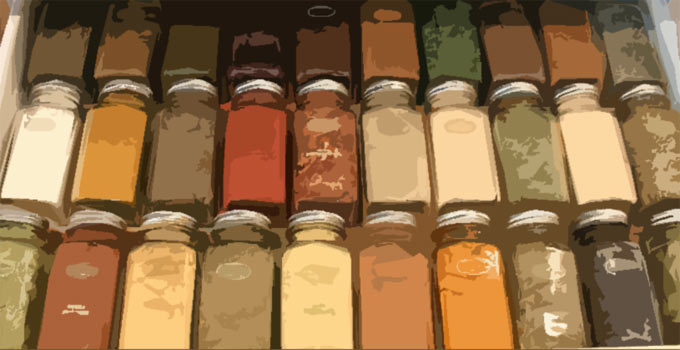
Credit: modernsurvivalblog.com
Best Practices For Long-term Spice Storage
After learning about containers, location, and handling, here’s how to put it all together:
- Use airtight, dark-colored containers for all spices.
- Store in a cool, dry, and dark place—never above the stove or near heat.
- Label every jar with the name and date.
- Practice first in, first out: Use oldest spices first.
- Buy in small amounts unless you use large quantities.
- Grind whole spices as needed for maximum flavor.
- Keep spices dry—never let water or steam in.
- Check aroma and color every few months.
- Use desiccants or rice grains in humid climates.
- Freeze only if necessary, in small, well-sealed portions.
Organizing Your Spice Collection
A neat spice shelf does more than look good—it helps you cook better and waste less. Here are a few systems:
- Alphabetical order: Easy to find, especially for large collections.
- Cuisine grouping: Keep Italian, Indian, or baking spices together.
- Usage frequency: Place favorites up front, rarer spices further back.
- Rotating racks or pull-out drawers: Saves space and keeps everything visible.
Non-obvious insight: Use a small notebook or phone app to track what you have and what needs replacing. This avoids buying duplicates or letting spices go bad unnoticed.
How Professionals Store Spices
Professional chefs and serious cooks handle spices with special care. Some common practices include:
- Buying whole spices in bulk and grinding fresh daily.
- Keeping only small amounts in the kitchen, with main stocks in a cool storeroom.
- Using vacuum sealing for expensive spices.
- Training staff to never use wet spoons or leave containers open.
While you may not need a commercial setup, these habits can improve home spice storage too.
Sustainable And Eco-friendly Spice Storage
As more people look to reduce waste, consider these tips:
- Reuse glass jars from other foods.
- Buy from local bulk stores where you can refill your own containers.
- Choose metal or glass over plastic for long-term use.
- Compost old spices instead of throwing them away (as long as they’re not moldy).
Fact: Glass jars can be reused for decades if cleaned well, while plastic degrades over time and can leach chemicals.
Comparing Storage Methods
To see how different methods stack up, check this overview:
| Method | Flavor Retention | Ease of Use | Longevity |
|---|---|---|---|
| Dark glass jars in a cool cupboard | Excellent | High | 2-4 years |
| Plastic containers on open shelf | Low | High | 6-12 months |
| Freezing in small batches | Very good | Medium | 2-5 years |
| Paper bags in pantry | Poor | Medium | 3-6 months |
The best method for most homes is dark glass jars in a cool, dry cupboard.
Real-world Examples
- Maria from Houston buys whole spices twice a year, grinds them monthly, and uses dark glass jars in a pantry. Her cumin and coriander taste fresh after 18 months.
- Ajay in Mumbai stores ground turmeric in an airtight tin with a food-safe desiccant. Even in humid weather, it stays clump-free for over a year.
- Sam in Seattle tried freezing large bags of chili powder, but didn’t double-seal. Moisture got in, causing clumps and loss of flavor. Now he divides into small jars and only freezes what he won’t use in 6 months.
When To Replace Spices
Don’t keep spices forever—freshness matters more than a full shelf. Most experts recommend:
- Replace ground spices every 1-2 years.
- Replace whole spices every 2-4 years.
- If in doubt, trust your nose and taste. Weak or strange-smelling spices should go.
Pro insight: Some spices, like paprika and chili, are especially sensitive to age. Their color fades and flavors turn bitter, so check these more often.
Myths About Spice Storage
You may hear advice that doesn’t always help. Let’s clear up a few common myths:
- “All spices last forever if kept dry.” False. Even dry spices lose volatile oils over time.
- “Freezing always keeps spices fresh.” Not always—moisture can ruin them if not packaged right.
- “It’s okay to store spices in the fridge.” Usually not necessary and can cause condensation.
- “If a spice isn’t moldy, it’s fine to use.” Old spices may not be unsafe, but they won’t taste good.

Credit: www.tightvac.com
Frequently Asked Questions
How Can I Tell If My Spices Are Still Good?
Check the smell, color, and taste. Fresh spices have a strong aroma and rich color. If they smell weak or have faded, they’re past their best. Rub a pinch between your fingers—if little aroma is released, it’s time to replace.
Is It Safe To Use Spices Past Their Expiration Date?
Most spices do not spoil in a way that causes illness, but they lose flavor and quality. If you see mold, bugs, or moisture, throw them out. Otherwise, taste a small amount—if there’s no flavor, it’s better to replace.
Should I Refrigerate Or Freeze All My Spices?
No. Most spices do best in a cool, dry cupboard. Only freeze or refrigerate for large amounts you won’t use soon or in very hot, humid climates. Always use airtight, moisture-proof packaging if freezing.
What’s The Best Way To Store Bulk Spices?
Divide bulk spices into small airtight containers for daily use, and keep the rest sealed tightly in a cool, dark place. Only open the main supply when refilling the small jar. For extra protection, use vacuum sealing or add desiccant packets.
Where Can I Learn More About Spice Storage And Safety?
For more detailed information, visit the FDA’s official guide on spices and food safety.
Keeping your spices fresh is simple once you know what matters—protection from air, light, heat, and moisture. With the right containers, good habits, and regular checks, you’ll enjoy bold flavors and exciting meals every time. Your future self (and your taste buds) will thank you for learning how to store spices for long term.