
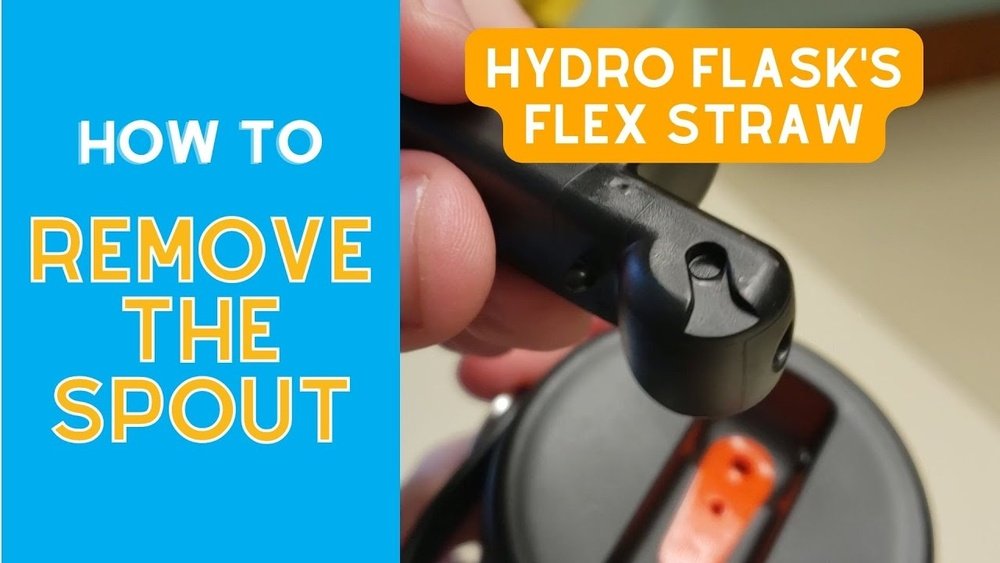
Keeping your Hydro Flask clean is more than just about appearance—it’s about health and taste, too. If you use a Hydro Flask Flex Straw Lid regularly, you know it makes staying hydrated easier, especially on the go. But many people forget that the straw lid can trap bacteria, mold, and unpleasant odors if not cleaned well. Even if your water tastes fine, hidden grime and build-up can harm your health over time. If you notice a change in taste, a musty smell, or see any discoloration, it’s a sign your straw lid needs attention.
Learning how to clean your Hydro Flask Flex Straw Lid isn’t complicated, but doing it right makes a big difference. This guide will walk you through each step, explain what tools and cleaners work best, and share practical tips that even many regular users miss.
Whether you’re cleaning for the first time or looking to perfect your routine, you’ll find clear answers here. We’ll also cover common mistakes, deep-clean methods, and what to do if your lid develops stubborn odors. Let’s get into the details so your next sip is always fresh, safe, and enjoyable.
Why Cleaning The Flex Straw Lid Matters
You might think rinsing with water is enough, but the Flex Straw Lid has small spaces where water, bacteria, and mold can collect. These areas are hard to see and reach, so a quick rinse leaves much behind. Over time, this build-up can cause:
- Unpleasant odors or a sour taste in your drink
- Bacterial growth that can make you sick
- Mold, which is hard to remove once it starts
- Shorter lifespan for your straw lid
A clean lid means your water stays pure, tastes better, and your bottle lasts longer. If you use your Hydro Flask for sports drinks, tea, or anything other than plain water, cleaning becomes even more important. Sugars and flavors can stick inside the straw and lid, making cleaning more challenging.
Understanding The Hydro Flask Flex Straw Lid Design
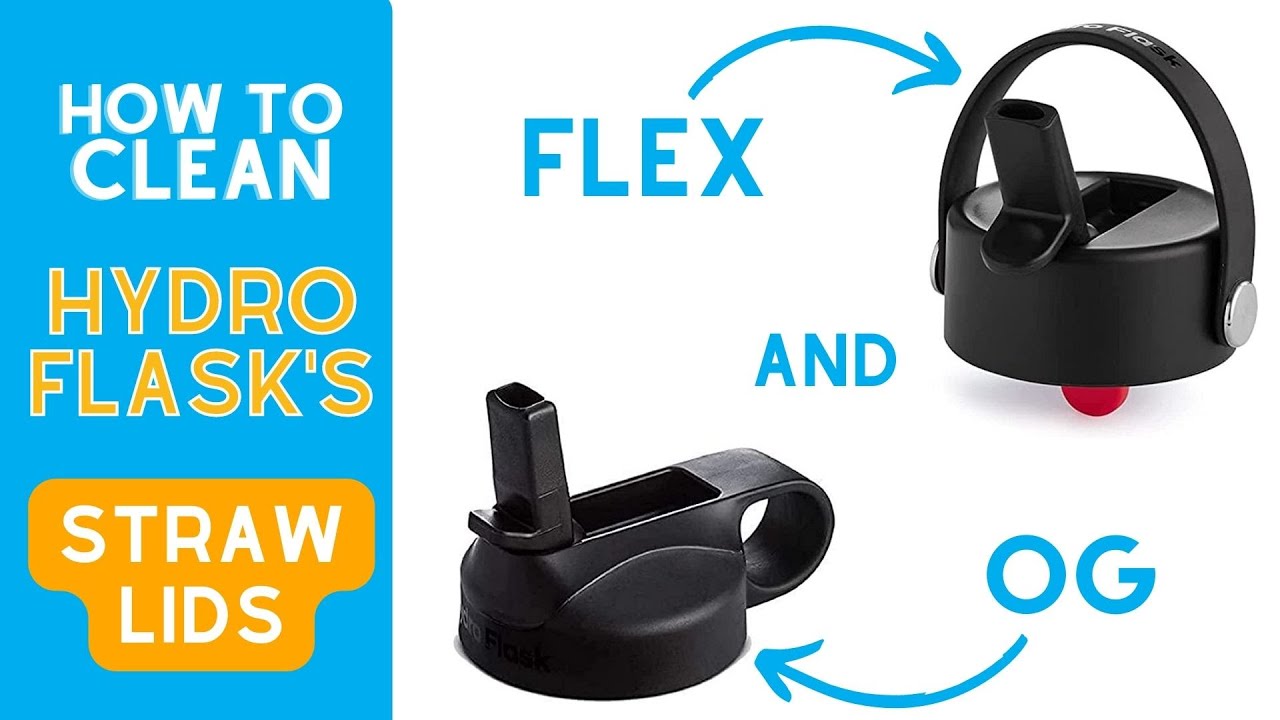
Before cleaning, it’s helpful to know how the Flex Straw Lid is built. This lid includes several parts:
- The main lid piece
- A flexible carry handle
- The flip-up straw spout
- The internal straw (removable)
- A silicone gasket/seal
- Small vent holes (for smooth sipping)
Each part can trap grime, especially where the straw connects or under the gasket. Mold often starts in the gasket or inside the straw, places most people forget to check. The lid’s design is for convenience, but it means regular deep cleaning is necessary.
Common Problem Areas
- Straw interior: Hard to see inside, but debris builds up quickly.
- Flip spout: The hinge area can trap moisture.
- Silicone gasket: Mold can grow if not removed and washed.
- Threaded areas: Where the lid screws on, grime can hide.
Missing these can lead to quick re-contamination, even after cleaning the outside.
Credit: themountainair.com
What You Need: Tools And Cleaning Supplies
Cleaning your straw lid is easier with the right tools. Here’s what works best:
- Mild dish soap (no bleach or harsh chemicals)
- Straw brush: Special thin brush for inside the straw
- Small bottle brush: For lid crevices
- Clean sponge or cloth
- White vinegar or baking soda (for deep cleaning)
- Cotton swabs or toothpicks: For tiny spaces
- Warm water
- Towel for drying
If you don’t have a straw brush, you can find them online or in stores—many come with water bottles now. A toothbrush can help with the gasket or threads if nothing else is available.
Table: Essential Vs. Optional Cleaning Tools
| Tool | Essential | Optional |
|---|---|---|
| Dish Soap | ✔️ | |
| Straw Brush | ✔️ | |
| Bottle Brush | ✔️ | |
| Cotton Swab/Toothpick | ✔️ | |
| Vinegar/Baking Soda | ✔️ | |
| Towel | ✔️ |
Pro tip: Avoid harsh cleaners like bleach, which can damage the lid and leave unsafe residues.
Step-by-step: How To Clean Your Hydro Flask Flex Straw Lid
Cleaning a straw lid goes beyond a quick rinse. Follow these steps for a complete clean:
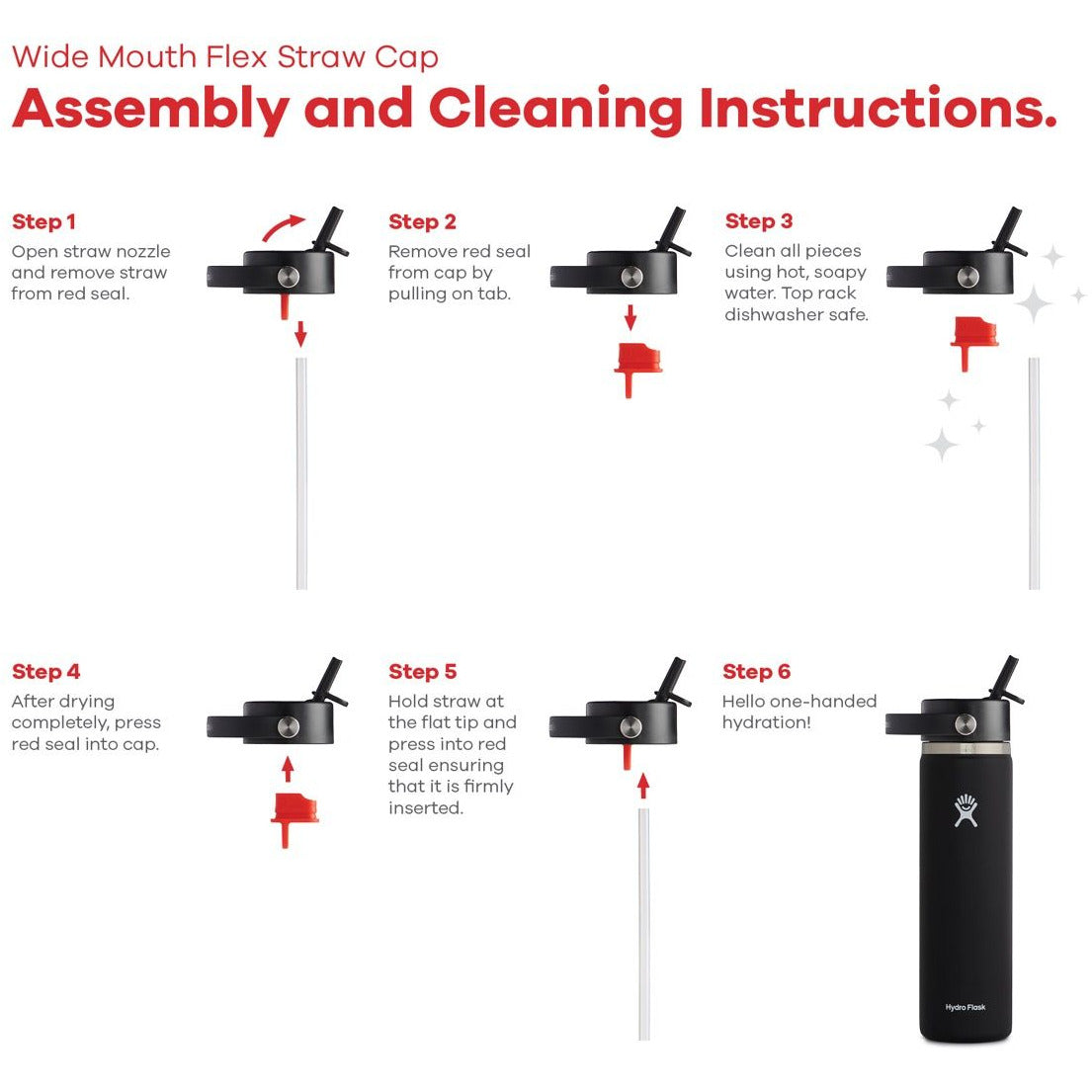
1. Disassemble The Lid
Take the lid apart as much as possible:
- Unscrew the lid from the bottle.
- Pull out the straw from the bottom.
- Remove the silicone gasket if possible (use a toothpick or your fingers—do it gently).
- Open the flip spout.
Disassembling lets you reach all surfaces. If you skip this, bacteria can hide in connections.
2. Rinse With Warm Water
Start by rinsing every part under warm running water. This removes loose dirt and any drink residue. Shake out extra water before moving to soap.
3. Scrub With Soap
Add a drop of mild dish soap to your bottle brush or sponge. Scrub all lid surfaces, including under the handle and around the flip spout. Use the straw brush to clean inside the straw. Move the brush back and forth several times to remove all build-up.
For the gasket, rub gently with soap and rinse well. If your gasket is stuck, don’t force it—just clean around it as best you can.
4. Focus On Problem Areas
Use a cotton swab or toothpick to clean small crevices, especially:
- Around the straw connection point
- In the flip spout hinge
- Inside vent holes
These spots are easy to miss but collect grime quickly.
5. Rinse Thoroughly
After scrubbing, rinse every part with warm water until no soap remains. Soap left inside the straw or gasket can affect taste and cause irritation.
6. Dry Completely
Dry each piece with a clean towel, then let them air dry fully before reassembling. Moisture left inside can encourage mold.
Table: Cleaning Steps Vs. Time Needed
| Step | Time Needed |
|---|---|
| Disassembly | 1-2 minutes |
| Rinse | 1 minute |
| Soaping & Scrubbing | 3-5 minutes |
| Detail Cleaning | 2-3 minutes |
| Final Rinse | 1 minute |
| Drying | 10-30 minutes (air dry) |
How Often Should You Clean Your Flex Straw Lid?
Regular cleaning keeps your bottle safe and fresh. Here’s a recommended schedule:
- Daily: Rinse all parts with warm water after each use.
- Weekly: Full clean with soap, brush, and drying.
- After sweet drinks: Clean immediately—don’t wait. Sugar builds up quickly.
If you see mold or smell anything off, deep clean right away. Frequent cleaning prevents problems before they start.
Insider tip: Even if you only drink water, clean weekly. Invisible bacteria grow fast, especially in warm or humid places.
Deep Cleaning For Stubborn Odors Or Mold
Sometimes, regular cleaning isn’t enough. If you notice stubborn smells or see any mold, try a deep clean:
Using White Vinegar
- Mix equal parts white vinegar and warm water.
- Soak the lid, straw, and gasket for 10-15 minutes.
- Scrub as usual with a brush.
- Rinse thoroughly until the vinegar smell is gone.
Using Baking Soda
- Sprinkle baking soda inside the straw and on the lid.
- Scrub with a damp brush.
- Rinse well.
Vinegar kills most germs and mold, while baking soda removes odor. Never mix vinegar and baking soda in a closed container—they bubble and can cause a mess.
Pro insight: If mold keeps returning, check if your silicone gasket has cracks or is worn out. Replace it if needed. Replacement parts are available from Hydro Flask.
Credit: www.youtube.com
Can You Put The Lid In The Dishwasher?
Many people ask if the Flex Straw Lid is dishwasher safe. According to Hydro Flask, the straw lid is top-rack dishwasher safe. However, hand washing is best for a deep clean. Here’s a comparison:
| Method | Effectiveness | Pros | Cons |
|---|---|---|---|
| Hand Wash | High | Removes hidden dirt, gentle on parts | Takes more time |
| Dishwasher | Moderate | Easy and fast | May miss crevices, can wear out gasket |
If you use the dishwasher, always place the lid and straw on the top rack. Avoid high-heat drying, which may warp plastic.
Mistakes To Avoid When Cleaning The Flex Straw Lid
Cleaning seems simple, but many users make mistakes that cause long-term problems. Here are common errors:
- Skipping disassembly: Not removing the straw or gasket leaves bacteria inside.
- Using harsh chemicals: Bleach or strong cleaners can damage silicone and plastic.
- Not drying fully: Assembling while wet encourages mold.
- Forgetting to clean after sugary drinks: Sugar buildup becomes sticky and hard to remove.
- Ignoring small parts: The vent and hinge areas are easy to miss.
Expert tip: If your lid smells bad after cleaning, repeat the deep clean and let all parts air dry for several hours before use.
Credit: reduz.com.br
How To Clean The Straw And Gasket Properly
The straw and gasket need special attention because they’re out of sight and easy to forget.
Cleaning The Straw
- Insert the straw brush from both ends, moving it back and forth.
- Rinse until water runs clear.
- If you see black spots, soak in vinegar before scrubbing.
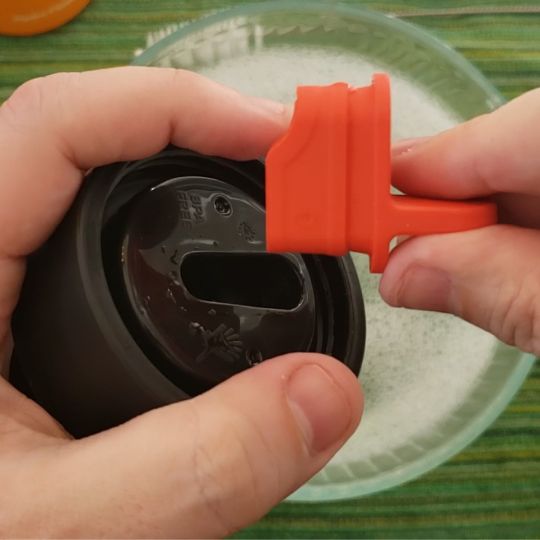
Cleaning The Gasket
- Gently remove the gasket with your fingers or a toothpick.
- Wash with soap and water.
- Rinse and dry before putting it back.
- If it’s hard to remove, don’t force it—clean around it.
Replacing a worn-out gasket is better than risking mold exposure. You can buy replacements from Hydro Flask or similar brands.
Special Cases: Cleaning After Sticky Or Flavored Drinks
Sports drinks, juices, or anything with sugar can leave residue in your Flex Straw Lid. Clean immediately after use:
- Rinse with warm water.
- Wash with soap and brush.
- Soak in vinegar if odors remain.
If you wait, sticky residue turns into tough stains and bacteria multiply quickly.
Insider detail: Some colored drinks (like sports drinks) can stain the straw or gasket. Soak in baking soda and water for an hour, then scrub gently.
Storing Your Hydro Flask Straw Lid
After cleaning, storage matters too. Always:
- Let all parts air dry fully before assembly.
- Store with the lid off or loose to let air circulate.
- Avoid sealing the bottle if any moisture remains inside.
This prevents trapped moisture, which leads to mold and odors.
Troubleshooting: What To Do If Issues Persist
If you’ve cleaned your lid and still have problems, try these solutions:
- Persistent smell: Repeat deep cleaning with vinegar. Let parts air out for 24 hours.
- Visible mold: Disassemble and soak all parts in vinegar, scrub hard-to-reach areas, and replace the gasket if needed.
- Leaking lid: Check if the gasket is seated correctly or replace it.
- Hard-to-remove straw: Check for debris blocking the connection—clean both ends carefully.
If problems continue, new replacement parts may be needed. Hydro Flask offers spare lids and gaskets on their website.
Cleaning Your Hydro Flask Bottle (brief Guide)
While this article focuses on the straw lid, don’t forget the bottle itself. Clean it weekly using:
- Warm water and mild dish soap
- A bottle brush for the interior
- Baking soda for stains or odors
Never put the bottle in the dishwasher (it can damage insulation). Let it air dry before reassembly.
Pro tip: Clean the bottle and lid together for best results.
Eco-friendly Cleaning Tips
Caring for your Hydro Flask is also about caring for the environment. Here’s how to keep your routine green:
- Use natural cleaners like baking soda and vinegar.
- Avoid single-use wipes.
- Don’t use bleach—it harms both your bottle and the environment.
- Choose reusable brushes (not disposable).
These choices help you and the planet.
When Should You Replace Your Straw Lid Or Gasket?
Even with perfect cleaning, parts wear out over time. Replace your straw lid or gasket if:
- You see cracks or damage
- Odors or mold return after deep cleaning
- The lid leaks, even with the gasket seated correctly
Hydro Flask sells genuine replacement parts. Using old, cracked lids or gaskets lets bacteria hide and grow.
Frequently Asked Questions
How Do I Remove Mold From My Hydro Flask Straw Lid?
If you see mold, disassemble the lid and soak all parts in a mix of equal parts white vinegar and water for 15 minutes. Scrub with a brush, rinse well, and let them air dry. If mold returns, replace the gasket or straw, as these can trap mold inside.
Can I Use Bleach To Clean My Hydro Flask Flex Straw Lid?
No, you should not use bleach. Bleach can damage plastic and silicone, and it’s difficult to rinse away fully. Residues can make you sick. Stick to mild dish soap, baking soda, or vinegar for safe cleaning.
My Straw Lid Still Smells After Cleaning. What Should I Do?
If odors persist, soak all parts in a vinegar solution (equal parts vinegar and water) for 15–20 minutes. Rinse well, then let everything air dry for several hours. Check that all parts are dry before reassembling. Persistent odors may mean it’s time to replace the gasket or straw.
Is The Hydro Flask Flex Straw Lid Dishwasher Safe?
Yes, the Flex Straw Lid is top-rack dishwasher safe according to Hydro Flask. However, hand washing is more effective for deep cleaning, especially for the straw and gasket. Always remove the straw before putting in the dishwasher.
Where Can I Buy Replacement Parts For My Hydro Flask Flex Straw Lid?
You can find official replacement lids, straws, and gaskets on the Hydro Flask website or from trusted retailers like REI. Make sure to choose genuine parts for the best fit and safety.
A clean Hydro Flask Flex Straw Lid means every sip is fresh and safe. By following the steps above, you’ll avoid hidden germs, keep your drinks tasting great, and extend the life of your favorite bottle. Remember, regular cleaning is key—don’t wait until there’s a problem.
With a few minutes of care each week, your Hydro Flask will always be ready for your next adventure.