
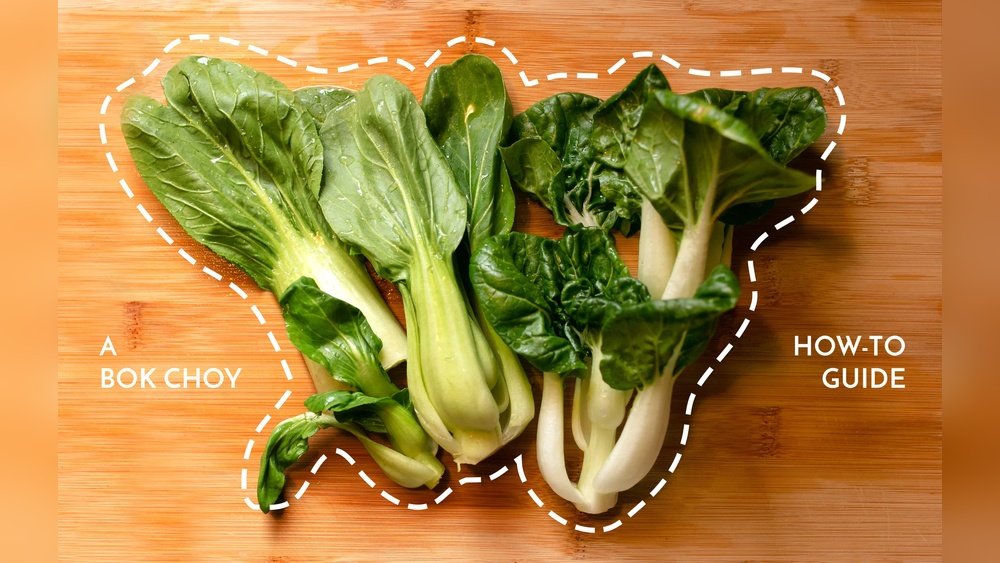
Bok choy is a crisp, leafy green vegetable that adds a fresh taste and crunch to many dishes. It’s packed with nutrients like vitamins A, C, and K, and is a staple in Asian cuisine. But many people find it challenging to keep bok choy fresh for more than a few days.
If you want to store bok choy long term—whether you have an abundant harvest, found a great deal at the market, or simply want to reduce food waste—knowing the right storage methods is essential.
In this article, you’ll discover in-depth strategies for keeping bok choy fresh, crisp, and safe to eat for weeks or even months. We’ll cover everything from basic refrigerator storage to advanced techniques like freezing, fermenting, and dehydrating. You’ll also learn how to prepare bok choy for each method, common mistakes to avoid, and how to recognize spoilage.
With these detailed tips, you’ll never have to let bok choy wilt away unused.
Understanding Bok Choy’s Shelf Life
Bok choy, also known as Chinese cabbage, has a high water content—this is why it wilts quickly if not stored properly. At room temperature, bok choy can lose its crispness within 1–2 days. In the refrigerator, it usually lasts about 3–7 days before it starts to turn yellow or slimy.
Why does bok choy spoil so fast? The main reasons are:
- Moisture loss: Water evaporates from leaves and stems, making them limp.
- Microbial growth: Bacteria and mold thrive in damp environments.
- Ethylene sensitivity: Bok choy is sensitive to ethylene gas, which is produced by some fruits and vegetables (like apples and tomatoes) and causes faster ripening and spoilage.
To keep bok choy fresh for the long term, you must control moisture, temperature, and exposure to other produce. Each storage method has its own pros and cons, depending on your needs.
How To Prepare Bok Choy For Long-term Storage
Proper preparation is the key to successful long-term storage. Here’s what you should do before storing bok choy using any method:
- Inspect for damage: Remove any leaves that are yellow, wilted, or slimy. Damaged areas can spread rot.
- Wash thoroughly: Rinse under cold running water, separating the stalks to remove dirt, sand, or insects hidden in the folds.
- Dry completely: Use a salad spinner or pat dry with clean kitchen towels. Excess water encourages mold growth and reduces shelf life.
- Cut if necessary: For some storage methods (like freezing or fermenting), you may want to chop bok choy into bite-size pieces or separate the stems and leaves.
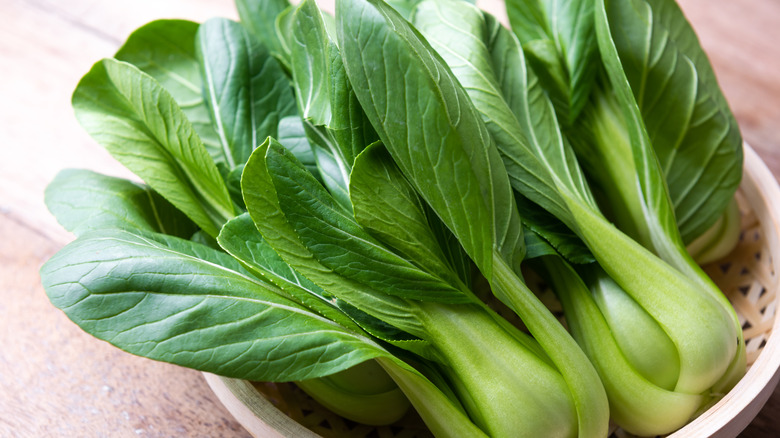
Many beginners skip thorough drying, which is a common mistake that leads to fast spoilage. Always make sure bok choy is as dry as possible before storing.
Credit: www.foodie.com
Storing Bok Choy In The Refrigerator
The refrigerator is the easiest and most common place to keep bok choy. With the right method, you can extend its freshness from a few days to two weeks.
Method 1: In A Plastic Bag With Paper Towel
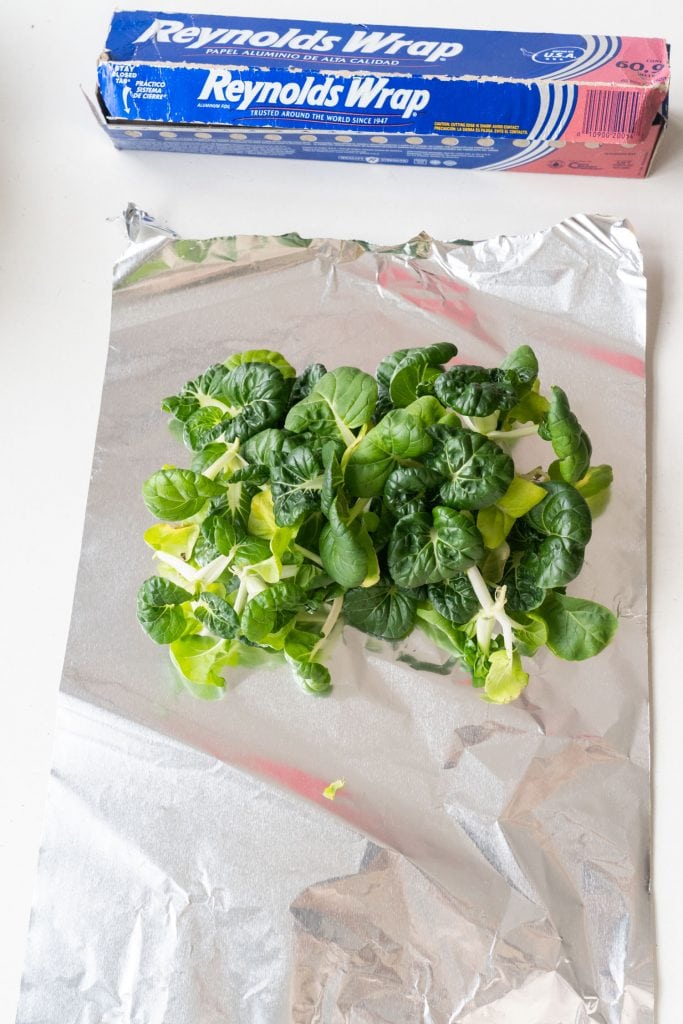
Place the washed and dried bok choy in a plastic bag. Add a dry paper towel to absorb excess moisture. Squeeze out as much air as possible and seal the bag. Store it in the crisper drawer.
- Shelf life: 7–14 days
- Best for: Short- to medium-term storage
Pro tip: Replace the paper towel every few days if it becomes damp. This prevents mold.
Method 2: In A Container With Ventilation
Use a reusable plastic or glass container with a loose-fitting lid or built-in ventilation holes. Line the bottom with a paper towel, place the bok choy inside, and cover.
- Shelf life: 7–10 days
- Best for: Reducing plastic use, keeping vegetables crisp
Comparison: Bag Vs. Container
Here’s how the two common fridge storage methods compare:
| Method | Shelf Life | Pros | Cons |
|---|---|---|---|
| Plastic Bag + Paper Towel | 7–14 days | Simple, effective, less space needed | Single-use plastic, may get crushed |
| Ventilated Container | 7–10 days | Reusable, protects from crushing | Takes more space |
Common mistake: Never store bok choy in a sealed bag without a paper towel—trapped moisture causes rapid decay.
Freezing Bok Choy For Long-term Storage
Freezing is the best way to keep bok choy for several months while preserving most of its nutrients. However, bok choy has high water content, so it’s important to freeze it correctly to avoid mushy texture.
How To Freeze Bok Choy
- Clean and cut: Separate leaves and stems, and cut into pieces if desired.
- Blanch: Boil water, then submerge bok choy for 1–2 minutes. This stops enzyme activity that can cause flavor and color loss.
- Cool quickly: Transfer immediately to ice water for 2 minutes.
- Dry thoroughly: Spread on towels or use a salad spinner.
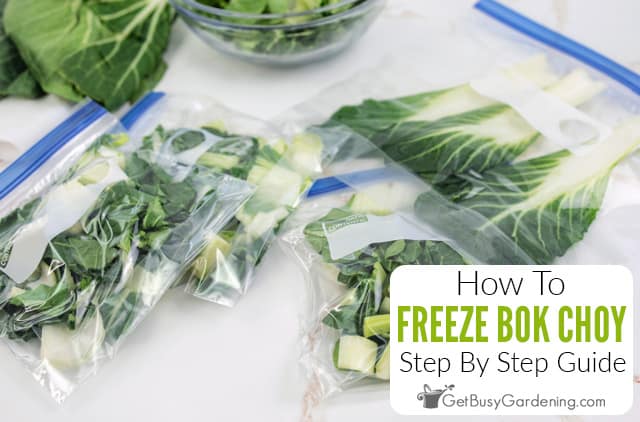
- Pack: Place in freezer bags or airtight containers. Remove as much air as possible to prevent freezer burn.
- Label: Mark the date on the bag.
- Shelf life: Up to 12 months
- Texture: Best for cooked dishes (stir-fries, soups, stews)
Practical tip: Flash freeze chopped bok choy on a tray before bagging to keep pieces separate.
Freezing Whole Vs. Chopped
Should you freeze bok choy whole or chopped? Here’s a quick comparison:
| Form | Best Use | Pros | Cons |
|---|---|---|---|
| Whole | Soups, stews | Less prep later, holds shape | Takes more space, slower to thaw |
| Chopped | Stir-fries, quick meals | Easier to use, faster freezing | May lose more texture |
Non-obvious insight: If you only need bok choy for smoothies or blended soups, you can freeze without blanching. But for best color and flavor in cooked dishes, blanching is important.
Dehydrating Bok Choy
Dehydration removes water, making bok choy lightweight and shelf-stable for months. Dried bok choy can be used in soups, stews, or as a crunchy snack.
How To Dehydrate Bok Choy
- Wash and dry: Cut into uniform pieces for even drying.
- Blanch (optional): Blanching preserves color but is not strictly required.
- Arrange: Place pieces on dehydrator trays or oven racks in a single layer.
- Dry: Set dehydrator to 125°F (52°C) or oven to lowest temperature. Dry for 6–8 hours until crisp.
- Cool and store: Let cool completely before storing in airtight containers or glass jars.
- Shelf life: 6–12 months
- Best for: Emergency food, backpacking, adding to soups
Practical tip: Store dried bok choy with a food-safe desiccant packet to absorb any residual moisture.
Oven Vs. Dehydrator
Not everyone owns a dehydrator. An oven can work, but may take longer. Here’s a comparison:
| Method | Drying Time | Pros | Cons |
|---|---|---|---|
| Dehydrator | 6–8 hours | Even drying, energy efficient | Requires special equipment |
| Oven | 8–12 hours | Most people have one | Uses more energy, less even |
Non-obvious insight: Dehydrated bok choy is very lightweight and can rehydrate in hot water within minutes—great for instant soups.
Fermenting Bok Choy
Fermentation is an ancient technique that preserves bok choy and creates a tangy, probiotic-rich food. Fermented bok choy is often used in kimchi or as a pickled side dish.
How To Ferment Bok Choy
- Chop: Cut bok choy into bite-size pieces.
- Salt: Mix with 2% salt by weight (about 1 tablespoon per pound).
- Massage: Squeeze until liquid is released.
- Pack: Place bok choy tightly in a glass jar, pressing down to submerge in its juice.
- Weigh down: Use a fermentation weight or small jar to keep bok choy below the liquid.
- Cover: Use a loose lid or cloth to allow gases to escape.
- Ferment: Leave at room temperature (65–75°F or 18–24°C) for 5–10 days. Taste daily until desired flavor is reached.
- Store: Once tangy, seal and refrigerate.
- Shelf life: 3–6 months in fridge
- Best for: Kimchi, sandwiches, rice dishes
Practical tip: If you see bubbles, that’s a sign of healthy fermentation. If mold develops on top, scrape it off, but discard if the bok choy itself looks slimy or smells rotten.
Why Ferment Bok Choy?
Fermentation not only preserves bok choy but also adds probiotics—beneficial bacteria that support gut health. The taste becomes more complex, and the vitamin content often increases.
Pickling Bok Choy
Pickling uses vinegar, salt, and sugar to preserve bok choy. The result is a crunchy, tangy treat that can last for months in the refrigerator.
How To Pickle Bok Choy
- Prepare brine: Combine equal parts vinegar and water, add salt and sugar to taste (e.g., 1 cup vinegar, 1 cup water, 1 tablespoon salt, 2 tablespoons sugar).
- Flavor (optional): Add garlic, chili, ginger, or peppercorns for extra taste.
- Pack: Place chopped bok choy in sterilized jars.
- Pour brine: Cover bok choy completely.
- Seal and cool: Let cool to room temperature, then refrigerate.
- Shelf life: 1–3 months in fridge
- Best for: Sandwiches, salads, rice bowls
Insight: Quick pickling is easy and doesn’t require canning, but always keep pickles refrigerated for safety.
Canning Bok Choy
Canning is less common for bok choy, but it’s possible with a pressure canner. Regular water-bath canning is not safe because bok choy is low acid.
How To Can Bok Choy Safely
- Blanch bok choy for 2 minutes, then pack into sterilized canning jars.
- Add boiling water, leaving 1-inch headspace.
- Process in a pressure canner at 10–11 psi for 35 minutes (pints), adjusting for altitude.
- Cool, check seals, and store in a cool, dark place.
- Shelf life: 1 year or more
- Best for: Long-term emergency storage
Warning: Never can bok choy in a boiling water bath—botulism risk is serious.
Storing Bok Choy In The Root Cellar Or Basement
If you have a root cellar or cool basement, you can store bok choy whole for several weeks, similar to how you’d store cabbage or carrots.
How To Store Bok Choy In A Cellar
- Keep roots attached if possible (buy bok choy with roots from farmers’ markets).
- Wrap in damp cloth to maintain humidity but not wetness.
- Place upright in a crate or shallow box, with space between heads.
- Keep temperature at 32–40°F (0–4°C) and humidity around 95%.
- Shelf life: 2–4 weeks
- Best for: Large harvests, traditional storage
Non-obvious insight: Don’t store bok choy near apples, pears, or tomatoes—these fruits release ethylene gas, causing bok choy to spoil faster.
Common Mistakes When Storing Bok Choy
Many people lose bok choy quickly because of avoidable errors. Here’s what to watch for:
- Storing wet leaves: Moisture leads to mold and rot.
- Sealing without air removal: Air in bags or containers speeds up decay.
- Mixing with ethylene-producing fruits: Causes premature yellowing and spoilage.
- Skipping blanching before freezing: Leads to flavor and texture loss.
- Using old or damaged bok choy: Won’t store well, no matter the method.
- Improper canning: Unsafe and risky for your health.
- Not checking for spoilage: Mold can spread to other produce.
How To Tell If Bok Choy Has Spoiled
Fresh bok choy should be firm, bright green, and smell clean. Signs of spoilage include:
- Yellow or brown spots
- Slimy texture
- Strong sour or rotten smell
- Wilting and limpness
If in doubt, throw it out. Eating spoiled vegetables can cause food poisoning.
Creative Ways To Use Stored Bok Choy
Proper storage lets you enjoy bok choy any time, but sometimes you’ll want new ideas for using it up.
- Add frozen bok choy to stir-fries, fried rice, or ramen.
- Use dehydrated bok choy in instant noodle soups or casseroles.
- Blend fermented bok choy into sauces or dips for a tangy flavor.
- Top sandwiches and burgers with quick-pickled bok choy.
- Mix canned bok choy into stews or chili for extra nutrition.
Credit: getbusygardening.com
Nutrition And Safety Considerations
Bok choy is high in vitamins and minerals, but some nutrients (like vitamin C) can decrease with long storage, especially if exposed to heat, light, or air. Freezing and dehydration preserve most nutrients if done soon after harvest.
Safety tip: Fermented and pickled bok choy are safe when prepared correctly, but always use clean hands and equipment to prevent contamination.
For more about food safety and best practices, you can check the National Center for Home Food Preservation.
How Long Does Bok Choy Last Using Different Methods?
Here’s a quick reference for typical shelf life by storage method:
| Storage Method | Approximate Shelf Life | Best Use |
|---|---|---|
| Refrigerator (Bag/Container) | 7–14 days | Fresh salads, stir-fries |
| Freezer | Up to 12 months | Soups, cooked dishes |
| Dehydrator/Oven | 6–12 months | Soups, snacks |
| Fermentation | 3–6 months (fridge) | Kimchi, side dishes |
| Pickling | 1–3 months (fridge) | Sandwiches, salads |
| Canning (Pressure) | 1+ year | Emergency food, stews |
| Root Cellar | 2–4 weeks | Fresh use |
Credit: brooklynfarmgirl.com
Frequently Asked Questions
How Can I Keep Bok Choy Crisp For As Long As Possible?
Keep bok choy in the refrigerator, wrapped in a paper towel inside a plastic bag or ventilated container. Change the paper towel every few days to absorb moisture. Store in the crisper drawer, away from fruits like apples or tomatoes that release ethylene gas.
Can I Freeze Bok Choy Without Blanching?
You can freeze bok choy without blanching if you plan to use it in smoothies or blended soups, but blanching is recommended for most uses. Blanching preserves color, texture, and flavor during storage.
Is It Safe To Can Bok Choy At Home?
Canning bok choy is only safe with a pressure canner, not a boiling water bath. Bok choy is a low-acid vegetable, so improper canning can lead to botulism. Always follow tested, official guidelines.
What Are Signs That Bok Choy Is No Longer Good To Eat?
If bok choy is yellow, slimy, smells bad, or feels soft and limp, it’s spoiled. Discard immediately to avoid foodborne illness.
What’s The Difference Between Pickled And Fermented Bok Choy?
Pickled bok choy is preserved in vinegar, giving a tangy flavor and crunchy texture. Fermented bok choy uses salt and natural bacteria, creating a sour taste and probiotic benefits. Both methods extend shelf life but have different flavors and uses.
Storing bok choy long term isn’t difficult when you know the right techniques. With these methods, you can enjoy the fresh taste and nutrition of bok choy all year round, reduce waste, and get creative in the kitchen. Whether you refrigerate, freeze, dehydrate, ferment, or can, the key is careful preparation and choosing the method that fits your needs best.