
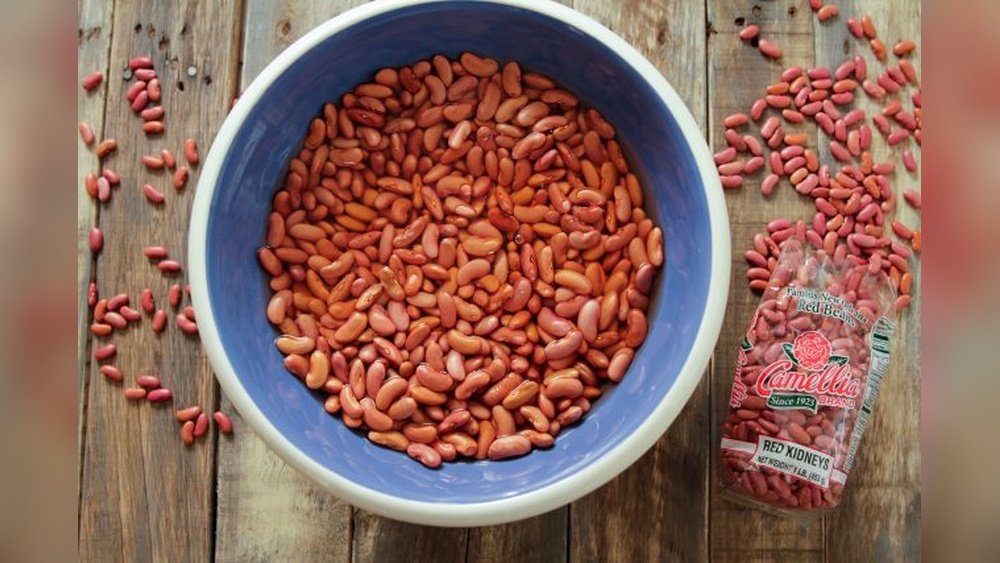
Soaking beans is a simple step that transforms tough, dry legumes into soft, delicious ingredients for all kinds of dishes. Yet, many home cooks feel unsure about what to do after the soaking is done. Should you cook them immediately, or can you store them for later?
How do you keep soaked beans fresh and safe? The answers matter, especially if you want to save time, reduce food waste, and enjoy beans at their best. This guide covers everything you need to know about how to store beans after soaking, using clear steps and practical advice.
Whether you soak beans for meal prep, health reasons, or convenience, you’ll discover methods that fit your kitchen and schedule.
Why Soak Beans?
Soaking beans is an age-old practice with real benefits. It softens the beans, reduces cooking time, and can make beans easier to digest. The soaking process helps remove some of the complex sugars that cause gas and bloating. It also washes away dirt, small stones, and other debris you don’t want in your food.
Most people soak beans in water overnight, but there are also quick-soak methods. After soaking, beans are ready to cook, but sometimes plans change. Maybe you soaked too many, or you want to save time on a busy weeknight. That’s when proper storage becomes important.
What Happens To Beans After Soaking?
When beans are soaked, they absorb water and swell. Their texture changes—they become plumper and softer, but not fully cooked. During soaking, beans also become more perishable. The water they absorb creates a perfect environment for bacteria and mold if not stored correctly.
This is why soaked beans need careful handling.
Soaked beans are different from both dry beans and cooked beans. They’re more fragile than dry beans, but they’re not as shelf-stable as fully cooked ones. Knowing how to store them the right way helps keep them safe, fresh, and tasty.
Key Factors To Consider Before Storing Soaked Beans
Before you put your soaked beans away, think about these important factors:
- Type of Bean: Some beans (like kidney or black beans) are sturdier, while others (like lentils) can break down faster after soaking.
- Soaking Method: Beans soaked overnight are more hydrated than quick-soaked beans. Both types need proper storage, but overnight-soaked beans may spoil a bit faster.
- Duration of Soaking: Beans soaked too long (over 24 hours) can start to ferment or sprout. Use or store promptly.
- Water Quality: If you used chlorinated or filtered water, beans may last longer. Untreated water can introduce bacteria.
- Cleanliness: Always use clean bowls, utensils, and hands to avoid contamination.
Storing Soaked Beans In The Refrigerator
Refrigeration is the most common way to keep soaked beans fresh if you don’t plan to cook them right away. Here’s how to do it safely and effectively.
Step-by-step Guide
1. Drain The Beans Well
After soaking, pour off the soaking water and rinse the beans with fresh water. This removes any remaining sugars and dirt.
2. Choose The Right Container
Use an airtight container made of glass or BPA-free plastic. Avoid metal containers, which can react with the beans and water.
3. Add Fresh Water (optional)
Some people like to cover the beans with fresh, cold water before storing. This helps keep beans hydrated and prevents them from drying out.
4. Label And Date
Write the date on the container. This helps you remember how long the beans have been stored.
5. Refrigerate Promptly
Place the container in the coldest part of your fridge, usually near the back.
How Long Can You Store Soaked Beans In The Fridge?
Soaked beans will stay fresh in the refrigerator for 3 to 5 days. After that, they may start to develop off smells, slime, or visible mold, and should be discarded.
Signs Of Spoilage
- Sour or unpleasant odor
- Slimy or sticky texture
- White, green, or black spots (mold)
If you notice any of these, throw the beans away. Do not taste them.
Practical Example
Suppose you soak a pound of pinto beans for chili, but your dinner plans change. Rinse, drain, and store them in a glass container with a tight lid. Add a little fresh water, label with the date, and place in the fridge. Use the beans within three days for best taste and safety.
Storage Comparison Table
Here’s how soaked beans compare to dry and cooked beans in terms of storage:
| Bean State | Storage Location | Best By | Notes |
|---|---|---|---|
| Dry | Panty (cool, dry) | 1-2 years | Keep airtight, away from moisture |
| Soaked | Refrigerator | 3-5 days | Rinse, drain, use clean container |
| Cooked | Refrigerator | Up to 1 week | Store with or without cooking liquid |
| Cooked (Frozen) | Freezer | Up to 6 months | Use freezer-safe container |
Freezing Soaked Beans
Freezing is a great option if you want to store soaked beans for more than a few days. It’s not as common as freezing cooked beans, but it works if done properly.
Can You Freeze Soaked Beans?
Yes, you can freeze soaked (but uncooked) beans. Freezing stops bacterial growth and keeps the beans from spoiling. However, freezing can change the texture a little—the beans may become slightly softer after thawing.
How To Freeze Soaked Beans
1. Drain Thoroughly
Remove as much water as possible to avoid ice crystals.
2. Pat Dry (optional)
Lay beans on a clean towel and blot to remove surface moisture.
3. Portion For Convenience
Place beans in freezer-safe bags or containers, in amounts you’ll use for recipes (like 1 or 2 cups).
4. Remove Air
Squeeze out excess air from bags to prevent freezer burn.
5. Label And Date
Mark containers with the type of bean and the date.
6. Freeze Quickly
Lay bags flat in the freezer for faster freezing and easy stacking.
How Long Can You Store Soaked Beans In The Freezer?
Soaked beans will keep in the freezer for up to 6 months. For best taste and texture, use them within 3 months.
Thawing And Using Frozen Soaked Beans
To use, thaw beans overnight in the refrigerator or place the bag in cool water until thawed. Cook as you would fresh soaked beans. There’s no need to re-soak.
Freezing Vs. Refrigeration Table
A quick look at how freezing compares to refrigerating soaked beans:
| Storage Method | Time Limit | Texture Change | Prep Needed |
|---|---|---|---|
| Refrigerator | 3-5 days | None | Just rinse and drain |
| Freezer | Up to 6 months | Slight softening | Drain well, portion, label |
Storing Beans After Soaking: Do’s And Don’ts
Following these simple rules helps keep your beans safe and tasty.
Do’s
- Do store soaked beans in the fridge or freezer as soon as possible.
- Do use clean containers to prevent bacteria.
- Do rinse beans after soaking to remove any loose skins or dirt.
- Do use soaked beans within 3 to 5 days if kept in the fridge.
- Do freeze if not using within a week.
Don’ts
- Don’t leave soaked beans at room temperature for more than 2 hours.
- Don’t store beans in the water they were soaked in (use fresh water if storing in liquid).
- Don’t use containers that are hard to seal or that might leak.
- Don’t ignore strange smells or textures—spoilage can happen fast.
Can You Store Beans In The Water They Were Soaked In?
It’s best not to store beans in the soaking water. This water contains the starches and sugars that leached out during soaking, and can promote bacterial growth. Always drain and rinse beans before storing. If you want to store them in water, use fresh, cold water and change it daily.
Best Containers For Storing Soaked Beans
Your choice of container makes a difference. Here’s what works best:
- Glass Jars with Tight Lids: These don’t hold odors and are easy to clean.
- BPA-Free Plastic Containers: Choose food-grade, airtight options.
- Freezer Bags: For freezing, these save space and can be labeled easily.
- Avoid Metal: Metal containers can react with beans and aren’t ideal for storage.
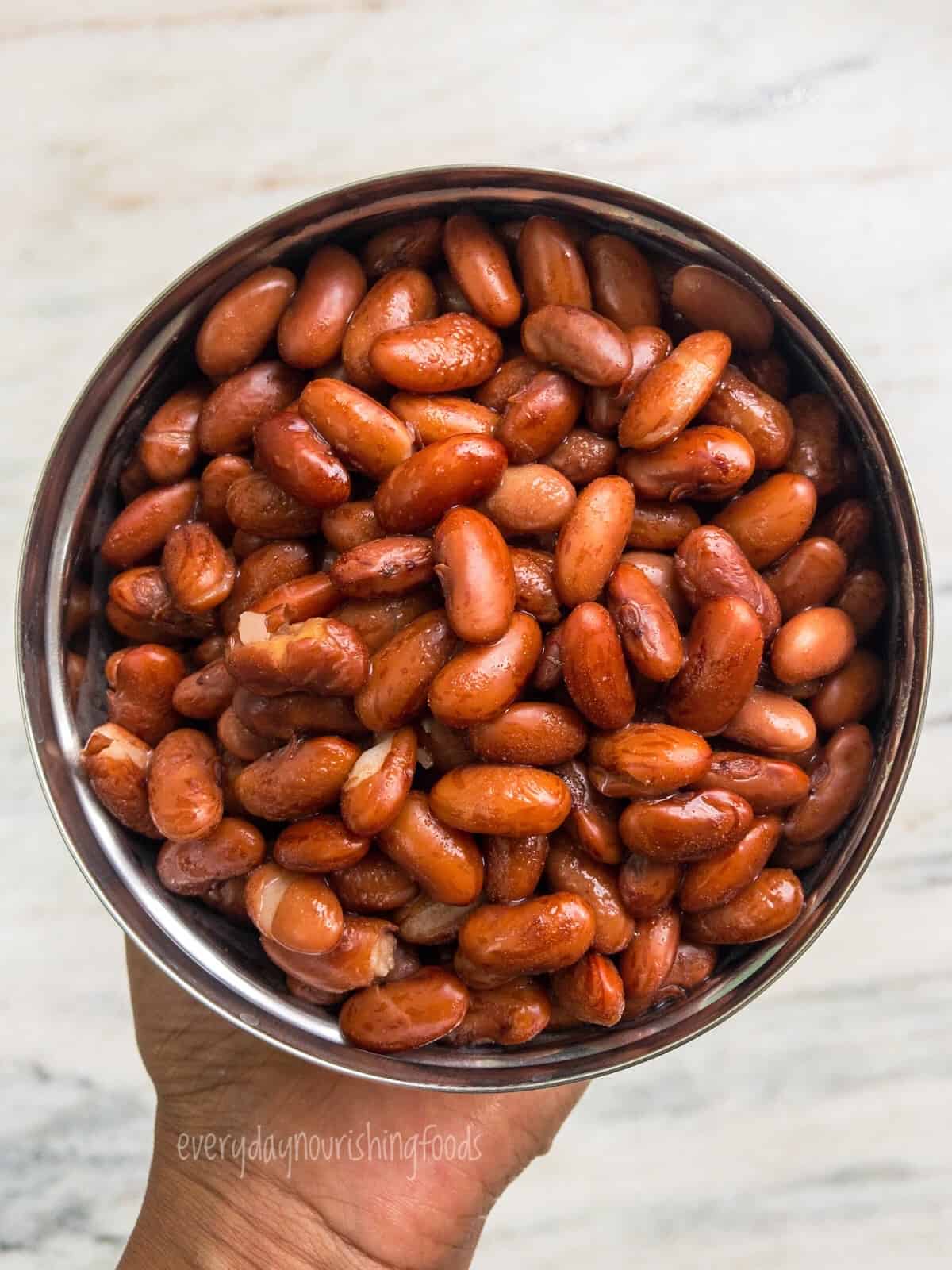
Example: If you soak beans often, keep a set of quart-sized glass jars just for bean storage. They’re reusable and make it easy to see what’s inside.
Credit: everydaynourishingfoods.com
What To Do With Soaked Beans: Beyond Storage
If you have soaked beans ready, here are a few practical ideas:
- Cook Immediately: Use in soups, stews, salads, or as a side dish.
- Meal Prep: Boil a large batch, then freeze in smaller portions for quick meals.
- Sprouting: Some beans can be sprouted after soaking by draining and rinsing daily. This works well for mung beans and lentils.
- Fermentation: In some cuisines, soaked beans are fermented to make dishes like tempeh or dosa batter.
Mistakes To Avoid When Storing Soaked Beans
Many beginners make simple mistakes that can lead to waste or even food poisoning. Here are some to watch for:
- Storing Beans While Still Warm: Hot beans can cause condensation and spoil faster.
- Forgetting to Label Containers: Old beans can be forgotten and go bad.
- Using Dirty Hands or Utensils: Introduces bacteria.
- Over-Soaking: Beans soaked more than 24 hours can begin to ferment or sprout.

Credit: pantryandlarder.com
How Soaked Beans Compare To Canned Beans
Some people wonder if soaked beans are as convenient as canned beans. Here’s a quick comparison:
| Type | Preparation Needed | Shelf Life | Sodium Content |
|---|---|---|---|
| Soaked Beans (Home) | Soak, store, cook | 3-5 days (fridge), 6 months (freezer) | None added |
| Canned Beans | Open, rinse (optional) | 1-3 years (unopened) | Usually high |
Soaked beans are healthier, lower in sodium, and let you control the flavor. Canned beans are more convenient but may not have the same texture or taste.
Tips For Meal Prepping With Soaked Beans
If you want to save time during the week, soaking beans in advance is a smart move. Here’s how to do it efficiently:
- Soak Multiple Types at Once: Use separate containers and label each.
- Portion Beans by Recipe: Store in batches you’ll use for soups, salads, or chili.
- Freeze for Future Use: If you soak more than you can use, freeze some right away.
- Cook a Large Batch: Boil all soaked beans, then portion and freeze cooked beans for even faster meals.
:max_bytes(150000):strip_icc()/__opt__aboutcom__coeus__resources__content_migration__serious_eats__seriouseats.com__images__2014__09__20140910-black-beans-soak-faq-01-a0a751b8406c48399d47c1a52e302003.jpg)
Credit: www.seriouseats.com
Special Considerations: Kidney Beans And Food Safety
Kidney beans contain phytohemagglutinin, a toxin that is only destroyed by boiling. If you soak kidney beans, always cook them thoroughly (at least 10 minutes at boiling) before storing or eating. Never eat raw or undercooked kidney beans. This is a safety rule that applies to both red and white kidney beans.
Using Soaked Beans In Recipes
Soaked beans can replace canned or cooked beans in almost any recipe. Reduce cooking time compared to dry beans, as they’re already hydrated. If you’re making a stew or soup, add soaked beans and simmer until tender. For salads, cook just until soft, then chill.
How To Tell If Soaked Beans Are Still Good
It’s important to check soaked beans before cooking. Look for:
- Firm, plump beans: Good beans should be whole and not mushy.
- No off odors: If beans smell sour or “off,” discard them.
- No slime or mold: Beans should look clean and fresh.
If in doubt, it’s safer to throw them out.
How To Store Soaked Beans For Travel Or Camping
If you need beans on the go, consider these tips:
- Cook and Dehydrate: After soaking, cook beans, then dehydrate. Rehydrate with hot water at your campsite.
- Freeze Portions: Bring frozen soaked beans in a cooler for short trips.
- Use Mason Jars: For short-term travel, glass jars keep beans fresh for a day or two.
Reducing Food Waste With Proper Storage
Beans are affordable and nutritious, but spoilage wastes money and resources. By storing soaked beans properly, you reduce waste and save time. If beans do go bad, compost them instead of sending to the landfill.
Cultural Insights: Soaked Beans Around The World
Many traditional cuisines soak beans before cooking. In Mexico, black beans are soaked before making refried beans. In India, chickpeas are soaked for chana masala. In the Middle East, fava beans are soaked for ful medames. Storing soaked beans safely is important in all these cultures for both taste and safety.
Non-obvious Insights For Beginners
- Change Water for Fresher Beans: If storing beans in water, change the water daily. This keeps beans fresher and reduces odors.
- Beans May Swell More in Storage: Sometimes, beans continue to swell as they absorb more water, especially if stored in liquid. Leave extra space in your container to avoid spills.
Food Safety And Scientific Data
According to the USDA, bacteria can multiply quickly at temperatures between 40°F and 140°F (4°C to 60°C). Always store soaked beans in the refrigerator or freezer to prevent foodborne illness. For more on food safety, see the USDA Food Safety Basics.
Frequently Asked Questions
How Long Can I Keep Soaked Beans In The Fridge?
Soaked beans last 3 to 5 days in the refrigerator. Store in an airtight container, and check for signs of spoilage before use.
Can I Freeze Soaked Beans Instead Of Cooking Them?
Yes, you can freeze soaked beans. Drain them well, portion, and use freezer-safe bags or containers. Use within 6 months for best quality.
Should I Store Soaked Beans In Water Or Dry?
It’s best to drain and rinse soaked beans before storing. If you store in water, use fresh water and change it daily.
What Happens If I Leave Soaked Beans At Room Temperature?
Soaked beans left at room temperature for more than 2 hours can grow bacteria quickly and should not be eaten.
Can I Cook Beans Directly From Frozen After Soaking?
Yes, you can cook frozen soaked beans straight from the freezer. Just add a few extra minutes to cooking time.
Proper storage keeps your beans safe, tasty, and ready to use. With these tips, you’ll waste less and enjoy delicious beans in all your favorite dishes.