
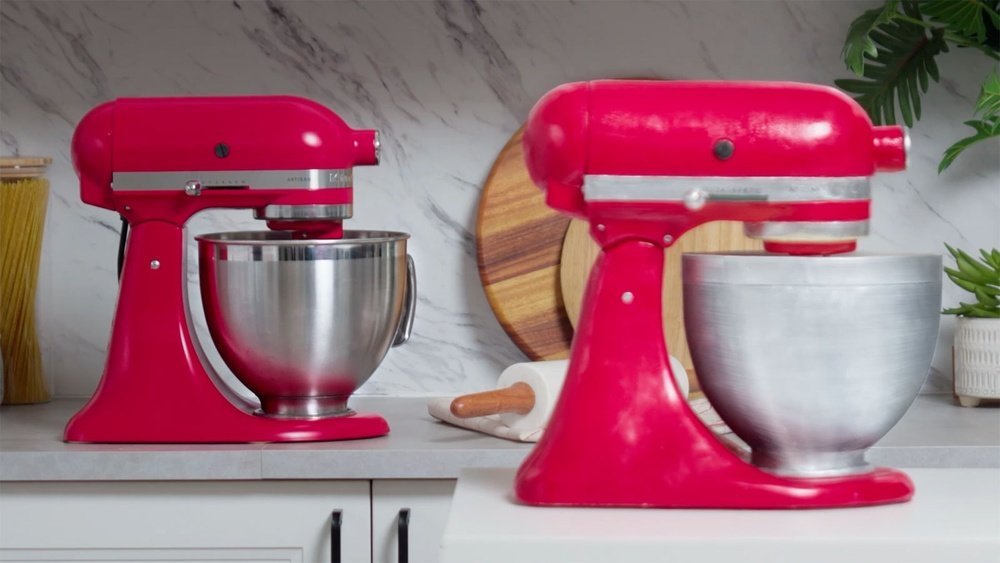
Buying a KitchenAid mixer is a big decision for anyone who enjoys cooking or baking. These mixers are famous for their quality, long life, and beautiful design. But the high price and strong reputation mean that there are many fake KitchenAid mixers on the market, especially online. If you want to make sure you are getting the real thing, you need to know what to look for. Many people think it’s easy to spot a counterfeit, but fake mixers can be very convincing. In this article, you’ll learn everything you need to confidently identify a genuine KitchenAid mixer and avoid being tricked by a fake.
Why Fake Kitchenaid Mixers Are A Problem
Counterfeit kitchen appliances are not just a minor annoyance. They often use cheap materials, have poor safety standards, and break down quickly. Fake KitchenAid mixers can be dangerous because their motors may overheat, their wiring may not meet safety codes, and their parts can fail during use. Buying a fake also means you won’t get a warranty, support, or genuine replacement parts.
Many buyers don’t realize they have a fake until something goes wrong. Sellers on online marketplaces or social media may offer what seems like a great deal, but the mixer you receive is not what you expected. Learning to spot the signs of a fake can save you money, time, and frustration—and keep your kitchen safer.
Where Fakes Are Most Commonly Sold
Fake KitchenAid mixers are often found in the following places:
- Online marketplaces like eBay, AliExpress, and Facebook Marketplace
- Unknown websites with big discounts and no clear company information
- Social media ads offering “flash sales” or “clearance stock”
- Local classifieds or swap groups
Be extra careful when buying from these sources. Always check seller reviews and return policies, and never rush into a deal that seems too good to be true.
Key Differences: Real Vs. Fake Kitchenaid Mixers
A quick look is not enough to tell the difference. Counterfeiters copy the color, shape, and even the logo. But there are several key differences that can help you spot a fake.
| Feature | Genuine KitchenAid | Fake KitchenAid |
|---|---|---|
| Price | Usually $299–$699 (new) | Often under $200 |
| Packaging | High-quality, with branding and manuals | Poor print, missing manuals, or generic box |
| Logo | Crisp and even, correct font | Blurry, uneven, or wrong font |
| Weight | Heavy, solid metal (20+ lbs) | Lighter, thin plastic or cheap metal |
| Serial Number | Clear, matches warranty card and website | Missing, incorrect, or cannot be verified |
| Attachments | Fit perfectly, high-quality finish | Loose, poor fit, plastic instead of metal |
Examining The Price: Too Good To Be True?
The price is often the first warning sign. Genuine KitchenAid mixers are not cheap. If you see a new stand mixer for $120, you should be suspicious. Some fakes are priced higher to seem more real, but they are still lower than the normal retail price.
Check the official KitchenAid website or large stores like Best Buy, Williams Sonoma, or Amazon to see the usual price range for the model you want. Be careful with big discounts, especially if the seller is not an authorized retailer.
Non-obvious insight: Some scammers use “refurbished” or “open box” as an excuse for a low price. Real refurbished mixers will come with a factory label, warranty, and clear explanation of what has been repaired. Always ask for proof before buying.
Inspecting The Packaging
Genuine KitchenAid packaging is sturdy, colorful, and full of branding. The box will have high-quality printing, clear images, and usually a model number, serial number, and bar code. There will also be a user manual and warranty card inside.
Fake mixers often arrive in thin cardboard boxes with poor printing. Sometimes the box is plain, or the images look blurry. Missing manuals or a simple, black-and-white instruction sheet are also signs of a fake.
What To Look For:
- The KitchenAid logo on the box should be sharp, not faded or pixelated.
- Check for spelling errors or strange English.
- Look for the correct model and serial numbers.
Examining The Logo And Branding
The KitchenAid logo is an important clue. On the mixer itself, the logo should be deeply engraved or printed in the correct font and style. Counterfeit mixers often use a similar logo, but it may look “off” in small ways—wrong spacing, uneven letters, or a different shade of silver.
Non-obvious insight: Some fakes use a sticker for the logo, which can peel off or bubble. The real logo is always permanent and smooth.
Compare the logo to a photo from the official KitchenAid website. Even small differences are a reason to be careful.
Checking The Weight And Materials
A real KitchenAid stand mixer feels heavy and solid. Most models weigh between 20 and 30 pounds because they are made of die-cast metal. If you can easily lift the mixer with one hand, it is likely a fake.
The finish should be smooth, shiny, and even. Counterfeit mixers often use cheap plastic or thin metal. The paint may look dull or have uneven spots.
Materials Checklist:
- Smooth, cool metal body (not warm or flexible plastic)
- No sharp edges or loose parts
- Attachments (like the whisk or beater) should be metal, not plastic
Serial Number And Model Verification
Every real KitchenAid mixer has a unique serial number and model number, usually on a sticker or metal plate under the base or on the back. You can check this number on the official KitchenAid website or by calling customer support.
If the number is missing, scratched, or does not match the box, that is a red flag. Some fakes have numbers copied from real products, but KitchenAid can still tell if the serial is valid.
Pro tip: Take a photo of the number and send it to KitchenAid before you buy. They can confirm if it’s real.
Attachments And Accessories
Genuine KitchenAid mixers come with high-quality attachments. The standard set usually includes:
- Flat beater (metal)
- Wire whip (metal)
- Dough hook (metal)
- Mixing bowl (stainless steel, sometimes glass)
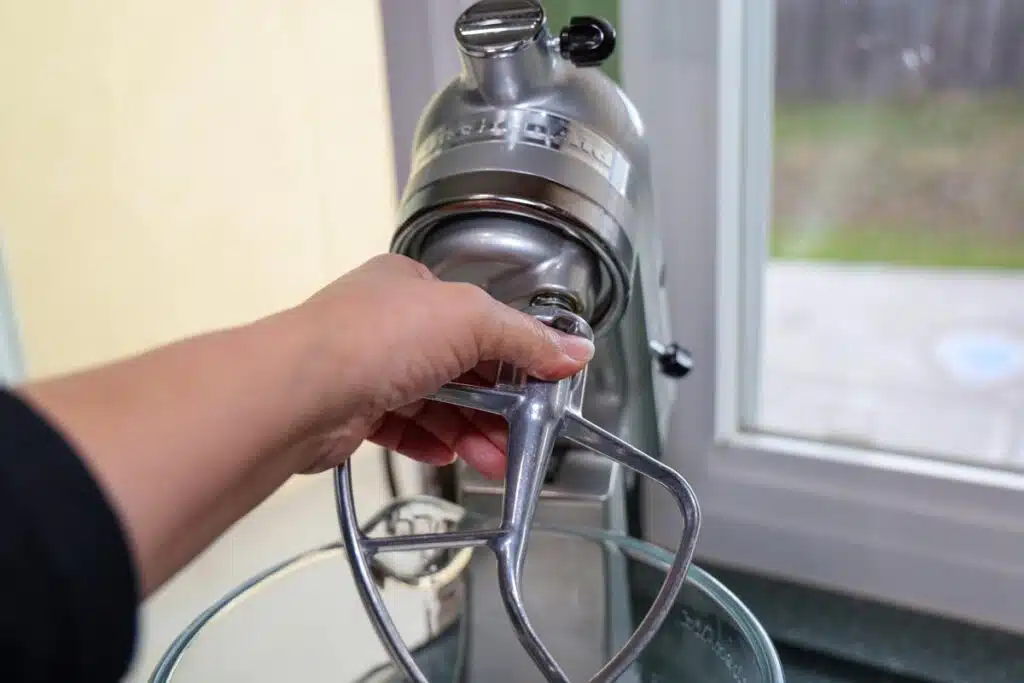
Fake mixers may include attachments made of plastic, or the fit may be loose. Try connecting the attachments—if they wobble or do not lock in place, it is probably a fake.
Some fakes include extra accessories to seem more valuable, but the quality is poor.
Motor Power And Noise
KitchenAid mixers are known for their strong, quiet motors. When you turn on a genuine mixer, it should run smoothly, with a steady hum. Fake mixers often have weak motors that make a loud, rattling noise.
If you can test the mixer before buying, listen for:
- Sudden changes in speed or power
- Burning smells or overheating
- Excessive vibration or shaking
A real KitchenAid can mix thick dough without slowing down. Fakes may struggle, stall, or even stop working.
Credit: topclassactions.com
Warranty And Support
A genuine KitchenAid mixer comes with a manufacturer’s warranty—usually one year or more. You should receive a warranty card or instructions for registration.
If the seller cannot provide a warranty or says “no warranty for this item,” that is a bad sign. You can also ask for a copy of the receipt or proof of purchase.
Non-obvious insight: Some sellers offer their own fake “warranty” to look legitimate. Check if the warranty is from KitchenAid, not just the store.
Comparing Photos And Product Details
Before buying, compare the product photos to images from the official KitchenAid website. Look for differences in:
- Button shapes and positions
- Bowl handle design
- Tilt-head or bowl-lift mechanism
- Attachment hub style
If the photos are low-quality, blurry, or look like they were copied from another site, be careful.
| Detail | Official KitchenAid | Counterfeit Example |
|---|---|---|
| Speed lever | Metal, smooth movement | Plastic, wobbly |
| Bowl handle | Thick, ergonomic | Thin, sharp edges |
| Attachment hub | Fits all KitchenAid add-ons | Loose or wrong size |
Reading Seller Reviews And History
Always check the seller’s feedback and history. Good signs include:
- Many positive reviews
- Long history of selling kitchen products
- Fast response to questions
Warning signs:
- New seller or no reviews
- Only sells “clearance” or “overstock” goods
- No contact information or slow replies
If you are buying from a website, look for a physical address, phone number, and clear return policy. Scammers often disappear after the sale.
Official Dealers And Authorized Retailers
The safest way to buy a real KitchenAid mixer is from an authorized retailer. KitchenAid lists official dealers on their website. Stores like Amazon (sold by Amazon), Williams Sonoma, Target, Best Buy, and Macy’s are all authorized.
If you buy from an unauthorized seller, you risk getting a fake or having no warranty support. Always check the store’s status if you are not sure.
Non-obvious insight: Some stores are “marketplaces,” meaning anyone can sell on them. Make sure the seller is listed as “Sold by [store]” and not a random third party.

Credit: 991thewhale.com
Unusual Colors And Models
KitchenAid offers many colors, but some fakes come in unusual shades or patterns not found on the official website. If you see a color you’ve never seen before, double-check with KitchenAid.
Also, be careful with models that are not listed on KitchenAid’s site or that have strange numbers. Some fakes use fake model names or old designs no longer made.
User Manual And Documentation
The user manual is another clue. A real KitchenAid manual is thick, with clear English, diagrams, and warranty info. Fakes may include a simple, thin booklet or a photocopied page.
Check for:
- KitchenAid branding on every page
- No spelling or grammar mistakes
- Safety warnings and care instructions
If the manual looks cheap, it probably is.
Testing The Mixer In Person
If possible, always test the mixer before buying, especially for used units. Key things to try:
- Attach and detach the bowl and beaters
- Run the mixer at different speeds
- Check for smooth movement and no rattling
A fake will often show signs of poor build or weak performance.
Comparing With A Known Genuine Mixer
If you have access to a real KitchenAid mixer, compare the two side by side. Differences will be more obvious, especially in weight, finish, and sound.
If you do not have one, visit a store and ask to see a real mixer. Take photos and notes to use during your search.
Return Policy And Buyer Protection
A trustworthy seller will always offer a clear return policy. If the seller refuses returns or only offers a short window, be careful. Payment methods like PayPal or credit cards offer more protection than cash or wire transfers.
Pro tip: If you buy online, take photos of the packaging and serial number as soon as you receive the mixer. This helps if you need to make a claim.
Common Buyer Mistakes
Even careful buyers can make mistakes. Here are some to avoid:
- Believing “factory seconds” or “overstock” stories without proof
- Ignoring small details like blurry logos or mismatched fonts
- Not checking the seller’s history or reviews
- Trusting a “good deal” that feels rushed or secretive
- Forgetting to verify the serial number before paying
If you have any doubt, walk away or ask for more information.

Credit: www.reddit.com
The Risk Of Using A Fake Mixer
Counterfeit mixers are not just a waste of money—they can be dangerous. Poor wiring, weak motors, and cheap materials may cause:
- Electrical shocks or fires
- Broken bowls or attachments during use
- Food contamination from unsafe coatings
Always put safety first. It’s better to wait and save for a real KitchenAid than to risk your kitchen and health.
Reporting Fakes And Getting Help
If you discover a fake KitchenAid mixer, report it to the seller, the platform, and KitchenAid. This helps protect other buyers. You can also warn others by leaving honest reviews.
If you paid with a credit card or PayPal, contact them to dispute the charge. Keep all messages, photos, and receipts as evidence.
For more on counterfeit products, visit the Federal Trade Commission.
What To Do If You Already Bought A Fake
If you find out you bought a counterfeit mixer:
- Stop using it for safety reasons.
- Contact the seller and ask for a refund.
- File a claim with your payment provider (credit card, PayPal, etc. ).
- Report the fake to KitchenAid and the sales platform.
Sometimes, you may get your money back if you act quickly and have good evidence.
Summary Table: Genuine Vs. Fake Kitchenaid Mixers
This quick reference can help you review what to check.
| What to Check | Genuine Mixer | Fake Mixer |
|---|---|---|
| Price | $299–$699 (new) | Under $200 (often) |
| Logo/Branding | Sharp, engraved, correct font | Sticker, uneven, wrong font |
| Weight | 20+ lbs, heavy metal | Light, plastic or thin metal |
| Serial Number | Verifiable, unique | Missing, cannot verify |
| Attachments | Metal, perfect fit | Plastic, loose fit |
| Noise/Motor | Quiet, strong | Loud, rattling |
| Warranty | From KitchenAid | None or fake |
| Manual | Thick, detailed, branded | Thin, errors, generic |
| Seller | Authorized retailer | Unknown, poor reviews |
Frequently Asked Questions
How Can I Check If My Kitchenaid Mixer Is Real?
Look for a serial number and model number on the base or back of the mixer. Check these on the official KitchenAid website or contact their support. Also, compare the weight, logo, and packaging to a known genuine mixer.
Is It Safe To Buy A Kitchenaid Mixer From Online Marketplaces?
It can be, but only buy from sellers with good reviews and a long history. Make sure the mixer is sold and shipped by a trusted retailer, not a random third party. Avoid deals that are much cheaper than normal.
Are There Fake Kitchenaid Mixers On Amazon?
Yes, especially from third-party sellers. Always check “Sold by Amazon. com” or other authorized dealers. Read reviews and inspect all product details before buying.
What Should I Do If I Bought A Fake Kitchenaid Mixer?
Stop using it right away. Contact the seller for a refund, and file a claim with your payment provider. Report the fake to KitchenAid and the platform where you bought it.
Why Are Fake Kitchenaid Mixers Dangerous?
Fake mixers use cheap parts and poor wiring, which can lead to electrical shocks, fires, or broken attachments. They may also contaminate food with unsafe materials. Always choose a real, safe KitchenAid mixer for your kitchen.
Buying a KitchenAid mixer should be an exciting upgrade for your kitchen, not a stressful risk. By following the steps in this guide, you can protect yourself from fakes and enjoy the power and beauty of a true KitchenAid mixer for years to come.