
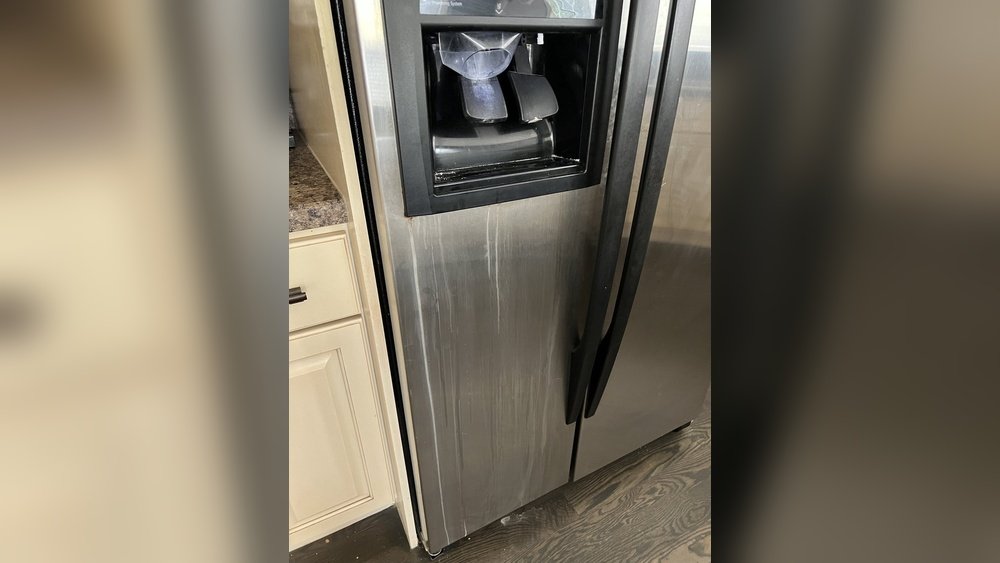
Stainless steel appliances, sinks, and surfaces look modern and clean—until you notice those stubborn drip marks. Whether it’s water streaks on your fridge door, fingerprints with drips on your oven, or coffee splashes on a sink, these marks can make even new appliances look old. If you’re frustrated by these streaks and want to restore your stainless steel to a shiny, spotless state, this guide walks you through every method and tip. You’ll learn why drip marks happen, the best cleaning solutions, what to avoid, and how to keep your steel sparkling in the long term.
Why Stainless Steel Gets Drip Marks
Many people choose stainless steel for its durability and resistance to rust. But it easily shows water spots, streaks, and drip marks. These marks usually appear when water with minerals, cleaning sprays, or oily residues dry on the surface. Hard water is a common culprit, as it leaves behind minerals after the water evaporates. Sometimes, soap or cleaning product residue is to blame, especially if not wiped completely. Even wiping with a dirty or damp cloth can leave streaks.
Another factor is the finish on stainless steel. Brushed finishes show marks differently than polished surfaces. In kitchens, steam from cooking, boiling water, or using a kettle nearby can create micro-droplets that dry and leave subtle marks. Over time, these build up, making the surface look dull even if you clean regularly.
Environmental factors also play a role. In humid climates, surfaces may dry slowly, giving minerals more time to settle and form visible spots. Even the oils from your hands can mix with water drips or cleaning sprays, making marks more stubborn.
If you have pets or small children, you might notice more drips and smears at lower levels, since paws and fingers tend to touch and leave behind residue that attracts new marks.
Understanding The Types Of Drip Marks
Before removing drip marks, it’s important to know what you’re dealing with. Not all marks are the same, and the right solution depends on the source.
Water Drip Marks
These are the most common. When water droplets dry, they leave behind minerals like calcium and magnesium, creating white or cloudy spots. If your tap water is hard, you’ll see these marks more often, especially around sinks or dishwashers. Even ice cubes melting on the fridge door can cause these spots.
Grease Drip Marks
Cooking can send small droplets of oil or grease onto nearby surfaces. When these drip and dry, they create sticky, darker marks. Often, these appear near stoves or on oven doors, especially after frying or baking. Sometimes, even air from the oven vent carries grease particles that settle on other appliances.
Cleaning Product Drip Marks
Using the wrong cleaner or not rinsing properly leaves behind streaks or rainbow-like marks. For example, using too much product or not wiping all the residue can cause noticeable streaks when the surface dries. Some all-purpose cleaners contain ingredients that react with stainless steel, making the marks more visible under certain lighting.
Rust-colored Drips
Though stainless steel resists rust, sometimes iron-rich water or contact with other metals can cause orange or brownish streaks. This can happen if a cast iron pan or steel wool is left wet on the sink, or if water with high iron content splashes and dries.
In rare cases, cleaning solutions with bleach accelerate this process.
Understanding the type helps you pick the right removal method. For instance, vinegar is great for mineral spots, but not as effective for grease. Using the wrong approach can sometimes make the marks worse or harder to remove.

Credit: www.youtube.com
Essential Tools And Supplies
You don’t need fancy gadgets, but using the right tools makes a big difference. Here’s what works best:
- Soft microfiber cloths: These won’t scratch or leave lint. Microfiber grabs particles and oils better than cotton.
- Non-abrasive sponges: For gentle scrubbing. Ideal when you need a little more power without damaging the surface.
- Spray bottle: For homemade solutions. Helps cover large areas evenly.
- White vinegar
- Baking soda
- Mild dish soap
- Distilled water: Prevents new mineral spots. Especially useful for the final rinse.
- Olive oil or mineral oil: For a final polish. Helps repel water and fingerprints.
- Commercial stainless steel cleaner: Good for tough stains. Some leave a protective layer that lasts for weeks.
Never use steel wool, rough sponges, or harsh chemicals. These can scratch and damage the surface. Even a small scratch can attract more dirt and make future cleaning harder. For small crevices (like around handles or buttons), a soft toothbrush can help lift out grime without harm.
A pro tip: dedicate a set of cloths and sponges just for your stainless steel. Mixing them with other cleaning jobs can transfer grit or soap residue, leading to more streaks.
Step-by-step Guide To Remove Drip Marks
Let’s tackle the problem with step-by-step solutions, starting from the simplest and safest.
1. Wipe With A Dry Microfiber Cloth
Sometimes, drip marks are just surface dust or light water spots. Always try the simplest method first.
- Take a clean, dry microfiber cloth.
- Wipe in the direction of the stainless steel grain.
- Check if marks disappear. If not, move to the next step.
Doing this regularly can prevent buildup. It’s especially effective after cooking or when you notice condensation forming. Even subtle marks may fade with gentle, dry wiping.
2. Use Warm Water And Dish Soap
For fresh or light marks, mild dish soap and water often do the trick.
- Mix a few drops of dish soap in a bowl of warm water.
- Dip a soft cloth, wring it out, and wipe the area.
- Rinse with a second cloth dampened with distilled water.
- Dry immediately with a clean towel.
Don’t soak the surface. Too much water can run into seams or electrical parts. When rinsing, change the water if it starts to look dirty. This prevents spreading grease or mineral deposits around.
Example: If you spill soup on the side of your dishwasher, a soapy cloth quickly lifts food and oil before they dry and stain.
3. White Vinegar For Mineral Drip Marks
White vinegar is excellent for removing hard water spots and mineral residue.
- Pour vinegar into a spray bottle.
- Spray directly on the drip marks.
- Let it sit for 1-2 minutes.
- Wipe with a microfiber cloth, always following the grain.
- Rinse with distilled water and dry.
Non-obvious tip: Use distilled white vinegar, not apple cider or flavored vinegars, which can leave new stains.
Vinegar is safe and effective, but don’t let it sit for too long on the surface—especially on black or coated stainless steel. If you’re cleaning a vertical surface, spray lightly to avoid drips.
Extra insight: In areas with very hard water, you might need to repeat this process more than once, or use a little more vinegar for stubborn spots.
4. Baking Soda Paste For Stubborn Stains
If marks remain, try a gentle baking soda paste.
- Mix 3 parts baking soda with 1 part water.
- Apply paste to marks using a soft cloth.
- Gently rub in the direction of the grain.
- Rinse with distilled water and dry with a towel.
This method is safe for most stainless steel but always test a small area first.
Baking soda also helps neutralize odors, so it’s great for sinks or trash compactor fronts. Don’t let the paste dry out; rinse before it gets crumbly.
Practical tip: For vertical surfaces, use a slightly thicker paste to prevent drips, and apply slowly to target only the affected area.
5. Commercial Stainless Steel Cleaner
For very tough drip marks, a commercial cleaner is sometimes necessary.
- Follow the product instructions carefully.
- Apply only to the affected area.
- Wipe with a clean, dry cloth afterward.
Commercial cleaners can add a protective layer, but overuse can cause buildup. Use only as needed.
Some cleaners are sprays; others are creams. For best results, use a separate cloth for application and buffing. Don’t mix different brands, as their chemicals can interact and leave streaks.
6. Olive Oil Or Mineral Oil For Final Shine
After cleaning, a light oil polish restores shine and helps prevent new marks.
- Add a few drops of oil to a microfiber cloth.
- Wipe gently, following the steel grain.
- Buff with a dry section of the cloth until shiny.
Non-obvious tip: Don’t use too much oil. A thin layer is enough to protect and shine.
This step makes fingerprints and future drips less visible. If your appliance is near a sink or stove, regular oiling also helps water bead up and roll off instead of drying in place.
If you prefer, you can use a special stainless steel conditioning spray instead of oil, but always read the label to avoid ingredients that attract dust.
Credit: www.reddit.com
Comparison Of Cleaning Methods
Here’s a quick look at how each popular method performs for different types of drip marks:
| Method | Water Drip Marks | Grease Drip Marks | Cleaning Product Drip Marks | Rust-Colored Drips |
|---|---|---|---|---|
| Dry Microfiber Cloth | Fair | Poor | Poor | Poor |
| Soapy Water | Good | Good | Fair | Poor |
| White Vinegar | Excellent | Poor | Good | Fair |
| Baking Soda Paste | Good | Excellent | Good | Good |
| Stainless Cleaner | Excellent | Excellent | Excellent | Good |
| Oil Polish | Good (for shine) | Good (for shine) | Good (for shine) | Poor |
Keep in mind, for best results, sometimes a combination works best—such as removing grease with soapy water before tackling mineral marks with vinegar.
Removing Rust-colored Drip Marks
Rust streaks are rare but can happen, especially if water sits for a long time or other metals touch the surface.
- Sprinkle a little baking soda on the mark.
- Add a few drops of water to make a paste.
- Gently scrub with a soft cloth, always following the grain.
- For stubborn rust, try a stainless steel rust remover (check instructions carefully).
- Rinse and dry immediately.
Important: Never use bleach or chlorine cleaners—they can damage stainless steel and make rust worse.
If marks persist, repeat the process, but don’t scrub too hard. For very old rust spots, applying a commercial rust remover formulated for stainless steel is safer than using home remedies. Always wear gloves and ventilate the area.
Extra insight: Sometimes, rust appears in seams or around screws. Use a cotton swab dipped in baking soda paste to reach into tight spots.
What Not To Do: Common Mistakes
Many people accidentally make marks worse. Avoid these errors:
- Scrubbing with steel wool or abrasive pads: These scratch the surface and make marks permanent.
- Using harsh chemicals: Bleach, ammonia, and oven cleaners can discolor or damage the finish.
- Wiping across the grain: Always follow the metal’s “lines.” Wiping in circles or across the grain leaves dull spots.
- Letting water air-dry: Air drying allows minerals to settle and create new spots.
- Using paper towels: They can leave lint or even tiny scratches.
- Spraying cleaner directly on electronics or controls: Spray on the cloth instead to avoid damage.
Another common mistake is using too much product, thinking more will clean better. In reality, excess cleaner leaves residue and attracts dust and drips. Also, avoid mixing cleaning products, which can create fumes or react with the steel’s finish.
Dealing With Different Stainless Steel Finishes
Not all stainless steel is the same. Some appliances have a brushed finish; others are shiny or black stainless. The right method depends on the finish.
Brushed Stainless
This type has visible lines or “grain.” Always wipe with the grain to keep it looking new. Marks are more obvious if you clean in the wrong direction.
Tip: Use a flashlight at a sharp angle to see the grain direction and check for missed spots.
Polished Or Mirror Stainless
Extra care is needed. Even microfiber can leave fine scratches if too much pressure is used. Avoid powders; use only diluted solutions and gentle cloths.
When buffing, use light, even strokes. For a high-gloss finish, a specific stainless steel polish can help restore shine, but always test on a small area.
Black Stainless
This finish is more delicate. Use only water, a tiny bit of dish soap, and a soft cloth. Avoid vinegar and baking soda—these can harm the coating.
Fingerprints may show more on black stainless, so wipe gently and avoid all abrasive products. If marks persist, check your manual for recommended cleaners.
Preventing Future Drip Marks
Once your stainless steel is spotless, a few habits keep it looking great:
- Wipe spills immediately: The sooner you clean drips, the less likely they’ll leave marks.
- Dry after cleaning: Always buff dry with a soft cloth to prevent new streaks.
- Use distilled water: Especially if you live in a hard water area.
- Polish monthly: A thin coat of mineral oil helps repel water and fingerprints.
- Keep a microfiber cloth handy: Regular quick wipes prevent buildup.
Advanced tip: After cleaning, open windows or turn on a fan to help surfaces dry faster, reducing the chance of mineral spots forming. If you have kids, encourage them to use handles rather than touching the steel, which cuts down on fingerprints and drips.
Professional-grade Products: Are They Worth It?
Many brands sell specialized stainless steel cleaners. Some work very well, especially for large appliances or commercial kitchens. These usually combine cleaning and polishing in one step.
Pros:
- Fast and effective on tough marks
- Leave a protective film
Cons:
- More expensive than household solutions
- Overuse can cause buildup
If you want to try one, choose a reputable brand and always test on a small area first.
Some professional products come in wipes, sprays, or creams. Wipes are convenient for quick cleanups but can dry out if not sealed properly. Sprays cover large surfaces quickly, while creams are best for stubborn stains or restoring shine.
Homemade Vs. Commercial Solutions: A Cost And Results Comparison
Here’s how common homemade cleaners compare to store-bought products:
| Solution | Cost | Effectiveness | Best For |
|---|---|---|---|
| Vinegar & Water | Very Low | High (water marks) | Daily cleaning |
| Baking Soda Paste | Low | High (grease, rust) | Stubborn stains |
| Commercial Cleaner | Medium-High | Very High | Tough stains, large areas |
| Oil Polish | Low | Medium (shine, prevention) | Finishing touch |
Tip: For most homes, vinegar and baking soda handle 90% of drip marks. Save commercial cleaners for special cases.
Homemade solutions are also safer for the environment and your family. If you have allergies or sensitivities, they’re less likely to trigger problems than scented commercial products.
Cleaning Stainless Steel Appliances Vs. Sinks
The same cleaning rules apply, but there are a few differences:
- Refrigerators and dishwashers: Often show more fingerprints and streaks. Use oil polish for a final buff.
- Sinks: Get more water marks and soap scum. Baking soda works well, and a rinse with vinegar keeps them shiny.
- Ovens and microwaves: Avoid letting drips dry. Wipe after each use for best results.
With sinks, pay extra attention to the rim and around the faucet, where water tends to collect and dry. For fridges, handles and edges are “hot spots” for drips and prints.
Practical tip: For sinks, finish by pouring boiling water down the drain after cleaning to remove any residue and help prevent buildup inside pipes.
Real-world Example: Removing Drip Marks From A Fridge
Let’s say your fridge door has water spots, some greasy fingerprints, and dried drip marks.
- Wipe with a dry microfiber cloth to remove dust.
- Spray white vinegar and let sit for 2 minutes.
- Wipe with the grain using a soft cloth.
- For any greasy spots, use a drop of dish soap on a damp cloth.
- Rinse and dry with a clean towel.
- Apply a few drops of mineral oil for a streak-free shine.
Repeat every few weeks for a spotless finish.
If you have a family, assign this quick task once a week—it only takes five minutes and prevents stubborn buildup.
When To Call A Professional
Most drip marks are easy to handle at home. But consider a professional if:
- Marks won’t come off after several methods.
- The surface is scratched or pitted.
- You’re cleaning a high-value item (like a designer range or custom panels).
Professionals use special tools and products, and can sometimes refinish the steel.
They also have access to industrial-strength cleaners and buffing machines that restore shine without risking further damage. If you notice deep discoloration, bubbling, or peeling on the surface, it’s a sign to get expert help.

Credit: cleanmama.com
Environmental Impact Of Cleaning Solutions
Many commercial cleaners contain chemicals that can harm the environment. Vinegar, baking soda, and dish soap are safer choices for you and the planet. Always rinse surfaces well, and avoid pouring harsh chemicals down the drain.
For more on the benefits of eco-friendly cleaning, see the Wikipedia entry on green cleaning.
If you want to reduce plastic waste, buy vinegar and baking soda in bulk and reuse spray bottles. For a fresh scent, add a drop of lemon or essential oil to your homemade cleaner—just make sure it’s safe for your appliance finish.
Summary Of Key Steps For Streak-free Stainless Steel
- Identify the type of drip mark.
- Start with the least aggressive method (dry cloth, water, mild soap).
- Use vinegar or baking soda for minerals or stubborn stains.
- Rinse and dry thoroughly.
- Finish with a light polish.
- Avoid common mistakes like rough pads and harsh chemicals.
- Protect with regular maintenance.
With practice, you’ll recognize which method works best for each type of mark and surface.
Frequently Asked Questions
Why Do Drip Marks Keep Coming Back On My Stainless Steel?
Drip marks often return if you use hard water, let water air dry, or don’t buff with a dry cloth. Also, if residue from cleaning products stays on the surface, it attracts new marks. Always use distilled water and dry completely after cleaning.
Another reason is frequent touching—every time someone opens a fridge or oven with wet or oily hands, it leaves behind new marks. Regular quick cleaning and using a polish help prevent this.
Can I Use Glass Cleaner Or Ammonia On Stainless Steel?
It’s best to avoid ammonia-based glass cleaners, as they can leave streaks or even damage some finishes. Use vinegar and water or a cleaner made for stainless steel. If you must use glass cleaner, spray it on a cloth, not directly on the appliance.
Check your appliance manual—some brands warn against all ammonia-based products, especially on black or colored finishes.
What If I See Scratches After Removing Drip Marks?
Fine scratches can happen if you use paper towels, abrasive pads, or wipe against the grain. For light scratches, use a stainless steel polish or a paste of baking soda and water, gently rubbing with the grain. Deep scratches may need professional help.
For a quick fix, sometimes rubbing a bit of mineral oil into the scratch makes it less visible. For best results, always use clean, soft cloths and gentle pressure.
Is It Safe To Use Lemon Juice To Remove Drip Marks?
Lemon juice can remove water spots, but it is more acidic than vinegar and may damage some finishes, especially black stainless steel. Vinegar is a safer choice. Always test on a small area first.
If you want a fresh scent, add a drop of lemon essential oil to your vinegar solution instead.
How Often Should I Clean My Stainless Steel To Prevent Drip Marks?
Wipe surfaces weekly, or more often if you see drips or fingerprints. Quick, regular cleaning prevents buildup and keeps appliances looking new. Polish with oil once a month or as needed.
For high-use areas, such as fridge doors, a daily quick wipe helps. For less-used items, like a toaster or trash can, weekly or biweekly cleaning is usually enough.
Clean, streak-free stainless steel is possible with the right approach. Once you know the tricks and avoid common mistakes, your kitchen or workspace can look as shiny as the day you bought it.