
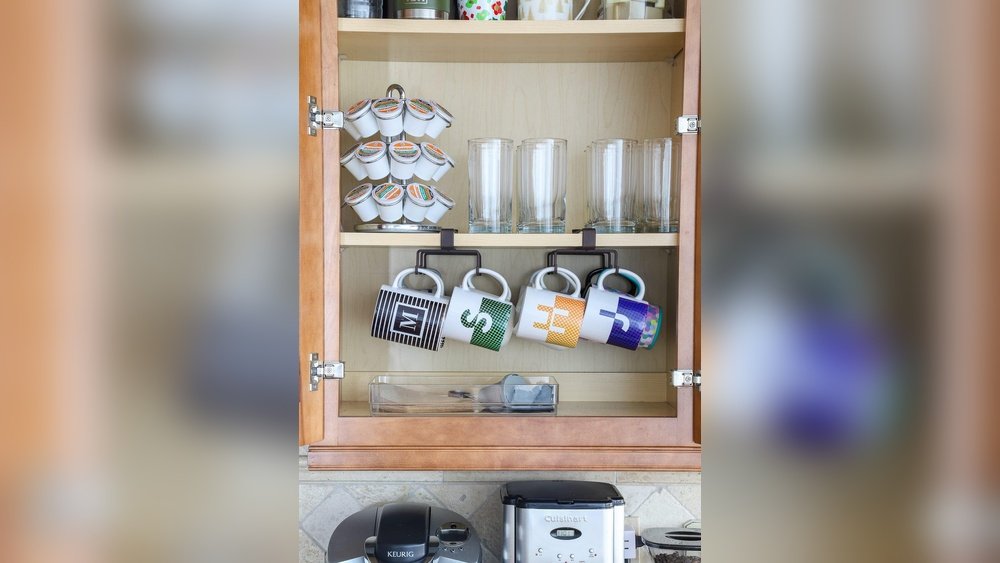
How To Organize Mugs In Cabinet
If you open your kitchen cabinet and see a messy pile of mugs, you are not alone. Many people collect mugs over time—gifts from friends, travel souvenirs, or just favorite cups for coffee and tea. But when your mugs are stacked randomly, it’s hard to find the one you want, and sometimes mugs even break. Organizing mugs in your cabinet can save space, protect your mugs, and make your kitchen look cleaner and more inviting.
This article will guide you step-by-step through the process of organizing mugs in your cabinet. You will learn practical methods, discover smart tools, and get ideas for every type of kitchen—whether you have a big family, live alone, or have a tiny kitchen with little storage.
We will also cover common mistakes, and answer the most asked questions so you can keep your mugs neat and easy to reach every day.
Why Organizing Mugs Matters
Many people think a mug is just a mug. But a well-organized mug cabinet can make a big difference in your daily routine. When your mugs are easy to find and grab, you save time every morning. You also avoid breaking your favorite cup by accident. Organized mugs also make your kitchen look tidy, which feels good and can even impress guests.
Studies show that the average kitchen cabinet holds around 10 to 20 mugs—but most people use only 2 or 3 regularly. The rest take up space, get dusty, or hide in the back where you forget about them. Organizing helps you see what you have, use your favorites, and even make room for new mugs if you love collecting them.
Assessing Your Mug Collection
Before you start moving mugs around, it’s important to look at your collection. This step helps you decide what to keep, what to donate, and how much space you need.
- Take out all mugs: Remove every mug from your cabinet. Put them on a table or counter so you can see everything at once.
- Check for damage: Look for cracks, chips, or stains. If a mug is unsafe or ugly, consider letting it go.
- Group by use: Put mugs into groups—daily use, guests, travel mugs, kids’ mugs, or special occasion mugs.
- Count your mugs: How many do you really need? Most families need only 1 or 2 mugs per person. If you have extra, think about donating or storing them elsewhere.
- Choose favorites: Pick the mugs you love and use most. These deserve the best spots in your cabinet.
People often keep mugs they never use, just because they feel guilty throwing them away. Remember: giving away unused mugs helps others, and frees up your space.
Preparing The Cabinet
Now that you know which mugs to keep, it’s time to get your cabinet ready.
- Empty the cabinet: Remove everything, not just mugs. You may find other forgotten items.
- Clean thoroughly: Wipe the shelves with a damp cloth. Remove dust, crumbs, and stains. A clean cabinet helps keep your mugs clean, too.
- Measure your space: Use a tape measure to check the height, width, and depth of your cabinet. This helps you pick the right organizing tools.
- Check shelf height: Some cabinets have adjustable shelves. If possible, move shelves up or down to fit your mugs better.
A practical tip: Place shelf liners or non-slip mats to protect both your mugs and the cabinet surface. They also make cleaning easier.
Choosing The Best Mug Storage Method
There are many ways to organize mugs, depending on your kitchen size, cabinet shape, and personal preference. Let’s look at the most effective options.
Stacking Vs. Hanging Vs. Lining Up
Different people prefer different styles. Here’s a quick comparison to help you decide:
| Method | Best For | Pros | Cons |
|---|---|---|---|
| Stacking | Thick, sturdy mugs | Saves space; easy to reach | May chip thin mugs; not for all shapes |
| Hanging | Mugs with handles | Frees shelf space; looks stylish | Needs tools/hooks; not for handle-less cups |
| Lining Up | All mug types | Simple; easy to see all mugs | Takes more space; less efficient |
Stacking works well for thick mugs but not delicate ones. Hanging is great for mugs with strong handles, but avoid it with old or fragile mugs. Lining up is universal, but you may fit fewer mugs per shelf.
Using Shelf Organizers
If you have a lot of mugs or a small cabinet, shelf organizers can double your space.
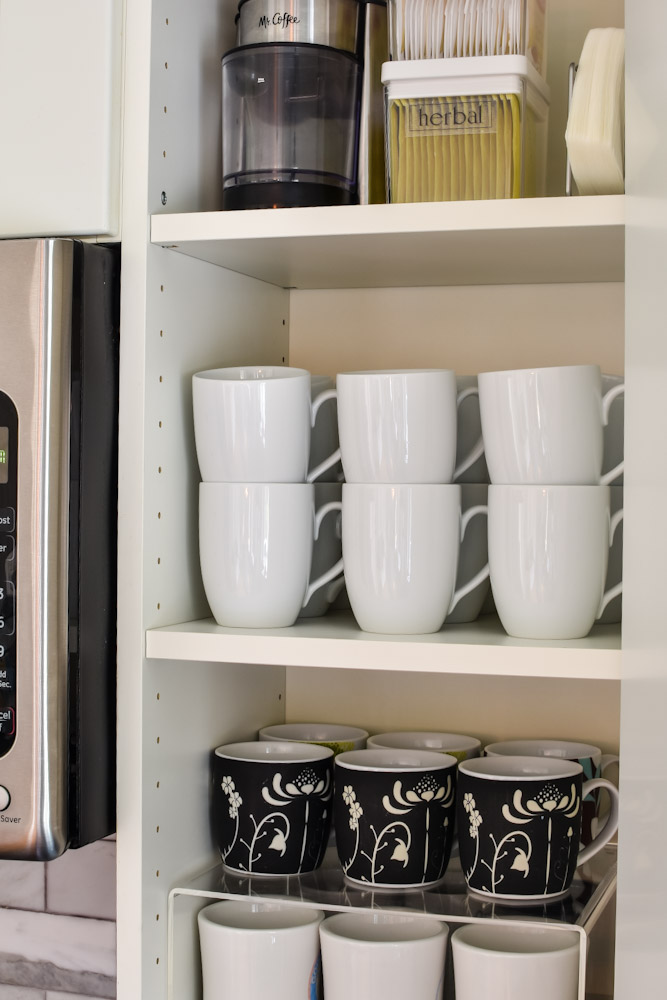
- Shelf risers: These are small stands that create a second level inside your cabinet. Place mugs underneath and on top.
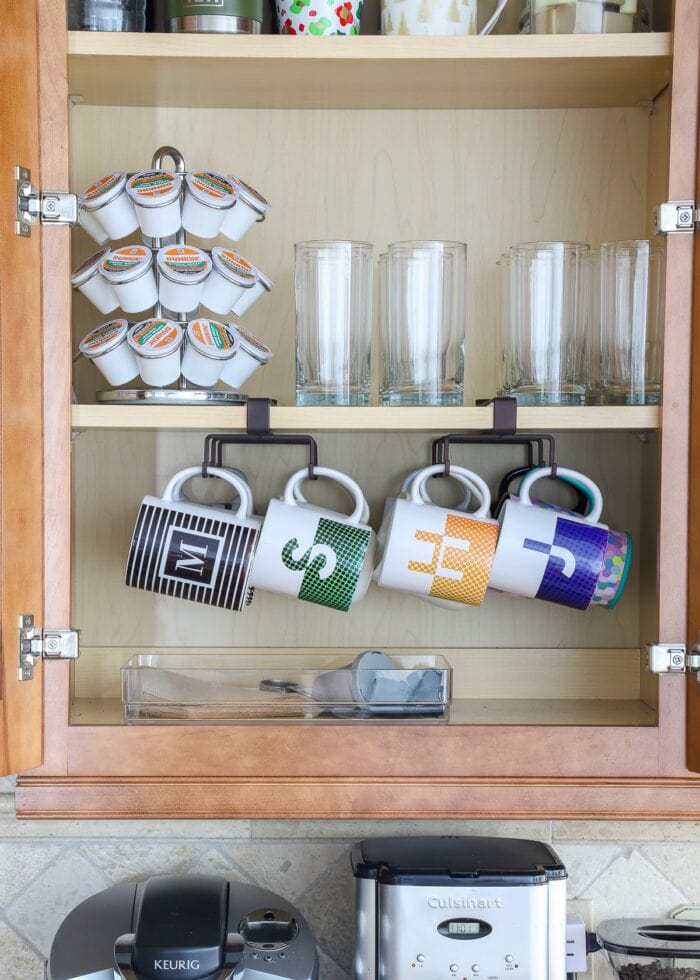
- Under-shelf hooks: These slide onto your existing shelf, letting you hang mugs by their handles.
- Mug trees: Small stands that hold mugs upright. Good for open shelves or corner cabinets.
Here’s a quick glance at organizer types:
| Organizer Type | Space Gained | Best For | Price Range |
|---|---|---|---|
| Shelf riser | Up to 50% more | Standard cabinets | $8–$20 |
| Under-shelf hook | 30–40% | Mugs with handles | $5–$15 |
| Mug tree | Varies | Open shelves, corners | $10–$25 |
Most organizers are easy to install—no tools needed. Just make sure they fit your cabinet’s size.
Arranging By Size, Color, Or Use
How you group mugs can also help you stay organized.
- By size: Place large mugs together and small mugs together. This prevents tipping and makes stacking safer.
- By color: Some people love a rainbow effect. Line up mugs by color for a cheerful look.
- By use: Put daily mugs in front and special ones in back. If you have kids, keep their mugs on a lower shelf.
A non-obvious tip: If you have tall travel mugs, store them upright in a corner or on the bottom shelf where there’s more height.
Labeling And Zones
Labeling isn’t just for big families or offices. Simple labels or sticky notes can remind everyone where mugs go. Create zones for:
- Everyday use
- Guests
- Kids
- Travel mugs
Zones help everyone in the house put mugs back in the right place, keeping the cabinet neat.
Step-by-step Mug Organization
Let’s put everything together into clear steps.
- Sort and select: Keep only the mugs you use and love.
- Clean and measure: Wipe the cabinet and measure space.
- Choose your method: Decide on stacking, hanging, or lining up—or a mix.
- Add organizers: Place shelf risers, hooks, or mug trees if needed.
- Arrange mugs: Put mugs in by size, color, or use, following your chosen method.
- Label zones: Add labels if needed, especially for families or roommates.
- Test access: Open and close the cabinet, and take mugs out to check if it’s easy.
- Adjust as needed: Move things around until you’re happy with the look and feel.
A practical insight: Always leave a little extra space. You may get new mugs, or need to fit in a travel mug someday.
Organizing For Different Kitchen Types
Every kitchen is unique. Here’s how to adjust your strategy:
Small Kitchens
- Use under-shelf hooks to hang mugs and free up shelf space.
- Stack mugs if they are sturdy, or store them two rows deep if the shelf is deep.
- Store rarely used mugs outside the kitchen—like in a box in the pantry.
Large Kitchens
- Dedicate a full shelf or two to mugs.
- Use shelf risers to double space for collections.
- Show off beautiful mugs on open shelves or a mug tree.
Open Shelving
- Select your prettiest mugs for display.
- Keep groups of 3 or 5 mugs for a balanced look.
- Dust shelves often, since open shelves collect dust.
Families With Children
- Place kids’ mugs on a lower shelf.
- Use plastic or unbreakable mugs for children.
- Label shelves to teach kids where mugs belong.
Minimalist Homes
- Keep only 1–2 mugs per person.
- Store mugs in a single line, with handles facing the same way.
- Donate or store extra mugs out of sight.
How To Store Special Mugs
Some mugs are more than just cups—they’re souvenirs, gifts, or expensive pieces. Here’s how to keep them safe.
- Fragile mugs: Store on a separate shelf, not stacked or hung. Use a shelf liner for extra protection.
- Collector mugs: Display in a glass cabinet or on a dedicated rack.
- Seasonal mugs: Store in boxes out of the kitchen when not in use (for example, Christmas mugs).
A common mistake is stacking delicate mugs, which can lead to chips or cracks. Always handle special mugs with extra care.
Keeping Your Mug Cabinet Organized
It’s easy to organize mugs once, but keeping them neat is the real challenge. Here’s how to stay organized:
- Return after use: Always put mugs back in their designated spot.
- Limit new mugs: For every new mug you buy, consider donating one old mug.
- Monthly check: Every month, scan your cabinet. Remove any mugs you’re not using.
- Family rules: Teach everyone in your home where mugs go. Labels help.
- Avoid overfilling: If mugs are crowded, it’s time to declutter.
One non-obvious insight: Place a small tray under mugs to catch drips and make cleaning easier.

Credit: bellaorganizing.com
Creative Mug Organization Ideas
Sometimes, the best solutions are a little unusual. Here are some creative ideas to inspire you.
- Use a spice rack: A multi-level spice rack can hold mugs at different heights.
- Hang mugs under shelves: Add screw-in hooks under open shelves for a café look.
- Install a rail: A towel bar or curtain rod with S-hooks lets you hang mugs in a row.
- Repurpose a wine rack: Some wine racks fit mugs perfectly. Place mugs upside-down for stability.
- Use baskets: Store small mugs in wire baskets inside the cabinet.
These ideas can add style to your kitchen and make mug organization more fun.
Mistakes To Avoid
It’s easy to make mistakes when organizing mugs. Here are common errors and how to avoid them:
- Overstacking: Too many mugs stacked together can chip or break. Stack only sturdy mugs, and keep stacks short.
- Ignoring handles: Mugs with big handles need more space. Place them so handles don’t bump into each other.
- Mixing fragile with heavy mugs: Keep delicate mugs separate from heavy ones to avoid damage.
- Using the wrong organizer: Not all organizers fit every cabinet. Measure before you buy.
- Not decluttering: Holding onto every mug creates clutter. Be honest about what you use.
A practical tip: Take a photo of your organized cabinet. If things get messy, use the photo as a guide to reset the order.
Comparing Mug Organization Products
There are many products on the market. Here’s a simple comparison to help you choose:
| Product | Capacity | Installation | Durability | Price Range |
|---|---|---|---|---|
| Wire under-shelf hook | 4–6 mugs | Slides on | High | $7–$15 |
| Stackable shelf riser | 8–12 mugs | No tools | Medium | $10–$18 |
| Mug tree | 6–8 mugs | Freestanding | High | $12–$25 |
| Screw-in hooks | Varies | Requires tools | Very high | $3–$10 |
Always read reviews and check measurements before buying any product. Some mugs are wider or taller than average.
Real-life Example: Organizing A Family Mug Cabinet
Let’s look at a real example. The Clark family has four people, each with their own favorite mugs, plus a collection for guests and kids.
- They removed 25 mugs from their cabinet and decided to keep 10.
- They used a shelf riser to create two levels, placing daily mugs below and guest mugs above.
- Kids’ mugs went on a lower shelf, easy for little hands to reach.
- They labeled each section with sticky notes.
- The family agreed that each person could own 2 mugs—one for home, one for travel.
Now, the Clark family finds mugs easily, and their kitchen looks tidier.
Credit: smallishhome.com
How To Clean And Care For Mugs
A clean mug is just as important as an organized one. Here’s how to keep your mugs looking great:
- Wash after use: Don’t let coffee or tea stains set. Rinse mugs right after drinking.
- Dishwasher safe? : Check the bottom. Some mugs are not safe for dishwashers.
- Deep clean: For stains, fill the mug with hot water and a spoon of baking soda. Let sit 15 minutes, then scrub.
- Handle with care: When loading or unloading from the cabinet, avoid banging mugs together.
An extra tip: Rotate mugs regularly so all get used and stay clean.
Eco-friendly Mug Management
Organizing mugs can also be a chance to help the planet.
- Donate unused mugs to charity or give away to friends.
- Recycle broken mugs if possible. Some recycling centers accept ceramics.
- Choose sustainable materials when buying new mugs—look for glass, ceramic, or bamboo.
For more tips on recycling ceramics, see this Wikipedia article on ceramics.
Credit: thehomesihavemade.com
Frequently Asked Questions
How Many Mugs Should I Keep In My Cabinet?
Most people need only 1 or 2 mugs per person in the house. If you have guests often, keep a few extras. Too many mugs create clutter and make it hard to find your favorites.
What Is The Safest Way To Stack Mugs?
Stack only mugs that are thick and sturdy. Place the largest mug on the bottom. Never stack more than 2 or 3 mugs to avoid chipping. Do not stack delicate or uniquely shaped mugs.
Are Hanging Hooks Safe For All Mugs?
Hooks are safe for most mugs with strong handles. Avoid using hooks for old, thin, or valuable mugs, as handles can break over time. Make sure hooks are installed securely.
How Do I Store Mugs If My Cabinet Is Very Small?
Use under-shelf hooks to hang mugs, or add a small shelf riser to double your space. Store rarely used mugs elsewhere. For very tight spaces, consider a mug tree on the counter.
What Should I Do With Mugs I Don’t Use?
Donate them to charity, give them to friends, or recycle if broken. Keeping only the mugs you love and use helps keep your cabinet neat and makes daily life easier.
—
Organizing mugs in your cabinet is a simple way to improve your kitchen and your daily routine. With a little effort, you can protect your favorite mugs, save space, and enjoy a more organized home. Whether you have a few mugs or a large collection, these steps and tips will help you create a system that lasts.
So open that cabinet, get started, and enjoy your morning coffee with a smile!