
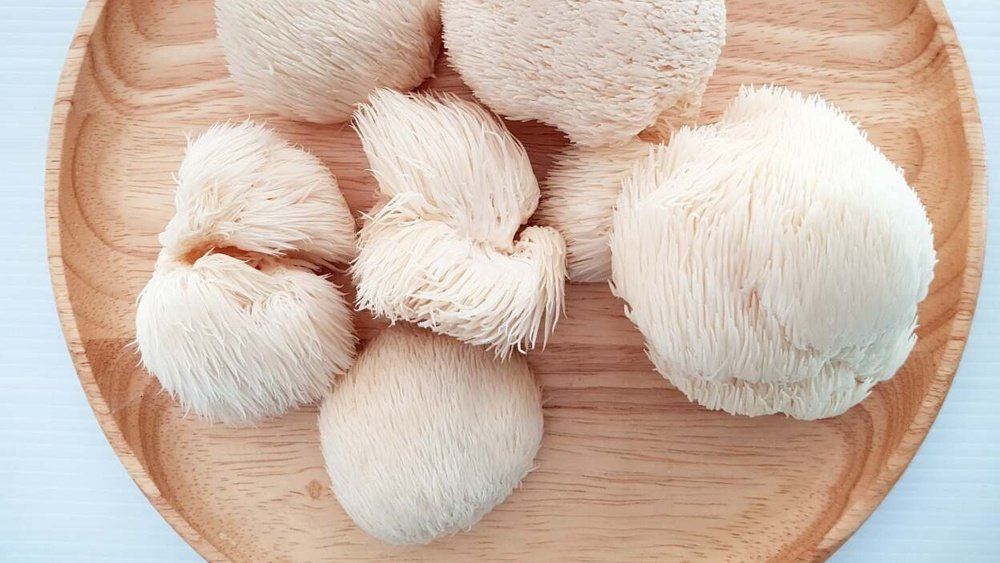
Lions mane mushrooms are not only beautiful to look at, but also highly valued for their taste and health benefits. If you’ve ever brought home a fresh harvest of lions mane mushrooms, you know they can spoil quickly if not stored properly. Whether you grow them yourself, forage in the wild, or buy them from a market, learning how to store lions mane mushrooms helps you enjoy their unique flavor and texture for much longer.
Many people waste lions mane simply because they don’t know the right storage methods. A little knowledge can prevent loss, extend freshness, and even preserve nutrients. In this complete guide, you’ll discover the best ways to store lions mane mushrooms, why each method works, and practical tips even experienced mushroom lovers often miss.
We’ll also cover common mistakes, how to prepare mushrooms for storage, and solutions for different needs—short-term, long-term, and everything in between.
Understanding Lions Mane Mushrooms
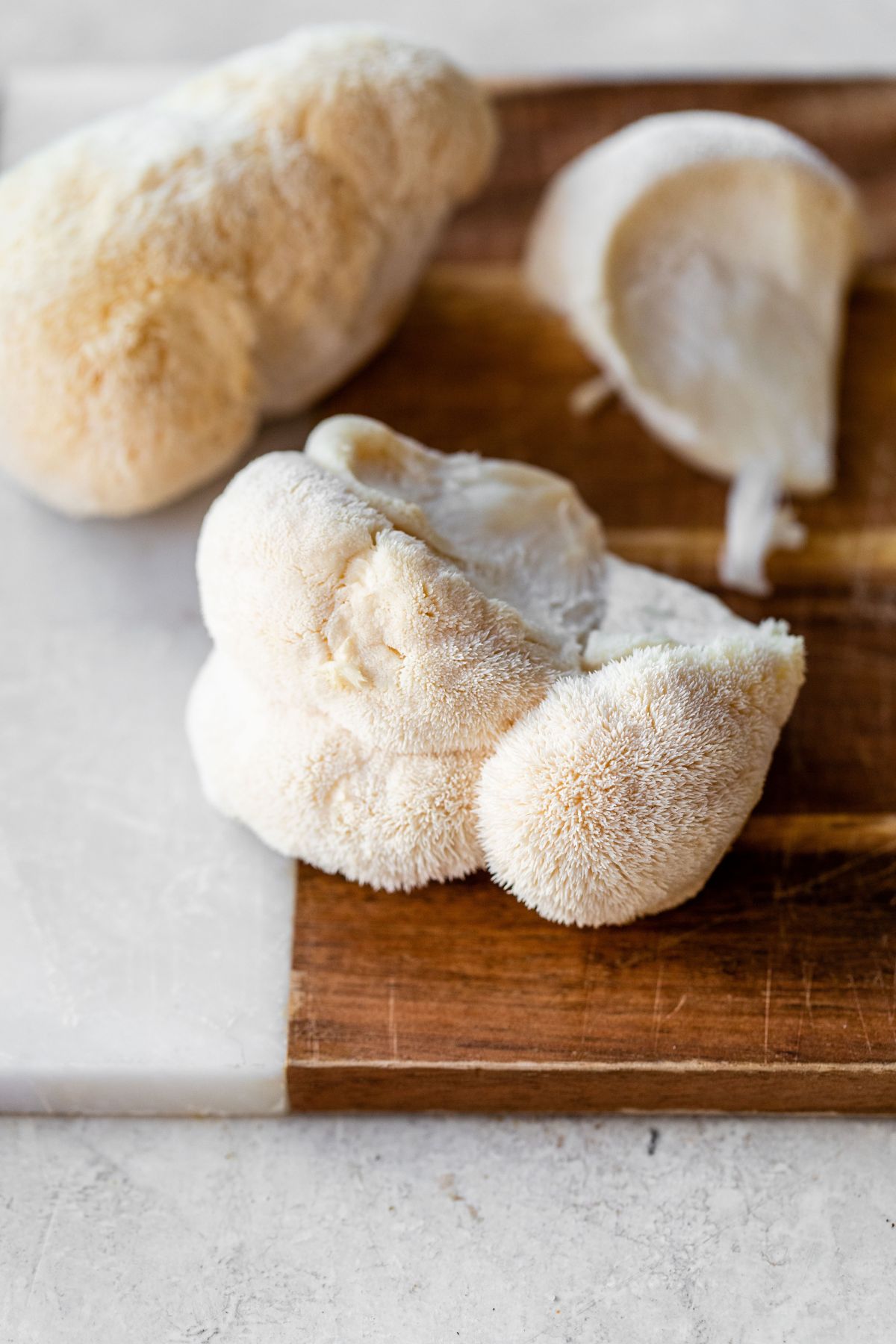
Lions mane mushrooms, known scientifically as Hericium erinaceus, are easily recognized by their shaggy, white appearance. Their texture is tender, sometimes compared to crab or lobster meat. They contain compounds believed to support brain health and the immune system. However, their delicate structure means they are much more perishable than common button mushrooms.
Unlike firmer varieties, lions mane mushrooms bruise easily and contain more moisture. This makes proper storage essential to avoid sliminess, spoilage, or loss of the fine taste and nutrients. Understanding their characteristics helps you choose the best storage method.
Key Principles Of Storing Lions Mane Mushrooms
Before looking at specific methods, it’s helpful to know what really matters:
- Moisture control: Excess moisture causes mushrooms to spoil quickly. At the same time, too little moisture makes them dry and tough.
- Airflow: Fresh mushrooms need some airflow to prevent condensation and mold.
- Temperature: Cool, stable temperatures slow down spoilage and bacterial growth.
- Cleanliness: Dirt and debris can carry microbes that speed up decay.
A mistake many people make is storing lions mane mushrooms in sealed plastic bags. This traps moisture and quickly turns them into a slimy mess. Using proper materials and methods can keep your mushrooms fresh for days, or even months.
Preparing Lions Mane Mushrooms For Storage
How you handle mushrooms before storing them affects their shelf life. Follow these steps for best results:
- Inspect and sort: Check each mushroom for bruises or signs of rot. Use the most fragile pieces first.
- Clean gently: Use a soft brush or dry paper towel to remove dirt. Avoid washing unless absolutely needed; water can cause fast spoilage.
- Trim ends: Remove any tough or woody parts at the base.
- Cut large pieces: If mushrooms are very large, slice them into manageable sections for even storage.
If you must wash them, do so quickly and dry thoroughly with a clean towel. Excess surface water is the main cause of fast spoilage.
Short-term Storage: Keeping Mushrooms Fresh For Days
If you plan to use your lions mane mushrooms within a week, short-term storage methods are best. Here’s how to keep them fresh:
Paper Bag Method
This is the simplest and most reliable way for short-term storage.
- Place the cleaned mushrooms in a brown paper bag.
- Fold the top loosely to allow some air in.
- Store the bag in the main compartment of your refrigerator—not the crisper drawer.
The paper absorbs excess moisture and allows for airflow. This method keeps lions mane mushrooms fresh for about 4–7 days.
Cloth Or Mesh Bag Method
For slightly longer freshness:
- Use a clean cloth or mesh produce bag.
- Place mushrooms inside and store in the refrigerator.
This approach works well if your fridge is not very humid. It prevents sweating and mold, but check daily for drying or soft spots.
Open Container With Towel
If you don’t have paper or mesh bags:
- Line a shallow container with a paper towel.
- Place mushrooms in a single layer.
- Cover loosely with another towel or leave uncovered.
This method allows air flow and absorbs moisture, but mushrooms may dry out faster. Use within 3–5 days for best quality.
Storing Sliced Vs. Whole Mushrooms
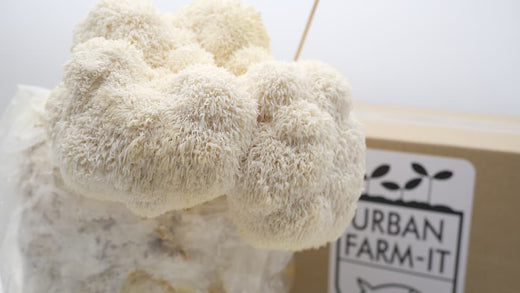
Whole lions mane mushrooms last longer than sliced ones because the exposed surfaces dry out faster. If you need to slice mushrooms for a recipe, store them in a covered container with a paper towel and use within 2–3 days.
Credit: urbanfarmproduce.com
Medium-term Storage: Extending Shelf Life For Weeks
Sometimes you want to keep lions mane mushrooms for more than a week, but not months. These methods can extend their shelf life without major loss in flavor or texture.
Refrigeration With Proper Wrapping
- Wrap mushrooms in a dry paper towel.
- Place inside a partially open plastic bag or container.
- Store in the refrigerator, ideally at temperatures between 34°F and 38°F (1°C to 3°C).
This balances moisture and airflow, slowing down spoilage. Mushrooms can last up to 2 weeks, but check regularly for soft spots or mold.
Vacuum Sealing (short-term)
Vacuum sealing removes air, slowing down oxidation and mold. However, for fresh lions mane, it can also trap moisture and cause slime if not done carefully. If you try this method:
- Use a perforated vacuum bag or place a paper towel inside the bag to absorb moisture.
- Store sealed bags in the refrigerator.
- Open the bag every few days to check for condensation.
Vacuum sealing works best for pre-cooked mushrooms, as explained later.
Using The Crisper Drawer
The crisper drawer is designed to control humidity. For mushrooms, set it to the lowest humidity setting (if adjustable). Place mushrooms in a paper bag or open container, not directly on the plastic surface.
Long-term Storage: Preserving Mushrooms For Months
If you have a large harvest or want to enjoy lions mane mushrooms out of season, long-term storage is possible. These methods require more preparation, but can keep mushrooms usable for months.
Freezing Lions Mane Mushrooms
Freezing is a popular method, but lions mane mushrooms contain a lot of water, which can affect texture. To avoid mushiness, always cook or blanch them first.
How To Freeze Cooked Mushrooms
- Clean and slice mushrooms.
- Sauté in a pan with a little oil or butter until water is released and evaporates (about 5–7 minutes).
- Cool completely.
- Pack into freezer-safe bags or containers. Remove as much air as possible.
- Label with the date.
Frozen cooked lions mane mushrooms last for up to 6 months. They are best used in cooked dishes, as texture changes after freezing.
Blanching Before Freezing
Some people prefer to blanch mushrooms:
- Bring a pot of water to a boil.
- Drop in mushroom pieces for 1–2 minutes.
- Remove and plunge into ice water to stop cooking.
- Dry thoroughly and freeze as above.
Blanching can preserve more texture, but sautéing adds flavor and reduces water.
Drying Lions Mane Mushrooms
Drying is one of the oldest and most effective storage techniques. Dried mushrooms can last a year or more, retaining much of their flavor and nutrition.
Air Drying
- Slice mushrooms into 1/4-inch thick pieces.
- Spread in a single layer on a clean rack or screen in a warm, dry, well-ventilated place.
- Turn pieces daily until completely dry (usually 3–7 days depending on humidity).
Using A Dehydrator
- Set dehydrator to 110°F–120°F (43°C–49°C).
- Arrange mushroom pieces on trays.
- Dry for 6–12 hours until pieces are brittle.
Once dried, store in airtight containers in a dark, cool place. Dried lions mane mushrooms can be rehydrated by soaking in hot water for 20–30 minutes before use.
Oven Drying
- Place slices on a baking sheet.
- Set oven to its lowest temperature (usually 170°F or 77°C).
- Prop oven door open slightly for airflow.
- Dry for 2–4 hours, checking regularly.
This method works but can be less energy-efficient than a dehydrator.
Pickling Lions Mane Mushrooms
Pickling preserves mushrooms and gives a tangy flavor.
- Clean and slice mushrooms.
- Blanch in boiling water for 2–3 minutes.
- Drain and pack into sterilized jars.
- Cover with hot pickling brine (vinegar, water, salt, and spices).
- Seal jars and store in the refrigerator.
Pickled lions mane mushrooms last up to 2 months in the fridge. They are tasty in salads, sandwiches, or as a side dish.
Making Lions Mane Mushroom Powder
For maximum shelf life and convenience, you can make powder:
- Dry mushrooms as above.
- Grind into a fine powder using a blender or spice grinder.
- Store in a sealed jar in a cool, dark place.
Powdered lions mane is perfect for adding to soups, smoothies, or coffee. It can last a year or more if kept dry.
Comparing Storage Methods
To help you choose, here’s a quick comparison of key storage methods:
| Method | Preparation Needed | Shelf Life | Best For | Drawbacks |
|---|---|---|---|---|
| Paper Bag (Fridge) | Minimal | 4–7 days | Short-term use | Not for large quantities |
| Freezing (Cooked) | Sauté or blanch | Up to 6 months | Long-term, cooked dishes | Texture changes |
| Drying | Slice and dry | 6–12 months | Soups, powders | Requires equipment/time |
| Pickling | Blanch, pack in brine | Up to 2 months | Salads, snacks | Flavor changes |
Common Mistakes And How To Avoid Them
Even experienced cooks sometimes make mistakes with lions mane mushrooms. Here’s what to watch out for:
- Storing in sealed plastic bags: This traps moisture and causes quick spoilage.
- Washing mushrooms before storage: Water gets trapped and speeds up decay.
- Forgetting to check stored mushrooms: Mold can spread quickly from one piece to another.
- Not labeling frozen or dried mushrooms: It’s easy to forget how old something is in the freezer or pantry.
- Ignoring temperature changes: Warm spots in the fridge (like the door) can shorten shelf life.
If you want your mushrooms to last, always check stored mushrooms every few days, especially if using less common storage methods.
Credit: cleananddelicious.com
Storing Cultivated Vs. Wild-harvested Mushrooms
Wild-harvested lions mane mushrooms can carry more dirt, insects, or bacteria than cultivated ones. Always:
- Inspect carefully for bugs and debris.
- Store wild mushrooms separately from cultivated ones.
- Use wild mushrooms sooner, as they tend to spoil faster.
Cultivated mushrooms are usually cleaner and more consistent in quality, making storage easier.
When To Discard Lions Mane Mushrooms
No matter the method, mushrooms eventually go bad. Discard them if you notice:
- Sliminess or wet spots
- Strong sour or rotten smell
- Dark spots or mold growth
- Shriveled or leathery texture (if not intentionally dried)
Consuming spoiled mushrooms can cause illness. When in doubt, throw them out.
Storage For Different Uses
For Cooking
If you plan to cook with lions mane mushrooms soon, keep them in the fridge using the paper bag or open container method. For soups and stews, dried or frozen mushrooms work well.
For Supplements
Lions mane mushroom powder is a popular supplement. Dry and grind mushrooms for easy storage and use.
For Gifts
If sharing mushrooms with friends or family, dried lions mane mushrooms or powder are the safest for mailing or gifting. Fresh mushrooms are best for local use only.
Practical Tips And Non-obvious Insights
- Place a small piece of dry paper towel inside storage bags or containers to absorb moisture and extend freshness.
- If you notice mushrooms starting to soften, cook or dry them immediately to prevent total loss.
- For maximum nutritional value, dry mushrooms at lower temperatures (below 120°F/49°C).
- Don’t store mushrooms near foods with strong odors (onions, garlic)—they absorb smells easily.
- If you use vacuum sealing, freeze the sealed bags right away. Don’t keep them sealed at room temperature.
- Foraged mushrooms should always be identified with 100% certainty before storage. Lions mane has no toxic lookalikes, but mistakes are possible.
- Using silica gel packs in jars of dried mushrooms can prevent accidental moisture from ruining your supply.
Storing Lions Mane Mycelium Or Spawn
If you grow your own lions mane mushrooms, you might need to store mycelium or spawn. These need different care:
- Store spawn in sterilized, sealed bags in the refrigerator.
- Keep temperatures steady (35°F–40°F or 1.5°C–4.5°C).
- Avoid freezing, which can kill live mycelium.
Stored correctly, lions mane spawn can last several months for future growing projects.
Shelf Life Of Lions Mane Mushrooms By Storage Method
For easy reference, here’s a summary table:
| Storage Method | Expected Shelf Life |
|---|---|
| Paper or Cloth Bag (Fridge) | 4–7 days |
| Vacuum Sealed (Fridge) | 1–2 weeks |
| Frozen (Cooked) | Up to 6 months |
| Dried | 6–12 months |
| Pickled (Fridge) | Up to 2 months |
| Mushroom Powder | 12+ months |
Real-world Example: Storing A Large Harvest
Suppose you have 10 pounds of fresh lions mane mushrooms after a big foraging trip. Here’s an efficient plan:
- Eat or cook with 1–2 pounds in the first few days (paper bag in fridge).
- Freeze 3–4 pounds by sautéing and packing in freezer bags.
- Dry 3–4 pounds in a dehydrator for long-term use.
- Pickle 1 pound for salads and snacks.
This way, you enjoy lions mane mushrooms fresh, cooked, and preserved—no waste, and plenty for later.
Where To Learn More
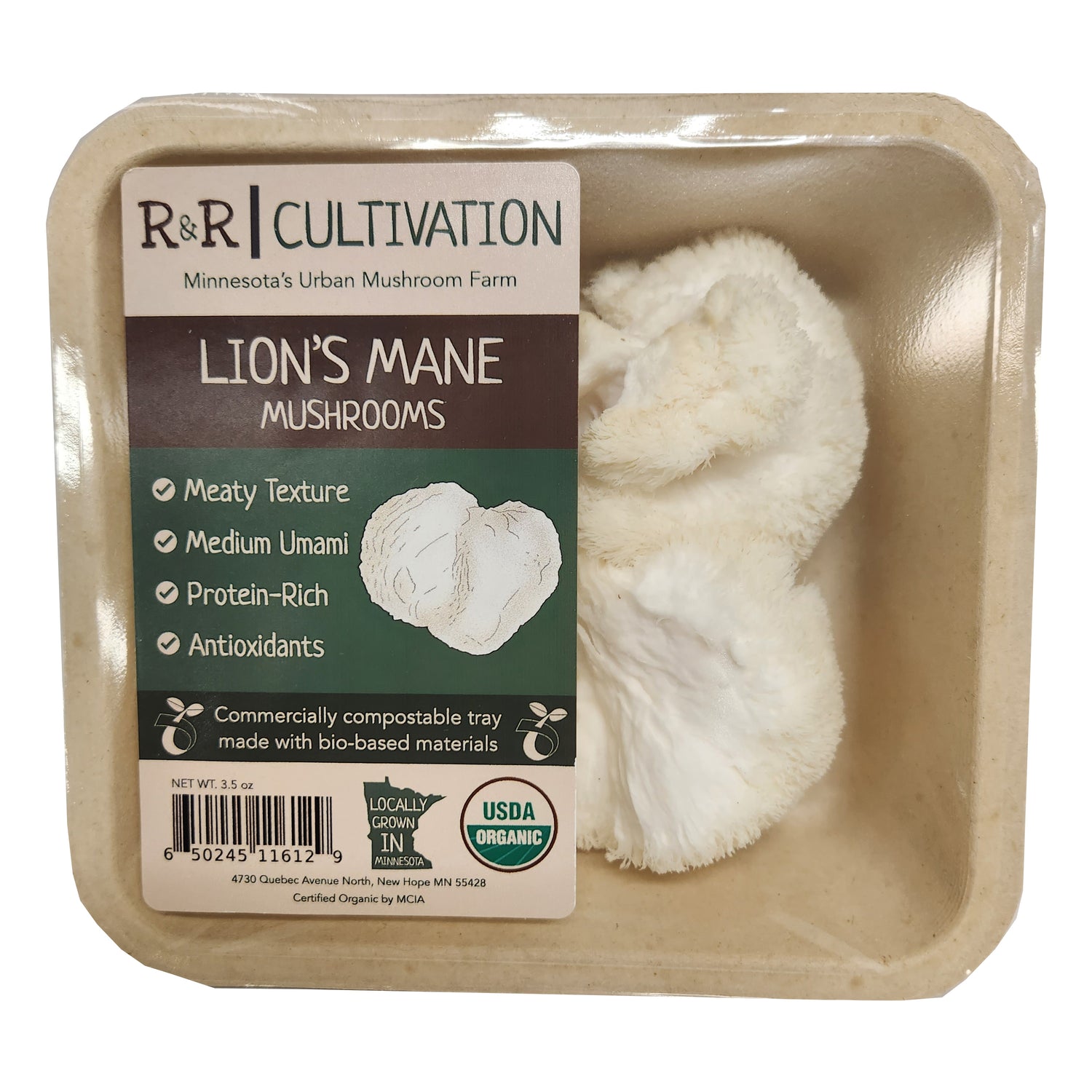
If you want to dive deeper into mushroom preservation, the National Center for Home Food Preservation is a trustworthy resource for detailed guides on safe food storage and home canning. For more on lions mane mushroom health benefits and cooking ideas, check out Wikipedia.
Credit: rrcultivation.com
Frequently Asked Questions
How Do I Know If My Lions Mane Mushrooms Have Gone Bad?
If you see slimy spots, smell a sour or rotten odor, or notice mold or discoloration, it’s time to throw them away. Fresh lions mane mushrooms should smell earthy and have a firm, dry texture.
Can I Store Lions Mane Mushrooms With Other Types Of Mushrooms?
It’s better to store lions mane mushrooms separately. They have different moisture needs and spoil at different rates. Storing them together can cause faster spoilage for both.
Is It Safe To Eat Dried Lions Mane Mushrooms Raw?
Dried mushrooms should be re-hydrated before eating and are usually cooked. Some people grind dried mushrooms into powder for supplements, but for meals, soaking and cooking is best for flavor and safety.
Does Freezing Lions Mane Mushrooms Destroy Their Nutrients?
Freezing can change texture but most nutrients are preserved, especially if mushrooms are cooked before freezing. To keep the most nutrition, don’t freeze raw—blanch or sauté first.
What’s The Best Way To Make Lions Mane Mushroom Powder At Home?
First, dry the mushrooms completely using a dehydrator or air drying. Then grind in a spice grinder or blender until fine. Store in an airtight jar away from light and moisture for best quality.
Storing lions mane mushrooms well means you can enjoy this special ingredient for months, not days. A little effort and the right method can make a big difference—ensuring nothing goes to waste and your meals are full of flavor and nutrition.