
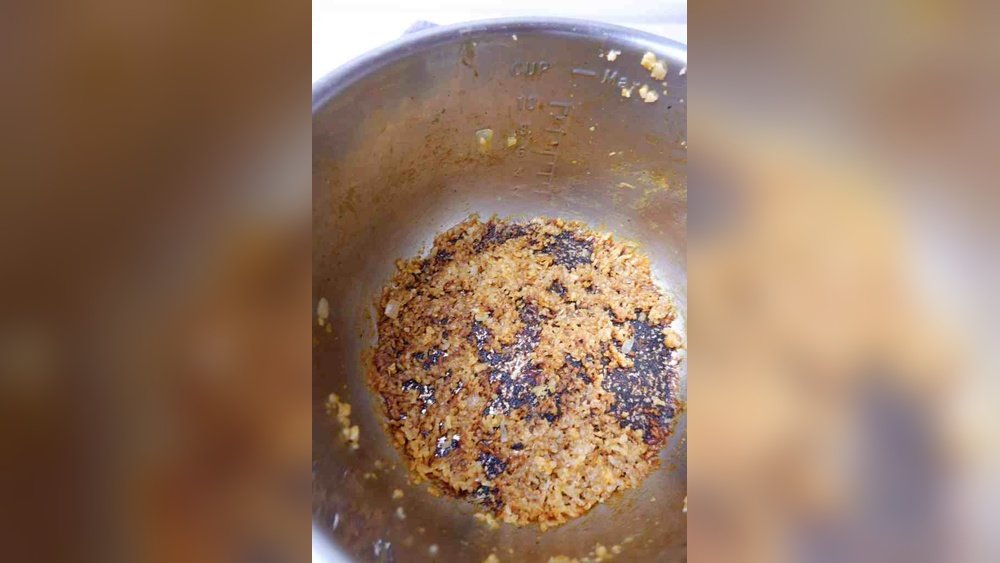
Pressure cookers have changed the way we cook, making meals faster and often tastier. But there’s one common problem that frustrates many home cooks: food burning on the bottom. If you’ve ever opened your pressure cooker and found scorched rice, stuck beans, or a layer of blackened sauce, you’re not alone. This not only ruins the dish but also makes cleaning a pain, and sometimes leaves a burnt smell that’s hard to get rid of.
The good news? You can stop this from happening. With the right techniques, you’ll keep food from sticking or burning, and get the best out of your pressure cooker. This article will break down the real reasons why burning happens, how different cookers and recipes play a role, and—most importantly—what you can do about it.
We’ll cover practical steps, share expert tips, and give you solutions even experienced cooks sometimes overlook.
Let’s make your pressure cooker meals stress-free, flavorful, and easy to clean.
Why Does Food Burn In Pressure Cookers?
Understanding why burning happens is the first step to stopping it. Pressure cookers work by building steam pressure inside a sealed pot, which raises the boiling point of water. This means food cooks faster and often with less water. However, this same process can also cause burning if you’re not careful.
Several key reasons for burning are:
- Insufficient liquid: Pressure cookers need enough water to generate steam. Without enough liquid, the food sits directly on the hot base, leading to sticking and burning.
- Thick sauces or starchy foods: Dishes with tomato paste, cream, or starch (like rice or beans) can settle at the bottom and burn.
- Layering mistakes: Putting dense or sticky ingredients at the bottom without any buffer (like broth or oil) makes scorching more likely.
- High heat or wrong settings: Cooking on too high a temperature, or choosing the wrong mode for your food, can cause food to burn.
- Overfilling: Too much food means steam can’t circulate, and parts of your meal may get burnt.
- Food debris or old residue: Leftover bits from previous meals can char during cooking, even if your new recipe is fine.
These causes can happen with both stovetop and electric pressure cookers, but some models are more forgiving than others. Next, we’ll look at how to avoid all these mistakes.
Choosing The Right Pressure Cooker For Burn Prevention
Not all pressure cookers are created equal. The design, material, and features can make a huge difference in how likely you are to end up with burnt food.
Stainless Steel Vs Non-stick Inner Pots
Most modern electric pressure cookers offer two types of inner pots: stainless steel and non-stick.
| Feature | Stainless Steel Pot | Non-Stick Pot |
|---|---|---|
| Durability | Very High | Medium |
| Ease of Cleaning | Can be tougher | Easy |
| Food Sticking | Common if not careful | Less likely |
| Health Concerns | Safe for all foods | Some coatings may wear |
Stainless steel pots are durable and safe, but more likely to cause sticking, especially for rice or thick sauces if you don’t follow best practices. Non-stick pots are easier to clean and less likely to burn food, but the coating can wear out over time, especially if you use metal utensils.
Electric Vs Stovetop Cookers
Electric pressure cookers (like Instant Pot) often have built-in “burn” warnings and more even heat. They’re safer for beginners, but can still burn food if you don’t add enough liquid or scrape the pot well.
Stovetop pressure cookers heat up faster and reach higher pressures, but require more attention. It’s easier to use too much heat, causing food to burn quickly.
Features That Help Prevent Burning
Some cookers have special features to help prevent burning, such as:
- Burn warning sensors: Alerts you before food gets burnt.
- Preset cooking programs: Adjusts heat automatically for rice, beans, or soup.
- Thicker pot base: Distributes heat more evenly.
If you’re shopping for a new pressure cooker, look for these features. They won’t fix all problems, but they give you more leeway.

Credit: cooking.stackexchange.com
The Right Way To Add Liquids
One of the most important rules: Always use enough liquid. Pressure cookers create steam to build pressure, and if there’s not enough water, food will stick and burn.
Minimum Liquid Requirements
Each pressure cooker has a minimum liquid requirement—usually between 1 to 2 cups (about 250–500 ml), depending on the size and model. Check your user manual for the exact amount.
If you’re cooking foods that absorb water (like rice, lentils, or beans), you’ll need even more liquid.
What Counts As “liquid”?
Water is the safest option, but broth, stock, or even thin coconut milk can work. Avoid thick sauces, tomato paste, or condensed soups as your only liquid—these can scorch easily.
For example, if a recipe calls for 2 cups of liquid, but you want to use tomato sauce, use 1. 5 cups water or broth and only 0. 5 cup tomato sauce.
Layering Ingredients Properly
Always put the liquid at the bottom, then layer solid ingredients on top. Never put sticky or starchy foods (like rice, beans, or pasta) directly on the base.
How To Layer Ingredients To Avoid Burning
The way you stack your ingredients matters. This is a step many new users miss, but it makes a big difference.
- Liquid first: Always start with water, broth, or another thin liquid.
- Dense or sticky foods next: Beans, rice, or thick sauces go on top of the liquid, never touching the bottom.
- Vegetables and meats: Place these above the grains and sauces.
- Do not stir after layering: Mixing everything together before cooking can cause dense foods to sink, leading to burning.
Here’s an example for chili: Add broth first, then beans, tomatoes, and finally ground beef. Don’t stir before closing the lid.
Adjusting Heat And Cooking Time
Many people set their pressure cooker to “high” and walk away, but this isn’t always best. Some foods need lower pressure, less time, or a combination of both.
When To Use Low Vs High Pressure
- Delicate foods (fish, eggs, some vegetables): Use low pressure to avoid burning.
- Starchy foods (rice, oats, beans): Use high pressure, but for a short time.
Cooking Time Comparison
| Food | High Pressure (minutes) | Low Pressure (minutes) |
|---|---|---|
| White Rice | 3–4 | 6–8 |
| Chicken Breast | 6–8 | 12–15 |
| Beans | 20–25 | 35–40 |
| Steamed Veggies | 0–2 | 3–4 |
Reducing time can help avoid burning, especially if you’re using a recipe not designed for pressure cooking.
Pre-saute And Deglazing
Many pressure cookers have a saute function. Browning onions, garlic, or meat before pressure cooking adds flavor, but leaves bits stuck to the pot. These bits (called fond) can burn.
Always deglaze: After sauteing, add a splash of water or broth and scrape the bottom with a wooden spoon before closing the lid.
Avoiding Burn With Starchy Foods
Starchy foods like rice, pasta, and beans are the most likely to burn. Here’s how to cook them safely:
Rice
- Rinse rice until water runs clear. This removes extra starch that can stick and burn.
- Use the right liquid-to-rice ratio. For white rice, about 1: 1.25 (rice to water) works well in most pressure cookers.
- Never use only thick sauces or milk as liquid.
Beans And Lentils
- Soak beans overnight if possible. This helps them cook evenly and prevents sticking.
- Add enough liquid—usually at least 3 cups per cup of dry beans.
- Don’t use tomato or sugary sauces as the only liquid.
Pasta
- Break long pasta in half, layer it in a crisscross pattern, and cover with enough water.
- Do not stir pasta with sauce before cooking; add sauce on top, not the bottom.
Here’s a practical example: To make pressure cooker mac and cheese, add water first, then pasta, and cheese sauce after cooking.
Using Pot-in-pot (pip) Cooking
Pot-in-pot (PIP) is a technique that can almost eliminate burning, especially for tricky recipes.
How Pip Works
You put water in the main pressure cooker pot, then place a smaller, heat-safe dish (like a metal or glass bowl) with your food on a trivet inside. The steam cooks the food gently, and nothing touches the base.
When To Use Pip
- For delicate foods (cakes, puddings, custards)
- Dishes with little or no added liquid
- Reheating leftovers
Example Of Pip Cooking
To cook rice with no burning:
- Pour 1 cup water in the main cooker.
- Place a trivet.
- Add rinsed rice and water (in the right ratio) into a separate bowl.
- Set the bowl on the trivet and pressure cook.
This method is almost foolproof for rice, casseroles, and desserts.
Cleaning And Maintenance To Prevent Burn
Old food residue is a hidden cause of burning. Even small bits left from past meals can char and cause new dishes to burn or smell.
How To Clean Properly
- Wash the inner pot with a non-abrasive sponge after every use.
- For stubborn stains, soak with hot water and a bit of baking soda before scrubbing.
- Check the heating element and lid for stuck food.
- Remove and clean the sealing ring regularly—it can hold odors and bits of food.
Deep Cleaning
Once a month, do a deep clean:
- Wash all removable parts (lid, sealing ring, steam vent).
- Run a “steam clean” cycle: Add 2 cups water and 1/2 cup vinegar, and set to steam for 5 minutes.
- Let the cooker cool, then rinse and dry thoroughly.
This keeps your cooker working well and prevents burnt smells.
What To Do If You See A Burn Warning
Many modern electric cookers (like Instant Pot) have a burn warning. This means the cooker has detected too much heat at the bottom.
If you see a burn warning:
- Release pressure safely (use quick release).
- Open the lid and check the bottom. If there’s burnt food, scoop it out.
- Add more liquid. If food is stuck, transfer what you can to a clean pot.
- Scrape the bottom clean before restarting.
Never ignore a burn warning—it means your food is at risk.
Common Recipe Mistakes That Cause Burning
Some recipes just don’t work well in pressure cookers, especially if they’re not designed for this cooking method. Here are some common mistakes:
- Using thick sauces (tomato, BBQ, cream) as the only liquid.
- Not adjusting for altitude—higher altitudes need more water.
- Overfilling the cooker past the max line.
- Not rinsing rice or beans before cooking.
- Skipping deglazing after browning meat or onions.
- Trying to cook large, dense items (like a whole roast) with not enough liquid.
Always check if a recipe is tested for pressure cooking.

Credit: www.feistytapas.com
Tools And Accessories That Help Prevent Burning
A few simple tools can make a big difference:
- Trivet: Lifts food above the base, great for PIP cooking.
- Non-stick spray: Lightly oil the pot before adding food, especially for rice or beans.
- Silicone spatula: Safe for scraping the pot without scratching.
- Heat-proof bowls: For pot-in-pot cooking.
- Digital thermometer: Check if meats are done without overcooking.
These don’t guarantee you’ll never have burning, but they make it much less likely.
Comparing Burn Risk: Popular Foods In Pressure Cookers
Some foods are more likely to burn than others. Here’s how common dishes compare:
| Dish | Burn Risk | Best Practice |
|---|---|---|
| Chili | High | Layer, don’t stir, use enough liquid |
| Rice | Medium | Rinse, use correct ratio, PIP if needed |
| Curry | Medium | Thin sauce, layer, don’t stir |
| Steamed Vegetables | Low | Use trivet, add water below |
| Pasta | Medium | Layer pasta, don’t stir, enough water |
| Beef Stew | Low | Brown meat, deglaze, add broth |
Recipes with thick sauces, starchy foods, or high sugar content are most likely to burn.
Non-obvious Tips For Burn Prevention
Most guides repeat the same advice—add liquid, don’t overfill, clean your pot. But here are two insights many beginners miss:
- Let the pressure release naturally for sticky foods: Quick release can cause starchy foods (like rice or beans) to foam up and burn on the base. Letting the pressure come down slowly (natural release) avoids this.
- Salt can increase sticking: Adding salt to water before cooking beans or rice can make them stick more. Add salt after cooking for best results.
When To Open And Stir
Sometimes, you need to stir during cooking—but not always. Here’s a confident rule:
- For single-step recipes (like soups or stews), do not open to stir.
- For multi-step dishes (like risotto or layered casseroles), you may need to open after the first cooking period, stir, add more liquid if needed, then continue.
If you’re unsure, follow the recipe or do a test batch with a small amount first.
Troubleshooting: What To Do If Food Has Burnt
Even if you follow all the rules, mistakes can happen. If you open your cooker and find burnt food:
- Remove any unburnt food on top—don’t scrape the burnt layer into the rest.
- Soak the pot with hot water and baking soda to help loosen burnt bits.
- Clean thoroughly before using again.
- For next time, add more liquid, layer ingredients, and lower the cook time.
- If you smell burnt food but the dish isn’t ruined, quickly transfer to another pot and finish cooking on the stove.
Burnt food can sometimes be saved, but it’s best to prevent it in the first place.
A Note On Safety
Burnt food isn’t just a flavor problem—it can damage your cooker and become a safety risk. Repeated burning can cause:
- Permanent pot damage
- Sensors to fail
- Release valves to clog
Always follow the manufacturer’s guidelines, and never force the lid open if you’re unsure.
Where To Find Reliable Recipes
Many pressure cooker burns are caused by untested recipes found online. For best results:
- Use recipes from your pressure cooker’s manual.
- Try trusted sites (like America’s Test Kitchen or Serious Eats).
- Look for recipes with lots of positive reviews and clear liquid amounts.
If you want to experiment, start with simple soups or stews that are less likely to burn.
The Bottom Line
Pressure cooker burning is a common problem, but it’s not inevitable. If you use enough liquid, layer your ingredients right, adjust heat and time, and keep your cooker clean, you’ll avoid most issues. Try pot-in-pot cooking for tricky dishes, and always deglaze after browning.
If you do see a burn warning, don’t ignore it—stop, add liquid, and clean the base before continuing.
With these strategies, you’ll get all the speed and flavor of pressure cooking—without the burnt mess.
For more technical information about pressure cookers and safety, you can check the Wikipedia page on pressure cooking.

Credit: www.reddit.com
Frequently Asked Questions
What Is The Minimum Liquid I Should Use In My Pressure Cooker?
Most pressure cookers need at least 1 to 2 cups (250–500 ml) of liquid to build pressure safely. Always check your user manual for your model’s exact minimum, and use more if cooking foods that absorb water, like rice or beans.
Why Does My Instant Pot Say “burn” Even When I Follow The Recipe?
The “burn” warning means the cooker senses too much heat at the bottom, often due to thick sauces, not enough liquid, or un-scraped bits after sauteing. Always add enough liquid, layer ingredients, and deglaze after browning to avoid this.
Can I Use Milk, Tomato Sauce, Or Cream As My Cooking Liquid?
No, thick liquids like milk, cream, or tomato sauce should not be your only liquid. They’re prone to burning. Always mix with water or broth, using thin liquids as the main base, and add creamy ingredients after cooking.
How Do I Clean Burnt Food From My Pressure Cooker Pot?
Let the pot soak with hot water and baking soda for at least 30 minutes, then scrub gently with a non-abrasive sponge. Avoid metal scouring pads, which can scratch the pot. Clean all removable parts to prevent burnt smells in future dishes.
Is It Safe To Eat Food If Some Of It Burned In The Cooker?
If only the bottom layer is burnt and the rest is not mixed, you can eat the unburnt part. Don’t scrape burnt bits into the rest of the dish, as the flavor can spread. Always clean your cooker well before reusing.
Pressure cooking should make life easier, not harder. With these tips, you’ll get perfect results, save time, and keep your pressure cooker in top shape. Happy cooking!