
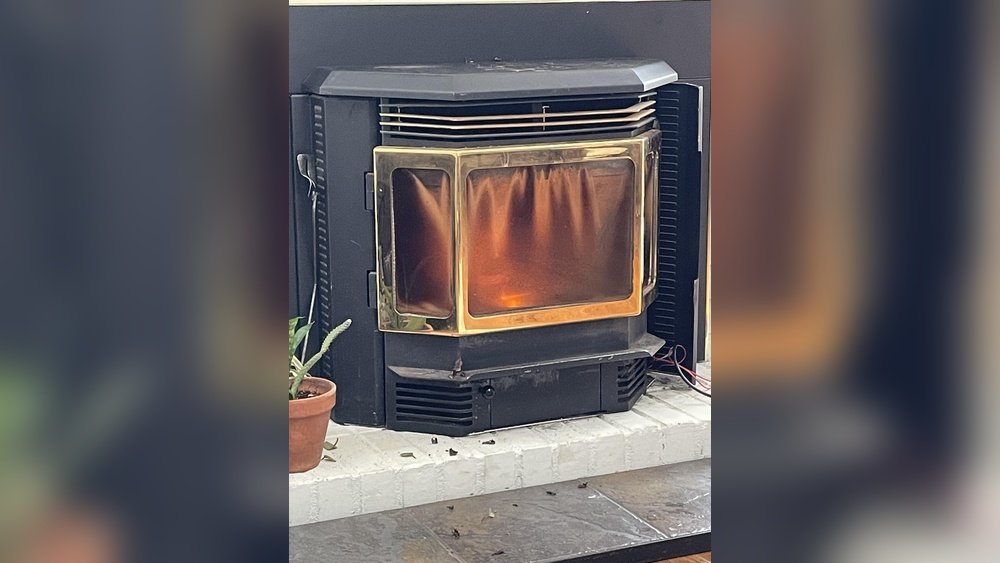
Keeping your pellet stove glass clean is not just about appearances—it’s about safety, efficiency, and enjoying the beauty of the flames. If you own a pellet stove, you know how quickly the glass can become cloudy or blackened. Many new users think dirty glass is normal or that frequent cleaning is unavoidable.
But with the right approach, you can keep your stove glass clear for weeks, sometimes even months, with minimal effort. In this guide, you’ll learn not only how to clean the glass but also how to prevent it from getting dirty so quickly.
You’ll also discover practical tips, common mistakes, and expert advice to make the task easier and safer.
Why Clean Pellet Stove Glass Matters
Many people underestimate the importance of clean glass on their pellet stoves. Clear glass offers several benefits:
- Enjoyment: You can see the flames clearly, which makes the room feel cozier and more inviting.
- Safety: You can spot unusual burn patterns or blockages early.
- Efficiency: Soot or ash buildup can indicate incomplete combustion, wasting pellets and producing more emissions.
- Maintenance: Frequent blackening may hint at deeper issues like airflow problems or poor pellet quality.
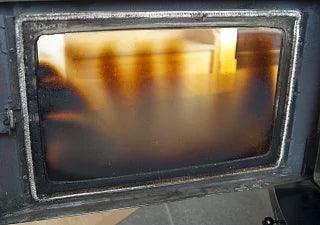
If you’re skipping glass cleaning, you might miss warning signs that your stove needs attention. Also, cleaning becomes much harder if you let the buildup sit for weeks.
What Causes Pellet Stove Glass To Get Dirty?
Understanding why your glass gets dirty is key to keeping it clean longer. The main causes include:
- Low-quality pellets: Cheap pellets produce more ash and soot.
- Incorrect air settings: Poor airflow leads to incomplete burning, making more residue.
- Incorrect stove operation: Overloading or under-firing the stove can cause black glass.
- Poor maintenance: Dirty burn pots, clogged vents, or blocked air inlets contribute to dirty glass.
- Short burn cycles: Frequent starts and stops lead to cooler burns and more soot.
These factors often work together. For example, using low-grade pellets while neglecting vent cleaning almost guarantees rapid glass blackening.
Credit: total-hearth.com
Tools And Materials You’ll Need
Before you start, gather the right supplies. Using the wrong tools can scratch or damage the glass.
Essential tools:
- Soft microfiber cloths
- Wood stove glass cleaner (or vinegar and water)
- Gloves (for safety)
- Spray bottle
- Plastic scraper (never use metal on glass)
- Old newspaper (optional for stubborn spots)
- Bucket of warm water
- Ash vacuum (optional, for cleaning up around the door)
Never use: Abrasive pads, steel wool, or strong chemicals like oven cleaner, as these will damage the glass surface.
How To Clean Pellet Stove Glass: Step-by-step
Cleaning the glass is simple if you follow the right steps and don’t rush the process.
1. Turn Off And Cool Down
Never attempt to clean hot glass. Wait at least 30–60 minutes after shutting off your pellet stove, so the glass is cool to the touch. Cleaning hot glass can result in burns or cracked glass if water is applied.
2. Open The Door Safely
Most pellet stoves have a latch or handle for the glass door. Gently open it, making sure not to bump or force the door, which could loosen the gasket seal.
3. Remove Loose Ash And Soot
Use a dry microfiber cloth to wipe away loose ash. If there’s a lot of debris, a small ash vacuum or brush can help tidy the area before using liquids.
4. Apply Cleaning Solution
Spray a stove glass cleaner or a 50/50 mix of vinegar and water onto the glass. Let it sit for 1–2 minutes. For stubborn spots, you can lay a wet paper towel on the area to soften residue.
5. Wipe And Scrub Gently
Use a soft cloth or crumpled newspaper to gently rub the glass in a circular motion. For thick buildup, a plastic scraper can help, but never use metal tools.
6. Remove Stubborn Stains
If normal cleaning doesn’t remove all spots, dip your cloth in wood ash (from the stove, if available) and use it as a gentle abrasive. This old trick works surprisingly well for hard-to-remove marks.
7. Polish And Inspect
Wipe the glass with a dry, clean cloth until it is clear and streak-free. Inspect for any cracks, chips, or issues with the gasket around the door.
8. Close The Door Securely
Make sure the gasket is seated properly and the latch is fully closed. An improper seal can cause air leaks and dirty glass to return quickly.
Preventing Pellet Stove Glass From Getting Dirty
The best cleaning method is one you rarely need to use. These strategies help keep your glass clean longer.
Use High-quality Pellets
Cheap pellets may save money upfront but cost you time and effort. Look for pellets rated with low ash content (less than 1%). Hardwood pellets usually burn cleaner, but always check the packaging for ash rating.
Adjust Airflow Properly
Your stove’s air settings control combustion quality. Too little air means incomplete burning and more soot on the glass. Too much air can waste heat and blow ash around. Follow the manufacturer’s recommendations and experiment with small adjustments.
Burn Hot For Short Periods
Letting your stove burn at a higher setting for 30–60 minutes every day burns off residue from the glass and combustion chamber. This is called a “hot burn” or “clean burn cycle. ”
Clean Burn Pot And Ash Pan Regularly
A clogged burn pot or overflowing ash pan reduces airflow and leads to soot buildup. Clean these parts every 2–3 days during peak use.
Check Door Gaskets
Worn or loose door gaskets let air in at the wrong spots, disturbing airflow and causing dirty glass. Inspect and replace gaskets as needed.
Avoid Short Burn Cycles
Starting and stopping your stove frequently means it never gets hot enough for clean burns. Try to run your stove for longer periods to maintain high combustion efficiency.
Install An Air Wash System
Many modern pellet stoves have an air wash system—a small vent above the glass directing clean air downward to keep soot off. If your stove doesn’t have this, consider upgrading. If it does, keep the vent clear and unobstructed.
How Often Should You Clean The Glass?
The right frequency depends on your stove, pellet quality, and habits. For most users, cleaning every 3–7 days is sufficient. If you notice rapid blackening, review the prevention tips above.
Some stoves can go several weeks without cleaning if well maintained. If you need to clean daily, something is wrong—usually poor pellets or airflow issues.
Common Mistakes That Make Glass Dirty Faster
Even experienced pellet stove owners make mistakes that cause extra cleaning. Watch out for these:
- Using low-grade pellets without checking ash content.
- Ignoring gasket leaks that disturb airflow.
- Skipping routine maintenance on the burn pot and venting.
- Cleaning glass with abrasive materials, scratching the surface and making soot stick faster.
- Running the stove on low for too long. Low heat means more condensation and soot.
- Letting spilled pellets or ash accumulate near the glass, which can bake onto the surface.
Paying attention to these details will save you hours over a heating season.
Comparing Glass Cleaning Products
There are many glass cleaners on the market, but are they all the same? Here’s a simple comparison of common cleaning options:
| Product | Effectiveness | Safety | Cost | Residue |
|---|---|---|---|---|
| Wood Stove Glass Cleaner | High | Safe for glass | $$ | None |
| Vinegar & Water | Moderate | Very safe | $ | None |
| Oven Cleaner | High | Not safe | $$ | May damage glass |
| Wood Ash Paste | Moderate | Safe | $ | None |
Pro tip: Stove glass cleaners are best for heavy buildup. For everyday cleaning, vinegar and water or wood ash are safe and cheap.

Credit: fireplaceuniverse.com
How Pellet Quality Affects Glass Cleanliness
Not all pellets are made equal. The type and quality of pellet you use have a big impact on glass cleanliness.
Pellet Quality Factors
- Ash content: Low-ash pellets burn cleaner.
- Moisture: High moisture leads to incomplete combustion and more soot.
- Wood type: Softwood pellets often burn hotter and cleaner than hardwood in some stoves.
- Additives: Some cheap pellets have binders or fillers that cause sticky residue.
Here’s a comparison of pellet types:
| Pellet Type | Ash Content | Burn Temperature | Residue on Glass |
|---|---|---|---|
| Premium Hardwood | Low | High | Minimal |
| Standard Softwood | Moderate | Higher | Low |
| Low-Grade/Utility | High | Low | Heavy |
For best results, choose pellets labeled “premium” with less than 1% ash.
The Role Of Air Wash Systems
Many new pellet stoves come with an air wash system—a feature that directs a thin layer of air across the inside of the glass. This air barrier helps keep smoke and soot away.
Benefits
- Reduces soot buildup on the glass
- Improves flame visibility
- Makes cleaning easier and less frequent
Maintenance Tips
- Keep the air intake vent for the air wash clear.
- Check for blockages in the air wash channel every month.
- If your stove doesn’t have this feature, you might consider upgrading for long-term convenience.
Insight: Even with air wash, poor pellets or bad airflow will still dirty the glass. The system helps, but it’s not magic.
Advanced Cleaning: Dealing With Burned-on Buildup
Sometimes, after a long season or neglect, the glass has stubborn, baked-on stains. Here’s how to handle them safely:
- Soak with cleaner: Apply stove glass cleaner or vinegar, cover with a wet cloth, and let soak for 10–15 minutes.
- Use wood ash paste: Make a paste from fine wood ash and water. Gently rub onto the stubborn spots with a cloth.
- Plastic scraper: For extremely tough spots, gently use a plastic (never metal) scraper.
- Repeat: Sometimes, it takes two or three rounds.
Never use razor blades or strong solvents; these can scratch or weaken the glass.
When To Replace Pellet Stove Glass
Stove glass is made from special ceramic or tempered glass. Over time, cracks, chips, or deep scratches can form, especially if abrasive cleaners or tools are used. Replace the glass if you notice:
- Cracks: Even small cracks can spread quickly with heat.
- Deep scratches: These weaken the structure and collect more soot.
- Cloudiness that won’t clean off: Permanent haze means the glass is damaged.
Always buy replacement glass made for your stove’s model. Never use regular window glass—it cannot handle the heat.
Safety Tips When Cleaning Pellet Stove Glass
Cleaning seems simple, but there are real risks if you’re not careful.
- Let the stove cool: Cleaning hot glass can cause burns or cracks.
- Wear gloves: Protects your hands from ash, soot, and cleaning chemicals.
- Ventilate the area: Some cleaners have strong fumes.
- Avoid drips: Don’t let liquid drip into the stove or onto gaskets, which can degrade them.
- Check seals: After cleaning, ensure the door is tightly closed and the gasket is intact.
Expert insight: Never leave the stove door open for long periods, as this can affect draft and let smoke escape into your home.
Maintenance Schedule For Best Results
A simple schedule makes cleaning and prevention easy. Here’s a recommended plan:
- Daily (when in use): Quick wipe of glass, check for buildup.
- Every 3–7 days: Deeper clean of glass, clean burn pot, empty ash pan.
- Monthly: Check door gaskets, clean air wash vent, inspect glass for scratches.
- Annually: Full stove inspection, replace gaskets or glass if needed.
Write these tasks on a calendar or set reminders, especially during the heating season.

Credit: fireplaceuniverse.com
Environmental And Health Considerations
Keeping your pellet stove glass clean doesn’t just help you—it also helps the environment and your home’s air quality.
- Dirty glass means more emissions: If glass blackens quickly, your stove is burning inefficiently, producing more smoke and particulates.
- Proper cleaning reduces indoor air pollution: Ash and soot can be unhealthy if they escape into your living space.
- Eco-friendly cleaners: Vinegar and wood ash are safe for the environment and your family.
Professional Servicing: When To Call An Expert
Some problems go beyond DIY cleaning:
- Glass blackens in hours
- Frequent door gasket leaks
- Strong smoke smell or backdraft
- Visible warping or pitting of the glass
If you notice these issues, it’s time for a professional service. Regular servicing prolongs your stove’s life and keeps your family safe. For more details on pellet stove maintenance, you can visit energy.gov, a trusted source for home heating information.
Frequently Asked Questions
How Often Should I Clean The Pellet Stove Glass?
For most stoves, cleaning every 3 to 7 days is enough if you use good pellets and maintain your stove. If your glass blackens after just one burn, check your pellets, air settings, and stove maintenance.
What Is The Best Cleaner For Pellet Stove Glass?
A dedicated wood stove glass cleaner works best for tough buildup. For regular cleaning, a mix of vinegar and water or a paste of wood ash is safe and effective.
Can I Use Paper Towels Or Newspaper To Clean The Glass?
Yes. Crumpled newspaper is gentle and works well for wiping glass, especially with vinegar. Paper towels are fine, but avoid any product with lotions or chemicals.
Why Does My Glass Keep Getting Dirty So Quickly?
Common reasons are poor pellet quality, low airflow, or gasket leaks. Make sure you’re burning high-quality pellets and that your stove is well maintained.
Is It Safe To Use A Razor Blade On The Glass?
No. Razor blades can scratch or chip the special ceramic glass. Always use a plastic scraper or soft cloth for stubborn spots.
Keeping your pellet stove glass clean is about more than just looks—it’s about safety, efficiency, and enjoying your stove to the fullest. With these tips, you’ll spend less time cleaning and more time relaxing by the fire.