
Getting the perfect pizza at home is a dream for many. The secret is not just the dough or toppings, but the way you fire up your pizza oven. If you use a pellet pizza oven, knowing how to light pellets the right way is essential. Many beginners struggle with weak flames, uneven heat, or wasted pellets simply because they miss a few key steps. In this guide, you’ll learn everything about how to light pellets for a pizza oven—from choosing the right pellets to troubleshooting common problems. Whether you’re new or looking to get better results, you’ll find practical tips and expert advice here.
Understanding Pellet Pizza Ovens
Pellet pizza ovens have become popular for their convenience and ability to reach high temperatures, making them ideal for authentic pizza. They use compressed wood pellets as fuel, which burn hot and clean. Unlike gas or traditional wood ovens, pellet ovens offer more control with less mess.
The oven’s design typically includes a hopper to store pellets, a burn chamber, and an airflow system. When you light the pellets, they produce a strong flame that heats the oven quickly—often reaching over 900°F (480°C). This high heat is crucial for achieving the crisp crust and bubbling cheese that define great pizza.
Pellet ovens are portable, efficient, and easy to use, but only if you understand the right way to light and manage the pellets.
Choosing The Right Pellets
Not all pellets are the same. The type you use impacts both flavor and oven performance. Here’s what you should look for:
- Food-grade pellets: Always choose pellets made for cooking. Heating pellets may contain chemicals or binders unsafe for food.
- 100% hardwood: These pellets burn hotter and add authentic wood-fired flavor.
- No fillers or additives: Pure wood pellets burn clean and leave less ash.
- Size and consistency: Uniform pellets feed smoothly and burn evenly.
Common wood types include oak, cherry, apple, and hickory. Oak is often preferred for pizza because it burns hot without overpowering the taste.
Comparing Pellet Types
Here’s a quick look at common pizza oven pellet options:
| Wood Type | Flavor Profile | Burn Temperature | Best For |
|---|---|---|---|
| Oak | Mild, classic wood-fired | Very high | All pizza styles |
| Cherry | Slightly sweet, fruity | High | Margherita, veggie pizza |
| Apple | Light, sweet | Medium-high | White pizza, lighter toppings |
| Hickory | Strong, smoky | High | Meat-heavy pizza |
Pro tip: Avoid using pellets left in a humid area. Moisture causes poor burning and lots of smoke.
Credit: balcasenergy.com
Tools And Supplies You’ll Need
Lighting pellets for a pizza oven is simple if you have the right equipment. Here’s what you’ll need:
- Pellet pizza oven (clean and dry)
- Food-grade wood pellets
- Fire starter (natural firelighters, paraffin cubes, or alcohol gel)
- Long-reach lighter or match
- Heat-resistant gloves
- Metal scoop or cup for handling pellets
- Chimney starter (optional, for faster lighting)
- Small brush or vacuum to clean ash
Keeping these tools ready saves time and makes the process safer.
Preparing Your Pellet Pizza Oven
Before you start, your oven should be clean and completely dry. Ash or moisture left from a previous session can block airflow and make lighting difficult. Use a small brush or hand vacuum to remove old ash from the burn tray and pellet hopper.
Check that the air vents are open and clear.
If you’ve stored your oven outdoors, wipe out any condensation. Wet pellets will not ignite properly and can create thick smoke and unpleasant smells.
Non-obvious insight: Many people forget to check the chimney cap or vent. If it’s blocked, your oven won’t get enough airflow, which is critical for a strong flame.
How To Light Pellets For Pizza Oven: Step-by-step
Lighting pellets is easy if you follow the right sequence. Here’s a proven step-by-step method:
1. Load The Burn Tray
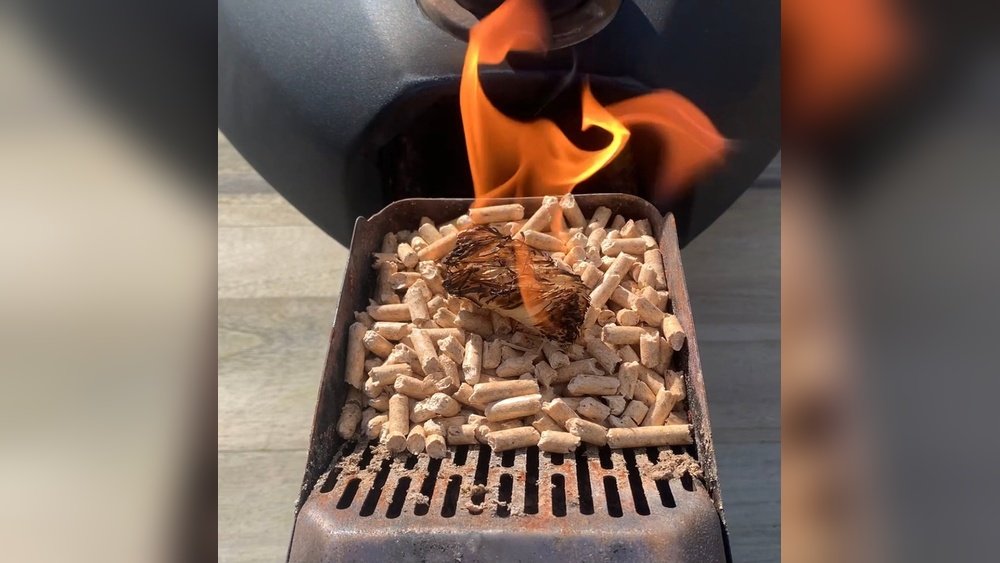
Open the burn tray or basket (depending on your oven model). Pour in a layer of pellets—about 1 cup or enough to cover the bottom with a small mound. Don’t overfill at this stage; too many pellets at once can smother the flame.
Key tip: Use dry pellets only. If your pellets feel damp or soft, replace them with a fresh batch.
2. Add The Fire Starter
Place your fire starter in the center of the pellet pile. Good options include:
- Natural firelighters (wax and sawdust cubes)
- Alcohol-based gel
- Paraffin cubes
Never use lighter fluid or gasoline—these are unsafe for food and can damage your oven.
Break the fire starter into small pieces if needed. Tuck it slightly under the top layer of pellets for best results.
3. Ignite The Fire Starter
With your heat-resistant gloves on, use a long-reach lighter or match to ignite the fire starter. Light it from a few angles to ensure it catches well.
Close the burn tray or door, leaving the air vent or chimney open. This allows oxygen to feed the flame.
4. Allow The Pellets To Catch
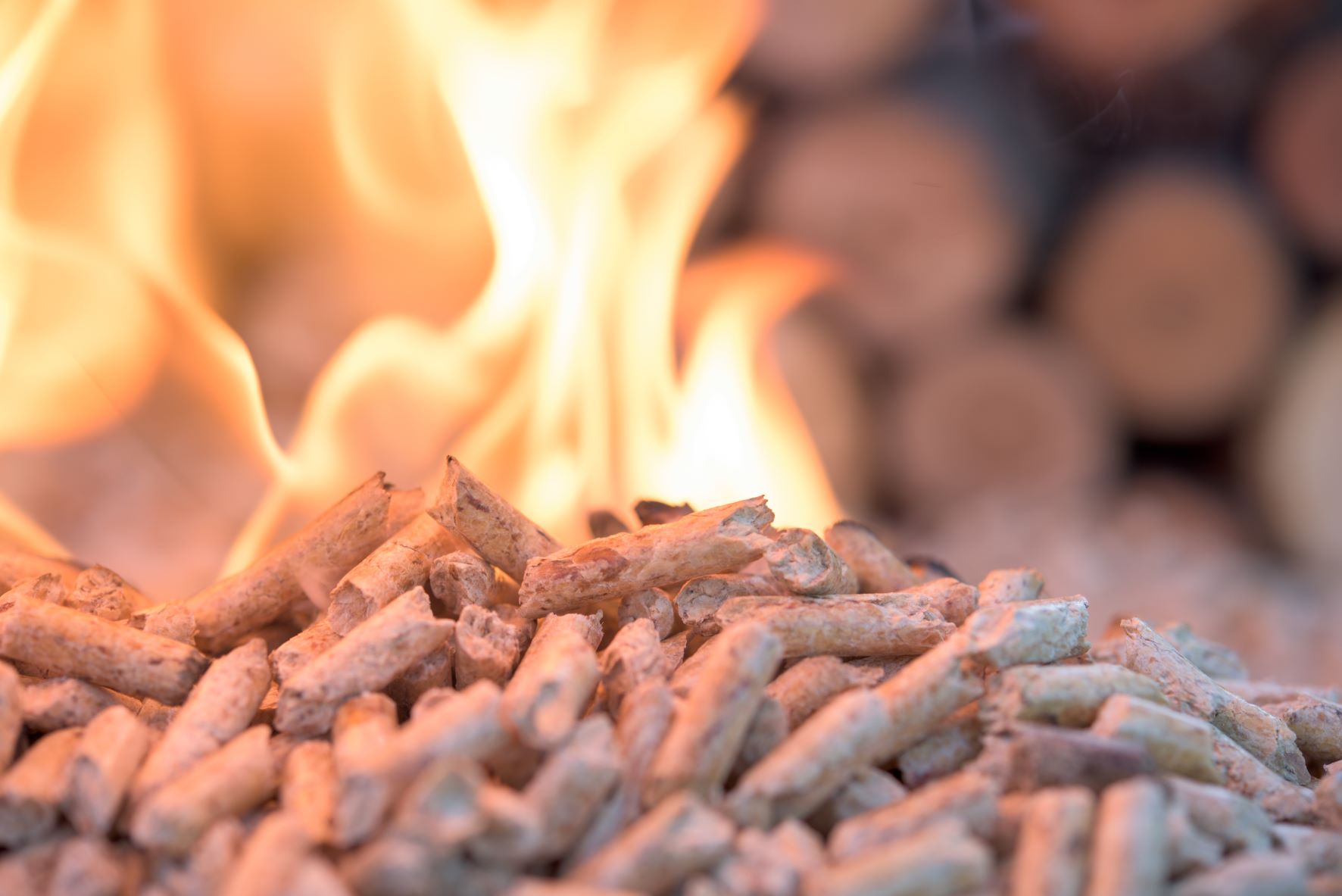
Wait for 2–5 minutes. The fire starter will burn, and soon the pellets will begin to catch fire. You’ll see a strong yellow flame and hear a gentle crackling sound.
Resist the urge to add more pellets immediately. Too much fuel at once will choke the flame.
5. Gradually Add More Pellets
Once the initial flames are strong and the pellets glowing red at the base, slowly add more pellets to the hopper (if your oven feeds automatically) or directly to the burn tray.
Add small amounts at a time—about half a cup—so the fire stays strong and stable.
6. Monitor The Fire
Watch the flame through the oven window or opening. It should be bright and steady, not smoky or weak. Adjust the air vent if needed to encourage airflow.
If the flame dies down, gently stir the pellets with a metal tool to expose more burning surfaces.
Expert guidance: Always wear gloves when handling the burn tray or adding pellets—parts of the oven can get extremely hot within minutes.
7. Preheat The Oven
Let the oven run for 10–15 minutes to reach full temperature. Most pellet pizza ovens need to reach 750°F–900°F (400°C–480°C) for Neapolitan-style pizza.
Use an infrared thermometer to check the stone temperature. Don’t rely only on the built-in thermometer, as it measures air temp, not the cooking surface.
At this stage, your oven is ready for pizza.
Common Mistakes And How To Avoid Them
Even experienced users make mistakes when lighting pellets. Here are pitfalls to watch for:
- Using damp pellets: Pellets that have absorbed moisture burn poorly, produce smoke, and may fail to ignite.
- Overloading the burn tray: Too many pellets at once can smother the flame and block airflow.
- Closing vents too soon: Fire needs oxygen. Keep vents and the chimney open until the flame is established.
- Using the wrong fire starter: Avoid anything with chemicals or strong smells, as these can affect food taste.
- Ignoring ash buildup: Ash from previous burns can block airflow and reduce heat.
Non-obvious insight: If your oven has an automatic pellet feeder, make sure it’s not jammed. Blocked feeders are a common cause of weak fires.
Tips For Consistent High Heat
A steady, strong flame is the secret to great pizza. Here’s how to maintain it:
- Feed pellets gradually: Add small amounts every few minutes to keep the fire fueled without smothering it.
- Monitor temperature: Use an infrared thermometer to check the stone and adjust pellet feed as needed.
- Keep vents clear: Good airflow is crucial. Make sure vents and the chimney are always open during preheating and baking.
- Use the right pellets: High-quality, food-grade pellets burn hotter and cleaner.
How Pellet Brands Compare
To help you choose the best pellets, here’s a comparison of popular brands:
| Brand | Wood Source | Burn Quality | Flavor Impact |
|---|---|---|---|
| Ooni Premium | 100% Oak | High | Balanced, authentic |
| Traeger Signature | Hardwood blend | Medium-High | Rich, smoky |
| Pit Boss | Oak, Fruitwood mix | High | Mildly sweet |
| Bear Mountain | Maple, Hickory, Cherry | Medium | Noticeable smoke |
Adjusting For Weather Conditions
Lighting pellets can be more challenging in certain weather. Wind, rain, and extreme cold affect how your oven heats up.
- Windy days: Shield the oven from direct wind. Wind can blow out the flame or make it uneven.
- Cold weather: Preheat longer. In freezing temperatures, your oven will need extra time and pellets to reach high heat.
- Rain or humidity: Never use wet pellets. If it’s damp, keep pellets indoors until use and wipe out any moisture from the oven before lighting.
Practical example: If you’re cooking outside in winter, start with a double batch of pellets and expect preheating to take 5–10 minutes longer.
Troubleshooting Lighting Problems
If your fire won’t start or burns weakly, don’t worry—most problems are easy to fix.
Problem: Pellets Won’t Catch Fire
- Check for moisture: Even slightly damp pellets won’t light well.
- Use a fresh fire starter: Old or wet firelighters lose effectiveness.
- Increase airflow: Open vents and chimney fully.
Problem: Lots Of Smoke
- Too many pellets: Remove some to reduce smothering.
- Poor quality pellets: Cheap pellets with fillers smoke more.
- Blocked vents: Clean out ash and check for blockages.
Problem: Flame Dies Quickly
- Not enough pellets: Add a small amount and wait.
- Vents closed: Open vents and chimney for more oxygen.
- Ash buildup: Clear out old ash before lighting.
Problem: Uneven Heat
- Pellets not spread evenly: Shake or stir the burn tray gently.
- Pellet size varies: Use a brand with consistent pellet size for even burning.
Maximizing Pizza Oven Performance
Lighting pellets correctly is just the start. Here’s how to get the best results every time you cook:
- Rotate your pizza: Use a turning peel to spin your pizza every 15–20 seconds for even cooking.
- Don’t overload with toppings: Too much topping cools the stone and slows the bake.
- Keep extra pellets handy: Top up during long sessions so the oven stays hot.
Expert tip: After baking, let the oven run empty for a few minutes. This helps burn off any food residue and makes cleaning easier.
Cleaning And Maintenance After Use
Proper maintenance extends the life of your oven and keeps performance high.
- Let the oven cool down completely.
- Remove leftover pellets and ash. Use a metal scoop or vacuum.
- Wipe down the burn tray and interior. Avoid using water—ash can turn into a sticky paste.
- Store the oven in a dry place. Cover it if kept outdoors to prevent rust and moisture buildup.
Don’t miss this: If you see black soot or sticky residue, it may mean incomplete burning. Clean more often and use higher quality pellets.
Advanced Techniques For Power Users
Once you master the basics, try these advanced tips:
- Chimney starter method: Use a small chimney starter to pre-light pellets, then pour them into the burn tray for a fast, hot start.
- Mix wood types: Blend oak with fruitwood pellets for custom flavors.
- Layer fire starters: For larger ovens, use two small firelighters spaced apart rather than one big one.
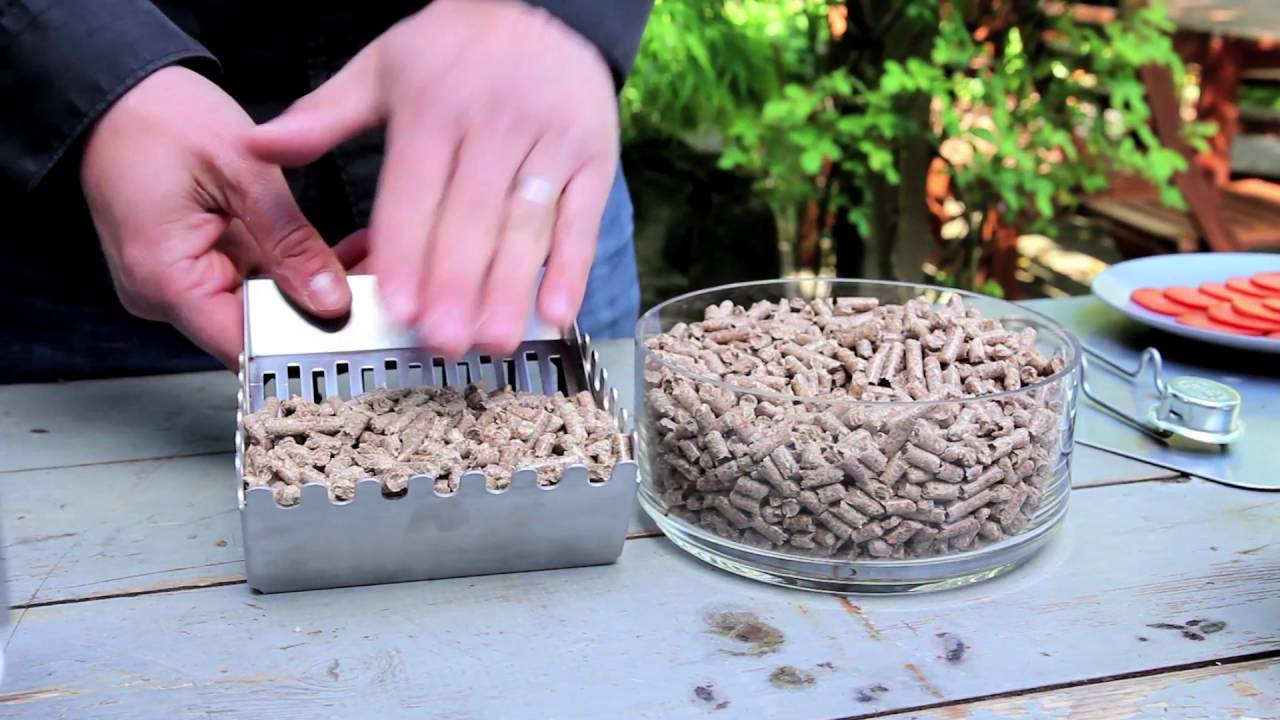
- Use a pellet scoop: Pre-measure pellet amounts for consistent firing every time.
Credit: www.youtube.com
Safety Precautions
Pellet pizza ovens are safe if used correctly, but always:
- Wear heat-resistant gloves when handling the oven.
- Keep children and pets away during lighting and baking.
- Never use liquid fuels or non-food-safe firelighters.
- Allow the oven to cool fully before cleaning or moving.
- Store pellets in a dry, sealed container away from heat sources.
Note: If you ever smell gas or plastic, stop immediately and check your oven—this means something is wrong.
Environmental Impact Of Pellets
One benefit of pellet ovens is their eco-friendly design. Wood pellets are made from compressed sawdust, a byproduct of lumber production. They burn cleaner than charcoal or propane and produce less ash.
However, always look for certified food-grade pellets from sustainable sources. Avoid cheap heating pellets, which may contain glue or chemicals.
Comparing Pellet Ovens To Other Fuel Types
If you’re deciding whether pellet ovens are right for you, it helps to compare with other types:
| Fuel Type | Heat Up Time | Flavor | Ease of Use | Maintenance |
|---|---|---|---|---|
| Pellets | Fast (10–15 min) | Wood-fired | Easy | Low |
| Gas | Very fast (5–10 min) | Neutral | Very easy | Very low |
| Wood logs | Slower (20–30 min) | Strong wood flavor | Moderate | High |
| Charcoal | Medium (15–20 min) | Smoky | Moderate | Medium |
Pellet ovens offer the best balance between fast heating, wood-fired taste, and easy cleanup.
Real-life Example: Lighting Pellets For A Backyard Pizza Night
Imagine you’re hosting friends for a pizza party. You set up your pellet pizza oven on the patio and follow these steps:
- You check your supply of oak wood pellets and make sure they’re dry.
- After cleaning out old ash, you load the burn tray with a small mound of pellets.
- You place two small natural firelighters under the top layer of pellets.
- Using a long lighter, you ignite the firelighters at two points.
- You watch as the flames grow, then add more pellets in small amounts.
- With the vents open, the oven reaches 850°F in 15 minutes.
- You check the stone with an infrared thermometer and start baking.
- Throughout the night, you add pellets gradually, rotate pizzas, and enjoy perfect results.
The process is smooth because you prepared well and followed the right lighting steps.

Credit: www.love-logs.com
Where To Learn More
For detailed guides and science behind pellet ovens, check the official Pellet Stove Wikipedia page. It covers design, fuel types, and safety standards.
Frequently Asked Questions
What Are The Best Pellets For Pizza Ovens?
The best pellets are food-grade, 100% hardwood with no fillers or additives. Oak is a popular choice because it burns hot and provides a classic wood-fired flavor. Always avoid heating pellets, which may contain unsafe chemicals.
How Many Pellets Should I Use Per Pizza Session?
For a typical pizza night (about 2 hours), you’ll need 2–3 pounds of pellets. Start with 1 cup for lighting, then add more in small amounts as you cook. The exact amount depends on oven size and outdoor conditions.
Why Does My Oven Make Too Much Smoke When Lighting?
Excess smoke is usually caused by damp pellets, poor airflow, or overloading the burn tray. Make sure your pellets are completely dry, the vents are open, and you’re not adding too many pellets at once.
Can I Use A Torch To Light Pellets Faster?
Yes, a small butane or propane torch can speed up the process, especially in cold weather. Just be careful to aim at the fire starter, not the pellets directly, and never use it inside the house or near flammable objects.
How Do I Clean My Pellet Pizza Oven?
Let the oven cool, then remove ash and leftover pellets with a metal scoop or vacuum. Wipe down the interior with a dry cloth. Avoid water, as it can mix with ash to form a sticky mess. Regular cleaning keeps your oven running efficiently.
Lighting pellets for your pizza oven is a skill worth mastering. With the right steps, tools, and a bit of patience, you’ll enjoy wood-fired pizza that rivals your favorite restaurant. Happy baking!