
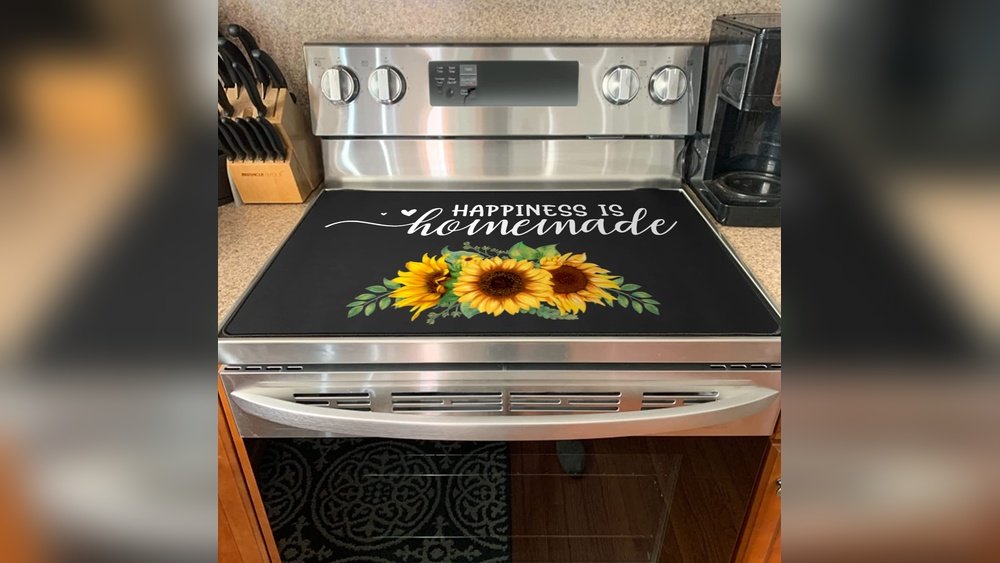
A glass stove top can transform your kitchen with its modern look and easy-to-clean surface. But these beautiful appliances are also delicate. One careless move—a dropped pan or spilled sugar—and you could face scratches, cracks, or stubborn stains. Many owners discover too late that glass stove tops need special care, not just regular cleaning.
Protecting your glass stove top is about more than keeping it shiny; it’s about extending its life, saving repair costs, and cooking safely. If you’re wondering how to protect your glass stove top from damage, scratches, and stains, this guide will give you clear steps and smart habits to follow.
Why Glass Stove Tops Need Special Protection
Glass stove tops are popular for a reason. They heat up quickly, look sleek, and are simple to wipe down. But their smooth surface is made from tempered glass or ceramic-glass, which is strong but not indestructible. Unlike metal stoves, glass can scratch easily. Heavy pots, rough-bottomed pans, and even the wrong cleaner can cause damage you can’t undo.
What many people miss is that small scratches can grow into cracks over time. And once a glass top cracks, it usually needs a full replacement—one of the costliest repairs in any kitchen. Preventing scratches and stains is much easier and cheaper than fixing or replacing the top.
Common Types Of Damage To Glass Stove Tops
Understanding what can go wrong is the first step to prevention. Here are the main dangers for your glass stove top:
- Scratches – Often caused by sliding pots, using the wrong cleaners, or small bits of grit and salt.
- Cracks and Chips – Usually from dropping heavy objects or sudden temperature changes.
- Stains and Discoloration – From burnt-on food, sugary spills, or using aluminum cookware.
- Etching – Permanent marks from acidic spills or using abrasive pads.
Protecting your glass stove top means learning how to avoid each of these problems.
The Right Cookware: Choosing Pots And Pans For Glass Tops
The cookware you choose is critical. Not all pots and pans are safe for glass surfaces. Some materials scratch, others stain, and some don’t distribute heat evenly. Below is a helpful comparison of common cookware materials and their impact on glass stove tops:
| Cookware Material | Glass Top Safety | Common Issues |
|---|---|---|
| Stainless Steel | Highly recommended | None if bottoms are smooth |
| Aluminum | Good (if coated) | May leave stains or marks |
| Copper | Moderate | Can leave residue, scratches |
| Cast Iron | Not recommended | Very heavy, rough bottom, scratches |
| Ceramic/Glass | Moderate | May stick, can scratch if not smooth |
| Enamel-Coated | Good | Safe if bottoms are clean |
What To Look For In Cookware
- Flat, smooth bottoms: This helps heat transfer and reduces scratching.
- Medium weight: Heavy pots can crack the glass if dropped.
- Clean and dry: Grit or water between the pot and glass can cause scratches or stains.
Avoid using warped or rough-bottomed pans. Even a small flaw on the base can leave permanent marks.
Preventing Scratches: Daily Habits That Matter
Many scratches happen during everyday cooking. The best way to protect your glass stove top is by changing a few simple habits:
- Never slide pots or pans. Always lift them to move.
- Check for debris. Wipe the bottom of your cookware before placing it on the stove.
- Clean spills quickly. Even tiny bits of salt or sugar can scratch if trapped under a pan.
- Use soft cloths or paper towels to clean the surface—never steel wool or abrasive pads.
- Avoid overcrowding the stove. Too many pots increase the risk of bumping and dragging.
Many owners don’t realize that using the wrong cleaning tool can scratch the surface as badly as rough cookware. Always check your cleaning supplies before using them on glass.
Cleaning Techniques For Glass Stove Tops
Keeping your glass stove top clean is one of the best ways to protect it. But not all cleaners are safe. Some contain chemicals or abrasive particles that can cause damage.
Safe Cleaning Steps
- Let the stove cool fully. Cleaning a hot surface can cause burns or spread stains.
- Remove loose debris. Use a damp, soft cloth to pick up crumbs or spilled food.
- Apply a glass stove top cleaner. These are made for ceramic-glass and will not scratch.
- Gently scrub with a non-abrasive pad. Microfiber or soft sponges work best.
- Wipe away cleaner with a clean, damp cloth.
- Polish dry with a dry microfiber towel for a streak-free shine.
Never use oven cleaner, bleach, or ammonia. These can etch the glass, leaving dull spots or streaks.
Dealing With Burnt-on Food
Sometimes, spills get baked onto the surface before you can clean them. Here’s how to remove them without scratching:
- Use a plastic scraper at a 45-degree angle to gently lift off residue.
- Soften tough spots with a damp towel placed on the area for 10–15 minutes.
- Apply a small amount of baking soda paste (mix with water) and let it sit before wiping.
Never use metal blades or knives—they will scratch.
Preventing Stains And Discoloration
Some stains are caused by the type of food or cookware you use. Sugary spills, tomato sauce, and aluminum pans are the most common causes. Here’s how to avoid stains:
- Clean up spills immediately. Especially with sugar, as it can melt and bond to the glass.
- Use light-colored cookware. Dark or aluminum pans sometimes leave marks on the surface.
- Don’t let pots boil dry. Overheated cookware can cause colored rings or scorch marks.
- Avoid plastic utensils near hot burners. Melted plastic is nearly impossible to remove.
If you do get a stain, try a glass stove top cleaner designed for tough marks. For stubborn discoloration, a paste of baking soda and vinegar can help, but test a small spot first.

Credit: www.culinarydepotinc.com
Preventing Cracks And Chips
Cracks and chips are serious problems on a glass stove top. They can lead to full breakage or even make your stove unsafe to use. Here are key ways to avoid them:
- Never drop anything heavy on the surface. Even a light impact in the wrong spot can crack glass.
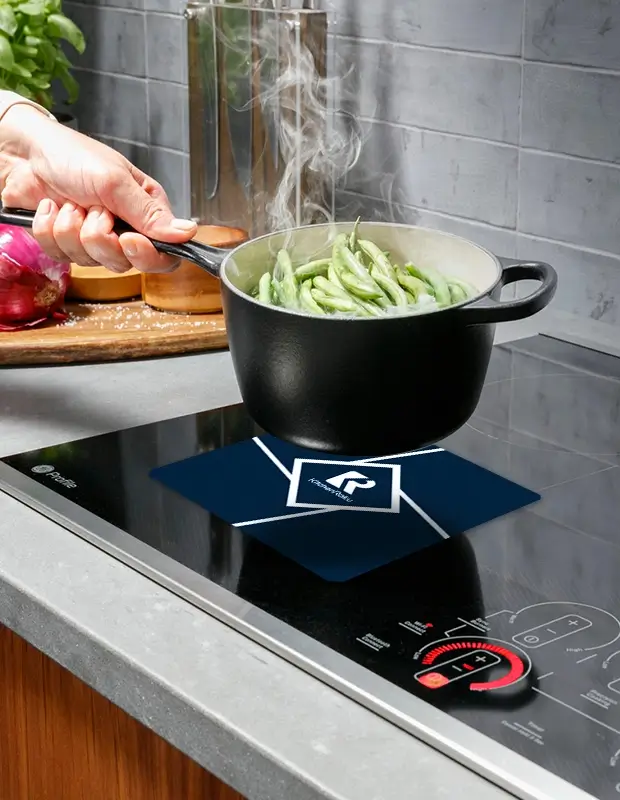
- Don’t place hot lids or pans directly on the cool glass. Sudden temperature changes can cause thermal shock.
- Avoid standing on the stove to reach high shelves.
- Do not use cast iron, stoneware, or glass baking dishes directly from the fridge to the hot stove.
If you spot even a small chip, stop using that burner and call a professional. Small cracks can spread quickly.
Using Stove Top Protectors And Mats
Many people use stove top protectors or heat-resistant mats to add an extra layer of protection. These products can help but must be chosen carefully.
What Are Stove Top Protectors?
These are thin covers—often made from silicone, Teflon, or glass fiber—that sit on top of your stove. They protect from scratches, stains, and spills.
Pros And Cons
| Benefit | Drawback |
|---|---|
| Prevents scratches and stains | May trap heat—check manufacturer’s guidance |
| Easy to remove and clean | Some mats can discolor at high heat |
| Protects from accidental spills | May affect heat distribution if too thick |
Choose mats designed for glass stove tops. Never use thick or flammable covers, as these can cause overheating and damage your appliance.

Credit: www.amazon.com
Smart Cooking Habits
The way you cook affects the life of your glass stove top. Here are some habits that make a real difference:
- Center your pots and pans on the burners. This avoids uneven heating and stress on the glass.
- Use burners that match pan size. Oversized pans can overheat the surface around the burner.
- Don’t use your stove as a countertop. Placing bags or groceries on it can lead to accidental scratches or cracks.
- Let pans cool before cleaning. Sudden temperature changes can warp cookware and harm the glass.
A less obvious tip: Always check the bottom of your pan for cleanliness before cooking. Even a few grains of salt or sand can cause scratches when heated.
Long-term Maintenance Tips
Regular maintenance keeps your glass stove top looking new for years. Here’s how to stay ahead of problems:
- Inspect the surface weekly for new marks, cracks, or stains.
- Deep clean monthly with a special glass stove top polish.
- Replace worn-out cleaning pads before they turn rough.
- Read your stove’s user manual for brand-specific care advice.
Some stoves come with their own cleaning kits—using these can keep your warranty valid. If you notice any change in heating or discoloration that won’t come off, call a technician before the problem grows.
What To Do When Damage Happens
Even with the best care, accidents can happen. Here’s how to respond:
For Scratches
- Light scratches: Use a glass stove top polish. This can minimize their appearance.
- Deep scratches: These are permanent. Focus on preventing more.
For Chips And Cracks
- Stop using the stove immediately if the crack is near a burner.
- Do not try to repair glass yourself. Most cracks mean the top must be replaced.
For Stains
- Act fast. The longer a stain sits, the harder it is to remove.
- Try a paste of baking soda and water before using stronger cleaners.
If you’re unsure, contact the manufacturer or an appliance repair specialist.
Common Myths About Glass Stove Top Care
Many owners hear advice that can actually harm their stove. Let’s clear up some common myths:
- “Any cleaner is fine.” – Only use products marked safe for glass or ceramic stove tops.
- “Cast iron is okay if you’re careful.” – Even careful use can leave scratches.
- “You can use a razor blade for tough stains.” – Only special plastic scrapers are safe; metal blades can gouge the surface.
- “Glass tops are too fragile.” – With good habits, they last for years.
Some online tips, like using vinegar or lemon juice, are safe in small amounts but can cause etching if left too long. Always rinse thoroughly.
Investing In Quality Products
Spending a little more on the right accessories pays off. High-quality cookware, proper cleaning pads, and stove top polishes last longer and prevent most common problems.
Look for cleaners labeled “for glass or ceramic cooktops,” and buy cookware with manufacturer recommendations for glass stoves. Cheap or unknown products may save money now but could cause expensive damage later.
Eco-friendly Ways To Protect Your Glass Stove Top
If you prefer green cleaning, there are safe options:
- Baking soda and water make a gentle paste for daily cleaning.
- White vinegar (diluted) removes streaks but rinse well after.
- Microfiber cloths clean without chemicals or scratching.
Avoid using natural abrasives like salt or dry baking soda, as they can scratch the surface.
Keeping The Surface Shiny
A dull stove top is often a sign of tiny scratches or leftover cleaner. To restore shine:
- Buff with a soft, dry microfiber cloth after each cleaning.
- Apply a small amount of glass stove top polish once a month.
- Avoid air-drying, which can leave mineral spots.
If you live in an area with hard water, wipe away all moisture after cleaning.
Real-life Examples: What Can Go Wrong
To show why these tips matter, here are two common real-life situations:
Example 1: The Sugar Spill
Maria was making caramel sauce and spilled sugar on her hot glass stove top. She left it until the stove cooled, but by then the sugar had melted and bonded to the glass. Even after cleaning, a dull white spot remained—a permanent stain.
Lesson: Always clean sugary spills immediately, even if you need to use a damp towel (with the stove off but still warm).
Example 2: The Heavy Pan Drop
Kevin dropped a cast iron skillet while moving it off the stove. A small chip appeared on the edge, and within a week, a crack spread across the burner. The whole top needed replacing.
Lesson: Avoid heavy cookware and always lift, never slide, pans on glass tops.
How To Tell If Your Glass Stove Top Needs Replacement
No one wants to replace an expensive stove top unless it’s necessary. Here are signs you need a new one:
- Large cracks or chips—especially if they cross a burner.
- Heating issues—one or more burners stop working or heat unevenly.
- Stains that can’t be removed—especially white or gray spots from sugar or aluminum.
If your stove is under warranty, check with the manufacturer before making repairs.
Extra Tips Most Beginners Miss
- Never use colored sponges. Dyes can leave marks on hot glass.
- Avoid using the stove as extra counter space. Even light items can scratch or crack if you’re not careful.
- Double-check for tiny bits of sand or grit after cleaning, especially if you live near the beach or have small children.
- Always let the surface cool before wiping to prevent streaks and burns.
Credit: www.cookermate.com
Frequently Asked Questions
How Often Should I Clean My Glass Stove Top?
Clean your glass stove top after every use to prevent stains and scratches. For tough spills, clean as soon as the stove cools. Deep clean with a special polish once a month.
Can I Use Regular Dish Soap To Clean My Glass Stove Top?
Dish soap is safe for daily cleaning if you use a soft sponge and rinse well. For stubborn stains or shine, use a cleaner made for glass stove tops.
What Should I Do If My Glass Stove Top Cracks?
Stop using the stove immediately and contact a professional. Using a cracked glass stove can be dangerous and may cause electrical problems.
Are Stove Top Protectors Safe For All Glass Stoves?
Only use protectors labeled for glass stove tops. Avoid thick or flammable covers, and always follow the manufacturer’s instructions to prevent heat damage.
What Is The Best Way To Remove Burnt-on Stains?
Soak the area with a damp towel, use a plastic scraper to lift residue, and apply a baking soda paste. Avoid metal tools or harsh chemicals that can scratch or etch the glass.
For more information about safe cleaning products, check out the Consumer Reports guide.
Taking care of your glass stove top doesn’t have to be difficult. With the right cookware, gentle cleaners, and good daily habits, you can keep your stove looking new for years. Investing a little time in prevention saves you from expensive repairs and keeps your kitchen both stylish and safe.