
Cleaning the stove is one of those chores that can feel never-ending. Grease splatters, burnt food, and sticky spills seem to appear out of nowhere. Yet, keeping your stove clean is essential for a safe and efficient kitchen. Many people turn to strong chemicals, but there’s a much gentler, safer, and more affordable solution: baking soda. This humble powder is a powerhouse for cleaning, and you probably already have it in your pantry. Learning how to clean the stove with baking soda can transform your kitchen routine, making it easier, healthier, and even a little satisfying.
This guide will walk you through every step of cleaning your stove with baking soda. You’ll discover why it works so well, the supplies you need, and how to tackle each part of your stove, from the burners to the knobs.
You’ll also find answers to common questions and troubleshooting tips for stubborn messes. Whether your stove is electric, gas, or glass-top, you’ll finish with a sparkling appliance—and a few expert tricks most beginners don’t know. Let’s dive in and reclaim your stove’s shine.
Why Use Baking Soda For Stove Cleaning?
Baking soda, also known as sodium bicarbonate, is famous for its natural cleaning ability. But why is it so effective on stoves? There are several reasons:
- Non-toxic and Safe: Baking soda contains no harsh chemicals, so it’s safe for your health and the environment. You don’t have to worry about fumes or skin irritation.
- Gentle Abrasive: The fine grains scrub away grime without scratching the surface of your stove.
- Deodorizing Power: Baking soda neutralizes odors, leaving your kitchen smelling fresh.
- Affordable and Available: Nearly every household has baking soda, and even a large box costs very little.
- Versatile: It cleans all types of stoves—gas, electric, coil, and glass-top.
What most people miss is that baking soda also helps loosen stubborn, burnt-on food. When mixed with a little water, it forms a paste that can penetrate and lift away grime that would otherwise need lots of scrubbing.
Supplies You’ll Need
Before you start, gather the right tools. Having everything ready makes the job smoother and faster.
- Baking soda: At least 1/2 cup for a typical cleaning session
- White vinegar: Optional, for stubborn stains
- Dish soap: Mild, for degreasing
- Spray bottle: For water or vinegar
- Soft sponge or microfiber cloth: Avoid rough pads on glass or ceramic
- Old toothbrush: For crevices and knobs
- Paper towels or clean rags: For drying
- Plastic or silicone scraper: For stuck-on food (never use metal)
- Gloves: Optional, to protect your hands
For gas stoves, you may also need a small bowl for soaking burners and grates.
Safety First: Preparing Your Stove
Cleaning your stove safely is critical. Here are steps to prepare:
- Turn off all burners and the oven. Wait until the stove is completely cool. Never clean a hot stove.
- Unplug electric stoves or switch off the power at the breaker if necessary.
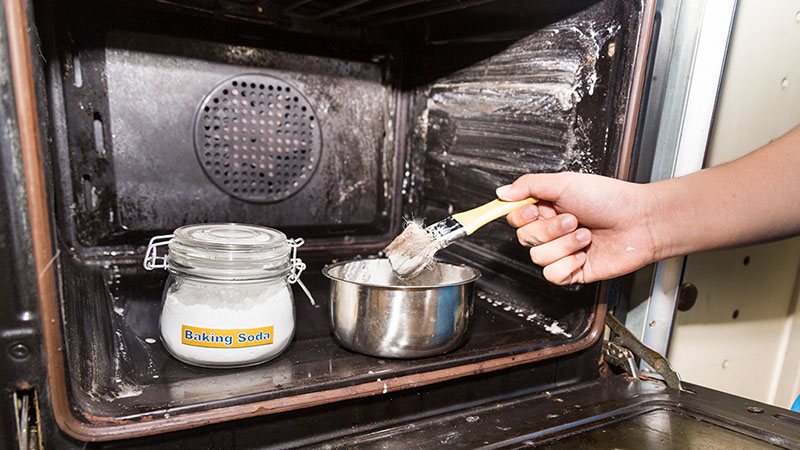
- Remove grates, burner caps, and knobs. Set them aside for separate cleaning.
- Wipe away loose crumbs or debris with a dry cloth to avoid scratching.
Taking these steps ensures you won’t accidentally get shocked, burned, or damage your stove.
Basic Cleaning: Baking Soda Paste Method
The simplest way to clean your stove with baking soda is by making a paste. This method works for both everyday cleaning and moderate messes.
Step-by-step Instructions
- Mix the Paste: In a small bowl, combine 3 tablespoons of baking soda with 1 tablespoon of water. Stir until it becomes a thick paste.
- Apply the Paste: Spread the baking soda paste over dirty areas of the stove. Focus on greasy spots, spills, and stains.
- Let It Sit: Allow the paste to sit for 15–20 minutes. This gives the baking soda time to break down grease and food.
- Scrub Gently: Use a damp sponge or cloth to scrub the surface. For tight spots, use an old toothbrush.
- Wipe Clean: Remove all paste residue with a clean, damp cloth. Rinse and repeat if needed.
- Dry the Surface: Use a paper towel or dry cloth to buff the stove to a shine.
When To Use This Method
- For weekly maintenance
- After light spills or splatters
- On glass, ceramic, or enamel surfaces
Expert Tip: For glass-top stoves, always use a microfiber cloth. Rough sponges can scratch the surface.
Deep Cleaning For Stubborn Stains
Sometimes, regular cleaning isn’t enough. Burnt-on food, old grease, or sticky spills can be tough to remove. Here’s how to handle these stubborn messes with baking soda:
Using Baking Soda And Vinegar
This classic combination creates a gentle fizz that helps lift grime.
- Sprinkle baking soda generously over the tough stain.
- Spray white vinegar on top of the baking soda. You’ll see bubbles form.
- Let it fizz for 10–15 minutes. The reaction helps soften the mess.
- Gently scrub with a non-scratch sponge or brush.
- Wipe with a clean cloth to remove residue.
For Burnt-on Food
If food is really stuck, here’s an advanced trick:
- Make a baking soda paste and spread it over the burnt area.
- Cover the area with a damp, warm cloth and leave it for 30 minutes.
- The moisture and baking soda work together to loosen the burned food.
- Scrape gently with a plastic scraper, then wipe clean.
For Greasy Grates And Burner Caps
- Remove them from the stove.
- Place in a sink filled with hot water and a squirt of dish soap.
- Add 2–3 tablespoons of baking soda.
- Soak for 30–60 minutes.
- Scrub with a brush, rinse, and dry.
When To Deep Clean
- Monthly or after cooking messy meals
- When you notice smoke or burning smells during use
- If you see yellow, brown, or black stains that don’t wipe off easily
Cleaning Different Types Of Stoves
Not all stoves are built the same. Here’s how to adjust your approach:
Gas Stoves
Gas stoves have grates, burner caps, and sometimes removable drip pans.
- Grates and burner caps can usually be soaked in hot water, dish soap, and baking soda.
- Use a toothbrush for hard-to-reach spots.
- Rinse thoroughly and dry before reassembling.
Non-obvious insight: Make sure all parts are 100% dry before reattaching. Even a little moisture can lead to rust or poor ignition.
Electric Coil Stoves
The coils themselves should not be submerged in water.
- Remove the drip pans below each coil.
- Wash drip pans with baking soda paste and a sponge.
- Wipe coils gently with a damp cloth (never soak them).
- If coils are very dirty, wipe with a baking soda-dampened cloth, then dry immediately.
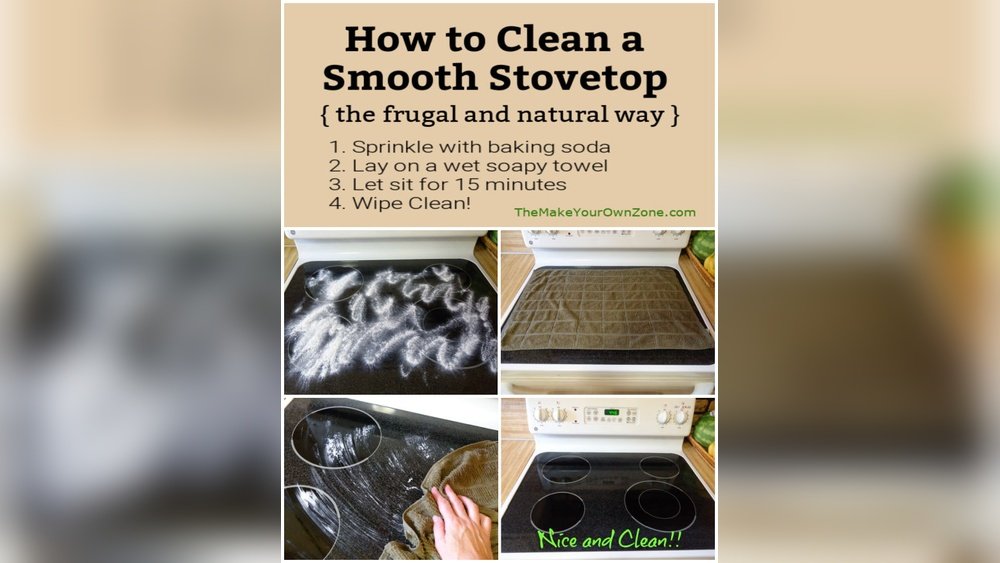
Glass-top Or Ceramic Stoves
Glass and ceramic require extra care.
- Sprinkle baking soda directly on stubborn spots.
- Lay a damp towel over the baking soda and let sit for 15–20 minutes.
- Wipe with a microfiber cloth to avoid scratches.
- Buff dry for a streak-free shine.
Practical tip: Never use razor blades or metal scrapers—they can permanently damage the surface.
Induction Stoves
These often have a smooth glass top.
- Clean just like a glass-top stove.
- Avoid heavy soaking; water can seep into electronic parts.
Credit: www.movinghelp.com
How To Clean Stove Knobs, Dials, And Crevices
Knobs and crevices collect grease and crumbs. Here’s how to get them spotless:
- Remove knobs if possible. Most pull straight off (check your manual).
- Soak knobs in a bowl with hot water, baking soda, and a drop of dish soap for 10–15 minutes.
- Scrub with a toothbrush, rinse, and dry.
- For crevices around knobs, dip a toothbrush in baking soda paste and scrub gently.
- Wipe with a damp cloth and replace the knobs.
Beginner’s mistake: Forgetting to dry behind the knobs can lead to gunk buildup and even affect stove performance.
Cleaning Stove Control Panels And Displays
Control panels are sensitive to moisture, so be gentle.
- Dampen a microfiber cloth with water and a touch of baking soda.
- Wipe the panel carefully—never let water drip into cracks.
- Dry immediately with a clean cloth.
Avoid using vinegar here, as it can damage electronic parts.
Cleaning Under The Stove Top
Lifting the stove top is often forgotten but can reveal hidden spills.
- Check your stove’s manual to see if the top can be lifted safely.
- Use a damp cloth and baking soda paste to clean inside.
- Dry thoroughly before closing.
Non-obvious insight: Spilled liquids under the top can cause smoke or even small fires. Regular cleaning here improves both safety and performance.
How To Clean Stove Vents And Filters
Many stoves have vents or removable filters to catch grease.
- Remove the filter (check your manual for location).
- Soak in hot water, dish soap, and baking soda for 30–60 minutes.
- Scrub, rinse, and dry before reinstalling.
A clean filter keeps your kitchen air fresher and your stove safer.
How Baking Soda Compares To Other Stove Cleaners
You may wonder how baking soda stacks up against store-bought cleaners. Here’s a look:
| Cleaner Type | Cost | Safety | Effectiveness | Odor |
|---|---|---|---|---|
| Baking Soda | Low | Very Safe | High | None |
| Commercial Degreaser | Medium-High | May Irritate | Very High | Strong Chemical |
| Vinegar | Low | Safe | Medium | Sharp |
| Lemon Juice | Low | Safe | Medium | Fresh |
Baking soda is often the best choice for regular cleaning: it’s effective, safe, and won’t leave any chemical residues.
How Often Should You Clean Your Stove?
The best way to keep your stove clean is with regular care. Here’s a simple maintenance schedule:
| Cleaning Task | Frequency | Notes |
|---|---|---|
| Wipe spills | After each use | Prevents stains |
| Baking soda clean | Weekly | Removes grease |
| Deep clean (grates, burners) | Monthly | Check for buildup |
| Clean filters | Every 2-3 months | Improves air quality |
Key insight: Cleaning small messes right away makes deep cleaning much easier and faster.
Troubleshooting Common Stove Cleaning Problems
Even with baking soda, some problems need special attention. Here’s how to tackle them:
White Residue
After cleaning, you may see a white film. This happens if baking soda isn’t rinsed off completely.
- Wipe with a damp cloth until all residue is gone.
- For glass stoves, buff with a vinegar-dampened cloth (then dry).
Streaks On Glass Tops
Streaks happen if the surface isn’t dried well.
- Use a dry microfiber cloth and buff in a circular motion.
Rust On Grates Or Burner Caps
If you see rust, it’s likely from water left after cleaning.
- Dry all metal parts thoroughly before reassembly.
- For light rust, scrub gently with baking soda and a damp sponge.
Lingering Odors
Baking soda usually removes odors, but if smells persist:
- Leave an open box of baking soda near the stove for a few days.
- Clean filters and check for hidden spills under the stove top.
Burned-on Sugar Or Syrup
Sugar can bond to glass and ceramic.
- Sprinkle baking soda on the area, then cover with a damp towel for 30 minutes.
- Scrape gently with a plastic scraper.
Advanced Tip: For extremely stubborn stains, repeat the baking soda treatment and let it sit overnight.
How To Maintain A Sparkling Stove
Once your stove is clean, a few habits will keep it looking great:
- Wipe spills as soon as they happen. Warm spills are easier to remove.
- Keep a box of baking soda near the stove for quick access.
- Use burner liners (for gas and electric stoves) to catch drips.
- Avoid cooking sprays directly over the stove—they create sticky residue.
- Check and clean under the burners regularly for hidden messes.
These small steps make a big difference and reduce the time you spend deep cleaning.
Is It Safe To Use Baking Soda On All Stoves?
Most stoves, including glass, ceramic, enamel, and stainless steel, are safe to clean with baking soda. However, always check your manufacturer’s manual. Some specialty coatings or high-end appliances may have special instructions.
Expert guidance: Never use baking soda on aluminum without rinsing quickly, as it can cause dullness if left on too long.
If you’re unsure, test a small, hidden area first.
Environmental Benefits Of Cleaning With Baking Soda
Choosing baking soda isn’t just good for your kitchen—it’s good for the planet.
- Baking soda is a natural, biodegradable substance.
- It doesn’t pollute water supplies or leave chemical residues.
- The production and disposal of baking soda have a much lower environmental impact compared to commercial cleaners.
Switching to baking soda helps reduce your home’s chemical footprint, making your kitchen safer for children and pets.
What Not To Do When Cleaning Your Stove With Baking Soda
To avoid damage or disappointment, keep these don’ts in mind:
- Don’t use metal scouring pads or razor blades—these scratch and ruin surfaces.
- Don’t mix baking soda with bleach—it’s unnecessary and can release harmful fumes.
- Don’t soak electric burners. Only wipe with a damp cloth.
- Don’t rush drying. Moisture can cause rust or electrical issues.
- Don’t forget to check your manual for any special cleaning instructions.
Most importantly, don’t give up if you encounter a tough stain. Patience and repeat treatments with baking soda usually get the job done.
Real-world Examples: Baking Soda Cleaning Success
Let’s look at two real-life cases to see how well baking soda works.
Case 1: Greasy Gas Stove
Sarah cooked fried chicken, leaving sticky oil and burnt crumbs on her gas stove. She sprinkled baking soda on the mess, sprayed with vinegar, and waited 20 minutes. After scrubbing with a sponge and wiping clean, her stove looked new—no harsh chemicals needed.
Case 2: Burned Milk On Glass-top Stove
Jorge spilled milk on his glass stove, which burned and left a brown mark. He made a thick baking soda paste, spread it on the stain, and covered it with a damp towel overnight. The next day, the stain wiped off easily.
The glass was shiny and scratch-free.
Insight: Both cases show that time and moisture, paired with baking soda, break down even the toughest grime.

Credit: www.youtube.com
How To Store And Reuse Baking Soda For Cleaning
Keep your baking soda fresh and effective:
- Store in a cool, dry place, away from strong odors (baking soda absorbs smells).
- For cleaning, it’s okay to use baking soda that’s past its baking expiration date.
- Don’t reuse baking soda that’s been mixed with grease or soap—always use fresh for best results.
How To Make A Diy Baking Soda Spray Cleaner
For everyday touch-ups, try this simple homemade spray:
- Mix 2 cups of warm water, 1 tablespoon of baking soda, and a few drops of dish soap in a spray bottle.
- Shake well before each use.
- Spray on the stove, wipe with a cloth, and dry.
This gentle cleaner is great for daily use and won’t leave streaks.
Cost Comparison: Baking Soda Vs. Commercial Stove Cleaners
Is baking soda really cheaper? Here’s a quick comparison:
| Product | Average Cost (per use) | Uses per Package |
|---|---|---|
| Baking Soda (16oz box) | $0.10 | 30+ |
| Commercial Stove Cleaner | $0.75 | 10-12 |
As you can see, baking soda cleans more for less. Plus, you skip the risk of harsh chemicals.
When To Call A Professional
In rare cases, your stove may need expert help:
- If you see electrical problems after cleaning (sparks, non-working burners)
- If stains or discoloration won’t budge, and you fear damaging the surface
- For repairs or deep cleaning of built-in vents and fans
A professional can ensure safety and restore your stove without risk.
Additional Resources
For more cleaning tips and information about baking soda’s science and uses, check out the detailed guide at Wikipedia: Sodium Bicarbonate.
Frequently Asked Questions
What Is The Best Way To Clean A Stove With Baking Soda?
The best method is to make a thick baking soda paste with water, apply it to dirty spots, let it sit for 15–20 minutes, then scrub gently and wipe clean. For very tough stains, spray vinegar over the baking soda and let it fizz before scrubbing.
Can I Use Baking Soda To Clean All Types Of Stoves?
Yes, baking soda is safe for gas, electric, glass, and ceramic stoves. However, always check your appliance’s manual for any special instructions, especially for induction or specialty surfaces. Test a small area first if you’re unsure.
How Do I Remove Burnt-on Food From My Stove?
For burnt-on food, cover the area with a baking soda paste and a damp towel, then let it sit for 30 minutes to an hour. The combination of moisture and baking soda will help loosen the residue. Scrape gently with a plastic scraper and wipe clean.
Does Baking Soda Damage Stainless Steel Or Glass Stove Tops?
No, baking soda is a gentle abrasive and safe for most surfaces, including stainless steel and glass. Always use a soft cloth or sponge to avoid scratches. Rinse and dry thoroughly to prevent any residue or streaks.
How Often Should I Clean My Stove With Baking Soda?
For best results, clean your stove with baking soda once a week or whenever you notice grease and spills. Wipe fresh spills immediately to prevent stains and make deep cleaning easier.
Keeping your stove clean with baking soda is simple, effective, and safe. With these tips and techniques, you’ll enjoy a spotless stove, a fresher kitchen, and peace of mind knowing you’re using a natural, healthy cleaner.
Credit: www.reddit.com