
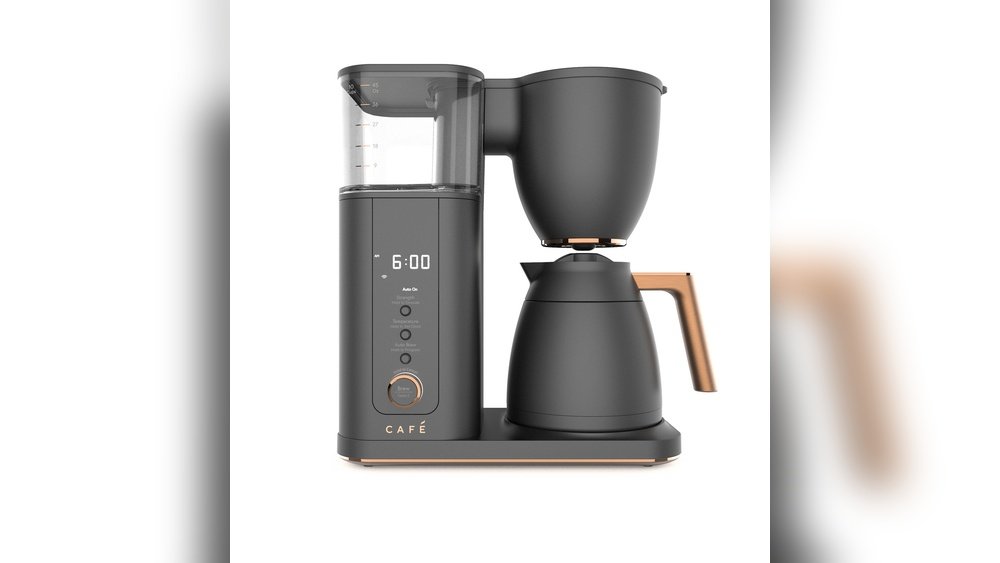
Every cup of coffee tastes better when your machine is clean. But over time, mineral deposits and residue can build up inside your Cafe coffee maker. This can cause bitter flavors, slow brewing, and even damage your machine. Many people enjoy their coffee maker daily, but don’t realize how important descaling is for both taste and machine health. If you want your coffee to stay delicious and your machine to last, knowing how to descale a Cafe coffee maker is essential.
In this guide, you’ll discover not just the step-by-step method, but also the science behind descaling, how often to do it, and key mistakes to avoid. Even if you’re new to coffee care, you’ll find practical tips, clear warnings, and expert advice you won’t get from your manual.
Let’s make your next brew the best one yet.
Why Descaling Your Cafe Coffee Maker Matters
Descaling might sound technical, but it’s simply the process of removing mineral buildup—mainly calcium and magnesium—from inside your coffee maker. These minerals enter through tap water and slowly coat the machine’s heating elements and water lines. Over time, this layer gets thicker and can cause several issues:
- Reduced water flow: Your machine takes longer to brew.
- Poor taste: Coffee can taste stale, sour, or bitter.
- Potential damage: Internal parts can overheat or corrode.
- Shorter machine life: Repairs or replacement are needed sooner.
A 2022 survey by the National Coffee Association found that 58% of coffee drinkers noticed improved taste after regular cleaning. Still, many skip descaling, thinking a quick rinse is enough. The difference is like washing a cup with only water versus using soap—the hidden residue matters.
Another important point is that mineral deposits do more than just affect taste. They can also act as insulation on the machine’s heating element, making it work harder and use more electricity. This puts extra stress on your coffee maker and can lead to higher energy bills over time.
Plus, the buildup can cause uneven water distribution, so some parts of the coffee puck may be over-extracted while others are under-extracted. You end up with unpredictable results in every cup.
How Often Should You Descale A Cafe Coffee Maker?
Frequency depends on your water type and usage:
- Hard water: High in minerals; descale every 1-2 months.
- Soft water: Lower minerals; descale every 3-4 months.
- Daily use: Descale more often.
- Filtered water: Still needs descaling, but less often.
Most Cafe coffee makers have a descale indicator light. But you shouldn’t wait for it—mineral buildup can start before the warning appears.
Some areas have especially hard water, which can increase mineral buildup much faster than you might expect. If you notice white spots on your glassware after washing, that’s a sign your water is hard and your coffee maker needs more frequent attention.
Example
If you brew two pots a day with city tap water, descale every 6 weeks. If you use bottled or filtered water, every 3 months should be enough.
If you travel or are away for a few weeks and leave water sitting in the reservoir, consider descaling when you return. Stagnant water can leave behind even more mineral deposits, and bacteria may grow if the environment stays moist.
What Do You Need For Descaling?
The right tools make the job quick and safe. Here’s a checklist:
- Descaling solution—You can buy commercial products like Urnex or use a homemade mix (white vinegar and water).
- Fresh water—For rinsing.
- Large mug or carafe—To catch the water.
- Soft cloth or sponge—For wiping.
- Gloves (optional)—If you have sensitive skin.
Having everything ready before you start makes the process smoother and helps prevent mistakes. For example, if you don’t have enough fresh water for rinsing, you might be tempted to skip a rinse cycle, which can leave a lingering taste.
Comparing Descaling Solutions
It’s easy to get confused about which solution to use. Here’s a quick side-by-side look.
| Descaling Solution | Pros | Cons |
|---|---|---|
| Commercial (Urnex, Durgol) | Safe, effective, no smell | More expensive |
| White Vinegar + Water | Cheap, easy to find | Strong smell, may need extra rinsing |
| Lemon Juice + Water | Natural, mild scent | Less effective on heavy buildup |
Commercial solutions are recommended by most manufacturers, but vinegar is a popular home remedy. Never use bleach or harsh chemicals—they can damage your machine and harm your health.
One overlooked detail: commercial solutions are often formulated to rinse away more easily than vinegar, which can save you time and water during the rinsing stage. If your home has sensitive plumbing or you are on a septic system, check that the solution is safe for your pipes.
Step-by-step: How To Descale A Cafe Coffee Maker
Ready to descale? Set aside 45–60 minutes. Here’s how to do it safely and thoroughly, even if you’ve never done it before.
1. Prepare Your Machine
- Turn off and unplug the coffee maker.
- Make sure the water reservoir is empty.
- Remove any filters, pods, or leftover coffee grounds.
- Place a large mug or the carafe under the brew head to catch liquid.
It’s also smart to clean any visible coffee grounds or debris from the machine before starting. This prevents clogs and ensures the descaling solution can reach all the right areas.
2. Mix Your Descaling Solution
- For commercial products: Follow the label instructions.
- For vinegar: Mix equal parts white vinegar and water. (Usually 1:1 ratio; e.g., 2 cups each.)
- For lemon juice: Mix 1 part lemon juice with 2 parts water.
If you’re using a commercial product, make sure to dissolve any powder fully in water if required. Incomplete mixing can leave residue inside your machine.
3. Fill The Reservoir
- Pour the descaling solution into the water reservoir.
- Do not overfill—check your machine’s max fill line.
If your reservoir is removable, double-check all connections before starting the process. A loose reservoir can leak solution onto your countertop or inside the machine.
4. Start The Descale Cycle
Most Cafe coffee makers have a descale mode. Here’s a typical process:
- Plug in the machine.
- Press and hold the “Clean/Descale” button for 3 seconds (or as your manual says).
- The light will blink or turn solid.
- Press “Brew” or “Start.” The machine will run the solution through its system.
If your model doesn’t have a descale mode, run a normal brew cycle (without coffee) until half the reservoir is empty. Stop, let it sit for 20 minutes, then finish the cycle. This soak helps dissolve tough deposits.
Some models have extra features like “pause and soak. ” If yours does, use it—letting the solution sit inside the machine’s heating elements or water lines breaks up tough scale more effectively.
5. Discard The Solution
- When the cycle ends, pour out the liquid from the carafe or mug.
- Be careful—solution may be hot and can stain.
If you notice any visible debris or flakes in the carafe, that’s a sign the descaler is doing its job and removing stubborn buildup.
6. Rinse Thoroughly
- Fill the reservoir with fresh water only.
- Run at least 2 full cycles to remove any leftover solution.
- Discard and refill with fresh water each time.
This step is crucial. If you skip or rush it, your next coffee will taste sour or chemical-like.
If you’re sensitive to vinegar or chemical smells, run a third or even a fourth rinse cycle. Smell the water after each rinse—if it’s still sharp, keep going.
7. Wipe And Reassemble
- Use a soft cloth to wipe down the reservoir, exterior, and brew head.
- Replace any filters or parts you removed.
- Plug in the machine and run one more water-only cycle if you detect any smell.
If you have a water filter in your machine, now is a good time to check if it needs replacing. Some filters can absorb descaling solution and should be swapped for a fresh one for best taste.

Credit: www.amazon.com
Common Mistakes To Avoid When Descaling
Even experienced coffee lovers make errors during descaling. Here are some you should watch out for:
- Skipping the rinse: Always run multiple rinse cycles after descaling.
- Using too much or too little solution: Measure carefully—concentrated vinegar can damage seals, while weak solutions won’t clean well.
- Forgetting to remove filters: Leaving a filter inside can trap descaler and affect taste.
- Ignoring the manual: Each Cafe model can have small differences.
- Using harsh chemicals: Never use bleach, ammonia, or cleaners not made for coffee makers.
Another mistake is neglecting to descale parts like the steam wand or milk frother if your machine has one. Even if you don’t use these features often, mineral deposits can still accumulate and cause blockages or odd flavors.
How Descaling Improves Your Coffee
You might wonder if descaling is worth the effort. Here’s what happens inside your machine after you descale:
- Water heats properly: Minerals insulate heating elements, so descaling restores fast, even heating.
- Pressure stays stable: Descaling removes blockages, leading to strong, consistent brews.
- No strange flavors: Old coffee oils and minerals can make coffee taste metallic or sour. Descaling gets rid of these off-notes.
- Machine lasts longer: Regular maintenance prevents costly repairs or replacements.
A Cafe coffee maker that’s descaled regularly will brew coffee that tastes just as good as the first cup you ever had from the machine.
It’s easy to overlook, but water that reaches the right temperature helps extract the best flavors from your coffee grounds. Without proper heat, your brew can taste flat, even if you use fresh beans. That’s why some people are surprised by how much better their coffee tastes after a thorough descale.

Credit: www.youtube.com
How Long Does Descaling Take?
Descaling time depends on your machine model and buildup level.
| Step | Time Needed |
|---|---|
| Preparation | 5 minutes |
| Descale Cycle | 20–30 minutes |
| Soak (if needed) | 20 minutes |
| Rinse Cycles | 15–20 minutes |
| Total | 45–60 minutes |
If you descale regularly, the process goes faster since buildup is lighter.
If you’re short on time, split the process: descale in the evening, let the machine sit overnight with the solution inside (if recommended by the manual), and finish rinsing in the morning. Just don’t forget to complete the process before your next cup.
How To Know When Your Machine Needs Descaling
Besides waiting for the descale indicator, here are signs you shouldn’t ignore:
- Brews take longer
- Coffee tastes off
- Loud noises or sputtering
- Visible white or chalky residue
If you notice any of these, descale right away. Don’t wait for more problems to appear.
Sometimes, you may also notice the water doesn’t heat up as much as before or the coffee comes out cooler. This is a direct result of scale buildup on the heating element.
Can You Use Tap Water After Descaling?
Many people ask if it’s safe to use tap water after descaling. Yes, but if your water is very hard, you may want to use filtered or bottled water to slow down future buildup. Hard water areas (like much of the Midwest and Southwest US) mean you’ll need to descale more often.
A simple tip: Fill a glass with tap water and let it dry. If you see a white ring or residue, that’s evidence of hard water. Using a basic water filter pitcher can help reduce minerals and extend the time between descalings.
Tips For Keeping Your Cafe Coffee Maker In Top Shape
Descaling is just one part of coffee maker care. Here are some extra tips that help keep your machine working perfectly:
- Use filtered water when possible. This reduces minerals and makes descaling less frequent.
- Clean removable parts weekly. Wash the carafe, filter basket, and reservoir with warm soapy water.
- Leave the reservoir open after use to dry. This prevents mold.
- Wipe the exterior with a damp cloth regularly.
- Replace charcoal filters (if your model uses them) every 2–3 months.
These small habits make a big difference in both taste and machine life.
A non-obvious tip: If your machine sits unused for more than a week, run a quick rinse cycle with plain water before making coffee again. This removes any stale water or dust from the system.
What If You Skip Descaling?
It’s tempting to put off descaling, but here’s what can happen:
- Clogged lines: Machine may stop brewing or leak.
- Weaker coffee: Water can’t flow or heat correctly.
- Strange tastes: Old minerals and oils affect every cup.
- Costly repairs: Replacement parts are not cheap.
- Short machine life: Most coffee makers fail from lack of cleaning, not wear.
A study by Consumer Reports found that machines with regular descaling lasted 30% longer on average. That’s more coffee, less waste, and better value.
If you use your coffee maker in a shared space or office, skipping descaling can also affect others’ coffee experience. A neglected machine quickly becomes everyone’s problem, leading to unhappy coworkers or family members.
Are There Alternatives To Vinegar?
If you dislike the smell of vinegar or want to try something else, here’s how common alternatives compare:
| Method | Effectiveness | Comments |
|---|---|---|
| Baking Soda + Water | Low | Not strong enough for minerals |
| Lemon Juice + Water | Medium | Better for mild buildup, pleasant scent |
| Citric Acid | High | Odorless, food-safe, used in many commercial cleaners |
| Commercial Descaler | Very High | Best for heavy use and hard water |
Citric acid is a great middle ground—strong and odorless. It’s available online and is safe for most machines. Just dissolve one tablespoon in a quart of water.
Citric acid is especially good for people who are sensitive to strong smells or want an eco-friendly, food-grade option. One overlooked advantage is that citric acid can be bought in bulk for a lower cost per use than commercial liquid descalers.
If you have allergies, always check the product label for additives.
Descaling Cafe Coffee Maker With Milk Frother Or Special Features
If your Cafe machine has a built-in milk frother or hot water spout, don’t forget these parts:
- Run descaling solution through the frother, if possible.
- Clean removable frother parts with soapy water.
- Wipe all surfaces well after descaling.
Some features need special steps. Check your manual for instructions, or visit the manufacturer’s official support page for the latest guidance.
A helpful extra tip: After descaling, run a steam cycle with fresh water through the frother to flush out any solution. This prevents milk from curdling or picking up unwanted flavors.
When To Call For Professional Help
If you’ve descaled and your coffee maker is still having problems (slow brewing, leaks, error codes), it might need professional cleaning or repair. Don’t force cycles if water isn’t flowing—this can make things worse.
Contact Cafe customer support or a certified appliance technician. Delaying repairs can lead to bigger, more expensive problems.
If you’re under warranty, document your descaling attempts. Some warranties require proof of regular maintenance before covering repairs.
Credit: www.cafeappliances.com
Environmental Impact Of Descaling
Many commercial descalers are biodegradable and safe for drains. Vinegar and lemon juice are also eco-friendly. Never pour harsh chemicals down the sink. If you use a commercial product, check the label to ensure it’s safe for your home and the environment.
If you’re looking to further reduce your environmental impact, consider using descaling solutions that come in recyclable packaging. Also, descaling less often by using filtered water is both eco-friendly and good for your machine.
Understanding Water Hardness
Water hardness is measured in parts per million (ppm) or grains per gallon (gpg). Here’s what this means for your coffee maker:
- Soft water: 0–60 ppm (0–3.5 gpg)—less frequent descaling.
- Moderate: 61–120 ppm (3.6–7 gpg).
- Hard: 121–180 ppm (7.1–10.5 gpg)—descale often.
- Very hard: 181+ ppm (10.6+ gpg)—consider a filter.
You can buy simple test strips at hardware stores to check your water. If you see white spots on dishes, your water is likely hard.
As an extra insight, if you move to a new city or notice a sudden change in coffee taste, check your water hardness. Even within the same state, water hardness can vary a lot.
Real-world Example: Descaling Success Story
Maria, a Cafe coffee maker owner from Texas, noticed her morning brew was taking longer and tasting off. She followed a regular cleaning routine but had never descaled. After her first descaling with a commercial solution, she was surprised:
- Brew time dropped from 10 minutes to 6 minutes.
- Coffee tasted fresher and less bitter.
- Her machine’s descale light stayed off for months.
Maria now descales every 2 months and says it’s “like getting a new coffee maker each time. ”
Another quick example: James, a student, ignored his descale light for half a year. When he finally descaled, not only did the coffee taste better, but the machine stopped making loud rattling sounds. He realized those noises were a warning sign he’d missed.
Extra Tips For Busy People
- Set a calendar reminder—don’t rely on memory or the descale light.
- Descale at night so your machine is ready by morning.
- Buy descaler in bulk—one less thing to forget.
- Combine with deep cleaning—wash all parts during the same session.
These small steps make the process easier and help you stay on track.
Another overlooked tip: Keep a log or simple checklist near your coffee maker. Mark the date of your last descale and next due date. This is especially helpful if multiple people use the machine.
Frequently Asked Questions
How Do I Know Which Descaling Solution Is Best For My Cafe Coffee Maker?
Check your machine’s manual for recommended products. Most Cafe coffee makers accept both commercial solutions and diluted white vinegar. For best results, use solutions labeled safe for coffee machines. Avoid anything with bleach or strong chemicals.
Can I Use Apple Cider Vinegar Instead Of White Vinegar For Descaling?
It’s not recommended. Apple cider vinegar contains sugars and flavors that can stick to your machine and affect taste. Stick to plain white vinegar or commercial descalers.
What If I Forget To Descale For Several Months?
Don’t panic—just descale as soon as you remember. You may need to repeat the process twice if buildup is heavy. If your machine shows signs of clogging (slow brews, strange noises), consider calling for service.
Is Descaling The Same As Cleaning My Coffee Maker?
No. Descaling removes mineral buildup inside the machine, while cleaning removes coffee oils and visible stains. Both are important. Clean removable parts weekly; descale every 1–3 months.
Will Descaling Fix All Coffee Maker Problems?
Descaling solves mineral-related issues like slow brewing and off-flavors. But it won’t fix electrical problems, broken pumps, or worn-out parts. If descaling doesn’t help, contact the manufacturer or a repair service.
Keeping your Cafe coffee maker clean and descaled isn’t just about taste—it’s about protecting your investment and getting the most from every cup. A little effort now means better coffee, less waste, and a happier morning routine for years to come.