
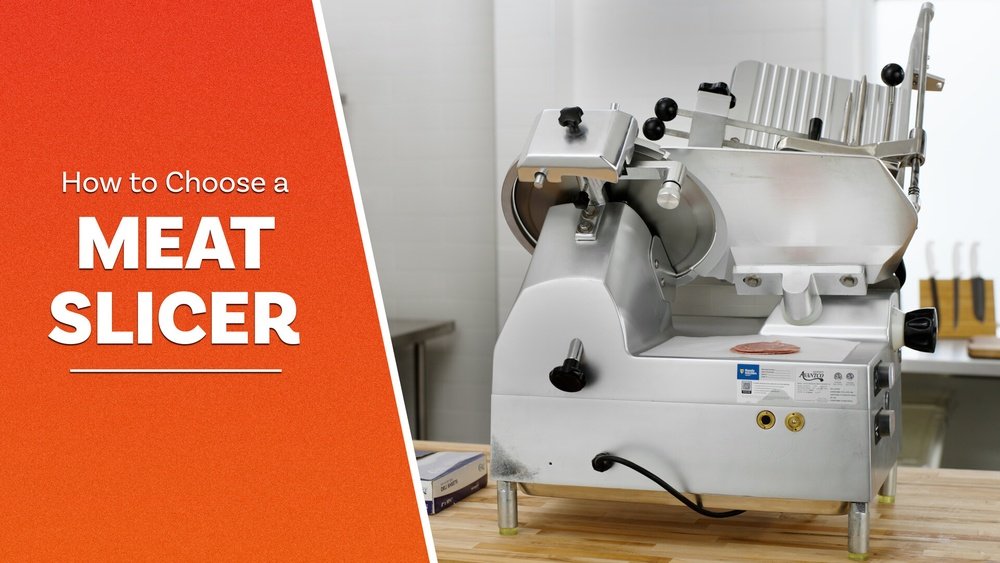
Buying a meat slicer can make life easier, especially if you love making sandwiches, slicing deli meats, or preparing food for a large family. But with so many options in the market, choosing the right meat slicer can feel confusing.
There are dozens of features, brands, and price ranges to consider. Should you choose a manual or electric slicer? What blade size is best? Is safety a real concern? This guide will walk you through every detail you need to know about how to choose a meat slicer—so you can invest with confidence, avoid common mistakes, and find the perfect slicer for your needs.
Understanding Meat Slicers
Before you buy, it helps to know what a meat slicer is and how it works. A meat slicer, sometimes called a deli slicer or food slicer, is a machine designed to cut meats, cheeses, and even vegetables into uniform slices. Most slicers have a rotating blade, an adjustable thickness control, and a tray or carriage to hold the food.
There are two main types:
- Manual meat slicers: You push the food across the blade by hand.
- Electric meat slicers: The machine does the work, rotating the blade automatically and sometimes moving the carriage.
Commercial kitchens often use heavy-duty slicers, while home models are lighter and smaller. Both types help you get thin, even slices that are hard to achieve with a kitchen knife.
Why Should You Own A Meat Slicer?
Many people wonder if a meat slicer is worth the investment. Here are some key reasons:
- Precision: Slicers let you control the thickness of every slice. Whether you want paper-thin prosciutto or thick roast beef, you get consistency every time.
- Saves Money: Buying whole cuts and slicing them at home is often cheaper than buying pre-sliced deli meats.
- Versatility: Meat slicers aren’t just for meat—they work with cheese, bread, fruits, and vegetables.
- Convenience: Preparing sandwiches, party platters, or meal preps becomes much faster.
- Better Quality: Slicing just before serving keeps food fresher and tastier.
These benefits are especially valuable for families, home cooks, hunters, or anyone who likes to entertain.
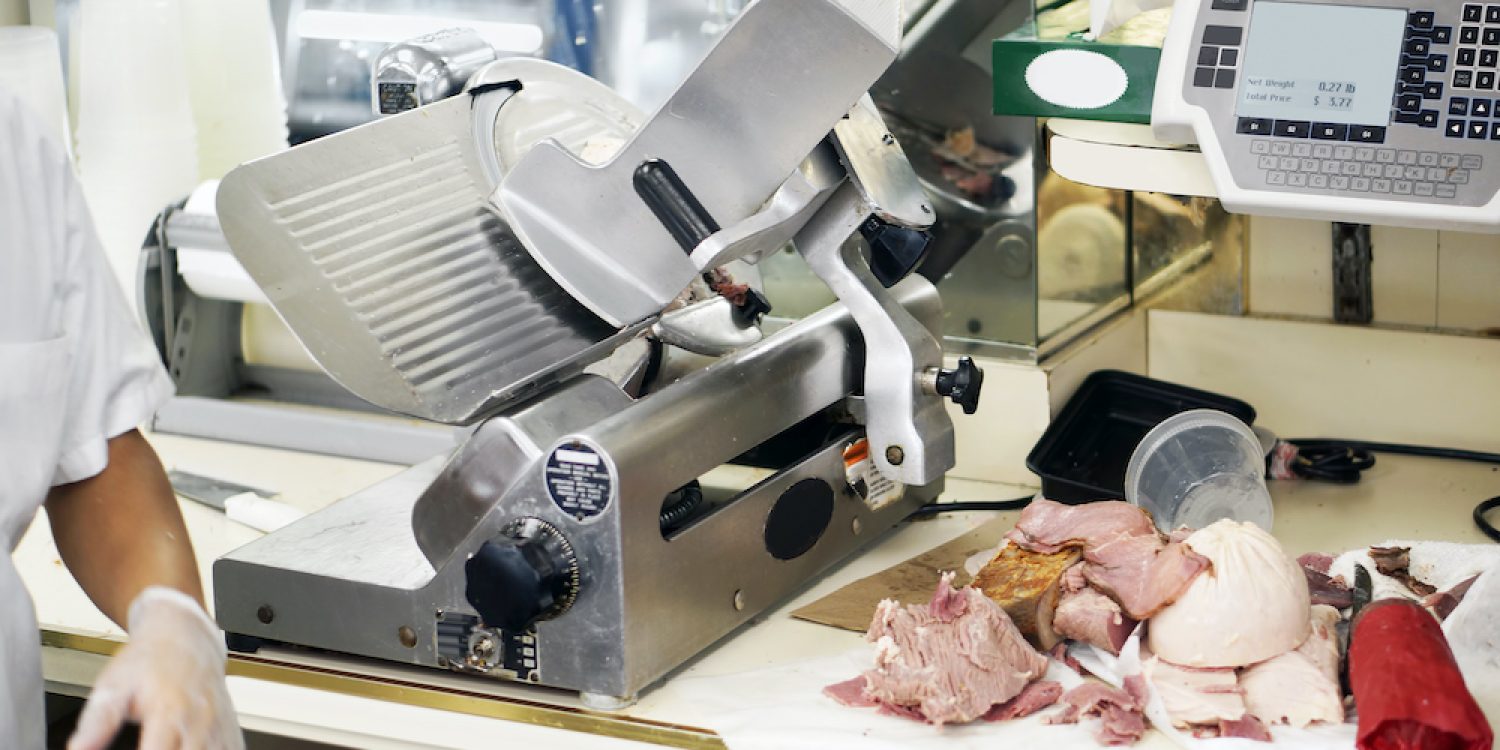
Credit: www.food-prep.com
Key Factors When Choosing A Meat Slicer
There are many meat slicers available, but not all are equal. To find the best one for your kitchen, pay attention to these important factors.
1. Intended Use: Home Vs. Commercial
First, think about how you’ll use the slicer. Are you planning to slice a few sandwiches each week or process large amounts of meat regularly?
- Home use: Lighter, more compact slicers are enough for most families.
- Commercial use: Restaurants, delis, or hunters need heavy-duty slicers that can run for hours.
If you try to use a light-duty slicer for heavy tasks, the motor may overheat or the blade may dull quickly.
2. Manual Vs. Electric
Manual slicers require more effort but give you more control. They are usually quieter and easier to clean. Electric slicers are faster and more consistent but can be harder to move and clean.
If you need to slice large quantities or want to save time, an electric meat slicer is usually the better choice. For occasional use, a manual slicer is often enough.
3. Blade Size And Type
Blade size affects what you can slice:
- 7–9 inches: Good for home use, sandwiches, and small roasts.
- 10–14 inches: Better for commercial use or large cuts.
Most blades are made from stainless steel. Some slicers offer serrated blades (good for bread or tough meats) and straight-edged blades (best for deli meats and cheese).
Example Table: Blade Sizes And Their Uses
| Blade Size | Best For | Typical Use |
|---|---|---|
| 7–8 inches | Small meats, cheese, vegetables | Home |
| 9–10 inches | Roasts, larger cheese blocks | Home & Small Business |
| 12–14 inches | Large meats, high volume | Commercial |
4. Motor Power
Motor power is measured in watts. The higher the wattage, the more powerful the slicer.
- 100–150 watts: Good for home use and small batches.
- 200+ watts: Needed for regular, heavy use.
A weak motor can slow down, especially when slicing tough or thick meats.
5. Slice Thickness Adjustment
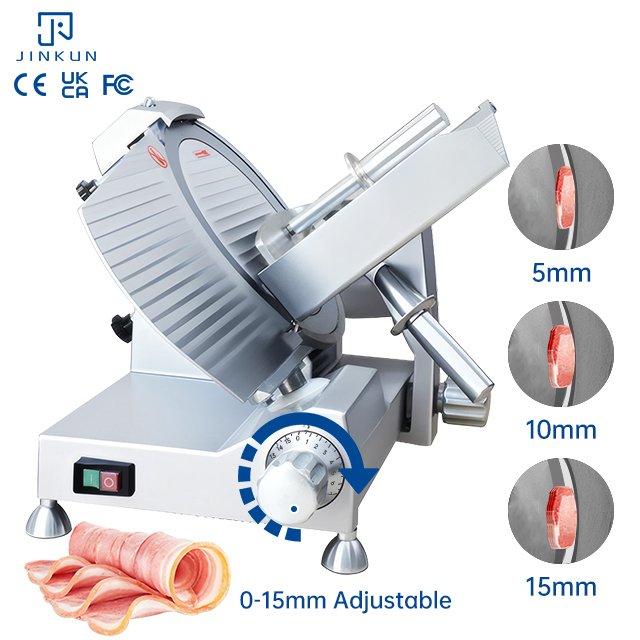
Most slicers let you adjust the thickness. Look for a model with a wide range (for example, 0–15 mm). This gives you flexibility for different foods.
Some cheap slicers have limited adjustment, which can be frustrating if you want both paper-thin and thick slices.
6. Safety Features
Meat slicers can be dangerous. Look for:
- Blade guard: Protects your hands from the sharp blade.
- Non-slip feet: Keeps the slicer stable on your counter.
- Food pusher or holder: Lets you keep your hands away from the blade.
- On/off switch with safety lock: Prevents accidents.
Always read the safety instructions and never rush when slicing.
7. Ease Of Cleaning
Slicers touch raw meat, so cleaning is critical. Models with removable blades and dishwasher-safe parts are easier to clean.
Avoid slicers with many hard-to-reach corners—bacteria can hide there.
8. Build Quality And Materials
Most home slicers are made from plastic and stainless steel. Commercial models often use more metal for durability.
A slicer that feels flimsy may not last long. Check user reviews for complaints about broken parts.
9. Size And Storage
Some slicers are bulky and heavy. If you have a small kitchen, measure your counter and storage space.
- Compact models: Easier to store, usually lighter.
- Large models: Heavier, take up more space, but often offer better performance.
10. Noise Level
Electric slicers can be noisy. If you have children or live in an apartment, look for a quieter model. Noise isn’t usually listed in the specs, so check user reviews for real-world comments.
11. Price And Warranty
Prices range from $50 to $500 or more. More expensive models usually offer better power, durability, and features.
- Under $100: Basic, light-duty slicers for occasional use.
- $100–$300: Good quality, suitable for most home cooks.
- $300+: Heavy-duty and commercial models.
A good warranty (at least 1 year) shows the company stands behind their product.
12. Brand Reputation And Reviews
Choose a well-known brand with positive customer feedback. Brands like Chef’sChoice, BESWOOD, Cuisinart, and KWS have strong reputations.
Check reviews for issues like motor burnout, blade dullness, or poor customer support.
Comparing Meat Slicer Features Side By Side
To help you understand the main differences, here’s a direct comparison of two popular slicer types:
| Feature | Home Slicer | Commercial Slicer |
|---|---|---|
| Blade Size | 7–9 inches | 10–14 inches |
| Motor Power | 100–150 watts | 200–300+ watts |
| Build Material | Plastic & stainless steel | All metal |
| Price Range | $50–$300 | $300–$1,000+ |
| Usage Time | 15–30 minutes max | Continuous use |
Credit: smartbuy.alibaba.com
Common Mistakes When Choosing A Meat Slicer
Many first-time buyers make mistakes that lead to regret. Here’s what to avoid:
- Buying Too Small: It’s tempting to save money with a compact slicer, but small blades can’t handle large roasts or blocks of cheese.
- Ignoring Motor Power: Weak motors struggle with tough meats and may burn out.
- Overlooking Safety: Slicers are sharp and can cause injury if not used carefully.
- Not Checking Cleaning Requirements: Complicated models take longer to clean, which discourages use.
- Forgetting About Noise: Some slicers are very loud, which can be annoying in small homes.
- Buying Without Warranty: If something breaks, you’ll want support from the company.
Non-obvious Insights For First-time Buyers
There are two things many new users miss:
- Sharpening the Blade: Even stainless steel blades need sharpening. Some slicers have built-in sharpeners, while others require a separate tool. Dull blades make slicing harder and can even be dangerous.
- The Importance of a Food Tray: Not all slicers come with a tray to catch the slices. Without one, slices can scatter, making cleanup harder.
Also, some slicers can handle frozen meat (partially thawed), which makes ultra-thin slicing easier. Always check the manual—forcing completely frozen meat through a slicer can damage the blade.
Real-life Examples: Choosing For Different Needs
For Sandwich Lovers
If you make sandwiches daily, look for:
- Blade: 7–9 inches
- Motor: 100–150 watts
- Thin/thick adjustment: 0–15 mm
- Food tray included
For Hunters Or Bulk Meat Processing
If you process large game or buy meat in bulk, you need:
- Blade: 10–12 inches
- Motor: 200+ watts
- Heavy-duty build
- Removable parts for cleaning
For Cheese And Vegetables
Some slicers struggle with soft cheese or juicy vegetables. Look for:
- Serrated blade option
- Non-slip feet
- Easy-clean design
Step-by-step Guide To Choosing Your Meat Slicer
- List Your Needs: How often will you use it? What foods will you slice?
- Set a Budget: Decide how much you want to spend. Remember, a higher price usually means better quality and safety.
- Choose Blade Size: Pick based on the size of food you’ll slice.
- Check Motor Power: Go for a more powerful motor if you’ll slice a lot or tough meats.
- Review Safety Features: Make sure your model has a blade guard and food pusher.
- Look at Cleaning: Removable, dishwasher-safe parts are best.
- Read Reviews: Look for real-world experience and customer feedback.
- Compare Warranties: At least one year is best.
- Measure Your Space: Make sure you have room to store and use the slicer.
- Buy From a Reputable Source: Trusted retailers or official brand websites are safer.
Meat Slicer Maintenance And Care
A good slicer lasts longer with proper care.
- Clean after every use: Food particles can cause bacteria and odors.
- Sharpen the blade regularly: Some slicers have built-in sharpeners.
- Check screws and bolts: Tighten as needed to avoid vibrations.
- Store safely: Keep out of reach of children.
Never immerse the motor in water. Always unplug before cleaning.
Meat Slicer Accessories You Might Need
Some accessories make using your slicer easier:
- Replacement blades: For different foods or as spares.
- Blade sharpener: If your model doesn’t have one built-in.
- Food tray: To catch slices neatly.
- Gloves: Cut-resistant gloves add extra safety.
These extras can often be bought from the same brand or online.
Popular Meat Slicer Brands
Some brands have a long history of quality:
- Chef’sChoice: Reliable, good for home use.
- BESWOOD: Known for commercial-grade slicers.
- Cuisinart: Affordable, user-friendly models.
- KWS: Heavy-duty, suitable for pros.
- OSTBA: Good value for beginners.
Always check the latest reviews, as new models come out every year.
How To Use A Meat Slicer Safely
Safety is crucial. Here’s a quick overview:
- Read the manual: Every model is different.
- Use the food pusher: Never use your hands to push food.
- Wear gloves: Cut-resistant gloves can prevent injuries.
- Keep the blade guard on: Only remove for cleaning.
- Unplug before cleaning: Avoid electric shock.
- Store safely: Out of reach of kids.
Remember, most accidents happen when users rush or skip safety steps.

Credit: www.dotbglobal.com
Comparing Manual Vs. Electric Meat Slicers
To make your choice easier, here’s a side-by-side comparison:
| Feature | Manual Slicer | Electric Slicer |
|---|---|---|
| Power source | Human effort | Electricity |
| Speed | Slower | Faster |
| Noise | Very quiet | Can be loud |
| Cleaning | Easier | More steps |
| Price | Lower | Higher |
| Control | High | Medium |
How To Get The Most From Your Meat Slicer
- Partially freeze meat: Chilling meat for 30–60 minutes before slicing helps get ultra-thin, even slices.
- Use the right blade: Switch between serrated and straight blades as needed.
- Slice only what you need: Sliced meat dries out faster than whole pieces.
- Clean right after use: Prevents residue buildup.
Many owners forget these tips, but they make a big difference in your results and the slicer’s life.
Sustainable And Safe Disposal
When your slicer reaches the end of its life, don’t just throw it in the trash. Many parts are recyclable—check with your local recycling center. Remove the blade and motor if possible, as these may require special handling.
Where To Learn More
For more detailed information about meat slicers, including food safety and equipment standards, see the Wikipedia entry on food slicers.
Frequently Asked Questions
What Foods Can I Slice With A Meat Slicer?
You can use a meat slicer for deli meats, cheese, bread, fruits, and vegetables. Some slicers can even handle partially frozen meat, making ultra-thin slicing easier. However, avoid bones, very hard frozen items, or foods not recommended in the manual.
How Do I Clean A Meat Slicer Safely?
Unplug the slicer first. Remove the blade if possible. Wash all food-contact parts in warm, soapy water. Some parts may be dishwasher-safe—check your manual. Wipe the body with a damp cloth. Dry all parts before reassembling.
How Often Should I Sharpen The Blade?
It depends on how often you use the slicer. For regular home use, sharpen every few months or when slicing feels harder. Commercial users may need to sharpen weekly. Some slicers have built-in sharpeners, while others require a separate tool.
Can I Slice Cheese With Every Meat Slicer?
Not all slicers handle cheese well. Soft cheeses can gum up the blade or slow the motor. If you want to slice cheese often, pick a slicer with a strong motor and preferably a serrated blade for best results.
Is It Safe To Let Children Use A Meat Slicer?
No. Meat slicers have very sharp blades and can cause serious injury. Only adults should operate them. Always use the blade guard and food pusher, and keep the slicer unplugged when not in use.
Choosing a meat slicer is not just about price or looks—it’s about finding the right fit for your kitchen, needs, and safety. With the tips and insights above, you’re ready to pick a model that will serve you well for years to come.
Enjoy fresher, tastier, and more convenient meals with your new meat slicer!