
Black residue on a cast iron skillet can be a real frustration, especially if you love cooking with this classic kitchen tool. You might notice black flecks in your food or sticky patches that don’t seem to go away, no matter how much you scrub.
Many people worry if their skillet is ruined, or if the residue is dangerous. The good news is that with the right methods, you can clean your cast iron and restore its smooth, natural surface. In this guide, you’ll learn everything you need to know about removing black residue from your skillet, why it happens, and how to prevent it in the future.
Even if you’re new to cast iron, you’ll feel confident handling your skillet by the end.
What Causes Black Residue On Cast Iron Skillets?
Understanding black residue starts with knowing what your skillet is made of and how it reacts to cooking and cleaning. Cast iron is a type of metal that needs seasoning—a layer of oil baked onto the surface. This seasoning protects the iron and makes it nonstick. When things go wrong, residue can build up.
Here are the main causes:
- Old seasoning flaking off – Over time, the protective seasoning layer can break down, especially if it was applied unevenly or burned.
- Carbon buildup – Cooking at very high heat or burning food creates a layer of carbon, which can rub off as black dust or flakes.
- Improper cleaning – Using harsh detergents or soaking your skillet in water can damage the seasoning, causing it to peel.
- Cooking acidic foods – Tomatoes, vinegar, and citrus can strip away seasoning, making the surface unstable.
- Oil polymerization issues – Using too much oil or not heating it correctly during seasoning can leave sticky, black patches.
A small amount of black residue is normal, especially with new skillets. But if you see a lot, or if it keeps coming back, it’s time for a deep clean.
Is Black Residue Harmful?
Many cooks worry if black residue is safe. The truth is, most of the time it’s not dangerous. Flakes of seasoning or carbon are not toxic, but they can make your food taste bitter or gritty. However, if you see rust or smell a chemical odor, it’s a sign of poor maintenance. In rare cases, a dirty skillet can harbor bacteria, but this is uncommon with regular use and proper drying.
If you notice a metallic taste, large flakes, or feel uncomfortable, it’s best to clean your skillet thoroughly before using it again.
Essential Tools And Materials
To remove black residue, you don’t need expensive or special equipment. Here’s what works best:
- Coarse salt (like kosher salt)
- Baking soda
- Stiff brush or scrubber (nylon or natural fiber)
- Plastic scraper
- Non-metallic sponge
- Paper towels or clean rags
- Mild dish soap (optional, for heavy cleaning)
- Vegetable oil, flaxseed oil, or canola oil (for reseasoning)
- Oven (for re-baking seasoning)
Some people use steel wool or metal brushes, but these can damage the pan if used too often. Stick with plastic or natural scrubbers for most jobs.
Step-by-step: How To Clean Black Residue Off Cast Iron Skillet
Let’s walk through the cleaning process. There are three main cleaning levels: light, moderate, and deep cleaning. Choose the method that matches your skillet’s condition.
Light Cleaning: For Mild Black Residue
If you see small black spots or dust, try this first.
- Wipe off loose residue. Use a dry paper towel to remove surface flakes.
- Scrub with coarse salt. Pour 2-3 tablespoons of coarse salt into the skillet. Use a paper towel or soft brush to scrub in circles. The salt acts as a gentle abrasive.
- Rinse with hot water. Quickly rinse the skillet under hot running water.
- Dry immediately. Wipe dry with a towel and heat on the stove for 2-3 minutes to remove moisture.
- Apply a thin oil layer. When cool, rub a light coat of oil onto the surface.
This method works for most daily cleaning needs.
Moderate Cleaning: For Sticky Or Stubborn Black Patches
If the residue is sticky or hard, you’ll need a deeper clean.
- Add baking soda paste. Mix 2 tablespoons baking soda with a little water to form a paste. Spread it over the black areas.
- Scrub with a non-metallic brush or sponge. Work in circles, focusing on problem spots.
- Rinse thoroughly. Wash off the paste with hot water.
- Use mild dish soap if needed. If the skillet is very dirty, use a drop of soap, but don’t soak the pan.
- Dry and oil. Dry as before, then rub with oil.
Moderate cleaning removes most burnt-on residue without harming the seasoning.
Deep Cleaning: For Heavy Black Residue Or Flaking Seasoning
If your skillet has thick, flaky black layers or nothing else works, it’s time for a full reset.
- Scrape off loose flakes. Use a plastic scraper to lift large pieces.
- Soak briefly (if needed). Fill with hot water and let soak for 10 minutes. Do not soak overnight.
- Scrub with steel wool or a chainmail scrubber. Only use these for deep buildup. Scrub until the surface feels smooth.
- Wash with dish soap. This is the only time soap is recommended for cast iron.
- Rinse and dry. Heat the skillet on the stove until completely dry.
- Reseason the skillet. Rub a thin layer of oil all over. Place upside down in a 450°F oven for 1 hour. Let cool in the oven.
After deep cleaning, your skillet may look gray or dull. That’s normal. Reseasoning will restore its nonstick surface and prevent future residue.
When To Reseason Your Cast Iron Skillet
Reseasoning is the process of rebuilding the protective oil layer. You should reseason if:
- The surface feels rough or sticky after cleaning
- You see dull gray patches or rust spots
- Food sticks more than usual
- The skillet has been deep cleaned with soap or steel wool
To reseason:
- Heat oven to 450°F (232°C).
- Coat skillet with a thin layer of oil. Use a paper towel to spread oil evenly (inside and out).
- Place skillet upside down on oven rack. Put a sheet of foil below to catch drips.
- Bake for 1 hour.
- Let cool in oven.
Repeat this process 2-3 times for a strong, smooth finish.
Common Mistakes That Cause Black Residue
Many people make small mistakes that lead to black residue. Avoid these to keep your skillet clean:
- Using too much oil during seasoning: Leaves sticky spots that attract dust.
- Overheating: Cooking on high heat burns oil and food, creating carbon.
- Using harsh soap or soaking: Strips seasoning and exposes iron.
- Not drying completely: Moisture leads to rust and flaking.
- Cooking acidic foods too soon: Tomatoes or vinegar can eat away at new seasoning.
A helpful tip: always start with a thin layer of oil and build up seasoning slowly. Rushing the process often causes problems.

Credit: www.reddit.com
Pro Tips For Preventing Black Residue
Prevention is easier than cleaning. Here’s how to keep your skillet in top shape:
- Use only a thin layer of oil for both cooking and seasoning.
- Preheat the skillet before adding food, but avoid smoking hot temperatures.
- Clean while the skillet is still warm. Residue comes off easier.
- Never soak your skillet in water.
- Dry immediately after washing, then add a light oil coat.
- Store in a dry place. Place a paper towel between stacked pans to absorb moisture.
- Avoid dishwashers or harsh cleaners.
Experienced cooks also say to use your skillet often. Regular cooking helps build up a stable, nonstick seasoning that resists residue.
Natural Cleaning Methods (no Chemicals)
For those who prefer natural solutions, these methods are effective and safe:
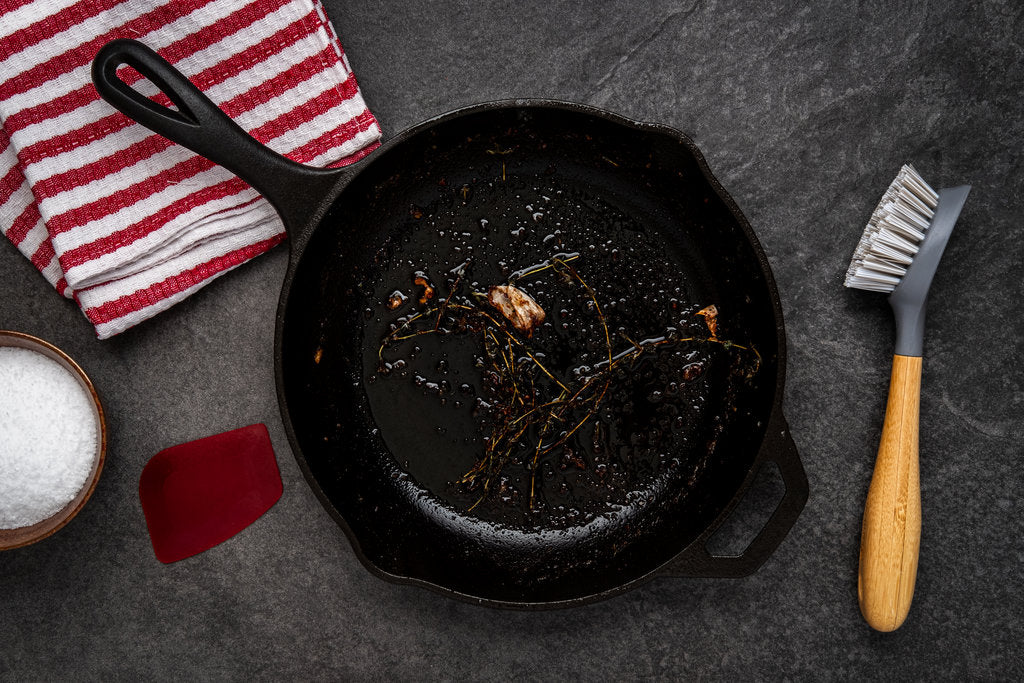
- Salt and potato scrub: Cut a raw potato in half. Dip the cut side in coarse salt and rub over the skillet. The combination lifts residue without scratching.
- Baking soda and vinegar (for rust): Sprinkle baking soda, then spray with vinegar. Let bubble, scrub, and rinse. Only use on rust, not for daily cleaning.
- Boiling water: For stuck-on food, fill the skillet with water and bring to a boil. Scrape gently with a wooden spoon.
Natural methods work well for most black residue and won’t harm your seasoning.
Credit: unocasa.com
Comparing Cleaning Methods
Different methods work better depending on the residue type. Here’s a side-by-side look:
| Method | Best for | Risks | Frequency |
|---|---|---|---|
| Coarse Salt Scrub | Light residue, daily cleaning | None if gentle | After each use |
| Baking Soda Paste | Sticky patches, moderate residue | May dull seasoning if overused | Monthly or as needed |
| Steel Wool/Chainmail | Heavy buildup, flaking seasoning | Can remove seasoning | Rarely (deep clean) |
| Dish Soap | Heavy cleaning, after rust | Strips seasoning | Only when necessary |
How To Tell If Your Skillet Is Clean Enough
A clean cast iron skillet should:
- Feel smooth to the touch (not sticky or rough)
- Have a dark, semi-glossy surface
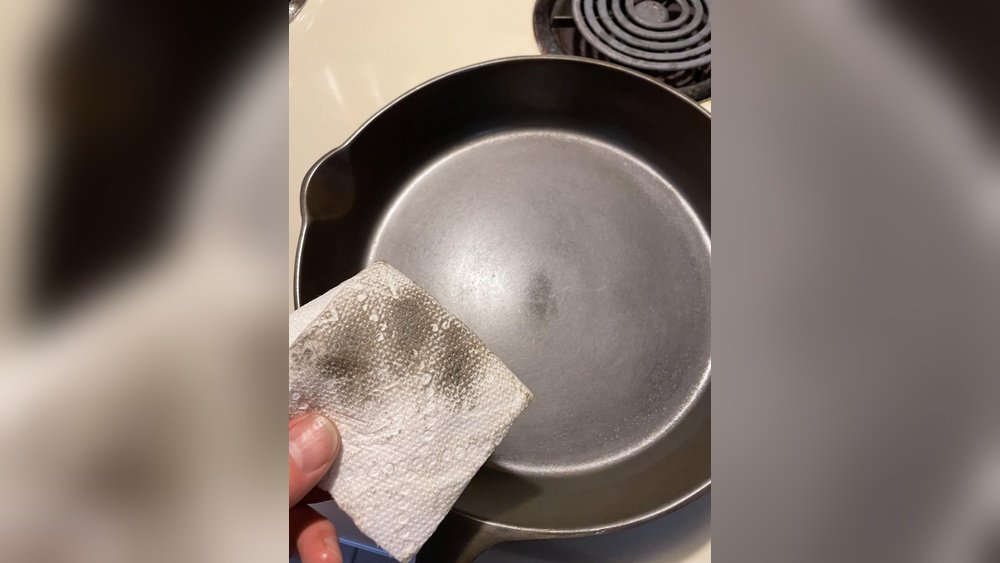
- Not leave black marks on a paper towel when wiped
- Food should not stick during cooking
If you still see black residue after cleaning, repeat the process or consider a deep clean and reseason.
How To Remove Black Residue From Vintage Or Rusty Cast Iron
Older skillets often have years of built-up residue or rust. Here’s how to restore them:
- Remove loose rust and flakes. Use a stiff brush or steel wool.
- Soak in vinegar solution (optional). Mix equal parts white vinegar and water. Soak for 1-2 hours, but not longer (vinegar can damage iron).
- Scrub and rinse. Remove from vinegar, scrub, and rinse thoroughly.
- Dry and heat. Place on the stove to dry.
- Reseason as described above.
Restoring vintage cast iron takes patience, but the results are worth it. A well-seasoned old skillet cooks better than new.
How To Maintain Cast Iron Skillets After Cleaning
Once your skillet is clean, keep it that way with these tips:
- Wipe with oil after every use. Even a small amount prevents rust and keeps the seasoning strong.
- Avoid acidic foods until the seasoning is well-developed.
- Store in a dry, cool place. Humidity causes rust and residue.
- Cook with it often. Regular use keeps the surface smooth.
If you see black residue return, don’t panic—just repeat the cleaning and keep up your maintenance routine.
Comparing Cast Iron To Other Cookware
Many people ask if cast iron is worth the effort. Here’s how it compares to other popular materials:
| Cookware Type | Nonstick Ability | Durability | Care Needed | Common Issues |
|---|---|---|---|---|
| Cast Iron | High (if seasoned) | Very durable | Moderate (seasoning, drying) | Black residue, rust |
| Stainless Steel | Low (food sticks easily) | Very durable | Low | Burnt spots, hard to clean |
| Nonstick (Teflon) | Very high | Low (coating scratches) | Low | Peeling, not for high heat |
| Ceramic | Medium | Medium | Medium | Chips, stains |
Cast iron offers a unique cooking experience, with high durability and flavor, but does require more care. The payoff is a pan that can last generations.
Signs You Need To Strip And Reseason Your Skillet
Sometimes, cleaning isn’t enough. If you see these signs, it’s time for a full seasoning reset:
- Large areas of flaking or sticky black residue
- Orange or brown rust spots
- Food always sticks, even with oil
- Dull, uneven color
To strip completely, use oven cleaner or a lye bath (advanced method), then follow seasoning steps. Most home cooks won’t need to do this more than once a year, if ever.
What To Avoid When Cleaning Cast Iron
For best results, avoid these common mistakes:
- Don’t use metal utensils aggressively—they can scratch the seasoning.
- Don’t use the dishwasher. The detergent and water can ruin the finish.
- Don’t leave your skillet wet. Always dry it right away.
- Don’t use too much oil when seasoning—thin layers work better.
- Don’t store food in your skillet. Acidic or salty foods can damage the surface.
A little care goes a long way with cast iron.
Long-term Care: Building A Nonstick Surface
A well-seasoned skillet develops a natural nonstick surface over time. Here’s how to build and keep it:
- Cook with oil or fat regularly—bacon, sausage, and fried foods help.
- Use gentle cleaning methods—avoid harsh scrubbing unless necessary.
- Apply thin oil coats after each wash.
- Bake in the oven for extra seasoning layers every few months.
With patience, your skillet will become smoother and more nonstick, and black residue will become less common.
Credit: unocasa.com
Troubleshooting: If Black Residue Keeps Returning
If you clean and reseason but still see black residue, check these issues:
- Water quality: Hard water can leave mineral spots that look like residue.
- Cooking temperature: Too high heat burns oil and food.
- Poor seasoning technique: Thick or uneven oil coats won’t bond properly.
- Old food buildup: Scrub thoroughly before each seasoning.
If nothing works, try stripping the seasoning and starting fresh. Sometimes, a new oil or a longer baking time helps.
Why Cast Iron Is Worth The Effort
Despite the care needed, cast iron skillets are loved by cooks for their unique flavor and durability. With the right cleaning methods, you can avoid the frustration of black residue and enjoy smooth, delicious cooking every time.
If you want to learn more about cast iron care, the Wikipedia guide to cast iron cookware offers more history and expert tips.
Frequently Asked Questions
How Often Should I Clean My Cast Iron Skillet?
Clean your skillet after every use. For daily cleaning, use coarse salt or a gentle brush. Deep cleaning is only needed if you see sticky black residue, rust, or flaking.
Can I Use Soap On My Cast Iron Skillet?
Yes, but only for heavy cleaning or after cooking very greasy foods. Mild dish soap will not harm your skillet if you reseason afterward. Avoid soaking in soapy water.
Is It Safe To Eat Food Cooked In A Skillet With Black Residue?
Small flakes of seasoning or carbon are not toxic, but they can taste bitter. If you see large flakes or smell anything unusual, clean your skillet before using it again.
What Oil Is Best For Seasoning Cast Iron?
Use oils with a high smoke point, such as canola oil, vegetable oil, or flaxseed oil. Avoid olive oil or butter, as they can burn and create sticky residue.
Why Does My Food Stick After Cleaning And Seasoning?
Sticky food usually means the seasoning is not built up enough, or you used too much oil during seasoning. Try reseasoning with thinner oil layers, and use your skillet often to improve the nonstick surface.
Keeping your cast iron skillet clean and free from black residue is easier than it seems. With these simple steps and a little patience, you’ll enjoy great meals and a skillet that lasts for years.