
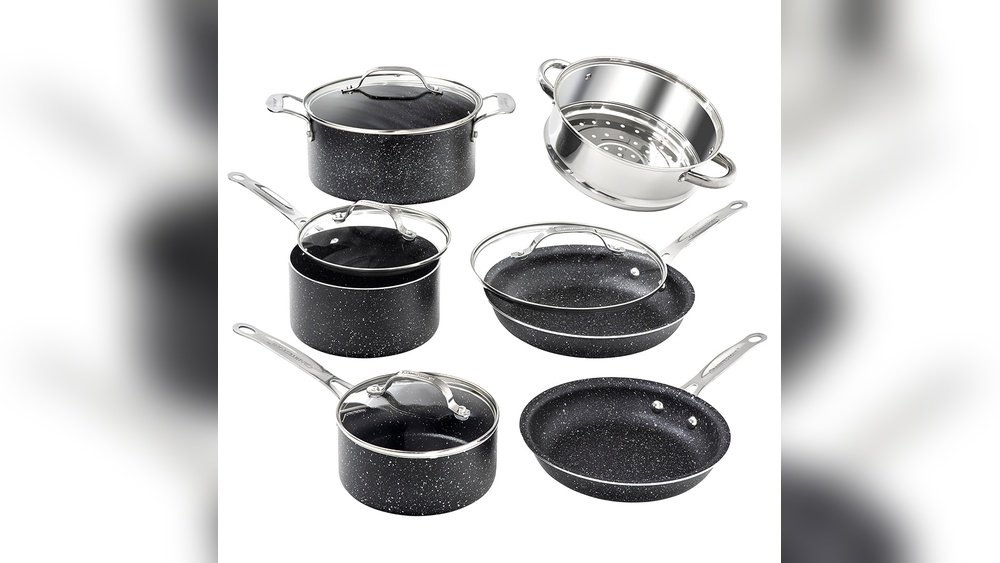
Cooking at home has changed a lot over the past decade. Many people are looking for pans that are easy to use, safe, and make food taste great. One of the most talked-about choices is the granite stone pan. These pans often have a shiny, speckled look, and many brands claim they are non-stick, durable, and healthy. But are granite stone pans as good as they sound?
If you’ve ever stood in a kitchenware store, you probably noticed there are so many types of pans: stainless steel, cast iron, ceramic, Teflon-coated, and now granite stone. Each type has its own fans and critics. Granite stone pans are often marketed as the next step in non-stick technology, offering the best of both worlds—easy cooking and a safe surface. But is this true? Or is it just clever marketing?
This article will guide you through everything you need to know about granite stone pans. We’ll look at how they’re made, their benefits and downsides, how they compare to other pans, what to look for when buying, and how to care for them.
You’ll also see real data, practical examples, and honest advice. By the end, you’ll know if a granite stone pan is the right choice for your kitchen.
What Are Granite Stone Pans?
Granite stone pans are not actually made from natural granite rock. Instead, the name comes from their appearance and the materials used in their coating. Most granite stone pans have a base made from aluminum or stainless steel. This base is then covered with several layers of non-stick material. The outer layer often contains mineral particles that give it a speckled, granite-like look.
There are two main types of non-stick coatings used in these pans:
- PTFE-based coating: This is the same material found in Teflon pans. It’s known for excellent non-stick performance but has raised health concerns if overheated.
- Ceramic-based coating: Some granite stone pans use a ceramic layer, which is PTFE-free and often considered more eco-friendly.
The granite stone coating is designed to be harder and more scratch-resistant than older non-stick surfaces. However, the “granite” part is mostly about marketing and appearance rather than a real granite material. Most pans do not contain real granite, but they may include small stone particles for added strength.
How Are Granite Stone Pans Made?
The process to create a granite stone pan involves several steps:
- Base Creation: The core is usually made from pressed aluminum or steel. Aluminum is lightweight and heats up quickly, while steel is heavier and more durable.
- Non-Stick Layer Application: Multiple layers of non-stick material are sprayed or rolled onto the base. This layer is often infused with ceramic or stone-like particles to increase hardness.
- Granite-Like Finish: The final layer is sprayed with a speckled pattern to create the look of granite. Sometimes, real stone particles are added, but usually, it’s just a mineral mix.
- Curing: The pan is heated in an oven to cure the non-stick layers. This process bonds the coating to the metal and makes it durable.
- Quality Check: Each pan is tested for coating thickness, evenness, and non-stick ability before being packaged.
Many brands highlight that their pans are PFOA-free, which means they do not use a chemical that was once common in non-stick cookware but has been linked to health problems.

Credit: www.amazon.com
Key Benefits Of Granite Stone Pans
Granite stone pans have become popular for several reasons. Here are the main benefits that make them attractive to home cooks:
1. Non-stick Performance
One of the biggest selling points is the non-stick surface. Food like eggs, pancakes, and fish can be cooked with little or no oil. This makes the pans ideal for people who want to cook healthier meals without sacrificing taste or convenience.
2. Easy To Clean
Because food doesn’t stick to the surface, cleaning is usually simple. Most granite stone pans can be wiped clean with a sponge and a little soap. Some brands even say their pans are dishwasher safe, but hand washing is still recommended for a longer-lasting surface.
3. Scratch Resistance
The mineral-infused coating is harder than older non-stick pans. You can use wooden, silicone, and sometimes even metal utensils without scratching the surface—though using metal is never fully risk-free.
4. Attractive Appearance
The speckled, shiny finish looks modern and stylish in any kitchen. Granite stone pans often come with glass lids and stay-cool handles, making them visually appealing as well as practical.
5. Quick And Even Heating
Most granite stone pans have an aluminum base, which means they heat up quickly and distribute heat evenly. This helps prevent hot spots that can burn your food.
6. Healthy Cooking
Because you need less oil or butter, you can prepare meals with fewer calories and less fat. Also, the coatings are usually PFOA-free and sometimes PTFE-free, which gives peace of mind to health-conscious cooks.
7. Lightweight
Compared to cast iron or stainless steel pans, granite stone pans are much lighter. This makes them easier to handle, especially for people who have trouble lifting heavy cookware.
Common Downsides Of Granite Stone Pans
No pan is perfect, and granite stone pans have their own disadvantages. It’s important to know these before making a purchase.
1. Coating Can Wear Off
Even the best non-stick surface will eventually break down. Over time, repeated use and cleaning can cause the coating to thin out and lose its non-stick power. This is especially true if you use metal utensils or cook on high heat often.
2. Not For High-heat Cooking
Granite stone pans are usually not designed for high-temperature cooking, such as searing steaks or broiling. Overheating can damage the non-stick surface and release fumes if the pan uses a PTFE-based coating. Most brands recommend keeping the heat at medium or lower.
3. Mixed Performance With Induction Stoves
Some granite stone pans do not work well on induction cooktops. This is because aluminum (a common base material) is not magnetic. However, some pans include a steel plate to make them induction-compatible.
4. Limited Oven Safety
While many granite stone pans can go in the oven, they usually have a maximum oven-safe temperature (often 350°F to 500°F). Using them above this range can damage the coating or warp the pan.
5. Shorter Lifespan Than Some Alternatives
Compared to high-quality stainless steel or cast iron pans, granite stone pans may not last as long. Most non-stick pans, including granite stone types, have a lifespan of 2 to 5 years with regular use.
6. Potential For Misleading Marketing
Not all brands use the same quality of materials. Some “granite” pans are just regular non-stick pans with a speckled look. It can be hard for buyers to tell the difference between a true high-quality granite stone pan and a cheap imitation.
How Granite Stone Pans Compare To Other Types Of Pans
To truly understand the value of granite stone pans, it helps to see how they stack up against other common cookware. Below is a comparison that highlights the main differences.
| Type of Pan | Non-Stick | Durability | Ease of Cleaning | Weight | Oven Safe | Induction Compatible |
|---|---|---|---|---|---|---|
| Granite Stone | Excellent | Moderate | Easy | Light | Yes (to a point) | Some models |
| Ceramic-Coated | Very Good | Moderate | Easy | Light | Yes (limited) | Some models |
| Cast Iron | Good (if seasoned) | Excellent | Medium | Heavy | Yes (high temp) | Yes |
| Stainless Steel | Poor | Excellent | Harder | Medium-Heavy | Yes (high temp) | Yes |
| Teflon (PTFE) | Excellent | Low-Moderate | Easy | Light | Yes (limited) | Some models |
From this table, you can see that granite stone pans offer excellent non-stick performance and are easy to clean, but their durability is only moderate. Cast iron and stainless steel pans last longer but are harder to clean and use.
What Makes A Good Granite Stone Pan?
Not all granite stone pans are created equal. Some brands use better materials, thicker coatings, or higher-quality manufacturing. Here’s what to look for if you want a pan that lasts and performs well:
1. Number Of Coating Layers
A good granite stone pan usually has at least three layers of non-stick coating. More layers can mean better durability and non-stick performance. Cheaper pans may only have one or two thin layers, which wear out quickly.
2. Base Material
A thick, heavy base (often aluminum with a steel plate) helps the pan heat evenly and prevents warping. If the pan feels very light and thin, it might not last long.
3. Handle Quality
Look for stay-cool handles that are securely attached with rivets or strong screws. Avoid pans with plastic handles if you want to use the pan in the oven.
4. Compatibility
Check if the pan works with your stove. For induction cooktops, make sure the pan says “induction compatible. ”
5. Warranty
Some top brands offer a warranty of 1-3 years. This shows they trust their own quality.
6. Real User Reviews
Read reviews from real users. Look for feedback about how the pan performs after six months or a year—not just when it’s brand new.
Real-life Cooking Experience
It’s one thing to read about features, but what is it actually like to use a granite stone pan every day? Here are some insights based on real kitchen use:
- Eggs slide right off: For the first year, most granite stone pans let you make perfect eggs with almost no oil. This makes breakfast much easier.
- Pancakes and fish don’t stick: Delicate foods that usually break apart on steel pans come out whole and golden brown.
- Cleanup is fast: A quick wipe with a sponge and soap removes most food. Sticky sauces rinse away easily.
- Even browning: The pan heats quickly and browns pancakes or chicken evenly, with fewer hot spots than cheap non-stick pans.
- No weird flavors: Unlike some older non-stick pans, granite stone pans do not give food a chemical taste or smell.
However, after about two years, you might notice the non-stick surface isn’t as strong. Foods that once slid off easily may start to stick a bit, especially if the pan has been used on high heat or cleaned in the dishwasher often.
Myths And Misunderstandings
Granite stone pans are the subject of several myths. Let’s clear up some common misunderstandings:
Myth 1: Granite Stone Means Real Granite
Most granite stone pans do not contain real granite. The name refers to the look and sometimes the presence of small mineral particles in the coating. It is not a solid stone pan.
Myth 2: 100% Safe At Any Temperature
Even though many granite stone pans are PFOA-free, overheating them can still release fumes if the coating is PTFE-based. Always use medium or low heat to be safe.
Myth 3: Metal Utensils Are Always Safe
Some brands say you can use metal utensils, but this is risky. Even if the pan is scratch-resistant, using sharp or rough tools can damage the surface over time. Stick to wood, silicone, or plastic for the best results.
Myth 4: Dishwasher-proof Means Indestructible
Some pans are labeled as “dishwasher safe,” but frequent dishwashing can reduce the life of the non-stick surface. Hand washing with a soft sponge is always best.
Practical Tips For Using Granite Stone Pans
To get the most from your granite stone pan, follow these simple guidelines:
- Preheat gently: Do not heat the pan empty on high. Let it warm up gradually with a little oil or water.
- Use the right utensils: Choose wood, silicone, or plastic tools to avoid scratches.
- Hand wash only: Clean with warm soapy water and a soft sponge. Avoid steel wool or harsh scrubbers.
- Avoid cooking sprays: Aerosol sprays can leave a residue that builds up and ruins the non-stick surface.
- Store carefully: If you need to stack pans, place a paper towel or soft cloth between them.
- Do not cut food in the pan: Knives and sharp objects can scratch the coating, even if it seems tough.
How Long Do Granite Stone Pans Last?
The lifespan of a granite stone pan depends on several factors:
- Frequency of use: Daily use will wear out the non-stick faster than occasional use.
- Type of cooking: High-heat cooking shortens the pan’s life.
- Cleaning method: Hand washing is gentler than dishwashing.
- Care: Using proper utensils and storing the pan carefully adds years to its life.
Most granite stone pans last between 2 and 5 years with regular home use. After this, the non-stick surface may lose its power, but the pan itself can still be used for roasting or as a regular fry pan.
Are Granite Stone Pans Safe?
Safety is one of the main reasons people choose granite stone pans. Here’s what you need to know:
- PFOA-free: Most modern granite stone pans do not use this harmful chemical.
- PTFE: Some pans still use PTFE (like Teflon). PTFE is safe at low to medium heat, but should not be overheated.
- No heavy metals: High-quality granite stone pans are free from lead and cadmium.
- Food safety: As long as the coating is not chipped or flaking, food cooked in these pans is safe.
If the pan’s coating is damaged, stop using it for food. This applies to all non-stick pans, not just granite stone types.
Environmental Impact
Many buyers are now concerned about how products affect the planet. Granite stone pans are often marketed as eco-friendly, but the reality is mixed.
- Non-stick coatings: Ceramic-based coatings are more eco-friendly than PTFE, but both require energy and chemicals to make.
- Recyclability: Most granite stone pans can’t be recycled in regular home bins because of their mixed materials.
- Longer life equals less waste: Taking care of your pan so it lasts longer is better for the environment.
If you want the greenest option, look for pans with a ceramic-based coating and minimal packaging.
Credit: www.consumerreports.org
Price And Value For Money
Granite stone pans are available at many price points. You can find options as low as $20 and as high as $100 or more for a single pan.
- Cheap pans ($20-$30): Usually have thinner coatings, lighter bases, and may only last a year or two.
- Mid-range ($30-$60): Better build quality, more layers, and often a warranty.
- Premium ($60-$100+): Thicker bases, top-quality coatings, stay-cool handles, and longer warranties.
Is it worth paying more? Often, yes. A mid-range or premium pan will last longer and perform better, saving you money and frustration in the long run.
Best Uses For Granite Stone Pans
Granite stone pans shine in certain types of cooking. Here’s where they really stand out:
1. Eggs And Omelets
The ultra-smooth surface is perfect for eggs, which can be tricky in other pans. You can make omelets, scrambled eggs, or sunny-side-up eggs with almost no sticking.
2. Pancakes And Crepes
Granite stone pans spread heat evenly and release pancakes easily, giving you a golden, even color.
3. Fish And Delicate Proteins
Fish fillets, tofu, and other soft proteins often stick to steel pans. Granite stone pans let you cook them without breaking or tearing.
4. Stir-fries
Quick cooking at medium heat with veggies, meat, or tofu works well. The pan’s surface helps prevent burning and sticking.
5. Reheating Leftovers
Because the pan heats quickly and is easy to clean, it’s great for reheating without drying out food.
However, for high-heat searing, baking bread, or roasting at very high temperatures, cast iron or stainless steel is a better choice.
Real User Experiences: What Do Reviews Say?
Thousands of buyers have shared their opinions online. Here’s a summary of what real users often report after months of use:
- First 6 months: Most users love the non-stick surface. “Eggs slide right off!” is a common comment.
- 1 year in: Some users notice the surface is less slick, especially if they used the pan on high heat or in the dishwasher.
- After 2 years: Some pans start to stick, especially if the coating is thin. Users who hand wash and use low heat report better results.
- Handle comfort: Many users like the stay-cool handles. A few say handles can loosen over time.
- Induction issues: Some buyers are disappointed when the pan does not work on their induction stove. Always check compatibility before buying.
A common insight missed by beginners is that the brand’s reputation matters. Lesser-known brands sometimes cut corners on coating quality or handle strength, which means the pan wears out faster.
Another non-obvious tip: Never store your pan stacked with heavy pots on top. Even a tough coating can be damaged by pressure and rubbing.
Granite Stone Pan Vs. Ceramic Pan: A Closer Look
Many people wonder whether to choose a granite stone pan or a ceramic-coated pan. Here’s a direct comparison:
| Feature | Granite Stone Pan | Ceramic Pan |
|---|---|---|
| Non-Stick Power | Excellent | Very Good |
| Durability | Moderate | Moderate |
| Heat Tolerance | Medium | Medium-High |
| Health Concerns | Low (if not overheated) | Very Low |
| Eco-Friendliness | Medium | High |
| Price Range | Low-Mid | Low-Mid |
Both are good choices for non-stick cooking, but ceramic pans may be slightly more eco-friendly and have fewer health concerns at high heat.
How To Choose The Right Granite Stone Pan For You
If you decide a granite stone pan is right for your kitchen, consider these factors:
- Size: 8–10 inch pans are best for eggs and small meals, while 12–14 inch pans are better for families.
- Shape: Deeper pans work for stir-fries and sauces; shallow pans are better for pancakes and eggs.
- Lid: Some pans come with a glass lid, which is useful for steaming or simmering.
- Brand reputation: Choose brands with positive, long-term reviews.
- Warranty: A longer warranty means more confidence from the maker.
Proper Care To Maximize Lifespan
Getting the most value from your granite stone pan means taking good care of it. Here’s a step-by-step care guide:
- Before first use: Wash with warm soapy water, rinse, and dry.
- Season the pan (if recommended): Some brands suggest rubbing a little oil on the surface before first use.
- Never overheat: Keep heat at medium or below.
- Avoid abrupt temperature changes: Don’t put a hot pan in cold water—this can warp the metal.
- Clean after each use: Even if the pan looks clean, wash it to remove oil and food bits.
- Dry completely: Water left on the pan can cause stains.
- Store carefully: Use a cloth or paper towel if stacking with other pans.
Credit: www.consumerreports.org
Are Granite Stone Pans Worth Buying?
So, after all this information, is a granite stone pan a smart buy? For most home cooks, the answer is yes—with some limits. They offer a great non-stick surface, easy cleaning, and a modern look. They are perfect for eggs, pancakes, and everyday frying.
But they are not as tough as cast iron or stainless steel, and their non-stick power will fade after a few years.
A granite stone pan can be a smart addition to your kitchen if you:
- Want easy, healthy cooking with little oil
- Don’t need high-heat searing
- Are willing to replace the pan after 2–5 years
- Can care for it properly
If you want a pan that will last a lifetime, consider stainless steel or cast iron. But if you value convenience and non-stick performance, granite stone pans are a solid choice.
For more on cookware safety and materials, you can check the information from the Wikipedia Cookware page.
Frequently Asked Questions
What Is The Main Difference Between Granite Stone Pans And Regular Non-stick Pans?
The main difference is the coating. Granite stone pans often have a mineral-infused, multi-layer non-stick surface that is more scratch-resistant and sometimes safer than older Teflon pans. They also have a unique speckled look.
Are Granite Stone Pans Really Non-stick Without Oil?
Yes, for the first year or two, you can cook eggs and pancakes with little or no oil. Over time, the non-stick effect can fade, and you may need to add a small amount of oil or butter.
Can Granite Stone Pans Go In The Dishwasher?
Some are labeled as dishwasher safe, but hand washing is always safer for the coating. Dishwashing can shorten the non-stick lifespan, especially with harsh detergents.
Are Granite Stone Pans Safe For People With Allergies?
Yes, they are usually PFOA-free and do not release allergens. Just make sure the pan is not damaged or flaking, and always check the brand’s safety information if you have chemical sensitivities.
How Do I Know If My Granite Stone Pan Is Induction Compatible?
Check the packaging or the bottom of the pan. If it has a magnetic steel plate or says “induction ready,” it will work on induction cooktops. If not, it may only work on gas or electric stoves.
Choosing the right cookware can be confusing, but with the facts and tips above, you’re ready to decide if a granite stone pan is the next tool your kitchen needs.