
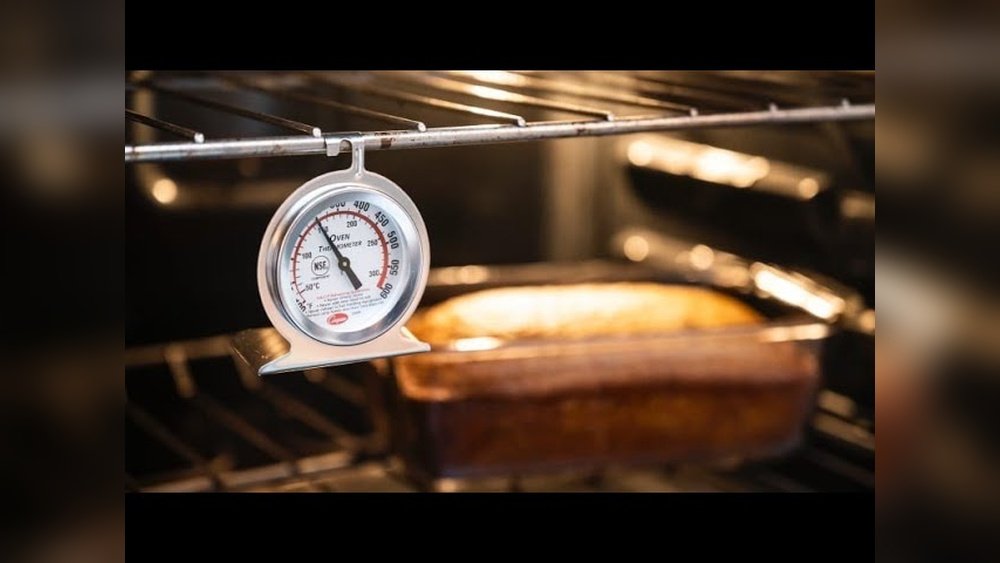
Using an oven thermometer is one of those simple kitchen tricks that separates good cooks from great ones. The oven dial might say 350°F, but is it really that hot inside? Many home ovens can be off by 10, 20, or even 50 degrees.
That difference can turn perfect cookies into burnt ones or make a roast take an hour longer than expected. Learning how to use a thermometer in your oven is a skill that ensures your food cooks properly every time. In this guide, you’ll discover not just how to use a thermometer, but why it matters, which thermometer to pick, common mistakes to avoid, and expert tips to get the most from your cooking.
Why Oven Temperature Matters
Oven temperature affects everything you bake or roast. Even if you follow a recipe exactly, if your oven runs hot or cold, your results can suffer. Cakes may rise unevenly, bread crusts might stay pale, and meat could dry out or remain raw inside.
Professional chefs always verify oven temperatures with a thermometer. Home ovens, especially older ones, can have “hot spots”—areas that are hotter or cooler than the dial setting. This can make baking unpredictable. For example, a test by America’s Test Kitchen found home ovens varied by up to 90°F, which is enough to ruin delicate baked goods.
A reliable oven thermometer removes guesswork. It lets you confirm the real temperature, so you can adjust the dial or your cooking time. This single tool can improve your baking, roasting, and even reheating leftovers.
Types Of Oven Thermometers
Choosing the right thermometer is the first step. There are a few main types, each with pros and cons.
| Type | Description | Best For |
|---|---|---|
| Dial (Analog) | Simple, round face with a needle that points to the temperature. No batteries needed. | Everyday baking and roasting |
| Digital Oven Thermometer | Shows exact temperature on a digital screen. Some have alarms and timers. | Precision cooking, frequent use |
| Probe Thermometer | Metal probe stays in the food or oven, attached to a display outside the oven. | Meat roasting, long bakes |
| Infrared Thermometer | Measures surface temperature with a laser. Does not measure air temperature. | Checking hot spots, pizza stones |
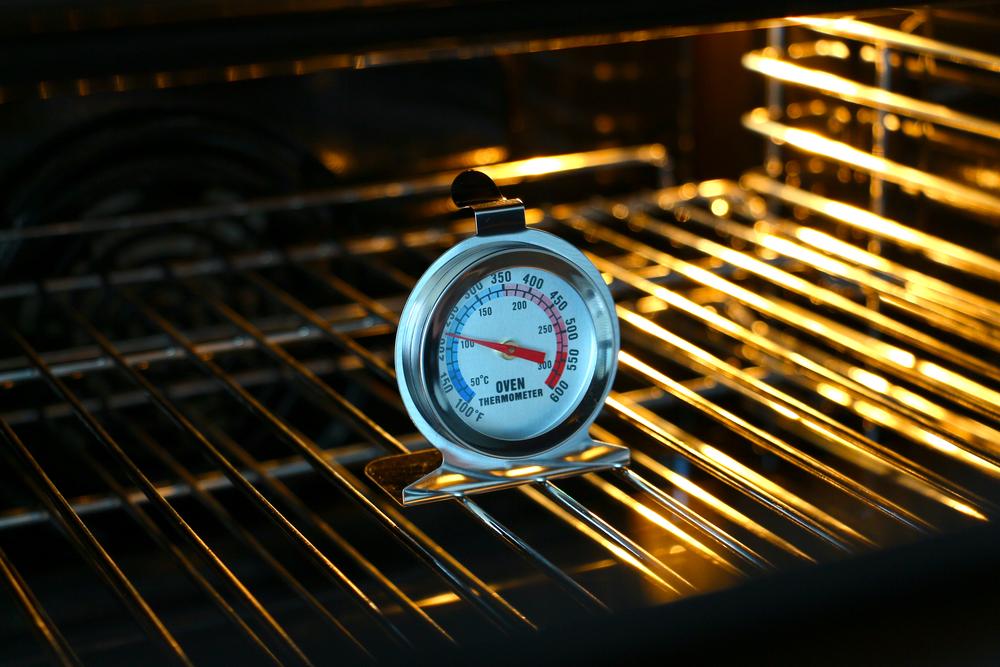
Most home cooks use a dial oven thermometer because it’s cheap and easy to read. However, digital models are becoming popular for their accuracy. It’s important to buy one that’s oven-safe and can handle temperatures up to 600°F.
How To Place An Oven Thermometer
Where you put your thermometer in the oven makes a big difference. The goal is to measure the temperature where your food will be.
1. Middle Rack Placement
Place the thermometer on the center rack, in the middle of the oven from side to side. This spot gives the most accurate reading for most recipes.
2. Move For Baking Or Roasting
If you’re baking cookies or cakes, leave the thermometer where your pan will go. For roasting a turkey, set it near the center but not touching the bird.
3. Avoid Touching Walls Or Racks
Don’t let the thermometer touch oven walls or racks, as this can give a false reading.
4. Testing Hot Spots
Move the thermometer to different spots (front, back, sides) and record the temperature to find any hot or cold zones.
Common Mistakes In Placement
- Placing the thermometer at the very bottom or top (these areas are usually hotter).
- Letting it touch the oven’s heating element.
- Keeping it too close to the oven door, where heat escapes.
Remember, the temperature can change several degrees in different areas. A two-minute test: after the oven is preheated, move the thermometer around. This helps you learn your oven’s quirks.
Step-by-step: How To Use A Thermometer In Your Oven
Here’s a simple process to make sure you’re using your oven thermometer correctly:
1. Start With A Cool Oven
Place your thermometer on the center rack before turning the oven on. This avoids burns and lets the thermometer heat up evenly.
2. Set The Oven Dial
Turn your oven to the temperature you need (for example, 350°F).
3. Wait For Preheating
Allow the oven to preheat fully. Most ovens beep or turn off a light when they reach the set temperature, but this isn’t always accurate.
4. Check The Thermometer Reading
Open the oven just enough to read the thermometer. If it matches your set temperature, you’re good to go. If not, note the difference.
5. Adjust The Oven Dial If Needed
If your oven runs cold (thermometer reads 325°F instead of 350°F), increase the setting until the thermometer reads the right temperature. If it runs hot, lower the dial.
6. Recheck After Adjusting
Wait five more minutes, then check the thermometer again. Repeat adjustments if needed.
7. Monitor Temperature During Cooking
Ovens can lose heat when you open the door. Check the thermometer every 20–30 minutes for long recipes.
8. Remove The Thermometer Safely
Use an oven mitt when removing the thermometer—it will be very hot.
Real-world Example: Calibrating A Home Oven
Imagine you set your oven to 400°F to roast vegetables. After preheating, your thermometer shows only 375°F. This means your oven is running cool by 25°F. Next time, set it to 425°F when you need 400°F.
If you notice your food is always burning, check if your oven is actually hotter than the dial says. This small check can save you from ruined meals.
Cleaning And Caring For Your Oven Thermometer
A thermometer with grease or baked-on food can be hard to read and less accurate. Here’s how to keep it in top shape:
- Clean Regularly: Wipe with a damp cloth after use. For stubborn stains, soak in warm soapy water, then scrub gently with a sponge.
- Avoid Abrasives: Don’t use steel wool or harsh cleaners, which can scratch the surface.
- Check for Damage: If the lens is cracked or foggy, replace the thermometer.
- Store Safely: Keep it in a drawer away from other tools to prevent bending the probe or dial.
Advanced Tips For Oven Thermometer Users
Once you’re comfortable using a basic oven thermometer, try these expert strategies:
1. Test Your Oven’s Preheat Accuracy
Some ovens say they’re ready in just 5–10 minutes, but the air inside may still be heating up. Put your thermometer in and wait 20 minutes after the oven signals “ready. ” Check if the temperature is steady. If not, always give your oven extra time.
2. Find Hot Spots
Move your thermometer to all four corners and the center. Let it sit in each spot for 10 minutes at a set temperature. Record each reading. This map helps you know where to bake delicate items or where to avoid over-browning.
3. Use Two Thermometers
For very precise baking (like macarons or artisan bread), use two thermometers—one in the front, one in the back. This shows if your oven heats evenly or if you need to rotate your pans.
4. Monitor During Long Roasts
For recipes over an hour, check your thermometer every 30 minutes. Some ovens cycle on and off, causing swings in temperature.
5. Calibrate Your Oven Regularly
Check your oven’s accuracy every few months, especially before holidays or big baking projects.
Oven Thermometer Vs. Meat Thermometer
It’s easy to confuse these two tools, but they’re designed for different jobs.
| Feature | Oven Thermometer | Meat Thermometer |
|---|---|---|
| Purpose | Measures air temperature inside oven | Measures internal temperature of food |
| Placement | Placed on oven rack | Inserted into food |
| Safe Temp Range | Typically up to 600°F | Usually up to 200–250°F |
| Usage | For all baking, roasting | Cooking meat, poultry, fish |
Remember, using a meat thermometer to check oven air temperature won’t give accurate results. Always use the right tool for the job.
Selecting A Good Oven Thermometer
Not all oven thermometers are created equal. Here’s what matters most:
- Accuracy: Look for models with proven accuracy. Check reviews or ask kitchen professionals.
- Temperature Range: Make sure it covers 100–600°F, so it works for all recipes.
- Easy to Read: Large numbers and a clear face are best, especially for older eyes.
- Durability: Stainless steel models last longer and resist rust.
- Stable Base or Hook: A flat base lets you stand it up; a hook allows hanging from a rack.
Popular brands include Taylor, CDN, and OXO. Avoid very cheap thermometers, which can be inaccurate or break easily.
Common Myths About Oven Thermometers
Many cooks believe these myths:
- “My new oven doesn’t need a thermometer.”
Even brand-new ovens can be off. Testing is always wise.
- “Preheating always means the oven is ready.”
Preheat signals can be wrong. Rely on your thermometer, not just the beep.
- “All spots in the oven are the same temperature.”
Ovens almost always have hot and cold spots.
Knowing the truth saves you from baking disasters.
Troubleshooting Oven Temperature Issues
If your thermometer shows a big difference from your oven dial, here’s what to do:
1. Recalibrate The Oven (if Possible)
Many modern ovens let you adjust the dial. Check your manual for instructions.
2. Adjust Cooking Temperature Manually
If you can’t recalibrate, always set your oven higher or lower to match what the thermometer reads.
3. Call A Professional For Repairs
If the temperature is off by more than 50°F, the thermostat or heating element may need fixing.
4. Double-check With A Second Thermometer
Sometimes, the thermometer is wrong—not the oven. Try another brand to be sure.
How Oven Thermometers Help Different Foods
You may wonder, does an oven thermometer really make a difference for all foods? The answer is yes, especially for:
- Baked Goods: Cakes, cookies, and bread rise and brown correctly only at the right temperature.
- Roasts: Even heat ensures meat cooks evenly, staying juicy inside but browned outside.
- Pizza: A few degrees can change whether the crust is chewy or crispy.
- Casseroles: Undercooked centers or burnt edges are less likely.
- Delicate Desserts: Items like soufflés and meringues need stable heat to avoid collapsing.
Even reheating leftovers can be more reliable with the correct oven temperature.

Credit: www.youtube.com
Safety Tips When Using Oven Thermometers
Kitchen safety is always important. Follow these steps:
- Use Oven Mitts: Thermometers get very hot. Always handle with protection.
- Avoid Steam Burns: Open the oven door slowly to let steam escape.
- Keep Away from Children: Place hot thermometers out of reach as they cool.
Small steps prevent painful burns and accidents.
Cleaning Your Oven With A Thermometer Inside
It’s best to remove your thermometer before using any oven self-cleaning function. The extreme heat (up to 900°F) can damage most thermometers. If you forget and it goes through a cleaning cycle, check for any warping or fogging before using it again.
When To Replace Your Oven Thermometer
Like any tool, oven thermometers wear out. Replace yours if:
- The dial is stuck or doesn’t move.
- The numbers are faded or hard to read.
- The thermometer shows a wildly different temperature from another one.
- The lens is cracked or clouded.
A working thermometer is essential for reliable cooking.
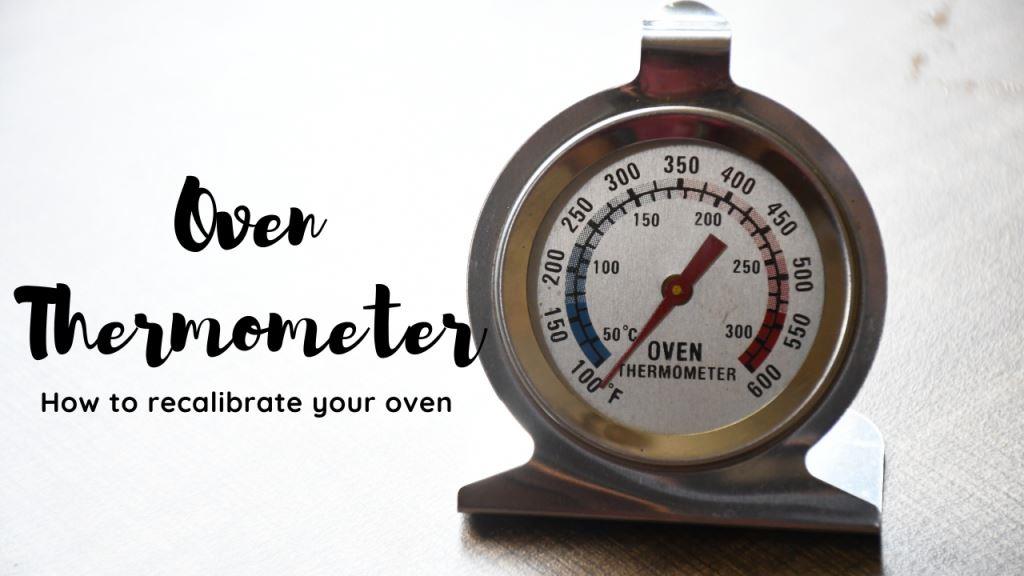
How To Test Your Thermometer’s Accuracy
Over time, even good thermometers can lose accuracy. Here’s a simple way to test:
- Fill a small baking dish with ice and water, making an ice bath.
- Place the thermometer in the ice water, not touching the sides.
- Wait one minute. The thermometer should read 32°F (0°C).
- Test in boiling water (should read 212°F/100°C at sea level).
If it’s off by more than 5°F, consider replacing it.
Credit: gayathriscookspot.com
Smart Oven Thermometers And New Technology
Some newer ovens and thermometers offer Wi-Fi or Bluetooth connectivity. These smart thermometers can send real-time temperature updates to your phone. They’re helpful for busy cooks, but basic dial thermometers still work just as well for most people.
If you want to explore the latest models, check expert reviews on sites like Consumer Reports.
Environmental Factors Affecting Oven Temperature
A few things can change how hot your oven gets, even with the same dial setting:
- Altitude: At high altitudes, water boils at a lower temperature, and ovens can run differently.
- Opening the Door: Every time you peek, the temperature drops—sometimes by 25°F or more.
- Number of Pans: Crowded ovens heat unevenly.
- Weather and Power Fluctuations: On very cold or hot days, or with unstable power, ovens can behave unpredictably.
Keeping these factors in mind helps you adjust and get the best results.
Using An Oven Thermometer For Convection Ovens
Many modern ovens offer a convection setting, which uses a fan to circulate air. This can speed up cooking and make temperatures more even. However, the air flow can also move your thermometer or cause it to read differently.
- Place the thermometer in the center, away from the fan.
- Expect convection ovens to cook food faster, so always check both the thermometer and your food’s doneness.
- Some recipes advise lowering the temperature by 25°F for convection ovens.
Practical Examples: How An Oven Thermometer Saves Your Food
Let’s look at how a thermometer changes your results in real recipes.
Baking Bread
If your oven runs cool by 30°F, your bread won’t rise as much, and the crust will be pale. With the thermometer, you know to increase the dial and get perfect golden loaves every time.
Roasting Chicken
Without a thermometer, you might set the oven to 375°F, but it could really be 410°F. The chicken’s skin will burn before the inside is done. Knowing the real temperature means you adjust, and the bird cooks evenly.
Baking Cookies
If the oven is too hot, cookies spread too much and burn at the edges. If it’s too cool, they stay puffy and underbaked. Consistent temperature is the secret to perfect cookies.
How To Store Your Oven Thermometer
After using and cleaning your thermometer, store it in a dry, safe spot. Avoid leaving it in the oven all the time, as constant heat can wear it out faster.
- Place it in a drawer with other kitchen tools.
- Keep it in its original packaging if possible.
- Don’t toss it with heavy items that could bend the probe or crack the dial.
A little care extends the life of your thermometer.
Alternatives To Oven Thermometers
If you don’t have an oven thermometer, you can try these methods, but they’re less accurate:
- Sugar Test: Place a spoonful of sugar on a baking sheet and bake at 356°F (180°C). If it melts, the oven is accurate. If not, it’s running cool.
- Bread Test: Place slices of white bread on the racks and bake at 350°F. Uneven browning shows hot or cool spots.
These tricks are fun, but nothing replaces a real oven thermometer for true accuracy.
Credit: bakestarters.com
Frequently Asked Questions
How Long Does It Take For An Oven Thermometer To Give An Accurate Reading?
Usually, an oven thermometer takes 10–15 minutes to stabilize after the oven reaches its set temperature. For best results, let it stay in place for at least 20 minutes before checking.
Can I Leave My Oven Thermometer In The Oven While Cooking?
Yes, most oven-safe thermometers are designed to stay in the oven during baking or roasting. Always check the manufacturer’s instructions to be sure.
Do Digital Oven Thermometers Work Better Than Analog Ones?
Both types can be accurate. Digital models are easier to read and may have alarms, but they need batteries. Analog (dial) thermometers are simple, durable, and don’t require power.
How Often Should I Check My Oven’s Temperature With A Thermometer?
Ideally, test your oven’s accuracy every 2–3 months or whenever you notice food cooking too fast or slow. Always check before big events or holidays.
What Should I Do If My Oven And Thermometer Readings Never Match?
First, test the thermometer for accuracy in boiling water and ice water. If it’s accurate, adjust your oven’s dial to match the thermometer. If there’s still a big difference, your oven may need professional repair.
Getting to know your oven with a thermometer is a simple way to take your cooking to the next level. Accurate temperature leads to better food, less stress, and more kitchen confidence. With these steps, you’re ready to master any recipe and impress family and friends with perfect results every time.