
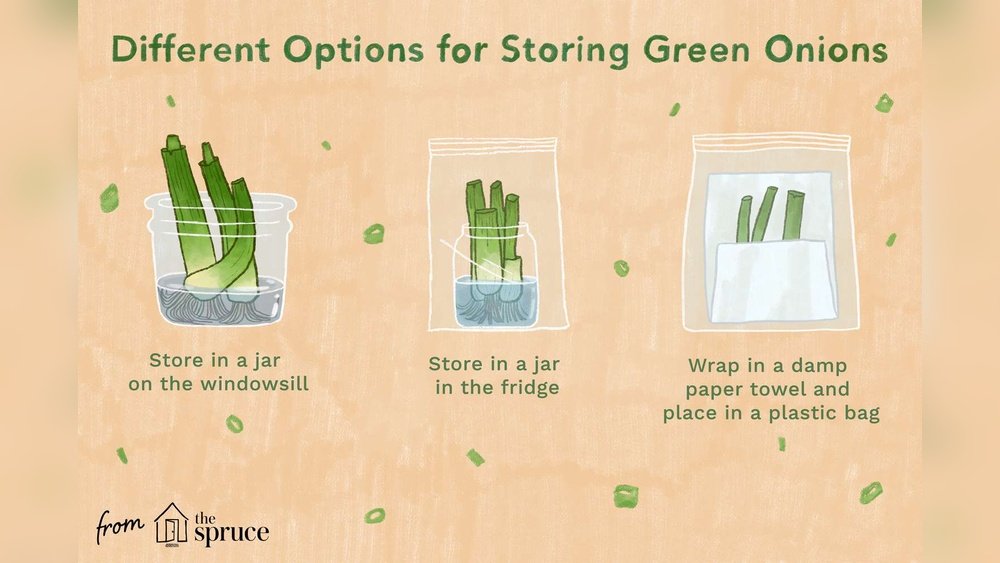
Storing spring onions the right way can make a big difference in your kitchen. Many people buy a fresh bunch, use a few stalks, and then see the rest wilt or rot after a few days. It can be frustrating, especially if you love using these crisp, green veggies in salads, stir-fries, or as garnishes.
But with a few smart techniques, you can keep spring onions fresh and flavorful for a long time.
The way you store spring onions depends on how soon you plan to use them, the space you have in your fridge or kitchen, and whether you want to keep them crisp or just prevent spoilage. In this article, you’ll discover practical, science-backed methods for storing spring onions.
You’ll learn what works, what doesn’t, and why. Along the way, you’ll also find some tips that even experienced cooks often miss.
Understanding Spring Onions
Spring onions, also called green onions or scallions, are a staple in many kitchens. They have a mild flavor and can be eaten raw or cooked. Both the white bulb and the green stalk are edible.
The biggest challenge with spring onions is their high water content. This makes them quick to wilt, soften, and become slimy if not stored properly. The thin, hollow green tops are especially delicate.
Spring onions are usually sold in bunches. A typical bunch weighs around 100 grams (3.5 ounces) and contains 5-8 stalks. If stored well, you can use them for up to 3 weeks without losing much quality.
Factors That Affect Storage Life
Before looking at methods, it helps to know what causes spring onions to spoil:
- Moisture: Too much moisture encourages rot and mold. Too little makes them dry out.
- Airflow: Good airflow stops mold but can also dry out the greens.
- Temperature: Colder temperatures (but not freezing) slow down spoilage.
- Ethylene gas: Fruits like apples release this gas, which speeds up spoilage of onions.
Understanding these factors will help you pick the best method for your kitchen.

Credit: www.youtube.com
Storing Spring Onions In The Refrigerator
For most people, the refrigerator is the go-to place for storing spring onions. But not all fridge methods are equal. Here are the most effective options.
1. In A Produce Drawer (loose Storage)
This is the simplest method. Just place the bunch in the fridge’s crisper drawer.
- How: Remove any rubber bands or ties. Lay the onions loosely in the drawer.
- Pros: Takes seconds to do. No extra equipment.
- Cons: Onions tend to wilt after 3-4 days. Greens dry out quickly.
Tip: If you want to keep them longer than a few days, try another method.
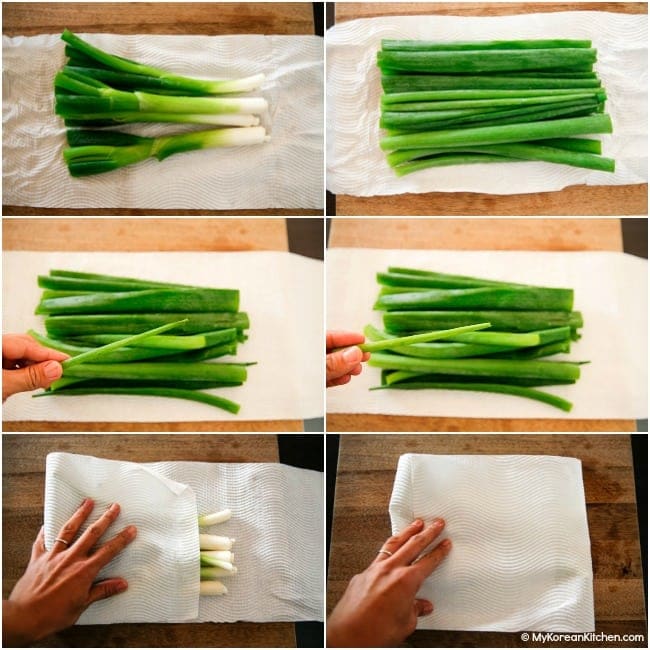
2. In A Plastic Bag With Paper Towel
This method balances moisture and airflow.
- How: Wrap spring onions in a slightly damp paper towel. Place them in a perforated plastic bag or a zip-lock bag with a few holes poked in it.
- Storage time: Up to 2 weeks if you change the paper towel every 3-4 days.
Why it works: The paper towel keeps humidity stable, while the holes prevent excess moisture and mold.
3. In A Glass Of Water (upright Storage)
This is one of the best methods for keeping spring onions crisp.
- How: Fill a tall glass or jar with about 2 inches of water. Place the roots in the water, standing the onions upright. Loosely cover the tops with a plastic bag.
- Place: Set in the fridge door or on a fridge shelf.
- Storage time: Up to 3 weeks with water changes every 2 days.
Non-obvious insight: This method lets the onions keep growing slowly, so you get fresher greens over time. Just snip off what you need.
4. Wrapped In Aluminum Foil
Aluminum foil helps regulate humidity.
- How: Wrap the entire bunch (unwashed) in foil, making sure it’s sealed but not too tight.
- Storage time: Up to 2 weeks.
Why it works: Foil keeps moisture in but allows gases to escape, reducing spoilage.
Common mistake: Washing the onions before wrapping. Moisture trapped inside can cause rot.
5. Using Airtight Containers
Airtight containers reduce odors and slow down drying.
- How: Place clean, dry onions in an airtight container lined with a dry paper towel.
- Storage time: Around 10 days.
Extra tip: Make sure the onions are dry before sealing, or you risk mold.
Comparison: Refrigerator Storage Methods
Here’s a quick comparison to help you choose:
| Method | Prep Time | Storage Time | Best For |
|---|---|---|---|
| Loose in Crisper | Less than 1 min | 3-4 days | Quick use |
| Plastic Bag + Paper Towel | 1 min | Up to 2 weeks | Balanced use |
| Glass of Water | 1-2 min | Up to 3 weeks | Long storage |
| Aluminum Foil | 1 min | Up to 2 weeks | Odor control |
| Airtight Container | 1 min | 10 days | Preventing smells |
Storing Spring Onions Without Refrigeration
If you don’t have fridge space or want to keep spring onions at room temperature, there are still a few good options.
1. In A Glass Of Water (countertop)
Just like the fridge method, but leave the glass on your kitchen counter.
- How: Fill a glass or jar with 2 inches of water. Stand the onions upright with roots in water. Leave uncovered or loosely covered.
- Storage time: Up to 7 days.
Warning: Warm, humid kitchens can speed up spoilage. Change the water daily.
Non-obvious insight: If you keep the onions in sunlight, they may grow faster but get tougher and less sweet.
2. In A Damp Cloth
This traditional method works when you don’t have bags or containers.
- How: Wrap the bunch in a clean, slightly damp kitchen towel. Store in a cool, dark place.
- Storage time: 2-3 days.
Extra tip: Re-moisten the towel if it dries out.
3. In A Clay Pot
Clay pots can keep spring onions moist and fresh without a fridge.
- How: Line a clay pot with a damp towel or sand. Place onions inside. Cover with a lid.
- Storage time: Up to 5 days.
Why it works: The clay breathes and keeps humidity stable.
Freezing Spring Onions
Freezing is a good choice if you want to store spring onions for months. The texture will change, but the flavor stays strong.
How To Freeze Spring Onions
- Wash and dry: Clean the onions well. Dry with a towel.
- Chop: Cut into small pieces (white and green parts).
- Flash freeze: Spread pieces on a baking sheet. Freeze for 1 hour.
- Transfer: Move the frozen pieces to a zip-lock freezer bag or airtight container.
- Label: Write the date and contents.
- Storage time: Up to 6 months.
Tip: Use frozen spring onions straight from the freezer. Don’t thaw—they become mushy.
Non-obvious insight: Frozen spring onions are best for cooked dishes like soups, stir-fries, or omelets, not for garnishes.
Can You Freeze Whole Spring Onions?
It’s not recommended. Whole onions freeze unevenly and turn slimy when thawed.
Drying And Dehydrating Spring Onions
Drying is another way to store spring onions long-term. Dried onions have a strong flavor and take little space.
How To Dry Spring Onions
- Wash and slice: Clean and cut into thin rings.
- Dry: Use a food dehydrator or a low oven (120°F/50°C) for 4-6 hours.
- Cool and store: Let cool, then store in a sealed jar.
- Shelf life: Up to 1 year in a cool, dry place.
Tip: Dried green onions work well in spice mixes, soups, and instant noodles.
Air Drying
If you don’t have a dehydrator, hang bunches in a dry, breezy room for a week. This works best in low-humidity climates.
Pickling Spring Onions
Pickling lets you keep spring onions for months and adds a tangy flavor.
Simple Pickling Process
- Slice: Chop onions into rings.
- Prepare brine: Mix 1 cup vinegar, 1 cup water, 1 tablespoon sugar, and 1 tablespoon salt.
- Pack jars: Add onions to a clean glass jar. Pour hot brine over them.
- Cool and store: Let cool, cover, and store in the fridge.
- Ready to eat: In 1 day.
- Shelf life: Up to 1 month in the fridge.
Extra tip: Add spices like peppercorns, mustard seeds, or chili for more flavor.
Regrowing Spring Onions From Roots
Here’s a method that’s both storage and gardening—regrowing spring onions from scraps.
How To Regrow
- Cut: Use the green tops, leaving about 1 inch of white bulb and roots.
- Place in water: Set the bulbs in a glass with enough water to cover the roots.
- Sunlight: Keep the glass on a sunny windowsill.
- Harvest: New shoots appear in 2-3 days. Cut greens as needed.
Non-obvious insight: Change water every 2 days to prevent smell and rot. You can regrow the same bulb several times.
Extra tip: For stronger plants, transfer the regrown bulbs to soil after a week.
Signs Your Spring Onions Have Gone Bad
Knowing when to toss spring onions is just as important as storing them.
- Slimy texture: Indicates rot.
- Strong, sour smell: Sign of spoilage.
- Yellow or brown spots: Aging or fungal infection.
- Wilted, limp greens: Drying out, but still usable if no smell or slime.
If in doubt, cut off the bad parts. If the onion is mushy or smells bad, discard it.
How To Store Chopped Or Prepped Spring Onions
Sometimes you want to prep spring onions ahead. Here’s how to keep them fresh after cutting.
- Short-term (up to 2 days): Place chopped onions in an airtight container with a dry paper towel. Refrigerate.
- Long-term: Freeze chopped pieces as described earlier.
Tip: Prepped onions spoil faster than whole ones. Use them quickly for best flavor.
Avoiding Common Mistakes
Many people make simple errors that shorten the life of their spring onions.
- Washing before storage: Only wash if you’ll use soon. Wet onions spoil quickly.
- Sealing while wet: Always dry onions before sealing in bags or containers.
- Storing near ethylene-producing fruits: Keep onions away from apples, bananas, or tomatoes.
- Not changing water: If storing in water, change it every 1-2 days.
- Leaving roots in water too long: After a week, roots start to rot if left in water.
Spring Onions Vs. Other Onion Storage
How do spring onions compare to regular onions when it comes to storage?
| Onion Type | Room Temp | Refrigerator | Freezer |
|---|---|---|---|
| Spring Onion | 3-7 days | 2-3 weeks | 6 months (chopped) |
| Yellow/Red Onion (whole) | 1-2 months | Not needed | 6-8 months (chopped) |
| Chives | 1-2 days | 7-10 days | 4-6 months (chopped) |
Insight: Spring onions are more delicate than bulb onions. They need more care and don’t last as long at room temperature.
Storing Spring Onion Seeds And Sets
If you grow your own spring onions, you may have seeds or small bulbs (sets) to store.
- Seeds: Store in a cool, dark, dry place in a sealed packet. Good for up to 2 years.
- Sets: Keep in a mesh bag in a cool, dry place. Use within a few months.
Using Preserved Spring Onions
Preserved spring onions (frozen, dried, or pickled) are best used in cooked dishes. Here are some ideas:
- Frozen: Add straight to soups, stews, fried rice, or omelets.
- Dried: Sprinkle on noodles, pizza, or into dressings.
- Pickled: Use as a topping on tacos, sandwiches, or salads.
Non-obvious insight: The flavor of spring onions becomes stronger when preserved. Use a little less than you would with fresh.
Credit: mykoreankitchen.com
Eco-friendly Storage Tips
Storing spring onions doesn’t have to create waste.
- Reuse glass jars for upright water storage.
- Compost trimmings and spoiled onions.
- Use beeswax wraps instead of plastic for wrapping.
- Grow your own from kitchen scraps, reducing store trips.
Quick Reference: Best Storage Methods By Situation
| Situation | Best Method | Storage Time |
|---|---|---|
| Use in 2-3 days | Loose in fridge or damp cloth | 2-3 days |
| Keep crisp for 1-3 weeks | Glass of water in fridge | Up to 3 weeks |
| Long-term preservation | Freeze or dry chopped onions | 6 months–1 year |
| Ready-to-eat topping | Pickle in brine | 1 month |
:max_bytes(150000):strip_icc()/how-to-extend-the-life-of-fresh-produce-4801922-scallions-2eaea720f7fb4c39af6792da4f88976c.jpg)
Credit: www.thespruceeats.com
Frequently Asked Questions
How Do You Keep Spring Onions Fresh For The Longest Time?
The best way is to store them upright in a glass of water, covered loosely with a plastic bag, and place them in the fridge. Change the water every 2 days. This keeps them crisp and usable for up to 3 weeks.
Can You Store Spring Onions With Other Vegetables?
You can, but keep them away from ethylene-producing fruits like apples and bananas. These fruits release a gas that makes onions spoil faster. For best results, store them separately in the fridge.
Is It Safe To Eat Wilted Spring Onions?
Wilted greens are usually safe, as long as there’s no slime or bad smell. You can revive slightly wilted onions by standing them in cold water for 30 minutes. If they’re slimy or smell sour, throw them away.
Should You Wash Spring Onions Before Storing Them?
No. It’s better to store spring onions unwashed. Wash them just before use. Washing before storage adds moisture that can cause rot.
Can You Regrow Spring Onions After Using The Tops?
Yes. Place the root ends in a glass with water and put it on a sunny windowsill. New green shoots will grow in a few days. You can cut and use these shoots several times.
Storing spring onions well is a small habit that can save money, reduce food waste, and make your meals tastier. With the right method, you’ll always have crisp, flavorful greens ready for your next recipe. For more science-backed tips on storing vegetables, you can check the Better Homes & Gardens guide. With these strategies, you’ll enjoy fresh spring onions for weeks—no more sad, slimy bunches in the fridge!