
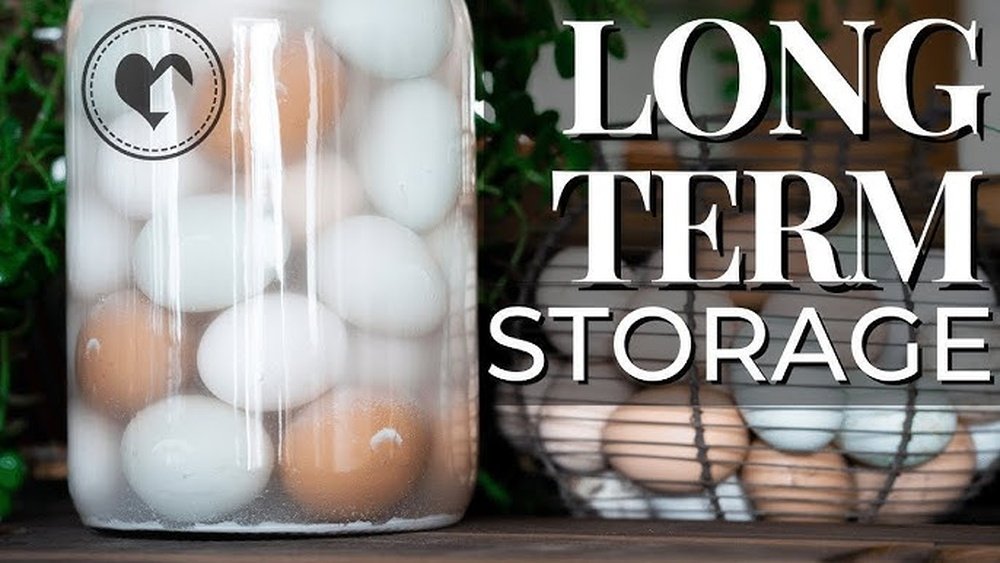
Storing eggs for long term use is a skill that can save money, reduce food waste, and offer peace of mind during emergencies or times of limited access to fresh foods. Whether you have your own backyard chickens, buy in bulk from a local farm, or simply want to be prepared, knowing how to keep eggs fresh for months—or even years—can be incredibly useful.
This guide covers everything you need to know, from the science behind egg spoilage to the best storage methods, safety tips, and common mistakes to avoid. By the end, you’ll understand not just what to do, but why it works.
Why Egg Storage Matters
Most people only think about egg storage when they have too many eggs at once or worry about losing access to fresh ones. But even for regular households, proper storage makes a real difference:
- Reduces spoilage: Eggs can go bad quickly if kept incorrectly, especially in warm or humid climates.
- Saves money: Buying eggs in bulk is often cheaper, but only if you can store them safely.
- Prepares for emergencies: Long-term storage is essential for preppers, campers, and anyone living in remote areas.
- Supports self-sufficiency: Backyard chicken owners often have seasonal egg surpluses.
Freshness is not just about taste. Spoiled eggs can cause food poisoning, so safe storage is a health issue too.
Understanding Egg Freshness And Spoilage
Eggs are naturally designed to last. A fresh egg has:
- A thick egg white
- A small, centered yolk
- A tight, well-attached shell membrane
Over time, air enters through the shell, moisture escapes, and bacteria can grow. The egg white thins, the yolk flattens, and the risk of spoilage increases. Temperature, humidity, and handling all affect how quickly this happens.
How Long Do Eggs Last?
Here’s a quick reference comparing different storage methods and their average shelf life:
| Storage Method | Approximate Shelf Life |
|---|---|
| Room Temperature (unwashed, unrefrigerated) | 2-4 weeks |
| Refrigeration (washed) | 4-5 weeks |
| Water Glassing | 6-12 months |
| Freezing (raw or cooked) | 6-12 months |
| Pickling | 3-4 months |
| Dehydrating (powdered) | 1 year or longer |
Eggs stored at room temperature spoil much faster than those kept cool. But with the right method, you can extend their life well beyond what’s possible with just a fridge.
Key Factors That Affect Egg Storage
Before looking at specific methods, it’s important to know what really matters:
- Cleanliness: Dirt and bacteria on the shell increase spoilage risk.
- Temperature: Cooler temps slow bacterial growth and moisture loss.
- Humidity: Too dry, and eggs lose moisture; too wet, and mold can form.
- Shell integrity: Cracks allow bacteria to enter easily.
- Egg age: Fresher eggs store longer.
A common beginner mistake is washing eggs before storage. In the US, store-bought eggs are washed and must be refrigerated. But unwashed eggs from backyard hens keep better at room temperature because the natural bloom (a protective coating) is still present.
Short-term Egg Storage Methods
For most people, the refrigerator is the first line of defense. But even here, details matter.
Refrigerating Eggs
- Store eggs in their original carton, not loose, to prevent moisture loss.
- Place cartons at the back of the fridge, where temperatures are most stable.
- Keep eggs pointed end down. This keeps the air cell away from the yolk, which slows spoilage.
Tip: Don’t store eggs in the fridge door. The temperature fluctuates every time you open it.
Room Temperature Storage
Unwashed, farm-fresh eggs can be kept at room temperature for 2-4 weeks. However, this is safest in cool homes (under 70°F). After that, move them to the fridge or use a long-term method.
Non-obvious insight: If you wash eggs, always refrigerate them immediately—washing removes the protective bloom.
Long-term Egg Storage Methods
Now let’s dive into the most reliable ways to store eggs for months at a time. Each method has pros, cons, and unique requirements.
Water Glassing
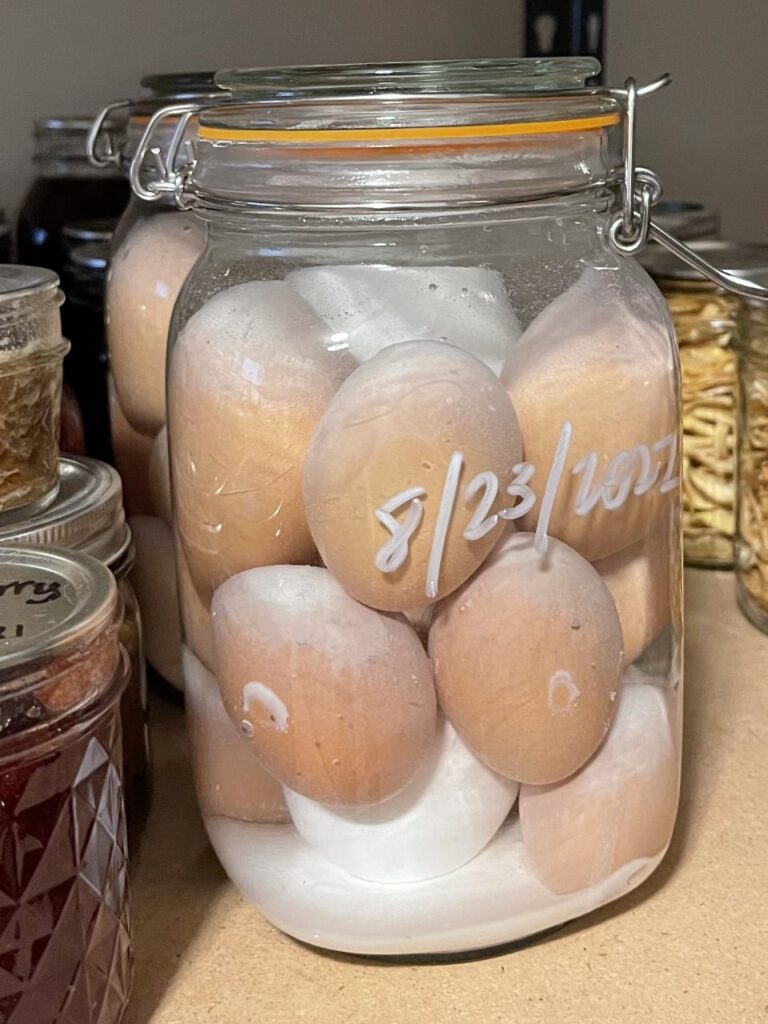
Water glassing is a time-tested method, especially popular before modern refrigeration. It works by sealing eggs in a solution that keeps air and bacteria out.
How It Works
- Use only fresh, clean, unwashed eggs. Washed eggs will spoil.
- Mix a solution of hydrated lime (calcium hydroxide) and clean, cool water (1 ounce lime per 1 quart water).
- Submerge eggs completely in the solution, pointed end down.
- Store in a cool, dark place.
Eggs preserved this way can last 6-12 months.
What You Need
- Hydrated lime (often called “pickling lime”)
- Clean, food-safe container (glass or food-grade plastic)
- Fresh, unwashed eggs
Tips For Success
- Always check each egg before use: If it floats, smells bad, or looks odd, discard it.
- Label your container with the storage date.
- Don’t use eggs with cracks or thin shells.
Freezing Eggs
Freezing is another excellent way to store eggs for the long term, but it requires some preparation. Whole eggs can’t be frozen in their shells because they’ll crack.
Best Ways To Freeze Eggs
- Raw, whole eggs: Crack eggs into a bowl, beat gently, and pour into freezer-safe containers or ice cube trays.
- Egg whites: Separate and freeze in small containers.
- Egg yolks: Beat with a pinch of salt or sugar (to prevent thickening), then freeze.
Once frozen, transfer to airtight bags. Label with date and number of eggs.
Thawing And Using Frozen Eggs
- Thaw overnight in the refrigerator.
- Use in cooking or baking; texture may be slightly different from fresh.
Practical tip: Frozen eggs are best for scrambled eggs, baking, or casseroles—not for frying or poaching.
Pickling Eggs
Pickled eggs are not just a bar snack—they’re a traditional way to preserve boiled eggs for months.
How To Pickle Eggs
- Hard-boil and peel eggs.
- Place in a Amazonsterilized jar.
- Cover with a hot pickling solution (vinegar, water, salt, and spices).
- Seal and refrigerate.
Pickled eggs last up to 3-4 months refrigerated.
Caution: Never store pickled eggs at room temperature. There’s a risk of botulism.
Mineral Oil Coating
This old-fashioned method helps preserve eggs by sealing pores in the shell.
How To Use Mineral Oil
- Warm food-grade mineral oil to about 130°F.
- Rub a thin layer over clean, unwashed eggs.
- Place eggs in cartons, pointed end down.
- Store in a cool, dark place or in the fridge.
Mineral oil can extend egg life to 6-9 months.
Non-obvious insight: The oil must be food-grade and applied to completely dry, unwashed eggs for best results.
Dehydrating (making Powdered Eggs)
Dehydrated eggs are lightweight and last a year or longer if stored properly.
How To Make Powdered Eggs
- Beat eggs and cook them (scrambled style).
- Dry thoroughly in a dehydrator at 135°F until brittle.
- Blend into a fine powder.
- Store in airtight containers, ideally with oxygen absorbers.
Powdered eggs are great for camping, baking, or emergencies.
Storing Eggs In Salt
Salt draws moisture out, creating an environment where bacteria can’t grow easily.
- Bury unwashed eggs in dry salt in a sealed container.
- Store in a cool, dry place.
This traditional method can keep eggs fresh for up to 6 months, but the flavor and texture may change.
Storing Eggs In Wood Ash
Wood ash, like salt, helps preserve eggs by creating an inhospitable environment for bacteria.
- Layer cooled, clean wood ash and unwashed eggs in a container.
- Store in a cool, dry place.
This method is less common today but still used in some rural areas.
Storing Eggs In Lard Or Vaseline
Coating eggs in lard or petroleum jelly seals the shell’s pores, slowing spoilage.
- Gently rub a thin layer on unwashed eggs.
- Store in cartons, pointed end down, in a cool place.
Eggs preserved this way can last 6-9 months.
Note: Some people don’t like using petroleum products with food, so lard is a more natural option.
Storing Eggs In Lime Water (traditional Asian Method)
This method is similar to water glassing but uses a different solution.
- Mix lime with water to make a saturated solution.
- Submerge unwashed eggs.
- Store in a cool, dark place.
Eggs can last up to a year, but always check for off odors before use.
Commercial Egg Preservation Products
There are commercial sprays and coatings designed to extend egg shelf life. These are often used in large-scale egg production.
- Follow manufacturer instructions carefully.
- These products may not be necessary for home use if you use other methods.
Comparing Egg Storage Methods
Choosing the right method depends on your needs, resources, and preferences. Here’s a comparison to help you decide:
| Method | Best For | Special Equipment | Flavor/Texture Change | Skill Level |
|---|---|---|---|---|
| Refrigeration | Everyday use | Fridge | Minimal | Beginner |
| Water Glassing | Backyard eggs, long-term | Lime, food-safe container | None | Intermediate |
| Freezing | Baking, cooking | Freezer, containers | Some (texture) | Beginner |
| Pickling | Snacking, salads | Jars, vinegar | Yes (vinegar) | Intermediate |
| Dehydrating | Camping, emergencies | Dehydrator, blender | Yes | Advanced |
| Mineral Oil | Bulk storage | Mineral oil | None | Beginner |
Essential Safety Tips For Long-term Egg Storage
Safety should always come first. Eggs can harbor bacteria like Salmonella, which can cause illness if not handled properly. Here’s how to stay safe:
- Always check each egg before use. If it floats in water, smells bad, or looks strange, throw it out.
- Label containers with storage dates and methods.
- Don’t use cracked eggs for long-term storage.
- Never use dirty eggs for preservation—brush off dirt, but don’t wash if using room temperature or water glassing.
- Store eggs in a cool, dark place. Heat and light speed up spoilage.
- Follow tested recipes if pickling or dehydrating.
Extra tip: If you’re unsure about an egg, break it into a separate bowl before adding to your recipe. This saves your whole dish from being ruined by a bad egg.
The Float Test: Check If Your Eggs Are Still Good
A simple way to check egg freshness is the float test:
- Fill a bowl with cold water.
- Gently place the egg in the water.
- Sinks and lays flat: Very fresh.
- Sinks but stands upright: Still good, but use soon.
- Floats: Discard.
The float test isn’t 100% accurate for safety, but it’s a good first check.
Credit: canningdiva.com
Mistakes To Avoid When Storing Eggs Long Term
Many egg storage failures come from small, avoidable errors. Here are the most common mistakes:
- Washing eggs when you shouldn’t. Only wash eggs if you’re refrigerating them immediately. For room temperature or water glassing, leave the bloom intact.
- Using cracked or dirty eggs. These are more likely to spoil or introduce bacteria.
- Storing at the wrong temperature. Too warm means faster spoilage; too cold can cause freezing and cracking.
- Using the wrong container. Non-food-safe materials can leach chemicals or allow contamination.
- Not rotating your stock. Use older eggs first and always label storage dates.
A surprising pitfall is storing eggs near foods with strong odors (like onions or fish). Eggshells are porous and can absorb smells, affecting taste.
Which Method Is Best For You?
- If you want ease and speed, refrigeration or freezing is best.
- For long-term, room temperature storage of backyard eggs, try water glassing or mineral oil.
- If you enjoy pickled flavors, make pickled eggs.
- For camping or survival kits, powdered eggs are lightweight and long-lasting.
Non-obvious insight: Your local climate matters. In humid areas, some traditional methods (like ash or salt) may not work as well due to moisture absorption.

Credit: www.youtube.com
How To Prepare Eggs For Storage
Regardless of method, preparation is key:
- Select only the freshest eggs. The fresher the egg, the longer it will last.
- Inspect for cracks or damage.
- Avoid washing unless using refrigeration or pickling.
- Handle gently to avoid micro-cracks.
For some methods (like freezing or dehydrating), you’ll need to crack and process the eggs. For others (like water glassing or mineral oil), keep shells intact.
How To Use Eggs After Long-term Storage
Stored eggs sometimes have slight changes in texture or flavor. Here’s what to expect:
- Water glassed or mineral oil eggs: Use as you would fresh eggs. Some people notice a slightly different texture, but most baked goods and cooked dishes are unaffected.
- Frozen eggs: Best for baking, scrambling, or casseroles. Texture may be a bit softer.
- Pickled eggs: Eat as a snack or slice onto salads.
- Dehydrated eggs: Rehydrate with water (usually 1 tablespoon powder + 2 tablespoons water = 1 egg) and use in recipes.
Tip: Always sniff and inspect eggs after storage. If in doubt, throw it out.
Storing Store-bought Eggs Vs. Backyard Eggs
There’s a big difference between store-bought and backyard eggs:
- Store-bought eggs in the US are washed and lose the natural bloom. They must be refrigerated.
- Backyard eggs, if unwashed, can be stored using many traditional methods.
If you want to use long-term storage techniques like water glassing, you need access to unwashed, farm-fresh eggs.
Practical Examples And Real-world Scenarios
Let’s look at a few common situations:
Example 1: Surplus Backyard Eggs In Spring
A small flock can suddenly produce dozens of eggs per week. Use water glassing or mineral oil to store the surplus for winter when hens lay less.
Example 2: Preparing For Emergencies
Freeze eggs in small batches or dehydrate them into powder. Both options offer flexible, long-term storage with minimal risk.
Example 3: Buying In Bulk From A Farm
If you find a great deal on farm eggs, store the freshest with mineral oil or water glassing, and use the older ones first.

Credit: www.reddit.com
The Role Of Regulations And Food Safety
In some countries, commercial egg storage and washing rules are strict. For example, the US requires eggs to be washed and refrigerated; the EU does not. This affects which methods are allowed and safe. Always follow local guidelines, especially if selling eggs.
Learn more about egg safety from the USDA Food Safety and Inspection Service.
Recommended Tools That You Need
To complete this repair or project safely and effectively, we analyzed the guide steps and selected the highest-rated physical tools and replacement parts available on Amazon.

Mrs. Wages Pickling Lime, Crispy Flavorful Pickles, 1 lb Resealable Bag
Used to create the alkaline sealing solution for water glassing eggs.

Pickling Lime (16 oz, ZIN: 524953) - 2 Pack
Used to create the alkaline sealing solution for water glassing eggs.
Pickling Lime (16 oz, ZIN: 524953)
Used to create the alkaline sealing solution for water glassing eggs.

PICKLING LIME (Calcium Hydroxide) — 113g/4oz – Lab & Food Grade, Vegan & Gluten Free for culinary use, Made in USA
Used to create the alkaline sealing solution for water glassing eggs.

Mrs. Wages Pickling Lime, Crispy Flavorful Pickles, 6, 1lb Resealable Bags
Used to create the alkaline sealing solution for water glassing eggs.

95%+ Food Grade Calcium Hydroxide (Hydrated Lime/Slaked Lime) 230g/8.11oz
Used to create the alkaline sealing solution for water glassing eggs.
Frequently Asked Questions
How Long Can Eggs Be Stored Without Refrigeration?
Unwashed, farm-fresh eggs can be stored at room temperature for 2-4 weeks. For longer storage, use methods like water glassing, mineral oil, or salt, which can extend shelf life to 6-12 months.
Can You Store Store-bought Eggs With Water Glassing?
No. Store-bought eggs are washed and lack the natural bloom. They are more likely to spoil if stored at room temperature or in water glass. Always refrigerate store-bought eggs.
Are Eggs Still Safe To Eat If They Float In Water?
A floating egg usually means it’s old and has a larger air cell. It may still be safe, but you should crack it open and check for off smells or odd appearance. If in doubt, throw it out.
What Is The Best Way To Store Eggs For Emergencies?
Freezing and dehydrating (making powdered eggs) are the best choices for emergencies. Both methods offer long shelf life and easy storage. Powdered eggs are especially good for travel and camping.
Do Preserved Eggs Taste Different From Fresh Eggs?
Some methods change the texture or flavor. Pickled and powdered eggs have the biggest changes. Water glassed, mineral oil, or frozen eggs have mild differences, but most people find them acceptable in cooked dishes.
Storing eggs for the long term is not just about extending shelf life—it’s about maintaining quality and safety. By choosing the right method and following best practices, you can enjoy the benefits of your own or store-bought eggs for many months, reduce waste, and be prepared for any situation.
With a little planning, you’ll never be caught without eggs when you need them most.