
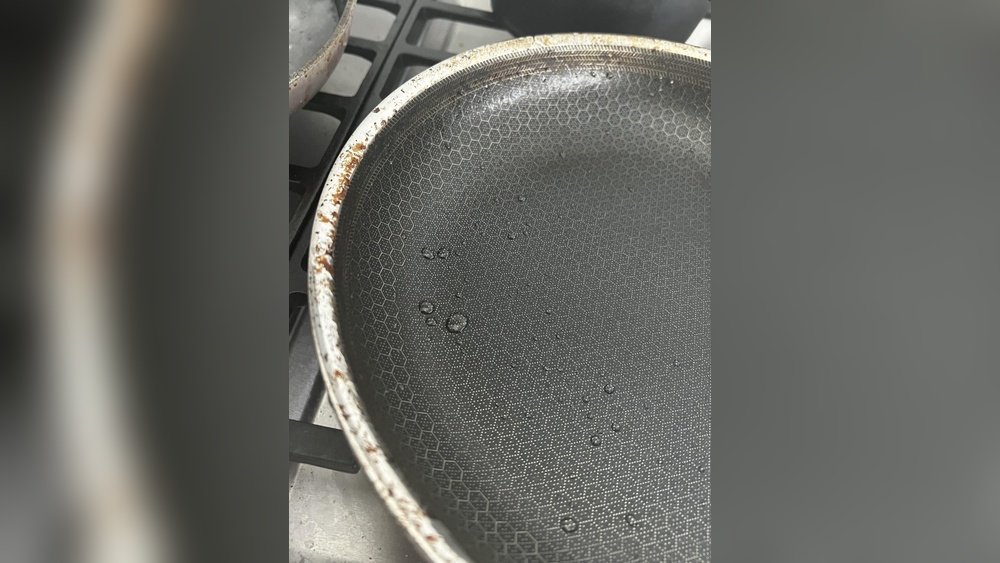
HexClad cookware has become a popular choice in many kitchens for its unique combination of stainless steel and nonstick surfaces. Owners love the way HexClad pans deliver searing power and easy food release. But to get the most out of these hybrid pans, you need to clean them the right way. Cleaning HexClad cookware is not complicated, but it does require some specific steps. If you do it right, you’ll protect your investment and keep your pans looking and performing their best for years.
This guide covers everything you need to know about cleaning HexClad cookware. You’ll learn the best daily cleaning methods, how to tackle tough stains, which products to use or avoid, and how to prevent common mistakes. Whether you’re a new HexClad owner or looking to improve your cleaning routine, you’ll find practical, step-by-step advice here.
What Makes Hexclad Cookware Special?
Before you start cleaning, it helps to know what makes HexClad pans different from other cookware. HexClad cookware uses a patented hybrid design. The cooking surface is made with raised stainless steel ridges and a nonstick ceramic coating set in a hexagonal pattern. This gives you the best of both worlds: the durability and browning power of stainless steel, and the easy cleanup of nonstick.
The surface is metal-utensil safe and can go in the dishwasher, but there are still some care rules to follow. Treating HexClad like a typical nonstick or only stainless steel pan can lead to damage or poor performance.
How The Hybrid Surface Affects Cleaning
Because of the unique surface, food residue and oil can sometimes get trapped in the tiny hexagon valleys. If you don’t clean thoroughly, these build up and affect nonstick performance. On the other hand, harsh scouring can scratch the nonstick coating over time. Balance is key.
Essential Cleaning Tools And Products
Having the right tools makes cleaning HexClad cookware easier and safer. Here’s what you’ll need:
- Soft sponge or nylon brush: For everyday cleaning. Avoid steel wool or abrasive scouring pads, which can scratch.
- Mild dish soap: Choose a gentle, grease-cutting formula. Fragrance-free is best for sensitive users.
- Non-abrasive scrubber: For stubborn spots, a blue Scotch-Brite pad (non-scratch) or similar works well.
- Baking soda: Useful for deep cleaning or burnt food.
- White vinegar: Helps with mineral deposits or stains.
- Paper towels or soft dish towels: For drying and buffing.
- Bar Keepers Friend or Bon Ami: Optional, for more serious stains. Use only occasionally and rinse well.
Many beginners use harsh cleaners, thinking the hybrid surface is indestructible. But using the right products not only protects your investment, it keeps the pans performing like new.
Step-by-step: Daily Cleaning Routine
Cleaning your HexClad cookware after each use is the best way to keep it in top shape. Here’s how to do it right:
1. Let The Pan Cool Slightly
Don’t plunge a hot HexClad pan into cold water. Sudden temperature changes can warp even tough pans. Instead, let the pan cool for a few minutes on the stovetop before cleaning.
2. Remove Excess Food And Oil
Use a paper towel or spatula to wipe away any large food pieces or extra oil. This step prevents clogging your sink and makes washing easier.
3. Wash With Warm Soapy Water
Fill the pan with warm water and add a small amount of mild dish soap. Use a soft sponge or nylon brush to scrub the surface gently. Pay attention to the hexagonal valleys, where residue can hide.
If you see any sticky or stubborn bits, let the pan soak for 10-15 minutes in warm, soapy water. This loosens stuck-on food without harsh scrubbing.
4. Rinse And Dry
Rinse the pan well with warm water to remove all soap. Dry immediately with a towel to prevent water spots and keep the surface shiny.
5. Buff For Shine (optional)
For a polished look, buff the surface with a dry, soft towel. This keeps your HexClad pans looking almost new.
Dealing With Stubborn Stains And Burnt Food
Sometimes, you may get burnt spots or stains that don’t come off with regular washing. Don’t worry—there are effective ways to handle these without damaging your pan.
Baking Soda Paste Method
- Sprinkle baking soda over the stained area.
- Add a few drops of water to make a paste.
- Let it sit for 10-20 minutes.
- Scrub gently with a non-abrasive pad or soft brush.
- Rinse well and dry.
Baking soda is gentle but effective for lifting stains and neutralizing odors.
White Vinegar Solution
For tough stains or mineral deposits:
- Mix equal parts white vinegar and water.
- Pour into the pan and bring to a gentle simmer for 5 minutes.
- Let cool, then scrub with a soft brush.
- Rinse and dry.
Vinegar helps dissolve hard water spots and restores shine.
Using Bar Keepers Friend (occasionally)
Bar Keepers Friend is safe for HexClad, but should not be used daily. Sprinkle a small amount on wet pan, rub gently with a soft sponge, rinse very well, and dry.
Non-obvious insight: Always rinse away all cleaning agents completely, as residue from products like Bar Keepers Friend can dull the surface or affect food taste.
Deep Cleaning Your Hexclad Cookware
A deep cleaning every few weeks removes buildup you might not notice. This is especially important if you use your pans daily or notice food starting to stick more than usual.
How To Deep Clean
- Fill the pan with warm water and a few drops of dish soap.
- Let it soak for 30-60 minutes.
- Use a soft brush to gently scrub all over, especially the hex pattern.
- For stubborn areas, use the baking soda paste or vinegar method.
- Rinse, dry, and buff.
For the exterior, use a bit of Bar Keepers Friend or Bon Ami if you see discoloration or stains. Always rinse thoroughly.
Beginner’s tip: Deep clean your HexClad after cooking with high-fat foods or sauces, as oils can build up in the hexagonal valleys.
How To Clean The Bottom And Sides
The outside of your HexClad pan can get greasy or stained, especially on gas stoves. Here’s how to handle it:
- Wipe with a damp, soapy sponge after each use.
- For burnt grease, sprinkle baking soda and scrub gently with a non-abrasive pad.
- For discoloration, use a small amount of Bar Keepers Friend, then rinse well.
Practical insight: Clean the bottom regularly to prevent smoke and odors the next time you cook. Accumulated grease can cause uneven heating.
Dishwasher Use: Pros And Cons
HexClad pans are technically dishwasher safe, but is it the best choice? Let’s break it down:
| Pros | Cons |
|---|---|
| Convenient, saves time | Harsh detergents may dull nonstick surface over time |
| Good for occasional deep cleaning | Potential for scratching if pans hit other items |
| Removes food and oil residue well | Handles and exterior can discolor with repeated washes |
Expert advice: Hand washing is best for longevity. Use the dishwasher only for deep cleaning or when you’re in a hurry. If using the dishwasher, keep pans on the top rack and avoid heavy-duty cycles.
Which Cleaners And Tools To Avoid
Not all cleaning products are safe for HexClad’s hybrid surface. Avoid these to prevent damage:
- Steel wool or metal scouring pads: These can scratch both the stainless and nonstick areas.
- Abrasive powders (other than Bar Keepers Friend or Bon Ami): Many contain harsh grit that wears down the surface.
- Oven cleaners: Too caustic and can strip coatings.
- Bleach or chlorine products: These can discolor and weaken the hybrid surface.
- Rough brushes: Stick to nylon or soft bristle brushes.
Common mistake: Some users think metal-safe means any cleaner is fine. In reality, repeated use of harsh abrasives will make the nonstick less effective.
How To Restore Nonstick Performance
If you notice food sticking more than usual, your HexClad may need a simple “re-seasoning” and deep clean.
Steps To Restore
- Deep clean the pan as described earlier, making sure to remove all oil and residue.
- Dry thoroughly.
- Place the pan on low heat.
- Add 1-2 teaspoons of neutral cooking oil (like canola or grapeseed).
- Use a paper towel to rub oil all over the surface, including the hex pattern.
- Heat for 2-3 minutes, then let cool.
- Wipe away excess oil.
This process fills in microscopic valleys and helps food release again.
Hidden tip: Many owners skip the oiling step, but it really makes a difference for both new and older pans.
How Often To Clean Hexclad Cookware
- After every use: Quick wash with warm soapy water.
- Weekly (if used daily): Deep clean, especially if you cook sticky or fatty foods.
- Monthly: Clean the outside and handles, check for discoloration or residue.
Sticking to this routine prevents buildup and keeps your pans working like new.
Comparing Hexclad Cleaning To Other Cookware
How does HexClad care compare to traditional nonstick or stainless steel?
| Type | Scrubbing Allowed | Dishwasher Safe | Deep Cleaning Needs |
|---|---|---|---|
| HexClad | Soft/nylon only | Yes (but not ideal) | Baking soda, vinegar safe |
| Traditional Nonstick | Soft only | Sometimes (risk of peeling) | Limited, avoid abrasives |
| Stainless Steel | Abrasive ok | Yes | Frequent for burnt food |
HexClad offers more cleaning flexibility than classic nonstick, but still needs gentle care for best results.
Addressing Hard Water Spots And Discoloration
If you live in an area with hard water, you may notice white spots or rainbow colors on your pans. These are harmless but can be unsightly.
- Use a vinegar and water solution to wipe away spots.
- For rainbow discoloration, polish with Bar Keepers Friend or Bon Ami and rinse well.
- Dry pans immediately after washing to prevent future spots.
Advanced tip: A drop of lemon juice on a paper towel can also remove light discoloration.

Credit: www.reddit.com
Handling Rust On The Stainless Steel Rim
HexClad’s stainless rims can sometimes develop rust spots, especially if left wet.
- Scrub gently with a paste of baking soda and water.
- Rinse, dry, and buff with a towel.
- Avoid storing pans with water inside.
Cleaning The Glass Lids
Many HexClad sets come with glass lids. These need different care:
- Wash with warm soapy water and a soft sponge.
- For greasy buildup, use vinegar or a bit of dish soap.
- Dry immediately to prevent water spots.
- Avoid dropping or banging lids, as glass can chip.
Non-obvious insight: Check the silicone rim for trapped food or oil. Wipe clean with a damp towel.
Removing Odors From Your Pan
If your HexClad pan picks up strong smells (like fish or garlic):
- Wash as usual.
- Fill the pan with water, add 1 tablespoon baking soda.
- Simmer gently for 10 minutes.
- Rinse and dry.
This neutralizes lingering odors.
Storage Tips For Clean Hexclad Cookware
Proper storage protects your clean pans from scratches and damage.
- Stack pans with a soft cloth or paper towel between each one.
- Hang pans on a rack if possible.
- Store lids separately to avoid chipping.
Beginner’s mistake: Many owners stack pans without padding, causing scratches over time.

Credit: hexclad.com.au
What To Do About Sticky, Cloudy, Or Dull Surfaces
If your HexClad pan looks sticky or loses its shine:
- Clean thoroughly with baking soda paste or Bar Keepers Friend.
- Rinse and dry well.
- Rub a small amount of oil over the surface and buff.
This restores luster and smoothness.
How To Clean After Cooking Eggs, Cheese, Or Other Sticky Foods
Eggs, cheese, and other sticky foods can leave residue even on HexClad’s hybrid surface.
- Soak the pan in warm, soapy water for 15-20 minutes.
- Use a nylon brush to scrub gently.
- If residue remains, repeat with the baking soda paste method.
- Rinse and dry.
Practical tip: Cooking with a bit more oil or butter, or at lower heat, helps prevent sticking in the first place.
Can You Use Cooking Sprays On Hexclad?
Cooking sprays like Pam can leave a sticky film that’s hard to remove from hybrid surfaces.
- Use pure oils or butter instead.
- If you do use spray, clean the pan immediately after use.
- For buildup, scrub with baking soda paste or Bar Keepers Friend.
How To Clean After Oven Use
HexClad pans can go in the oven. After baking or roasting:
- Let the pan cool before washing.
- Soak in warm, soapy water to loosen baked-on bits.
- Scrub with a soft brush.
- Tackle any tough spots with baking soda or vinegar solution.
Extra tip: Don’t use foil to cover the surface while baking, as it can leave marks.

Credit: www.youtube.com
Cleaning Handles And Rivets
Food and grease can build up around the handles and rivets.
- Use a small brush (like an old toothbrush) with soapy water.
- Rinse thoroughly and dry.
For stubborn grime, a bit of baking soda helps.
Safety And Health Considerations
HexClad’s hybrid surface is designed to be safe and non-toxic, even if scratched. Still, proper cleaning is important for food safety:
- Always rinse away all cleaners.
- Don’t use harsh chemicals.
- Dry pans to prevent bacteria and mold.
For more on hybrid cookware safety, see the official HexClad Care and Use Guide.
Troubleshooting Common Problems
Here’s how to solve frequent HexClad cleaning issues:
- Cloudy surface: Deep clean with baking soda or Bar Keepers Friend.
- Sticky residue: Soak, scrub, and re-oil the surface.
- Discoloration: Use vinegar or lemon juice, then rinse.
- Rust spots: Scrub gently with baking soda and dry well.
- Lingering odors: Simmer water and baking soda, then rinse.
Frequently Asked Questions
How Do I Remove Burnt Food From My Hexclad Pan?
Fill the pan with water, add a tablespoon of baking soda, and bring to a simmer for 10 minutes. Let cool, then scrub gently with a nylon brush. Repeat if necessary. Avoid metal scouring pads.
Can I Use Metal Utensils On Hexclad Cookware?
Yes, HexClad is metal-utensil safe, but using silicone or wood utensils extends the life of the nonstick coating. Avoid sharp knives or rough scraping.
Is It Safe To Put Hexclad Cookware In The Dishwasher?
It is safe, but not recommended for every wash. Hand washing keeps the nonstick performing better over time. If using the dishwasher, place pans on the top rack and avoid harsh cycles.
What Should I Do If Food Starts To Stick More Than Before?
Deep clean the pan, then rub a small amount of neutral oil over the surface and heat gently. This “re-seasons” the nonstick and restores performance.
How Can I Get Rid Of Discoloration Or Rainbow Stains?
Use a mixture of vinegar and water, or Bar Keepers Friend, to polish away rainbow stains. Rinse thoroughly and dry immediately for best results.
Taking care of your HexClad cookware is simple once you know the right steps. With regular cleaning, gentle tools, and a few insider tricks, you’ll enjoy nonstick performance and stunning pans for many years. A little extra effort after each meal pays off with cookware that looks and cooks like new, every time you reach for it.