
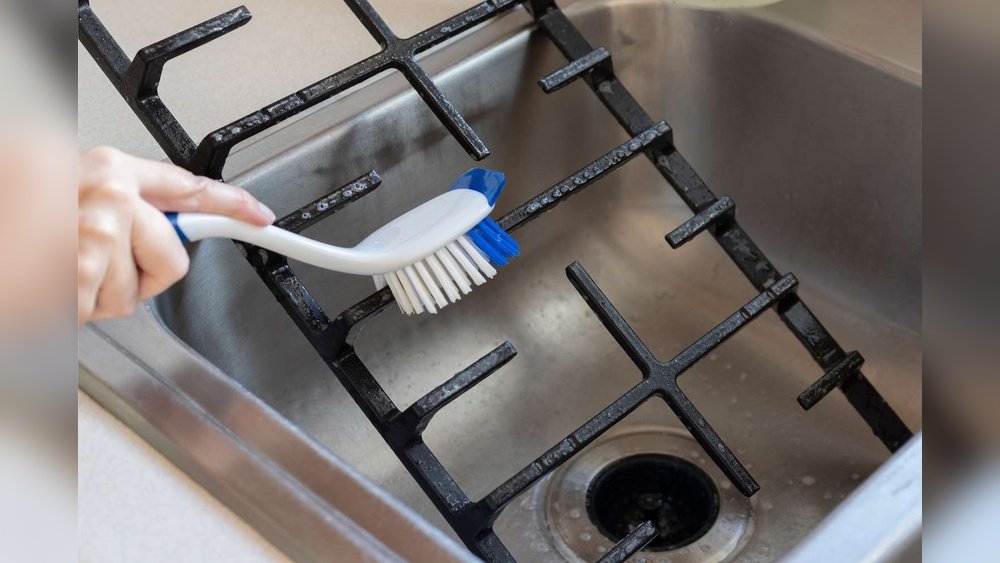
Gas stove tops are a kitchen staple in homes around the world, loved for their quick heat and precise temperature control. But over time, the cast iron grates that sit above the burners can collect layers of grease, food spills, and even rust. If you’ve ever tried to cook on a stove with dirty grates, you know how unpleasant and even unsafe it can be. The food doesn’t cook evenly, smoke fills your kitchen, and the stove never looks truly clean.
Learning how to clean cast iron grates on a gas stove top is a practical skill every home cook should have. Not only does it keep your kitchen looking sharp, but it also ensures your stove works well for years.
This guide gives you clear, step-by-step instructions, tackles common mistakes, and shares expert tips for keeping those grates spotless without damaging them.
Why Cast Iron Grates Need Special Care
Cast iron is a durable material, but it can be sensitive to certain cleaning methods. Unlike stainless steel or enamel, cast iron is porous. This means it can absorb moisture and chemicals, leading to rust or surface damage if cleaned incorrectly. Some dish soaps, scouring powders, or even letting grates sit wet can cause more harm than good.
In fact, a survey from the National Kitchen and Bath Association shows that over 63% of homeowners with gas stoves worry about damaging their grates during cleaning. Understanding the unique needs of cast iron is the first step to a safe, effective cleaning routine.
Tools And Supplies You’ll Need
Before you start, gather everything you need. Having the right tools on hand makes the process smoother and prevents accidental damage.
- Non-abrasive sponge or soft-bristled brush
- Mild dish soap (avoid ones with bleach or citrus)
- Baking soda
- White vinegar
- Plastic scraper (optional, for stubborn residue)
- Old toothbrush
- Clean towels or microfiber cloths
- Rubber gloves
- Large sink or bucket
- Paper towels
- Cooking oil (vegetable or canola)
- Spray bottle (for vinegar solution)
- Aluminum foil (for rust removal, optional)
Pro tip: Avoid using steel wool or metal scouring pads. These can scratch and strip the protective layer from your grates, making them more likely to rust.
Safety First: Preparing To Clean
Safety is always important when dealing with kitchen appliances. Before you touch the grates:
- Turn off all burners and let the stove cool completely. Hot grates can cause burns or crack if washed with cold water.
- Check your manufacturer’s manual. Some grates have a protective coating or special care instructions.
- Ventilate the area. Open a window if you’ll be using vinegar or other strong cleaners.
Removing Grates From The Gas Stove
Most gas stove grates are removable. Here’s how to do it safely:
- Lift the grates straight up. If they stick, wiggle gently. Don’t force them—stuck grates can chip if pried up.
- Place the grates on a protected surface, such as a towel-covered countertop.
If your stove has continuous grates (one large grate for the whole surface), ask for help if it’s heavy.
:max_bytes(150000):strip_icc()/how-to-clean-stove-grates-5217124-09-d9ef167a3ae84fb188d77558c6fc5307.jpg)
Credit: agenciaflama.com.br
Basic Cleaning: The Everyday Method
Regular cleaning can prevent buildup and make deep cleaning easier. Here’s a simple routine:
- Fill your sink or a bucket with hot, soapy water.
- Submerge the grates and let them soak for 15–20 minutes. This loosens grease and food.
- Scrub with a non-abrasive sponge or brush, focusing on corners.
- Rinse with warm water and dry thoroughly with a towel.
Drying is critical—cast iron rusts easily if left damp.
Example Of A Weekly Cleaning Routine
- After cooking, let the grates cool.
- Remove and soak in soapy water for 10–15 minutes.
- Scrub gently and rinse.
- Dry completely before returning to the stove.
Even five minutes of cleaning each week can keep grates in good shape.
Tackling Stubborn Grease And Burnt-on Food
Sometimes, soapy water isn’t enough. For heavy buildup:
- Sprinkle baking soda generously over the grates.
- Dampen a sponge with water and scrub. Baking soda acts as a gentle abrasive.
- For stuck-on spots, make a baking soda paste (3 parts baking soda to 1 part water). Apply to tough stains and let sit for 20 minutes before scrubbing.
- Rinse and dry thoroughly.
If residue persists, try a plastic scraper. Avoid knives or metal tools, which can damage the surface.
Using Vinegar For Deep Cleaning
Vinegar is excellent for cutting through grease and removing mineral deposits. Here’s how to use it safely:
- Mix equal parts white vinegar and water in a spray bottle.
- Spray the grates generously and let them sit for 10–15 minutes.
- Scrub with a brush or sponge.
- Rinse and dry completely.
For a deeper clean, soak grates in a vinegar-water solution for up to 30 minutes before scrubbing.
How To Remove Rust From Cast Iron Grates
Rust can appear if grates are left wet or stored in humid conditions. The good news is, minor rust can be removed easily:
- Scrub the rusty spot with a ball of aluminum foil dipped in a little water. This gently removes rust without scratching.
- Rinse and dry.
- For heavier rust, sprinkle baking soda on the spot and scrub with an old toothbrush.
- Once clean, wipe the area with a small amount of cooking oil to restore the protective layer.
Never use oven cleaner or harsh chemicals on rust—they can strip the metal and make it worse.

Credit: www.genexuk.co.uk
How To Season Cast Iron Grates
Just like cast iron pans, grates can benefit from seasoning. This is a thin layer of oil that protects the surface from rust and makes cleaning easier.
- Make sure grates are completely clean and dry.
- Rub a thin layer of cooking oil (vegetable, canola, or flaxseed) over the entire surface with a paper towel.
- Preheat your oven to 350°F (175°C).
- Place grates on a baking sheet lined with foil (to catch drips).
- Bake grates for one hour.
- Let them cool in the oven.
Seasoning is especially useful after deep cleaning or rust removal.
Comparing Cleaning Methods: What Works Best?
Here’s a quick look at how popular cleaning methods compare for cast iron stove grates:
| Method | Best For | Time Needed | Risks |
|---|---|---|---|
| Soapy Water Soak | Light, everyday cleaning | 20–30 min | Minimal if dried well |
| Baking Soda Paste | Stubborn grease & stains | 30–45 min (with soak) | None if rinsed well |
| Vinegar Spray | Grease, mineral deposits | 15–30 min | May dull shiny finish |
| Aluminum Foil Scrub | Rust spots | 10–15 min | Possible scratches if overused |
As you can see, each method has strengths and weaknesses. Baking soda is the safest all-around option, while vinegar works best for tough, greasy grime.
Common Mistakes To Avoid
Even experienced cooks can make mistakes with cast iron grates. Here are some errors to avoid:
- Using harsh chemicals: Oven cleaners, bleach, or ammonia can strip seasoning and corrode the surface.
- Letting grates air-dry: This is the fastest way to invite rust.
- Soaking grates overnight: Long soaks can damage protective coatings.
- Scrubbing with steel wool or wire brushes: These tools scratch and pit the surface, making future cleaning harder.
- Cleaning grates while hot: Sudden temperature changes can cause warping or cracking.
Not-so-obvious insight: Many people don’t realize that dishwasher detergents are too harsh for most cast iron grates. Even if your grates look dishwasher-safe, always check the manual first.
How Often Should You Clean Cast Iron Grates?
Frequency depends on how much you cook, but here are some general guidelines:
- Light use (1–2 times a week): Clean every 1–2 weeks.
- Heavy use (daily): Quick clean once a week; deep clean monthly.
- After boiling over or spills: Clean as soon as grates are cool.
It’s easier to prevent buildup than to remove it later. A few extra minutes after cooking saves hours of scrubbing.
Deep Cleaning: When And How
Sometimes, regular cleaning isn’t enough. If grates are sticky, discolored, or have heavy stains, it’s time for a deep clean.
The Oven Method (for Heavy Grime)
Many cast iron grates are oven-safe. Check your manual first.
- Preheat oven to 450°F (230°C).
- Place grates on the oven rack.
- Bake for 1 hour. This burns off food and grease.
- Let grates cool and brush off ash with a stiff brush.
- Wipe with a damp cloth and dry.
This method is not for grates with a nonstick or enamel coating.
Ammonia Bag Method (for Very Dirty Grates)
Use with caution—only for extremely dirty grates and in a well-ventilated area.
- Place grates in a large zipper bag (like a trash bag).
- Add ¼ cup household ammonia.
- Seal and let sit overnight outdoors.
- Open carefully (fumes are strong) and rinse grates thoroughly.
- Wash with soap and water, dry well.
Ammonia loosens baked-on grease but can damage some coatings. Always check manufacturer instructions.
How To Maintain Cast Iron Grates For Years
Clean grates last longer and cook better. Here are some expert tips for long-term care:
- Re-season grates every few months, especially after deep cleaning.
- Avoid acidic foods (like tomato sauce) spilling on grates. Acid can strip seasoning.
- Store grates dry if you remove them for extended periods.
- Inspect regularly for chips or rust. Fix small problems early.
- Use burner liners to catch drips and reduce mess.
Not-so-obvious insight: Some people wrap grates in foil for easy cleaning, but this can block airflow and cause uneven heating. It’s best to clean grates directly.
Comparing Cast Iron To Other Grate Materials
Not all stove grates are created equal. Here’s a look at how cast iron compares to other common materials:
| Material | Heat Retention | Cleaning Difficulty | Rust Risk | Durability |
|---|---|---|---|---|
| Cast Iron | Excellent | Moderate to High | High | Very High |
| Enamel-Coated Cast Iron | Excellent | Low | Low | High |
| Stainless Steel | Good | Low | Very Low | High |
| Porcelain | Fair | Moderate | Low | Moderate |
Cast iron offers the best performance for cooking, but it demands more attention to cleaning and care.
When To Replace Your Cast Iron Grates
With proper care, cast iron grates can last for decades. However, consider replacement if you see:
- Large cracks or chips that can’t be smoothed
- Deep rust that won’t scrub off
- Warping that causes uneven cooking
- Flaking or peeling of protective coating
Replacement grates are available from most stove manufacturers.
Eco-friendly Cleaning Alternatives
If you prefer to avoid chemicals, there are natural options for cleaning:
- Lemon juice: Mix with salt to scrub away grime.
- Hydrogen peroxide and baking soda: Make a paste for stubborn stains.
- Vinegar steam: Boil a pot of water and vinegar on the stove. The steam helps loosen buildup.
These options are gentle and safe for most cast iron grates.
What To Do If Grates Smell Bad
Lingering odors can result from burnt-on food or grease. To remove smells:
- Wash grates with hot, soapy water and dry.
- Sprinkle with baking soda and let sit for 30 minutes.
- Rinse and dry.
- If needed, heat grates in the oven for 30 minutes at 350°F.
Odors usually disappear after a thorough cleaning and heat treatment.
:strip_icc()/GettyImages-1450665139-2e30fa7e94f7431abc3fd7227f765b1c.jpg)
Credit: www.bhg.com
Storage And Off-season Tips
If you’re not using your stove for a while (for example, during a kitchen remodel or move), store grates properly:
- Clean and dry thoroughly.
- Rub with a thin coat of oil.
- Wrap in paper towels and place in a dry, sealed bag or box.
- Store in a cool, dry place.
This prevents rust and keeps grates ready for use.
Troubleshooting: Cleaning Problems And Solutions
Sometimes, even after cleaning, you might face issues like sticky residue or discoloration. Here’s how to handle them:
- Sticky grates: Wipe with vinegar, rinse, then re-season with oil.
- Discoloration: Some darkening is normal and doesn’t affect cooking.
- White spots: Usually mineral deposits. Remove with vinegar and a gentle scrub.
If problems persist, repeat the cleaning process or consult your stove’s manual for special advice.
Professional Cleaning Services: Are They Worth It?
Most homeowners can clean stove grates themselves. However, if you have severe buildup, or if the grates are extremely heavy or hard to remove, a professional service may help. They use industrial cleaners and tools for stubborn grime. It’s rarely necessary for regular maintenance but can be useful for neglected grates.
Where To Find More Information
For more detailed information on cast iron care and cleaning, check out resources like the Culinary Schools Guide. They offer expert advice on cast iron cookware maintenance.
Frequently Asked Questions
How Do I Keep My Cast Iron Grates From Rusting?
Always dry grates thoroughly after washing. For extra protection, rub with a thin layer of cooking oil and heat briefly before using. Avoid soaking for long periods and never store wet grates.
Can I Put Cast Iron Grates In The Dishwasher?
It’s best to avoid dishwashers. The high heat, strong detergents, and moisture can strip seasoning and cause rust. Always hand-wash and dry cast iron grates.
What Should I Do If My Grates Are Very Greasy?
For heavy grease, soak in hot, soapy water, then scrub with a baking soda paste. For very stubborn grease, the ammonia bag method or oven cleaning (for bare cast iron) can help.
Is It Okay To Use Commercial Stove Cleaners On Cast Iron Grates?
Most commercial cleaners are too harsh for uncoated cast iron. Always check the label. If your grates have an enamel or porcelain coating, some cleaners may be safe, but always consult your stove’s manual.
How Often Should I Season My Cast Iron Grates?
Season after deep cleaning, rust removal, or whenever the surface looks dull or dry. Regular seasoning (every few months) keeps grates protected and easy to clean.
Gas stove grates take a little extra care, but with the right routine, they’ll stay beautiful and functional for years. Clean them regularly, avoid harsh chemicals, and always keep them dry—your stove (and your cooking) will thank you.