
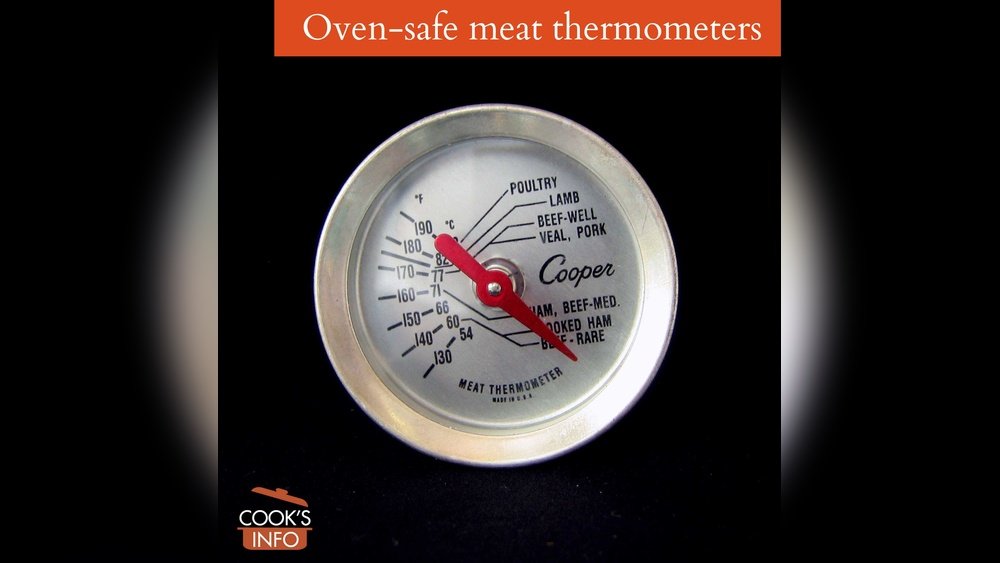
If you enjoy cooking meat—whether it’s a Thanksgiving turkey, Sunday roast, or grilled steak—you know that getting the temperature right is key to flavor, safety, and texture. But not all meat thermometers are the same. Some can go inside the oven and stay with your roast, while others are only for quick, outside checks. Using the wrong type can ruin your food or even damage your thermometer. If you’ve ever wondered, “How do I know if my meat thermometer is oven safe?” you’re not alone. Many home cooks are unsure, and there’s a lot of confusion from packaging, old kitchen habits, and new gadgets. This guide will walk you through everything you need to know to figure out if your meat thermometer can handle the heat—literally.
Why Oven Safety Matters With Meat Thermometers
Choosing the right meat thermometer is more than just a detail. Oven safety is important for your food and your tools. Oven-safe thermometers can stay in the meat as it cooks, giving you a real-time reading. If you use a non-oven-safe thermometer in the oven, you risk melting the plastic, breaking the glass, or getting false readings. This doesn’t just waste money—it can affect food safety. Undercooked meat can cause illness, and overcooked meat can be tough and dry. Understanding what “oven safe” really means is the first step to better, safer cooking.
Types Of Meat Thermometers And Their Oven Safety
Not all meat thermometers are created equal. Each type has its own design, function, and oven safety features. Here’s a breakdown:
| Type | Oven Safe? | Common Use | Special Notes |
|---|---|---|---|
| Dial (Bimetallic) | Usually Yes | Roasts, whole poultry | Can stay in during cooking |
| Digital Instant-Read | No | Quick temperature check | Not for oven use |
| Oven Probe (Wired Digital) | Yes | Continuous monitoring | Probe in meat, display outside oven |
| Infrared | No | Surface temperature only | Not for internal meat temp |
| Disposable Pop-up | Yes | Whole poultry | Single use |
1. Bimetallic (dial) Thermometers
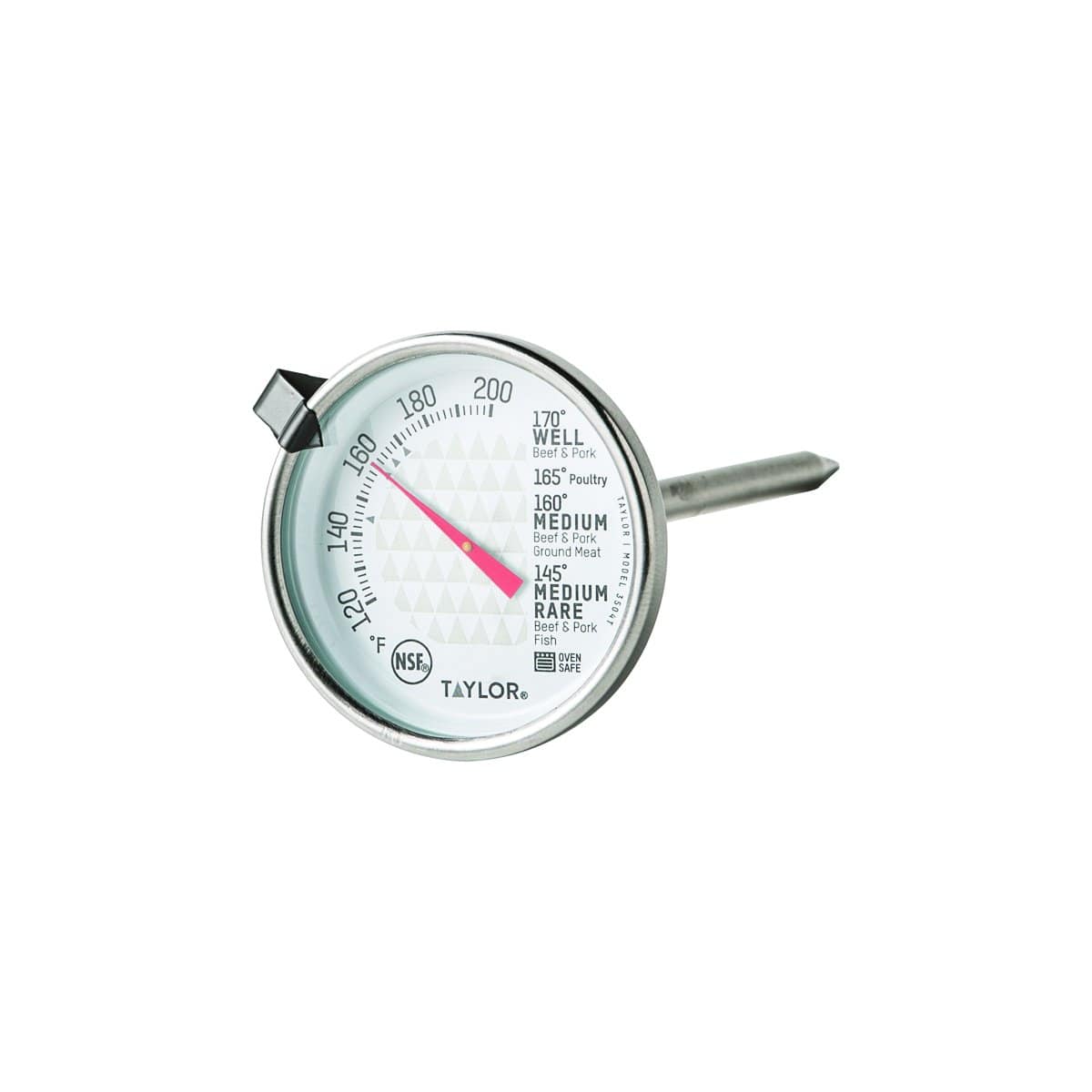
Bimetallic dial thermometers are the classic round-faced thermometers with a metal stem. Most of these are designed to be left in the meat as it cooks. Their all-metal construction usually makes them oven safe. However, check for plastic parts—some have plastic on the dial that can melt at high heat.
2. Digital Instant-read Thermometers
Digital instant-read thermometers give a quick reading (often in 3-10 seconds) but are not meant to stay in the oven. Most have electronic parts that are not heat-resistant. Leaving them inside will damage the electronics and may cause inaccurate readings.
3. Wired Probe Thermometers
These thermometers have a metal probe connected by a heat-resistant wire to a digital display that sits outside the oven. The probe and wire are usually oven safe, but the display is not. This setup allows you to monitor food without opening the oven.
4. Infrared Thermometers
Infrared thermometers measure surface temperature only. They never touch the food and are not oven safe or suitable for checking internal meat temperature.
5. Pop-up Thermometers
Common in pre-packaged turkeys, these plastic gadgets are designed to pop up at a set temperature. They are oven safe for one-time use, but their accuracy can vary.
Key Features Of Oven-safe Meat Thermometers
Sometimes, packaging isn’t clear or you’ve lost the instructions. Here’s how to recognize if a thermometer is oven safe, even if the box is long gone.
Construction Material
Oven-safe thermometers are usually made of stainless steel or other metals. The lens may be glass or high-heat plastic. If you see a lot of plastic or rubber, that’s a red flag.
Absence Of Digital Components (except Probes)
If the entire thermometer is digital (not just the probe), it’s probably not oven safe. Heat can destroy batteries, screens, and wiring.
Probe Design
Oven-safe models have a long, sturdy metal probe. If the probe is thin and delicate, it may not withstand oven temperatures. Heat-resistant wires are also a sign of oven safety for probe models.
Temperature Range
Look for a high temperature rating (at least 400°F/200°C). If the thermometer is rated for 212°F (100°C) or lower, it’s likely not for oven use.
Waterproof Or Sealed
A sealed design helps protect inner parts from heat and steam. Loose or open seams can allow moisture and heat to damage the device.
Manufacturer’s Markings
Many oven-safe thermometers will say “oven safe” or “leave-in” on the stem, dial, or packaging. If not, check the manufacturer’s website for confirmation.
Signs Your Thermometer Is Not Oven Safe
Knowing what to avoid is just as useful as knowing what to look for. Here are clear warning signs that your thermometer should not go in the oven:
- Plastic Body or Face: Most plastics cannot tolerate oven heat and will melt or deform.
- Digital Display on Probe: Unless the digital unit stays outside the oven, it will likely get damaged.
- Quick-Read Label: “Instant-read” or “quick-read” means the thermometer is for fast checks, not for continuous oven use.
- Battery Compartment on Probe: Batteries inside the probe are usually not heat-resistant.
- Manufacturer Warning: If the instructions say “Do not leave in oven,” follow them.
How To Test Your Meat Thermometer For Oven Safety
If you can’t find clear information, you can perform a few safe tests.
1. Review The User Manual
Check the manual or look up your thermometer’s model online. Manufacturers often post manuals on their websites. If it says “oven safe,” you’re good to go.
2. Examine The Build
Inspect the thermometer. Is it all metal or does it have glass? That’s a good sign. If you see electronic parts, batteries, or soft plastic, it’s likely not oven safe.
3. Contact The Manufacturer
If you’re still unsure, reach out to the brand’s customer service. Give them your model number and ask directly about oven safety.
4. The “oven Test” (with Caution)
As a last resort, you can test your thermometer:
- Place the thermometer in a cold oven (not in food).
- Set the oven to 350°F (177°C).
- After 10-15 minutes, check the thermometer.
- If it still works and shows the correct oven temperature, it’s likely oven safe.
Important: Only do this with all-metal thermometers. Never try with digital instant-read models.
Common Mistakes When Using Meat Thermometers
Even if you have an oven-safe thermometer, mistakes can happen. Here are some to avoid:
- Using an instant-read thermometer inside the oven: This can ruin your device.
- Letting the dial face touch a hot rack: The face can overheat and crack or fog up.
- Inserting too shallowly: The tip must be in the thickest part of the meat, not touching bone or pan.
- Not cleaning after each use: Bacteria can build up if not cleaned.

Credit: www.youtube.com
What To Do If You Used A Non-oven Safe Thermometer By Accident
Mistakes happen. If you put a non-oven-safe thermometer in your oven:
- Turn off the oven and remove it carefully: Use oven mitts; plastic parts may be hot or melted.
- Check for signs of damage: Cracks, melted parts, or foggy displays mean it’s unsafe to use again.
- Test accuracy: If it still turns on, check accuracy with boiling water (should read 212°F/100°C at sea level).
- Replace if needed: Don’t risk food safety with a broken thermometer.
How To Choose The Right Meat Thermometer
If you’re buying a new thermometer, consider these factors:
| Feature | Oven-Safe Thermometer | Instant-Read Thermometer |
|---|---|---|
| Can stay in oven? | Yes | No |
| Speed | Slower | Fast (3-10 seconds) |
| Best for | Roasts, poultry | Steaks, chops, burgers |
| Accuracy | Good | Very good |
| Price range | $10–$50 | $10–$100 |
- For whole turkeys and large roasts: Choose a leave-in oven-safe thermometer or probe.
- For steaks and quick checks: Use an instant-read thermometer, but don’t leave it in the oven.
Non-obvious Insights And Tips
Many beginners miss these key details:
- Probe wire placement matters: For wired models, don’t let the wire touch heating elements or oven walls; it can melt or short-circuit.
- Not all “oven safe” means broiler safe: Broiler temperatures are higher than normal oven use. Most oven-safe thermometers are NOT designed for broilers.
- Calibration is essential: Even oven-safe thermometers can lose accuracy over time. Test them in boiling water and ice water regularly.
- Preheating with thermometer inside: Some thermometers are fine to go in a cold oven, but others should only be inserted once the oven is at temperature. Check instructions.
- Altitude affects boiling point: If you live at a high altitude, water boils below 212°F (100°C), so adjust your calibration tests accordingly.
Practical Examples For Real Kitchens
Imagine you’re roasting a chicken. You insert a classic dial thermometer before the bird goes in the oven. It’s all metal, and the packaging says “oven safe. ” As the chicken cooks, you peek through the oven window at the dial to see the temperature rising.
Now, picture using a digital instant-read thermometer. You cook the chicken without it, and only poke it into the thickest part of the thigh when you believe it’s done. The reading comes in seconds, and you know if you need a few more minutes.
With a probe thermometer, you stick the metal probe in the chicken, run the wire outside the oven, and watch the temperature climb on the external display. You know exactly when to take the bird out for perfectly juicy meat.

Credit: chatelaine.com
Cleaning And Maintenance Tips
Proper care extends the life of any thermometer, especially oven-safe models.
- Hand wash only: Don’t put thermometers in the dishwasher unless the instructions say it’s safe.
- Clean with hot, soapy water: Wipe the probe and dial after every use.
- Dry thoroughly: Avoid water getting inside the dial or display.
- Store carefully: Keep in a safe place to avoid bending the probe or breaking the dial.
How To Read An Oven-safe Meat Thermometer
Reading an oven-safe thermometer is simple, but a few tips help:
- Insert it into the thickest part of the meat, avoiding bone, fat, or gristle.
- Leave it in the oven: Watch the temperature climb as it cooks.
- Check for the target temperature: For chicken, that’s 165°F (74°C); for beef roast, it may be 135°F (57°C) for medium rare.
- Remove from heat at the right time: Meat will continue to rise a few degrees as it rests.
Are Wireless Meat Thermometers Oven Safe?
Wireless thermometers are newer on the market. Some, like Meater or Yummly, are designed to be fully oven safe. They have all electronics inside a heat-resistant probe. However, check the temperature limits—some max out at 527°F (275°C). Others, especially cheap wireless models, may not survive prolonged heat.
Oven-safe Thermometer Brands Worth Considering
Some brands are trusted for quality and clarity about oven safety:
- ThermoWorks: Known for both instant-read and probe models.
- Taylor: Makes classic dial thermometers.
- CDN: Offers a range of oven-safe options.
- Weber: Famous for grill and oven thermometers.
Always check specifications before buying—even reputable brands may have both oven and non-oven models.
How Thermometer Accuracy Impacts Food Safety
An accurate thermometer prevents undercooked food that can cause illnesses like salmonella or E. coli. The USDA recommends internal temperatures of 165°F (74°C) for poultry and 145°F (63°C) for pork and beef (with a rest time). A faulty thermometer can give you a false sense of security.
For more on food safety and temperature guidelines, see this USDA resource.
Troubleshooting Common Problems
Foggy Dial
If your dial thermometer fogs up, moisture has gotten inside. It may dry out over time, but accuracy can be affected. Replace if readings are off.
Stuck Needle
A stuck needle usually means the mechanism is damaged by heat or impact. Replace the thermometer.
Inconsistent Readings
Test in boiling and ice water. If readings are off by more than a few degrees, it’s time for a new thermometer.
Summary Table: Oven Safe Vs. Not Oven Safe Features
Here’s a quick comparison for reference:
| Feature | Oven Safe | Not Oven Safe |
|---|---|---|
| Material | Metal, glass | Plastic, electronics |
| Usage | Leave in oven | Quick check only |
| Markings | “Oven safe” | “Instant-read” |
| Design | Sturdy probe, dial | Thin probe, digital display |
| Price | $10–$50 | $10–$100 |
Frequently Asked Questions
Can I Leave My Meat Thermometer In The Oven The Whole Time?
If your thermometer is labeled oven safe or “leave-in,” you can keep it in the meat for the entire cooking time. For instant-read thermometers, only use them to check temperature outside the oven.
What Happens If I Use A Non-oven-safe Thermometer In The Oven?
Non-oven-safe thermometers can melt, break, or give wrong readings. Electronics can be damaged, and plastic can release harmful fumes. It’s best to use only thermometers made for oven use.
How Do I Check If My Thermometer Is Accurate?
Test your thermometer in boiling water (should read 212°F/100°C at sea level) and in ice water (should read 32°F/0°C). If it’s off by more than 2-3 degrees, consider calibrating or replacing it.
Are Wireless Meat Thermometers Reliable And Oven Safe?
High-quality wireless thermometers are oven safe up to their rated temperature. Always check the manual for the maximum safe temperature and follow instructions for use and charging.
How Often Should I Replace My Meat Thermometer?
Replace your meat thermometer if it’s damaged, gives inconsistent readings, or after several years of regular use. Regular calibration can extend life, but accuracy is most important for safety.
Making sure your meat thermometer is oven safe helps you cook better meals, keeps your family healthy, and protects your kitchen tools. With the information above, you’ll never be unsure about your thermometer again. Safe cooking!
Credit: www.taylorusa.com