

Keeping your Nutribullet blender pitcher clean is not just about making it look good. It’s also about safety, taste, and the lifespan of your blender. Food residue, stains, and even odors can build up if you don’t clean the pitcher properly. Sometimes, people make the mistake of just rinsing the pitcher with water, but this is not enough. In this guide, you’ll learn the right way to clean your Nutribullet blender pitcher, get rid of stubborn stains, remove odors, and keep your blender in top condition. You’ll also discover helpful tips, common mistakes to avoid, and answers to the most asked questions about Nutribullet cleaning.
Why Proper Cleaning Matters
A clean Nutribullet pitcher does more than just look nice on your kitchen counter. First, leftover food residue can encourage bacteria and mold growth, which can make you sick. Even small bits of smoothie, soup, or nut butter left in cracks can become a problem over time. Proper cleaning also keeps your pitcher from smelling bad or affecting the taste of your next drink. Finally, regular cleaning helps the pitcher and blades last longer. When you don’t clean well, residue can build up and make your blender less effective.
What You Need To Clean A Nutribullet Pitcher
Before you start, gather the right tools. For most cleanings, you don’t need anything fancy. Here’s what works best:
- Mild dish soap: Strong enough to cut grease, but gentle on plastic.
- Soft sponge or brush: Avoid steel wool; it scratches plastic.
- Bottle brush: Helps reach corners and under the blades.
- Warm water: Hot water can warp plastic, so stick to warm.
- White vinegar: Excellent for removing odors and stains.
- Baking soda: Great for tough stains or stubborn smells.
- Microfiber cloth or towel: For drying the pitcher.
Some users also keep a toothbrush for hard-to-clean spots, especially under the blade.
Daily Cleaning Process
Cleaning your Nutribullet pitcher right after use is the best way to prevent stains, smells, and residue. Here’s how to do it:
- Unplug the blender and remove the pitcher from the base.
- Rinse the pitcher with warm water right away. This keeps food from drying and sticking.
- Add a few drops of dish soap and fill the pitcher halfway with warm water.
- Secure the blade lid and put the pitcher back on the base.
- Blend for 30-60 seconds. This “self-cleaning” motion helps clean under the blades.
- Pour out the soapy water and rinse thoroughly.
- Use a bottle brush for any stuck-on food around the blade or in corners.
- Dry with a towel or let it air dry upside down.
This quick routine after each use stops most problems before they start. If you do this every time, deep cleaning is easier and less frequent.
Deep Cleaning Your Nutribullet Pitcher
Even with good daily cleaning, sometimes you need to go deeper. Maybe you made a sticky smoothie with nut butter, or you haven’t cleaned for a few days. Here’s how to deep clean:
Step-by-step Deep Clean
- Disassemble the pitcher: Remove the blade assembly and any gaskets if possible.
- Soak all parts: Fill your sink or a large bowl with warm water and a tablespoon of dish soap. Soak the pitcher, lid, and blade for 10-20 minutes.
- Scrub thoroughly: Use a bottle brush to clean inside the pitcher, especially under the blades.
- Scrub the blade assembly: A toothbrush works well to clean between the blades and around the gasket.
- Tackle stubborn stains: Sprinkle baking soda on a damp sponge, then scrub stained areas.
- Remove odors: Mix equal parts white vinegar and water, pour into the pitcher, and let sit for 10 minutes before rinsing.
- Rinse all parts well: Make sure there’s no soap or baking soda left.
- Dry completely: Use a towel or air dry to prevent mold or mildew.
Deep cleaning once a week is usually enough if you use your Nutribullet daily.
How To Remove Stubborn Stains And Odors
Sometimes, your pitcher picks up stains from foods like berries, carrots, or turmeric. Odors from garlic, onions, or protein shakes can also stick around. Here’s how to fix these problems:
- Baking soda paste: Mix baking soda with water until thick. Spread on stains, wait 15 minutes, then scrub and rinse.
- Vinegar soak: Fill the pitcher with equal parts vinegar and water. Let it sit for 30 minutes, then wash as usual.
- Lemon juice trick: Squeeze a lemon, add juice and slices to the pitcher with water, and blend for 30 seconds. Rinse well.
- Sunlight: Leave the clean, wet pitcher in sunlight for a few hours. Sunlight can help fade stains and kill odor-causing bacteria.
These methods work for most stains and smells. Repeat if necessary for tough cases.
Cleaning The Blades Safely
The blades are sharp and can be hard to clean. Here’s how to do it without cutting yourself:
- Always unplug the blender before cleaning.
- Remove the blade assembly from the pitcher.
- Soak the blades in soapy water for 5-10 minutes.
- Use a toothbrush or small brush to scrub between the blades.
- For sticky residue, use a bit of baking soda on the brush.
- Rinse well and dry with a towel.
Never use your fingers to clean the sharp edges. If you notice the blades are dull or damaged, it’s safer to replace them.
Dishwasher Use: Yes Or No?
Many people wonder if Nutribullet parts are dishwasher safe. Here’s the answer:
- Most Nutribullet pitchers and lids are top-rack dishwasher safe.
- The blade assembly should be hand-washed to avoid dulling or damage.
- Don’t use high-heat dishwasher cycles, as this can warp plastic parts.
- Always check your Nutribullet manual. Some models have different recommendations.
Here’s a quick comparison:
| Part | Dishwasher Safe? | Best Cleaning Method |
|---|---|---|
| Pitcher | Yes (top rack) | Hand wash or top-rack dishwasher |
| Lid | Yes (top rack) | Hand wash or top-rack dishwasher |
| Blade Assembly | No | Hand wash only |
| Gasket | No | Hand wash only |
| Motor Base | No | Wipe with damp cloth |
If you use the dishwasher, always place parts on the top rack and avoid high heat.
Cleaning The Rubber Gasket
Many Nutribullet pitchers have a rubber gasket (seal ring) inside the blade lid. This part keeps liquids from leaking, but it can trap food and bacteria if not cleaned well.
- Remove the gasket carefully with a blunt tool (like a butter knife) if the manual allows.
- Soak in soapy water, then scrub with a toothbrush.
- Rinse and dry before putting it back.
- Don’t use sharp tools; they can damage the gasket.
Some Nutribullet models say not to remove the gasket. Always check your manual for your specific model.
What To Do About Cloudy Plastic
Over time, the pitcher can look cloudy or foggy. This is often from mineral deposits in water or scratches from cleaning with rough sponges.
How to fix it:
- Make a paste of baking soda and water, rub it gently on the cloudy areas, then rinse.
- Try soaking in vinegar and water for 30 minutes.
- Avoid using rough sponges or steel wool in the future.
If the pitcher is scratched and cleaning doesn’t help, it might be time to buy a replacement.
Keeping The Pitcher Odor-free
A fresh-smelling pitcher is important for taste and enjoyment. To avoid bad smells:
- Rinse and wash after every use.
- Let the pitcher air dry, upside down, with the lid off.
- Store with a small box of baking soda nearby to absorb odors (but not inside the pitcher).
- Clean with lemon or vinegar once a week if you use strong-smelling ingredients.
These habits prevent the build-up of odors that can be hard to remove later.
How To Clean The Pitcher Base And Motor
The motor base is not waterproof, so never soak it or put it in the dishwasher.
Instead:
- Unplug the blender before cleaning.
- Wipe the outside with a damp cloth.
- For stuck-on spills, use a little dish soap on the cloth, then wipe again with a clean, wet cloth.
- Dry with a towel before plugging in.
Never let water get into the motor vents or buttons.
How Often Should You Clean Each Part?
Different parts need cleaning at different times. Here’s a useful summary:
| Part | When to Clean | Cleaning Method |
|---|---|---|
| Pitcher | After every use | Rinse, wash with soap, air dry |
| Blade Assembly | After every use | Hand wash, brush, air dry |
| Lid | After every use | Hand wash or dishwasher |
| Gasket | Once a week | Hand wash, brush, dry |
| Motor Base | Weekly or as needed | Wipe with damp cloth |
Regular cleaning prevents most problems and keeps your Nutribullet in great shape.

Credit: www.ebay.com
Mistakes To Avoid When Cleaning A Nutribullet Pitcher
Even experienced users sometimes make mistakes that damage the pitcher or blades. Here are the most common:
- Using boiling water: Very hot water can warp or crack the plastic.
- Scrubbing with steel wool or rough pads: These scratch the pitcher, making it cloudy and weaker.
- Soaking the motor base: Water and electricity do not mix—wipe, don’t soak.
- Ignoring the gasket: Food can build up and cause leaks or odors.
- Letting food dry in the pitcher: Always rinse right after use to make cleaning easy.
Learning from these mistakes will help your Nutribullet last longer.
Tips For Preventing Stains And Odors
Prevention is easier than cleaning tough stains. Try these simple tips:
- Rinse the pitcher immediately after use, especially with sticky or colored foods.
- Don’t leave blended drinks in the pitcher for hours.
- Use a drop of lemon juice in the final rinse for a fresh scent.
- Dry thoroughly before storing to prevent mildew.
- Store the pitcher with the lid off to avoid trapped moisture.
These small habits make a big difference.
When To Replace Your Nutribullet Pitcher
Even with the best care, pitchers don’t last forever. Signs you need a new one include:
- Cracks or chips in the plastic
- Cloudiness that doesn’t clean off
- A loose or damaged gasket that causes leaks
- Bad smells that won’t go away
- Blades that are bent, dull, or rusted
On average, a well-cared-for pitcher lasts 1-2 years. If you use it daily or for tough foods, replacement may be needed sooner.
Eco-friendly Cleaning Options
If you prefer green cleaning, the Nutribullet pitcher is easy to care for without harsh chemicals:
- Use baking soda and vinegar as natural cleaners.
- Try lemon juice for freshening and stain removal.
- Microfiber cloths clean well without soap.
- Always rinse well to remove any residue.
Not only is this better for the planet, it’s also safer for food and drink.

Credit: chauffalia.fr
Cleaning After Making Nut Butters Or Sticky Recipes
Nut butters, hummus, and other thick blends can be tough on your Nutribullet pitcher. Here’s how to clean up easily:
- Scrape out as much as you can with a spatula.
- Fill the pitcher halfway with warm water and a few drops of dish soap.
- Blend for 30 seconds, then let soak for 10 minutes.
- Scrub with a bottle brush, paying special attention under the blades.
- Rinse and air dry.
Don’t let sticky foods dry in the pitcher—they’re much harder to remove later.
What To Do If You Forget To Clean Right Away
It happens—sometimes you leave the pitcher unwashed for hours or overnight. Here’s how to handle dried-on mess:
- Fill the pitcher with warm water and a few drops of dish soap.
- Let it soak for 1-2 hours.
- Use a bottle brush or toothbrush to scrub away softened food.
- For stubborn mess, add a spoonful of baking soda and soak longer.
- Rinse and dry.
Never use sharp tools to scrape, as this can damage the plastic.
Storing Your Clean Nutribullet Pitcher
Proper storage keeps your pitcher clean and odor-free:
- Make sure all parts are completely dry before storing.
- Store the pitcher with the lid off to let air circulate.
- Keep it in a cool, dry place—avoid direct sunlight.
- If stacking, don’t put heavy items on top of the pitcher to prevent warping.
Following these tips prevents mildew and keeps your pitcher ready for your next blend.
Real-life Example: Quick Cleaning Routine
Let’s look at how a busy mom, Anna, cleans her Nutribullet:
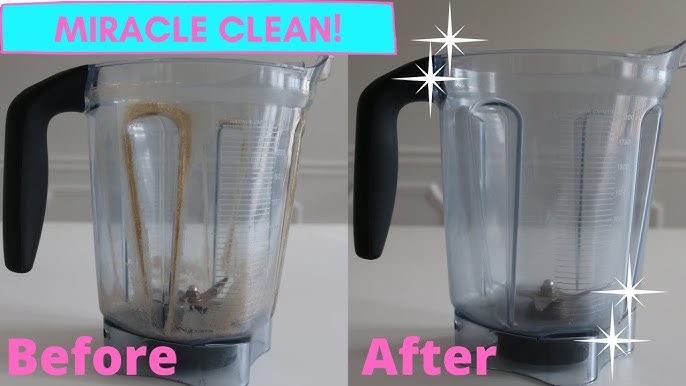
After making a morning smoothie, Anna immediately rinses her pitcher. She adds a drop of dish soap and water, blends for 30 seconds, then rinses again. Once a week, she soaks the blade and gasket in soapy water while wiping down the motor base.
She uses vinegar for any lingering smells. Anna’s pitcher always looks and smells fresh, and she never has to scrub for hours.
This routine saves time and keeps the blender working well.
Credit: www.youtube.com
Nutribullet Pitcher Cleaning Myths
Many people believe things about cleaning blenders that aren’t true. Here are two common myths:
- “Dishwasher cleaning is always best.” In reality, high heat and harsh dishwasher detergent can damage the pitcher and lid. Hand washing is gentler and helps parts last longer.
- “Bleach is the best cleaner for tough stains.” Bleach can damage plastic and leave a dangerous residue. Natural cleaners like vinegar and baking soda are safer and just as effective.
Knowing the facts helps you avoid damaging your blender.
Comparing Nutribullet Cleaning To Other Blenders
How Does Nutribullet Cleaning Compare To Other Popular Blender Brands?
| Brand | Typical Pitcher Material | Cleaning Difficulty | Dishwasher Safe? |
|---|---|---|---|
| Nutribullet | BPA-free plastic | Easy | Yes (top rack) |
| Vitamix | Tritan plastic | Moderate | No |
| Blendtec | BPA-free plastic | Easy | Yes (depends on model) |
| Oster | Glass/Plastic | Moderate | Yes (glass only) |
Nutribullet pitchers are among the easiest to clean, especially if you follow the right steps.
When To Seek Professional Help
Most cleaning issues can be solved at home. But if you see deep cracks, black mold, or the pitcher doesn’t fit tightly anymore, it’s time to stop using it. Visit the official Nutribullet website for replacement parts, or contact their support team.
Never try to glue or tape damaged parts—this is unsafe.
Trusted Resources For Nutribullet Care
For official advice and troubleshooting, always check the Nutribullet Support Page. It has manuals, cleaning guides, and answers for every model.
Frequently Asked Questions
How Do I Remove Turmeric Stains From My Nutribullet Pitcher?
Turmeric can leave yellow stains. Make a paste of baking soda and water, apply it to the stains, and let it sit for 15 minutes. Scrub gently and rinse. Repeat if needed.
Is It Safe To Clean The Nutribullet Pitcher With Bleach?
No, bleach is not recommended. It can damage the plastic and leave a harmful residue. Stick to dish soap, vinegar, and baking soda for safe cleaning.
Can I Put My Nutribullet Pitcher In The Freezer Or Microwave?
No. Most Nutribullet pitchers are not designed for extreme temperatures. Freezing or microwaving can crack or warp the plastic.
What Should I Do If My Nutribullet Pitcher Smells Bad Even After Cleaning?
Try soaking the pitcher in a mix of vinegar and water for 30 minutes, or blend lemon juice and water in the pitcher. If the smell remains, the pitcher may need replacing.
How Do I Clean Under The Blades If A Brush Won’t Fit?
Fill the pitcher with warm soapy water, secure the blade, and blend for 30 seconds. This self-cleaning motion helps reach under the blades. Use a toothbrush for any stubborn spots.
Caring for your Nutribullet blender pitcher keeps it safe, fresh, and ready for every blend. By following these steps and tips, you’ll save time and enjoy better-tasting smoothies, soups, and more for years to come.