
Removing stubborn grease from your stainless steel cooker hood can feel like a never-ending battle. Over time, sticky residue and oily spots collect above your stove, making your kitchen look and smell less fresh. Many people try quick wipes or strong chemicals, but these often leave streaks or even damage the shiny surface. The good news is, with the right approach, you can restore your cooker hood’s original sparkle and prevent future buildup. This guide will show you exactly how, using easy-to-find products and safe methods, so your kitchen stays both clean and healthy.
Why Grease Builds Up On Stainless Steel Cooker Hoods
Cooking, especially frying or sautéing, releases tiny droplets of oil and fat into the air. Your cooker hood pulls in these particles to keep your kitchen air clean. However, not all the grease is trapped in the filters. Some escapes and sticks to the hood’s surfaces, especially on the outside and around the vent edges. Over weeks, this forms a thick, sticky layer that attracts dust and makes cleaning harder.
If you cook often or don’t clean your hood regularly, this layer grows quickly. Stainless steel is sleek but not immune—grease sticks to it just like any other surface. The problem is worse in homes with poor ventilation or when the filters are not cleaned often.
Not only does this look bad, but built-up grease can even become a fire hazard.
Tools And Products You’ll Need
Before you start, gather the right supplies. Using the correct tools makes cleaning faster and prevents scratches or damage.
| Product | Purpose | Why It Matters |
|---|---|---|
| Microfiber cloths | Wiping and buffing | Don’t scratch stainless steel |
| Soft sponge (non-abrasive) | Scrubbing grease | Removes stuck-on dirt gently |
| Dish soap (degreasing type) | Breaking down oils | Safe for regular cleaning |
| Baking soda | Gentle abrasive | Helps lift tough grease |
| White vinegar | Dissolving residue | Leaves surface shiny |
| Spray bottle | Applying vinegar or water | Even coverage |
| Old toothbrush or detail brush | Cleaning tight corners | Reaches small crevices |
| Paper towels or lint-free cloths | Drying | Prevents water spots |
| Rubber gloves | Protecting hands | Safe from cleaners and grease |
| Stainless steel cleaner (optional) | Final polish | Extra shine and protection |
Two insights many people miss: using a microfiber cloth instead of paper towels reduces streaks, and always having a detail brush helps clean around screws and seams, where grease hides.
:strip_icc()/GettyImages-2005426249-6e9ed81664094038aee3d14fc558af76.jpg)
Credit: www.bhg.com
Preparing Your Cooker Hood For Cleaning
Before you get scrubbing, take a few steps to make cleaning safer and more effective.
- Turn off the power: Unplug the cooker hood or switch off the circuit breaker. This prevents accidental shocks or turning the fan on during cleaning.
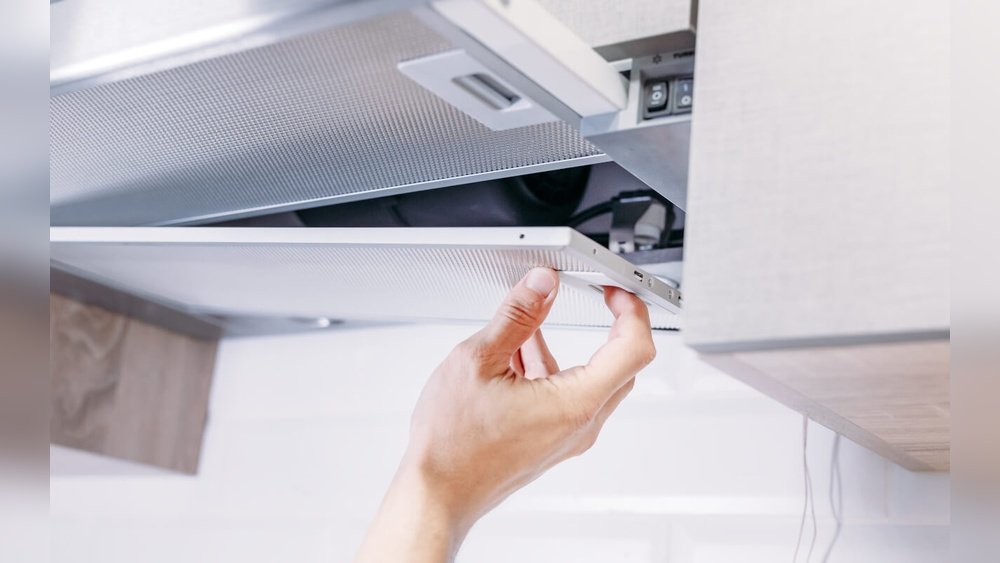
- Remove filters: Most cooker hoods have metal or mesh filters. Slide or pop these out. If they’re greasy, soak them in hot water and dish soap.
- Clear the area: Move any pots, pans, or small appliances away from the stove. Lay down an old towel to catch drips.
- Ventilate your kitchen: Open a window or turn on another fan. Some cleaners have strong smells.
- Wear gloves: Protect your skin from grease and cleaning agents.
These steps may seem basic, but skipping them can make the job messier and more dangerous. For example, forgetting to unplug the hood has led to accidents in many homes.
Step-by-step Guide: Removing Grease From The Hood Exterior
1. Dust And Loose Dirt Removal
Start by wiping the hood with a dry microfiber cloth. This removes dust and loose particles. If you start with water or spray right away, dirt can mix with grease and make smears.
2. Make A Grease-busting Solution
Mix a few drops of degreasing dish soap with warm water in a bowl or spray bottle. For very tough stains, add a tablespoon of baking soda.
3. Wipe Down The Surface
Dip your soft sponge into the solution or spray it onto the hood. Wipe the surface gently, following the grain of the stainless steel. This reduces visible streaks and prevents scratches.
Apply more pressure on sticky spots, but never use steel wool or scouring pads—they will scratch and dull the finish.
4. Tackle Stubborn Grease Spots
If you find areas where grease won’t budge, sprinkle a small amount of baking soda directly onto your damp sponge. Rub gently in a circular motion. Baking soda is safe for stainless steel and helps lift sticky spots.
5. Rinse And Dry
Wipe away soap and baking soda residue using a clean, damp cloth. Then, dry the area with a lint-free towel or paper towel. Water left on stainless steel can leave marks.
6. Polish With Vinegar
For extra shine and to remove any streaks, spray white vinegar onto the hood. Wipe again with a microfiber cloth, moving in the direction of the grain. Vinegar cuts remaining oils and leaves the surface bright.
7. Final Buff (optional)
For a showroom finish, use a small amount of stainless steel cleaner or a drop of mineral oil on a cloth. Buff gently for a protective, glossy layer.
Pro tip: Always clean from the top of the hood down. This keeps dirty drips from messing up areas you’ve already cleaned.
Deep Cleaning Cooker Hood Filters
Filters catch most of the grease, so cleaning them well is key. Dirty filters make your hood less effective and allow more grease to escape.
Removing The Filters
Most filters slide or pop out easily. Check your hood’s manual if you’re unsure. Handle them gently—some are thin and bend easily.
Soaking Method
- Fill your sink with very hot water. The hotter, the better for melting grease.
- Add a generous squirt of degreasing dish soap and a cup of baking soda. Mix well.
- Submerge the filters completely. Let them soak for 20–30 minutes. For very dirty filters, soak up to an hour.
Scrubbing Away Grease
After soaking, use a soft brush or old toothbrush to scrub away loosened grease. Pay special attention to corners and seams.
Insight: Many people use regular sponges, but a toothbrush works better for mesh filters, reaching tiny holes.
Rinsing And Drying
Rinse filters thoroughly under hot running water. Shake off excess water and let air dry completely before reinstalling. Wet filters can attract new grease and cause odors.
Warning: Never put aluminum mesh filters in the dishwasher unless your manual says it’s safe. Dishwasher detergent can dull or damage them.
Cleaning Inside And Around The Cooker Hood
Grease also collects inside the hood, around the fan, and near the light covers.
Interior Cleaning
- Make sure the hood is unplugged.
- Use your dish soap solution and a sponge to clean the inside surfaces.
- For very tight spots, spray vinegar and use your detail brush or toothbrush.
- Wipe away all residue and dry with a cloth.
Cleaning The Fan And Light Covers
Some cooker hoods let you remove the fan cover and light lenses. If so, carefully take them off and wipe with your soapy solution. Dry thoroughly before putting them back.
Dealing With Hidden Grease
Grease often hides around screws, seams, and buttons. Use a brush dipped in vinegar to loosen it, then wipe clean. This step is often skipped, but it makes a big difference in odor and overall cleanliness.
Handling Extremely Stubborn Grease
Sometimes, old grease forms a hard, yellowish layer that regular cleaners can’t remove. Don’t panic—there are safe ways to break it down.
Using Baking Soda Paste
Mix baking soda with a little water to form a thick paste. Apply it to the sticky spots and let it sit for 10–15 minutes. The paste softens the grease, so you can scrub it off gently with a sponge.
Vinegar And Heat Method
Spray vinegar onto the area, then place a warm, damp cloth over it for 10 minutes. The combination of heat and acid loosens the buildup. Wipe clean and repeat if needed.
Commercial Degreasers
If home remedies don’t work, choose a kitchen degreaser labeled safe for stainless steel. Always test in a small spot first. Follow instructions carefully, as some degreasers are strong and can discolor metal.
Caution: Never mix bleach or ammonia with other cleaners. This creates toxic fumes.
Preventing Future Grease Build-up
A little routine care saves a lot of scrubbing later. Most people clean their cooker hood only when it looks dirty, but a regular schedule keeps grease under control.
| Task | How Often | Why It Matters |
|---|---|---|
| Wipe exterior | Weekly | Prevents sticky buildup |
| Clean filters | Monthly | Keeps airflow strong |
| Deep clean inside | Every 3-6 months | Removes hidden grease |
Extra tip: Run your cooker hood fan for a few minutes after cooking, even if you’re done. This pulls away lingering grease particles.
Common Mistakes And How To Avoid Them
- Using rough scrubbers: Steel wool and abrasive pads scratch stainless steel, leaving it dull and harder to clean next time.
- Cleaning against the grain: Always wipe in the direction of the stainless steel grain for a streak-free finish.
- Skipping regular filter cleaning: Dirty filters make the fan work harder, use more energy, and let more grease escape.
- Letting water sit: Water spots are hard to remove. Dry thoroughly after cleaning.
- Spraying cleaner directly on electronics: Spray onto a cloth, not directly onto switches or lights, to avoid damage.
Natural And Eco-friendly Cleaning Options
If you prefer green cleaning, you can still get great results without harsh chemicals.
- Baking soda and vinegar: As explained above, this combo dissolves grease and deodorizes.
- Lemon juice: The acid in lemon juice cuts grease and leaves a fresh scent. Squeeze half a lemon into your cleaning solution.
- Castile soap: This plant-based soap is gentle and effective on greasy surfaces.
- Olive oil polish: Use a few drops on a cloth to buff stainless steel after cleaning.
Note: Always rinse and dry after using acidic cleaners like vinegar or lemon juice, as long contact can dull some stainless steel finishes.
When To Call A Professional
Most homeowners can handle regular cooker hood cleaning. But there are times when you may need expert help.
- Severe buildup: If grease is rock-hard or covers internal parts you can’t reach, professionals have special tools and solvents.
- Electrical issues: If you notice sparks, smoke, or burnt smells, stop cleaning and call a technician.
- Built-in systems: Some high-end cooker hoods have complex ventilation systems that require expert disassembly.
Professional cleaning can also help with bad odors that won’t go away after regular cleaning. It’s an extra cost, but it keeps your kitchen safe and your cooker hood working efficiently.
Comparing Popular Cleaning Methods
Which method is best for your cooker hood? Here’s a comparison of common approaches:
| Method | Effectiveness | Safety | Best For |
|---|---|---|---|
| Dish soap & water | Good for light grease | Very safe | Weekly cleaning |
| Baking soda paste | Excellent on tough spots | Safe for most finishes | Stubborn stains |
| White vinegar | Great for streaks | Safe, but rinse after | Final polish |
| Commercial degreaser | Very strong | Check label for safety | Heavy buildup |
| Lemon juice | Moderate | Natural, safe | Eco-friendly option |
Insider tip: Always spot-test any new product on a hidden area first, especially if your hood has a brushed or colored finish.

Credit: www.youtube.com
How To Keep Your Stainless Steel Hood Looking New
After you’ve removed all grease, a few finishing touches make your hood shine—and stay that way.
- Buff with a dry microfiber cloth after every cleaning session. This prevents fingerprints and streaks.
- Apply a thin layer of mineral oil once a month. This creates a barrier that makes it harder for grease to stick.
- Avoid magnets or tape: These can scratch or leave marks on stainless steel.
- Wipe up splatters right away: Fresh grease is much easier to remove than old, set-in stains.
- Check your kitchen layout: If your cooker hood is close to a wall or cabinet, grease may collect there too. Wipe these areas regularly.
The Importance Of Good Kitchen Habits
Removing grease is easier if you change a few habits:
- Cook with lids on pans: This reduces how much grease escapes into the air.
- Use the hood every time you cook: Many people skip the fan for quick meals, but even boiling water can release oils.
- Replace filters when worn out: If your filters are bent, rusted, or won’t come clean, it’s time for new ones.
These small steps protect not just your cooker hood, but your kitchen air quality and even your health.

Credit: housewifehowtos.com
Safety Reminders
Cleaning a cooker hood isn’t just about looks—it’s about safety. Built-up grease is flammable. According to the National Fire Protection Association, cooking equipment causes almost half of all home kitchen fires. Keeping your hood clean reduces this risk.
Never use flammable cleaners (like alcohol-based sprays), and always allow all parts to dry completely before turning the power back on.
When Stainless Steel Loses Its Shine
Sometimes, even after cleaning, your stainless steel hood looks dull or spotted. This can happen if:
- Hard water is used for rinsing, leaving mineral deposits.
- The surface was scratched by abrasive pads.
- Harsh chemicals left a film.
To restore shine, buff with a soft cloth and a small amount of stainless steel polish, olive oil, or baby oil. Move in the direction of the grain, not circles.
If you notice rust spots, they’re usually from iron particles (like steel wool) used nearby. Use a stainless steel-specific cleaner and rinse well.
Useful Resources
For more details on stainless steel care and safety, visit the Stainless steel Wikipedia page.
Frequently Asked Questions
How Often Should I Clean My Stainless Steel Cooker Hood?
You should wipe the exterior once a week and clean the filters every month for best results. If you cook a lot of fried or oily foods, do it more often.
What Is The Best Cleaner For Stubborn Grease?
A paste of baking soda and water is safe and very effective. For really tough spots, a kitchen degreaser labeled “safe for stainless steel” can help, but always test first.
Can I Use Vinegar On Stainless Steel?
Yes, white vinegar is great for removing streaks and leftover grease. Spray it on, wipe with a microfiber cloth, and rinse with water. Avoid long contact to protect the finish.
Are There Any Natural Ways To Clean Cooker Hood Filters?
Soaking filters in hot water, baking soda, and dish soap is natural and works well. You can also add a little lemon juice for extra grease-cutting and a fresh scent.
What Should I Do If My Cooker Hood Still Smells After Cleaning?
If odors remain, grease may be trapped inside the fan or ductwork. Clean inside thoroughly, and consider replacing filters. If smells persist, call a professional to check for hidden buildup or blockages.
Keeping your stainless steel cooker hood clean protects your kitchen, improves air quality, and keeps your home safe. With these steps, you’ll enjoy a fresh, shiny kitchen and less stress—one wipe at a time.