
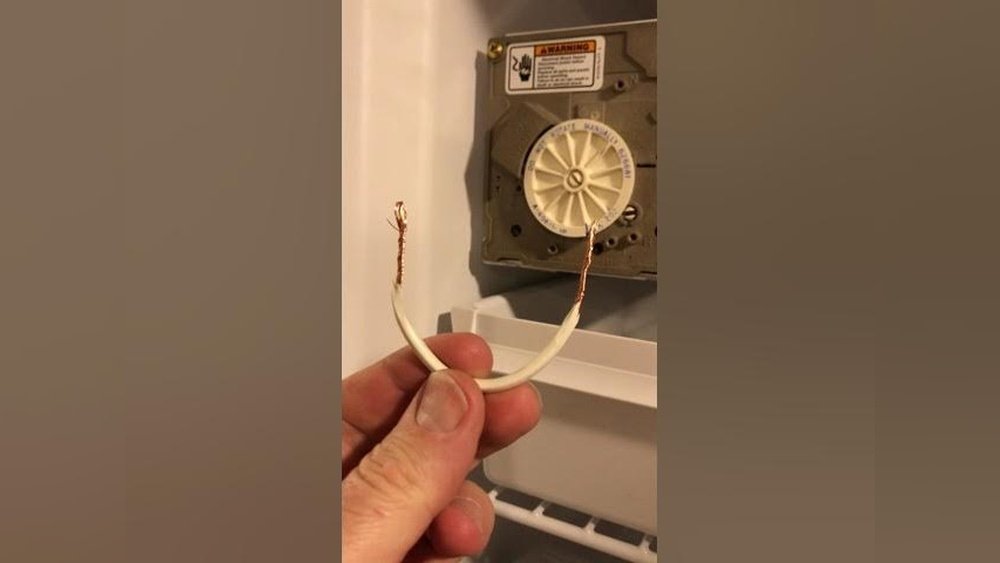
Winterizing your RV’s ice maker is an essential step if you want to avoid expensive repairs and ensure your ice maker works perfectly when the camping season returns. Many RV owners forget that the ice maker is one of the most vulnerable appliances to freezing temperatures.
Ice makers have hidden water lines, small valves, and delicate components that can easily crack or break if water freezes inside them. By learning how to winterize your RV ice maker properly, you protect your investment, save money, and enjoy peace of mind all winter.
This guide will take you through every detail of winterizing your RV ice maker, from understanding why it’s necessary, to gathering the right tools, to performing each step with confidence. We’ll also address common mistakes, provide troubleshooting tips, and answer questions that most beginners don’t think to ask.
Whether you’re new to RV ownership or have years of experience, you’ll find valuable insights to help you avoid damage and keep your ice maker in top shape.
Why Winterizing Your Rv Ice Maker Is Critical
RV ice makers are designed to make your life comfortable on the road, but they can quickly become a liability in cold weather. The main danger is freezing water. Even a small amount of water left in the water lines, valves, or ice tray can expand as it freezes, causing cracks or bursts.
A damaged ice maker can cost $200 to $600 or more to repair. In some cases, you might even need to replace the entire unit, which is both expensive and inconvenient. Insurance often does not cover freeze damage because it’s considered preventable. That’s why manufacturers and experts strongly recommend winterizing.
Winterizing is not just about the ice maker itself. If water lines freeze and burst, leaks can cause mold, rot, and electrical issues in your RV. Taking the time to winterize properly can save you thousands of dollars and hours of frustration.
When To Winterize Your Rv Ice Maker
Timing is important. Most RVers winterize in late fall, before the first hard freeze. In general, you should winterize when:
- Nighttime temperatures are expected to drop below 32°F (0°C) for more than a few hours.
- You will not use your RV for several weeks or months.
- Your RV is stored in an area with unpredictable weather.
Don’t wait for the first freeze warning. It only takes one cold night to cause damage. If you travel between warm and cold climates, winterize before entering the cold zone.

Credit: www.rvdoctor.com
Tools And Materials Needed
Having the right tools makes winterizing easier, faster, and safer. Here’s what you’ll need:
- Non-toxic RV antifreeze (1-2 gallons)
- Adjustable wrench
- Screwdriver set (Phillips and flathead)
- Towels or rags
- Bucket or container (for draining water)
- Wet/dry shop vacuum (optional, but helpful)
- Flashlight
- Owner’s manual for your RV and ice maker
If you use compressed air to blow out water lines, you’ll also need:
- Air compressor (with adjustable pressure)
- Blowout plug (fits your city water inlet)
Make sure to use only RV-specific antifreeze. Household or automotive antifreeze is toxic and can damage your plumbing.
Step-by-step Guide To Winterizing An Rv Ice Maker
Let’s break down the winterizing process into clear, manageable steps. Each RV and ice maker may have small differences, so always check your owner’s manual for specifics.
1. Turn Off And Unplug The Ice Maker
- Switch the ice maker’s power button to OFF.
- Unplug the unit from the electrical outlet if possible.
- Wait several hours to allow any remaining ice to melt.
This step prevents the ice maker from trying to operate while you work and reduces the risk of electrical shock.
2. Shut Off The Water Supply
- Locate the shutoff valve for the ice maker water line. This is usually found under the sink or near the main water manifold.
- Turn the valve to the OFF position.
- If your RV does not have a dedicated valve, shut off the main water supply to the RV.
Some RVs have inline valves specifically for the ice maker, while others do not. Knowing the location of your valves is an important part of RV maintenance.
3. Remove And Discard Any Remaining Ice
- Open the ice maker compartment.
- Remove the ice bin or tray.
- Discard all remaining ice.
- Wipe down the inside of the bin with a towel.
Leaving ice in the bin can lead to melting and refreezing, causing sticky messes or damage.
4. Drain The Ice Maker Water Line
The goal is to remove as much water as possible from the supply line that feeds the ice maker.
If Your Rv Has A Drain Valve
- Locate the dedicated drain valve for the ice maker line.
- Place a bucket underneath.
- Open the valve and allow all water to drain out.
If Your Rv Does Not Have A Drain Valve
- Disconnect the water line from the back of the ice maker using an adjustable wrench.
- Let the water drain into a bucket or towel.
- Use a wet/dry vacuum to remove any remaining water from the line if you have one.
5. Blow Out The Water Line (optional But Recommended)
Blowing out the line with compressed air removes stubborn water that can hide in bends or low spots.
- Attach a blowout plug to the city water inlet.
- Set your compressor to 30-40 PSI (never higher, to avoid damaging lines).
- Open the ice maker water line valve.
- Briefly run the compressor to push out remaining water.
- Watch for water droplets at the ice maker end of the line.
This step is especially useful for older RVs or when you want extra protection.
6. Add Non-toxic Rv Antifreeze
Adding antifreeze to the line protects against any water you couldn’t remove.
- Close all drain valves.
- Reconnect the water supply line if you removed it.
- Use a funnel or hand pump to pour RV antifreeze into the ice maker line.
- Open the ice maker’s supply valve and let antifreeze flow until you see the colored liquid reach the ice maker entry point.
- Close the valve.
Some RVs allow you to use the onboard water pump to pull antifreeze through all lines, including the ice maker. Consult your manual for the best method.
7. Drain Or Bypass The Ice Maker
Some RV ice makers have a drain plug or a way to bypass the system entirely.
- If your ice maker has a drain plug, remove it and let any water or antifreeze drain into a container.
- Replace the plug securely after draining.
- If a bypass is available, follow your manufacturer’s instructions to isolate the ice maker from the rest of the water system.
Bypassing is not always necessary but can add a layer of protection.
8. Clean And Dry All Surfaces
- Wipe down the ice bin and interior surfaces with a towel.
- Leave the ice maker compartment door open for several hours to allow air drying.
- This prevents mold, mildew, and musty odors over the winter.
9. Final System Check
- Double-check that all valves are closed or set to winter mode.
- Make sure the ice maker is unplugged and switched OFF.
- Label the ice maker or leave a reminder note so you don’t accidentally use it before de-winterizing.
Many RVers forget this last step, leading to unwanted surprises in the spring.
Comparing Antifreeze Methods: Pump Vs. Gravity
There are two main ways to add antifreeze to your ice maker: using the RV’s water pump or pouring it directly by gravity. Here’s how they compare:
| Method | Pros | Cons | Best For |
|---|---|---|---|
| Water Pump | Fast, thorough, covers all lines | Requires setup, uses more antifreeze | Modern RVs, full-system winterizing |
| Gravity/Funnel | Simple, uses less antifreeze | May miss some areas, slower | Isolating ice maker line, older RVs |
For most users, the water pump method provides extra confidence, but the gravity method is effective if you want to save antifreeze or only winterize the ice maker line.
Common Mistakes To Avoid
Many RV owners make simple but costly mistakes when winterizing their ice makers. Watch out for these:
- Using automotive antifreeze – Only use non-toxic RV antifreeze. Automotive types are poisonous and can damage your system.
- Forgetting to drain hidden lines – Ice maker water lines are often tucked behind panels. Trace the line fully and make sure to drain every section.
- Skipping the air blowout step – Even small amounts of water can freeze. If possible, always blow out lines before adding antifreeze.
- Not labeling the ice maker – If someone turns it on before all antifreeze is flushed in spring, you could end up with pink ice or damage.
- Rushing the process – Allow time for all ice to melt and water to drain fully.
Special Considerations For Different Rv Types
Different RV layouts and ice maker models can affect how you winterize.
Motorhomes
Most motorhomes have built-in ice makers connected to a central water system. These usually have dedicated shutoff valves and sometimes bypass systems. Always follow manufacturer instructions and check for hidden access panels.
Travel Trailers & Fifth Wheels
These often use portable or countertop ice makers. For these, fully drain the reservoir, run a cleaning cycle if possible, and store the unit in a warm area if space allows.
Residential-style Ice Makers
Larger Class A motorhomes may have full-size residential ice makers. These require special attention:
- Drain the reservoir and supply line.
- Run a cycle with food-grade antifreeze if the unit allows.
- Consult your RV and ice maker manuals for the correct procedure.
Portable Ice Makers
Portable units are easier to winterize:
- Unplug and empty all water and ice.
- Dry completely.
- Store indoors if possible, or use a storage cover.
How To De-winterize Your Rv Ice Maker In Spring
When it’s time to hit the road again, you need to reverse the winterizing process. Here’s what to do:
- Reconnect any lines or valves you disconnected in fall.
- Flush the ice maker line with fresh water for several minutes to remove all antifreeze.
- Run and discard the first 2-3 batches of ice to ensure no antifreeze remains.
- Inspect for leaks around all connections.
- Plug in and turn on the ice maker only after all steps are completed.
The first few ice cubes may look or taste odd—this is normal. Discard them until the ice is clear and tastes fresh.
Troubleshooting: What If The Ice Maker Doesn’t Work After Winterizing?
Sometimes, even after careful winterizing, the ice maker may not work as expected in spring. Here are some common problems and their solutions:
Ice Maker Won’t Turn On
- Check the power supply and outlet.
- Make sure all switches and breakers are ON.
- Inspect the plug for corrosion or damage.
No Water To Ice Maker
- Confirm all shutoff valves are open.
- Check for airlocks in the water line; running water through the line may help.
- Inspect for leaks or kinks in the supply line.
Ice Maker Leaks
- Tighten all fittings and connections gently.
- Inspect the supply line for cracks or splits.
- Replace damaged lines with RV-rated tubing.
Ice Maker Makes Odd-tasting Ice
- Flush the system with several gallons of fresh water.
- Clean the ice bin and interior surfaces.
- If taste remains, run a cleaning cycle with a vinegar solution, then rinse thoroughly.
If problems persist, consult your RV dealer or an appliance technician.
Cost Breakdown: Diy Vs. Professional Winterizing
Is it worth paying a professional to winterize your RV ice maker, or can you do it yourself? Here’s a simple comparison:
| Method | Average Cost | Time Needed | Pros | Cons |
|---|---|---|---|---|
| DIY | $10-$30 (antifreeze + supplies) | 1-2 hours | Save money, learn your system | Risk of mistakes if not careful |
| Professional Service | $80-$200 | 30-60 minutes | Expert care, warranty protection | Higher cost, must schedule |
Most RVers can handle this job themselves, but if you’re not confident, hiring a pro is a smart investment.

Credit: www.youtube.com
Non-obvious Insights For Beginners
- Hidden check valves: Many ice maker lines have small check valves that can trap water. Locate and drain them if possible.
- Use clear tubing: Replacing part of your ice maker line with clear tubing lets you see when all water and antifreeze have been flushed, making the process much easier.
- Label all valves and lines: Use tags or colored tape to identify the ice maker line. This saves time and prevents mistakes for future winterizing or repairs.
Storage Tips For Long-term Protection
If your RV will be stored for many months:
- Prop open the ice maker door slightly to prevent musty smells.
- Remove and clean the ice bin thoroughly.
- Place a moisture absorber (like silica gel) inside the compartment.
- Check periodically for signs of leaks, pests, or mold.
Credit: www.forestriverforums.com
Safety Reminders
- Never use toxic antifreeze in any drinking water line.
- Always run fresh water through the system in spring until there is no trace of antifreeze color or taste.
- Keep antifreeze away from children and pets; even RV antifreeze can cause upset stomachs if swallowed.
Where To Find More Information
Your RV and ice maker owner’s manuals are the best resource for model-specific instructions. For more general guidance, the RV Industry Association and large RV forums offer reliable advice. For a detailed discussion on RV plumbing, visit Camping World.
Frequently Asked Questions
How Much Rv Antifreeze Does An Ice Maker Need?
Typically, 1-2 cups of RV antifreeze are enough for the ice maker line. If you’re winterizing the whole RV plumbing system, you may need 1-2 gallons. Always run antifreeze until you see it reach the end of the ice maker line.
Can I Just Drain The Ice Maker Line Without Using Antifreeze?
Draining removes most water, but tiny amounts can remain in valves or low spots and still freeze. Using non-toxic antifreeze adds extra protection, especially in very cold climates or if your RV will be stored outdoors.
What If My Rv Doesn’t Have An Ice Maker Shutoff Valve?
If there’s no dedicated shutoff, use the main water supply valve to stop water flow, then disconnect the ice maker line at the appliance to drain it. Consider installing a shutoff valve for easier future winterizing.
Is It Safe To Use The Ice Maker After Winterizing?
Not immediately. In spring, flush the ice maker line thoroughly with fresh water and discard the first 2-3 batches of ice. This removes all antifreeze and ensures safe, clean ice.
How Do I Know If My Ice Maker Was Damaged By Freezing?
Signs include leaks, no ice production, or strange noises when operating. Inspect all visible lines and connections for cracks or splits. If you suspect damage, do not use the ice maker until it has been checked by a technician.
Proper winterizing of your RV ice maker keeps your adventures worry-free and your appliances working for years to come. With careful attention and the right steps, you can protect your ice maker from winter’s harshest effects and enjoy perfectly chilled drinks all summer long.